
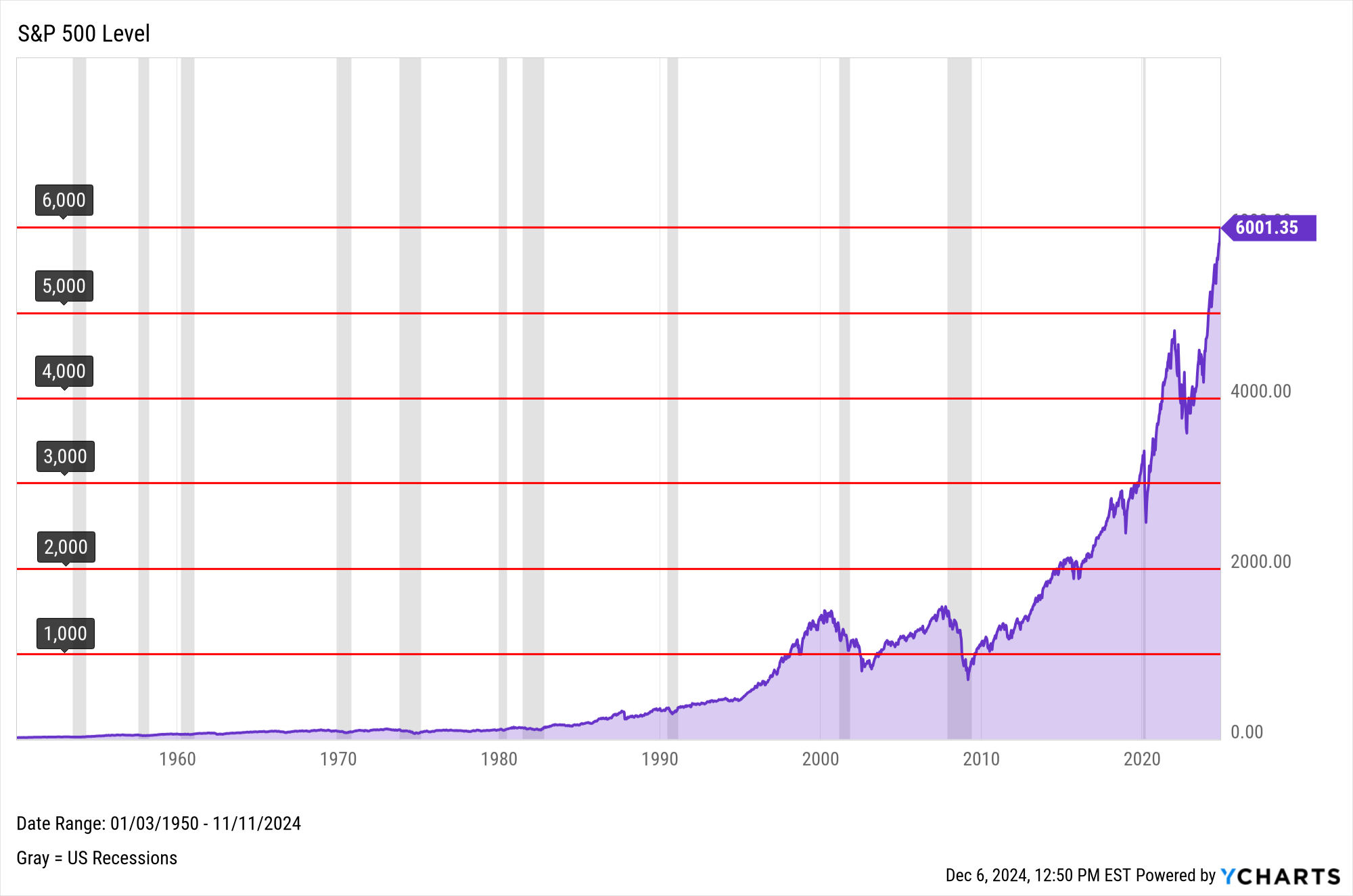
The S&P 500 is more than just a collection of 500 large-cap American companies; it is the definitive pulse of the global financial ecosystem. When investors ask “what the market is doing,” they are almost invariably referring to this index. Right now, the S&P 500 is navigating a complex intersection of historic technological transformation, shifting monetary policy, and a resilient consumer base that continues to defy recessionary predictions. Understanding the current state of the index requires looking beyond the daily price fluctuations and examining the underlying mechanics of valuation, sector concentration, and macroeconomic catalysts.
Decoding Current Performance and Valuation Metrics
To understand what the S&P 500 is doing right now, one must first look at its valuation framework. Historically, the index has traded at a forward price-to-earnings (P/E) ratio of approximately 16 to 18. In the current environment, the index is trading at the higher end of its historical range. This premium reflects investor confidence in future earnings growth, particularly within the technology and communication services sectors.
The Earnings Powerhouse
Corporate earnings remain the primary engine driving the index. Currently, we are seeing a “broadening out” of earnings growth. While the previous year was defined by the massive outperformance of a few select tech giants, recent quarters have shown that the remaining 493 companies are beginning to pull their weight. This shift is critical for the long-term health of the index, as it reduces the reliance on a handful of stocks and suggests a more robust, diversified economic recovery.
Technical Support and Resistance Levels
From a technical perspective, the S&P 500 is currently testing key psychological and mathematical thresholds. Traders are closely watching the 50-day and 200-day moving averages to gauge momentum. Currently, the index is exhibiting a “buy the dip” mentality, where any minor correction is met with significant capital inflows. This suggests that while valuations are high, there is a substantial amount of “dry powder” or cash on the sidelines waiting for entry points, providing a floor for the market.
Macroeconomic Catalysts Driving the Index
The S&P 500 does not exist in a vacuum; it is hypersensitive to the broader economic environment, specifically the actions of the Federal Reserve and the trajectory of inflation.
The Federal Reserve and Interest Rate Cycles
Right now, the market is in a state of “Fed watching.” After a period of aggressive interest rate hikes to combat inflation, the narrative has shifted toward when and how significantly the Fed will cut rates. Lower interest rates are generally bullish for the S&P 500 because they lower the cost of borrowing for corporations and reduce the discount rate used to value future cash flows. However, the S&P 500 is currently balancing this optimism with the reality that “higher for longer” rates may still be necessary to ensure inflation returns to the 2% target.
Inflation and the Consumer Sentiment
Inflationary pressures have cooled significantly from their peaks, which has been a major tailwind for the S&P 500. When inflation moderates, corporate profit margins often expand because companies have already raised prices, and their input costs are now stabilizing. Simultaneously, the American consumer remains resilient. Since consumer spending accounts for roughly two-thirds of the U.S. GDP, the strength of the labor market and steady retail sales are providing the fundamental support the S&P 500 needs to maintain its current levels.
Sector-Specific Influences: The Role of AI and Beyond
The internal dynamics of the S&P 500 have changed dramatically over the last decade. Today, the index is heavily weighted toward Information Technology, making it a proxy for the global digital economy.

The Artificial Intelligence Revolution
Artificial Intelligence (AI) is the dominant theme currently propelling the S&P 500. It is not just about the companies that build the chips, such as NVIDIA, but also about how the broader index participants—from banks to healthcare providers—are integrating AI to drive efficiency. This “AI halo effect” has led to significant capital appreciation in the tech sector, but it has also raised questions about whether we are entering a speculative bubble. Right now, the consensus among institutional investors is that we are in the early stages of a productivity boom, justifying the current premiums.
The Comeback of Cyclical Sectors
While tech dominates the headlines, other sectors like Industrials, Energy, and Financials are playing a crucial role in the index’s current movement. These cyclical sectors are sensitive to economic growth. As infrastructure spending increases and the energy transition continues, these traditional “Old Economy” stocks are providing a stabilizing force. When tech faces volatility, these sectors often act as a hedge, preventing a wholesale collapse of the index and maintaining a balanced upward trajectory.
Risks and Volatility Factors
Despite the general upward trend, the S&P 500 is currently facing several headwinds that contribute to periodic bouts of volatility. Identifying these risks is essential for any investor trying to make sense of the current market landscape.
Geopolitical Uncertainty
The S&P 500 is a global index, with many of its constituent companies deriving 40% to 50% of their revenue from outside the United States. Consequently, geopolitical tensions in Europe, the Middle East, and Asia create uncertainty. Right now, any escalation in global conflict tends to lead to “risk-off” behavior, where investors move out of equities and into safe-haven assets like gold or Treasury bonds, causing short-term dips in the S&P 500.
Concentration Risk
One of the most discussed aspects of what the S&P 500 is doing right now is its high level of concentration. The top 10 stocks in the index account for a record percentage of its total market capitalization. This means that the index’s performance is disproportionately influenced by a very small group of companies. If one of these giants misses an earnings target or faces a regulatory hurdle, it can drag down the entire index, regardless of how the other 490 companies are performing. This concentration creates a “top-heavy” market that requires careful monitoring.
Investment Strategies for the Current S&P 500 Landscape
Navigating the S&P 500 right now requires a blend of discipline and strategic positioning. Because the market is characterized by high valuations but strong fundamentals, a nuanced approach is necessary.
The Power of Dollar-Cost Averaging
In a market that is testing all-time highs, many investors are hesitant to put a lump sum of money to work. This is why dollar-cost averaging (DCA) is particularly effective right now. By investing a fixed amount at regular intervals, investors can mitigate the risk of timing the market poorly. DCA allows you to buy more shares when prices are lower and fewer when they are higher, effectively smoothing out your cost basis over time and taking the emotion out of the “all-time high” anxiety.
Rebalancing and Diversification
Given the outperformance of the tech sector, many portfolios may now be overweighted in that area. Right now, savvy investors are using the index’s strength to rebalance. This involves selling a portion of the high-flying winners and rotating that capital into undervalued sectors like Consumer Staples or Healthcare. This doesn’t mean exiting the market; it means adjusting the sails to ensure the portfolio can withstand a potential shift in market leadership.
Looking Toward the Long-Term Horizon
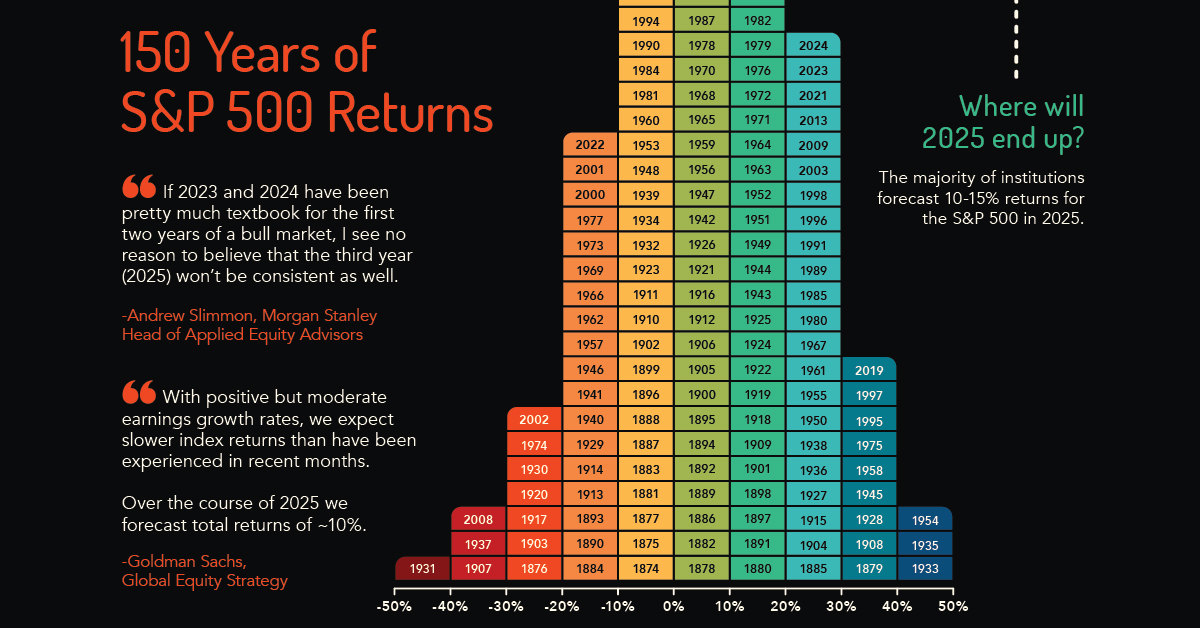
Ultimately, what the S&P 500 is doing “right now” is often noise compared to what it does over decades. Historically, the index has returned an average of 10% annually over long periods. While the current environment of high interest rates and AI speculation feels unique, it is simply another chapter in the index’s long history of adaptation. The most successful participants in the S&P 500 right now are those who can distinguish between temporary volatility and the long-term upward trajectory of corporate American innovation.
In summary, the S&P 500 is currently in a phase of sophisticated growth. It is balancing the high expectations of the AI era with the sobering realities of a complex macroeconomic environment. It remains the ultimate tool for wealth creation, provided that investors understand the sectors driving it, the macro forces shaping it, and the importance of maintaining a diversified, long-term perspective. Whether it is navigating a minor pullback or surging to new highs, the S&P 500 continues to reflect the collective ingenuity and resilience of the global economy.
aViewFromTheCave is a participant in the Amazon Services LLC Associates Program, an affiliate advertising program designed to provide a means for sites to earn advertising fees by advertising and linking to Amazon.com. Amazon, the Amazon logo, AmazonSupply, and the AmazonSupply logo are trademarks of Amazon.com, Inc. or its affiliates. As an Amazon Associate we earn affiliate commissions from qualifying purchases.