
In the complex landscape of modern employment, understanding your pay stub can feel like deciphering an ancient script. Among the myriad of terms and figures, “ADP RS employee deduction” often surfaces, leaving many employees scratching their heads. This article aims to demystify this specific type of payroll deduction, explore its significance within the broader context of employee compensation, and connect it to the foundational principles of technology, brand perception, and financial management that underpin today’s work environments.
The term “ADP RS” itself hints at a technological foundation, and indeed, ADP (Automatic Data Processing) is a leading provider of human capital management solutions, including payroll processing services. “RS” typically refers to a specific system or module within ADP’s comprehensive suite, often associated with retirement services or specific types of employee benefits. Understanding these deductions isn’t just about knowing where your money goes; it’s about gaining control over your financial well-being, appreciating the technology that facilitates these processes, and understanding how these elements contribute to your overall employee experience and the brand of your employer.

Decoding ADP RS: The Technology Behind Your Deductions
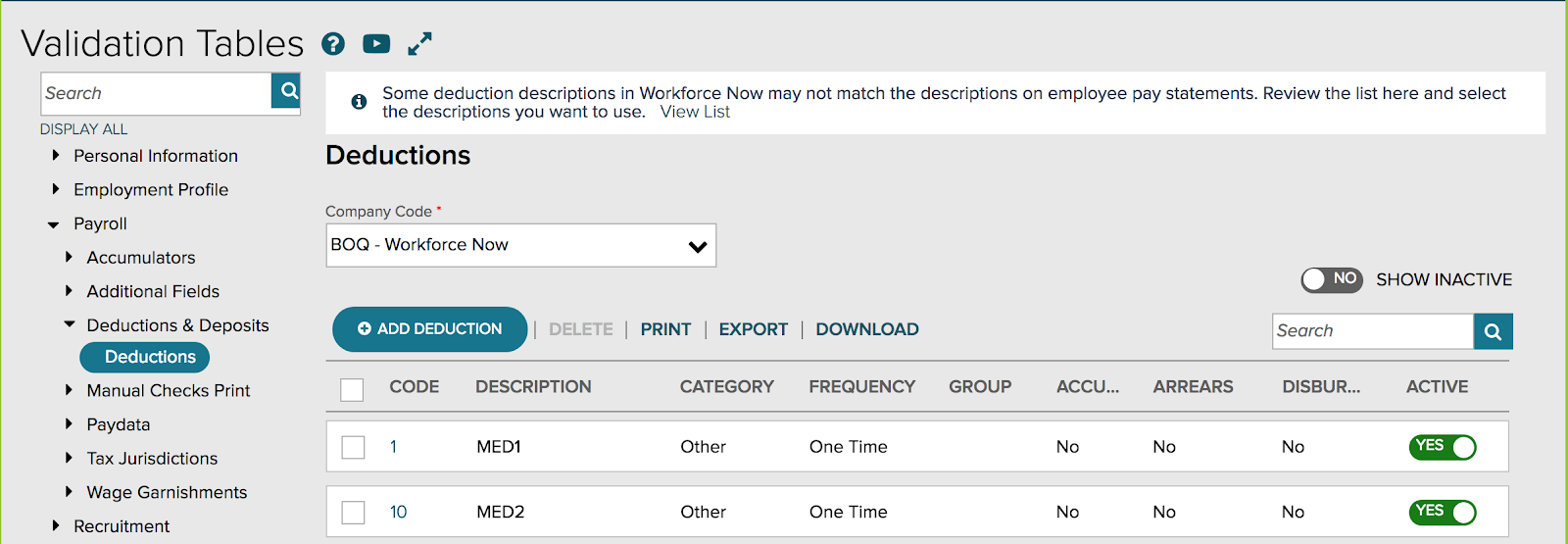
At its core, ADP RS employee deduction refers to any voluntary or mandatory amount subtracted from an employee’s gross pay as processed by ADP’s systems, specifically related to retirement savings or similar employee benefit programs. This deduction is a direct outcome of the technological infrastructure that enables efficient and accurate payroll management.
The Role of ADP in Modern Payroll
ADP is a titan in the payroll and HR technology space. For businesses, partnering with ADP means outsourcing the intricate and often time-consuming task of calculating wages, taxes, and deductions for their employees. ADP’s sophisticated software and platforms handle this with remarkable precision, ensuring compliance with a vast array of federal, state, and local regulations. The “RS” designation within their system is a testament to the modularity and specialization of their offerings.
When an employer chooses to offer a retirement savings plan, such as a 401(k) or a similar plan (which might be the “RS” component), ADP’s system is configured to manage the contributions. This involves:
- Automated Calculation: Based on employee elections and employer-defined contribution limits, the system automatically calculates the correct deduction amount from each paycheck.
- Data Management: ADP securely stores and manages employee data related to their contributions, ensuring accuracy and accessibility for both the employee and the employer.
- Compliance and Reporting: The system ensures that contributions adhere to IRS regulations and generates necessary reports for the IRS, the plan administrator, and the employer.
- Integration: ADP’s platforms often integrate with other HR systems, providing a holistic view of employee compensation and benefits.
The technology behind ADP RS employee deductions is designed for seamless integration into the payroll cycle. It’s a prime example of how technological advancements have streamlined complex financial processes, making them more accessible and transparent for both businesses and their workforce. This technology is not merely about processing numbers; it’s about facilitating financial planning and security for individuals.
Understanding “RS”: Retirement Savings and Beyond
While “RS” most commonly stands for Retirement Savings, it’s crucial for employees to confirm the specific meaning within their company’s context. In the realm of employee benefits, “RS” can encompass various plans designed for long-term financial security. The most prevalent are:
- 401(k) Plans: A popular employer-sponsored defined-contribution retirement savings plan in the United States. Employees can contribute a portion of their pre-tax salary, which lowers their taxable income in the current year.
- 403(b) Plans: Similar to 401(k) plans but offered by non-profit organizations, public schools, and certain other tax-exempt organizations.
- 457(b) Plans: Deferred compensation plans for employees of state and local governments and certain tax-exempt organizations.
- Other Retirement Vehicles: Depending on the employer and jurisdiction, “RS” might also refer to other employer-sponsored retirement savings options.
Beyond retirement, in some instances, “RS” could potentially be linked to other deduction categories, though retirement savings are the most frequent association. It is always best practice to consult your HR department or your pay stub’s legend for definitive clarification. The clarity around these deductions directly impacts an employee’s perception of their employer’s transparency and commitment to their financial future.
The Financial Implications of ADP RS Employee Deductions
The financial implications of ADP RS employee deductions are significant, impacting an employee’s take-home pay and, more importantly, their long-term financial security. Understanding these deductions is a cornerstone of effective personal finance management.
Impact on Your Take-Home Pay

The most immediate effect of an ADP RS employee deduction is a reduction in your net pay – the amount of money you actually receive after all deductions. For example, if you elect to contribute $100 per paycheck to your 401(k) plan, that $100 will be subtracted before your direct deposit or check is issued.
However, it’s vital to understand that pre-tax deductions, like those commonly associated with retirement savings, offer a significant financial advantage:
- Reduced Taxable Income: Contributions made to traditional 401(k)s, 403(b)s, and 457(b) plans are typically made on a pre-tax basis. This means the amount you contribute is subtracted from your gross income before federal, state, and local income taxes are calculated. This results in a lower taxable income for the current year, thereby reducing your immediate tax liability.
- Tax-Deferred Growth: The money you contribute to these retirement accounts grows over time without being subject to annual taxation. Taxes are only paid when you withdraw the money in retirement, at which point you may be in a lower tax bracket.
This financial advantage is a key reason why employees are encouraged to participate in employer-sponsored retirement plans. The technology that processes these deductions efficiently allows this tax benefit to be realized seamlessly.
Long-Term Financial Planning and Wealth Building
The ADP RS employee deduction is not just about immediate tax savings; it’s a crucial tool for long-term financial planning and wealth building. By consistently contributing to a retirement savings plan, you are actively investing in your future financial independence.
- Compounding Growth: The power of compounding is immense. When your investment earnings also start generating earnings, your wealth can grow exponentially over time. The earlier you start contributing, the more time your money has to benefit from this effect.
- Employer Match: Many employers offer a matching contribution to employee retirement savings. This is essentially “free money” that significantly boosts your savings. For instance, if your employer matches 50% of your contributions up to 6% of your salary, and you contribute 6%, your employer adds an additional 3% of your salary to your retirement fund. This match is a critical component of long-term wealth accumulation.
- Retirement Security: Having a substantial retirement nest egg provides financial security and the freedom to enjoy your post-work years without the burden of financial stress. This directly contributes to your overall quality of life and peace of mind.
Understanding the mechanics of your ADP RS employee deduction empowers you to make informed decisions about your contribution levels, ensuring you are maximizing your long-term financial potential. This aligns with the broader themes of personal finance and investing that are central to financial empowerment.
The Brand and Reputation Connection
While seemingly a technical and financial matter, the way an employer handles and communicates about employee deductions, including those processed by ADP, can significantly influence its brand perception and reputation.
Employer Brand and Employee Experience
A company’s brand is not just its logo or marketing campaigns; it’s the collective perception of its stakeholders, especially its employees. How an employer manages payroll, benefits, and deductions directly shapes the employee experience.
- Transparency and Clarity: When an employer clearly communicates what “ADP RS employee deduction” means, provides easy access to information about retirement plans, and ensures pay stubs are understandable, it fosters trust and confidence. This transparency signals that the employer values its employees and their financial well-being.
- Support and Resources: Offering robust HR support and educational resources about retirement savings plans demonstrates a commitment to employee development and financial literacy. This proactive approach enhances the employer brand as one that invests in its people beyond just their salary.
- Competitive Benefits: The availability and quality of benefits, such as well-structured retirement plans, are often key differentiators in attracting and retaining top talent. A strong benefits package, efficiently administered by systems like ADP, contributes to a positive employer brand.
- Technological Efficiency: A smooth and error-free payroll process, facilitated by reliable technology like ADP, reduces employee anxiety and frustration. This operational excellence reinforces the brand as being well-managed and employee-centric.
Conversely, opaque deduction policies, confusing pay stubs, or a lack of support for employee benefits can erode trust, damage morale, and negatively impact the employer’s reputation. Employees are more likely to be loyal and engaged when they feel their employer is transparent, supportive, and has their best financial interests at heart.
Building Trust Through Financial Well-being
A company that prioritizes its employees’ financial well-being through accessible and well-managed deduction processes builds a stronger, more reputable brand. This extends beyond just the immediate benefits of retirement savings:
- Employee Loyalty and Retention: When employees feel financially secure and supported, they are less likely to look for opportunities elsewhere. This directly impacts retention rates, reducing recruitment costs and preserving institutional knowledge.
- Productivity and Engagement: Financial stress can be a significant distraction, impacting an employee’s focus and productivity. By helping employees build financial security through clear and effective deduction management, employers can indirectly boost engagement and performance.
- Positive Word-of-Mouth: Satisfied employees become brand advocates. They are more likely to speak positively about their employer to potential recruits, customers, and within their professional networks, further strengthening the company’s brand and reputation.
In essence, the ADP RS employee deduction, when understood and managed effectively, becomes a tangible representation of an employer’s commitment to its workforce. It’s a micro-level interaction that contributes to a macro-level perception of the company’s values and its dedication to fostering a supportive and financially empowering environment. By leveraging technology like ADP, companies can not only streamline operations but also build a brand that resonates with employees on a deeper level, fostering trust and long-term loyalty.
aViewFromTheCave is a participant in the Amazon Services LLC Associates Program, an affiliate advertising program designed to provide a means for sites to earn advertising fees by advertising and linking to Amazon.com. Amazon, the Amazon logo, AmazonSupply, and the AmazonSupply logo are trademarks of Amazon.com, Inc. or its affiliates. As an Amazon Associate we earn affiliate commissions from qualifying purchases.