
The democratization of financial markets has undergone a radical transformation over the last decade. What was once the exclusive playground of institutional investors and floor traders in mahogany-paneled offices is now accessible to anyone with a smartphone and an internet connection. Online stock trading has moved from a niche activity to a primary vehicle for personal wealth building. However, the ease of access provided by digital platforms does not lower the stakes of the market. Navigating the world of equities requires a blend of technical literacy, disciplined risk management, and a deep understanding of market mechanics.
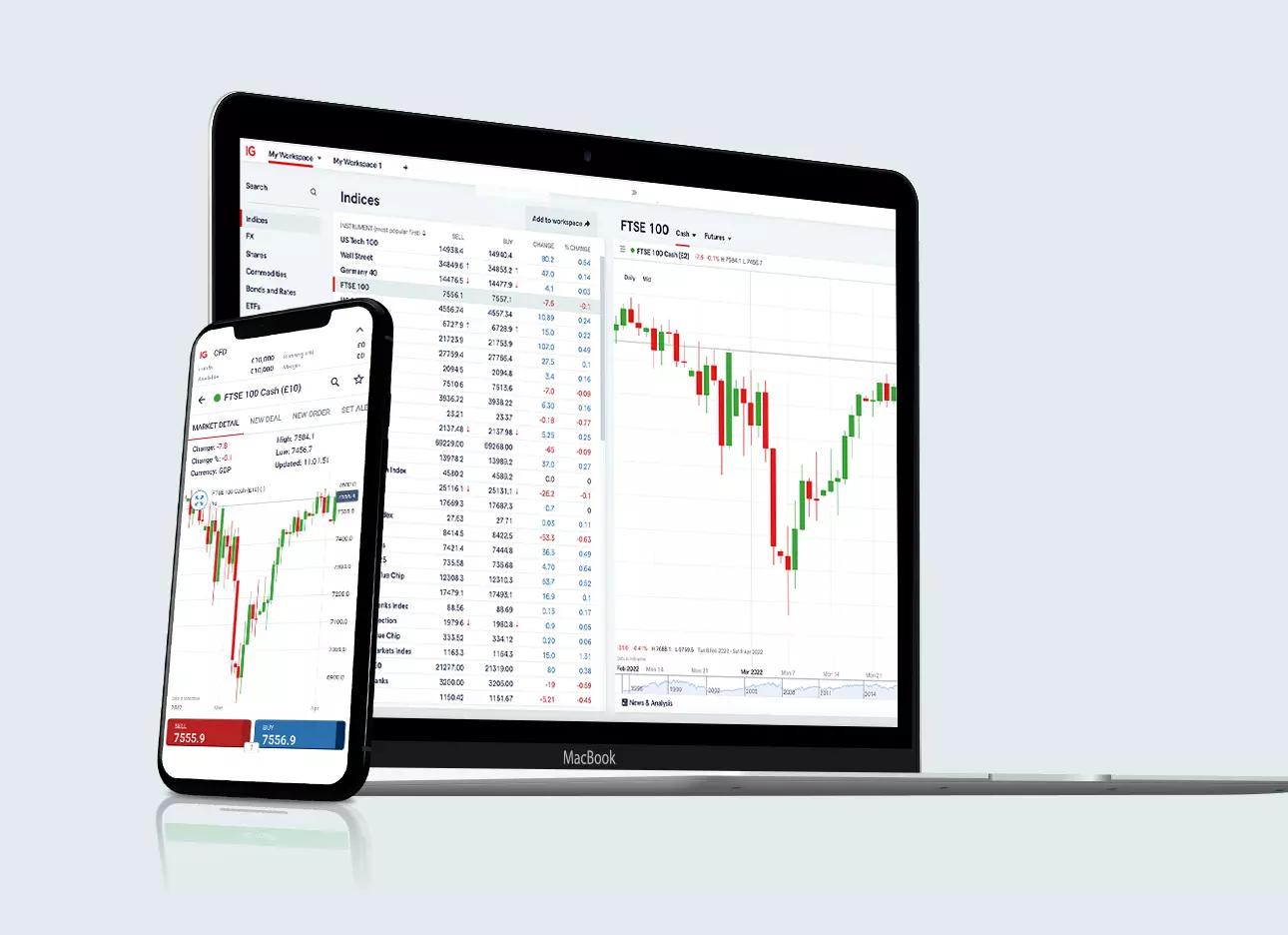
Success in online trading is not merely about clicking “buy” on a trending ticker; it is about building a sustainable financial ecosystem. To transition from a casual observer to a proficient trader, one must master the infrastructure of the markets, the tools of analysis, and the psychological fortitude required to handle volatility.
Selecting the Right Online Brokerage Infrastructure
The first and perhaps most critical step in your trading journey is selecting a brokerage. In the digital age, your broker is more than just a middleman; they provide the interface, the data, and the execution speed that define your trading experience. When evaluating platforms, investors must look beyond flashy marketing and focus on the core financial utilities provided.
Understanding Fee Structures and Hidden Costs
While “zero-commission” trading has become the industry standard for major U.S. equities, no platform is truly free. Traders must investigate the “payment for order flow” (PFOF) models, which can sometimes result in slightly less favorable execution prices. Additionally, if you plan to trade on margin—using borrowed funds from the broker—interest rates vary significantly between platforms. For high-volume traders, even a fraction of a percent difference in margin rates or withdrawal fees can impact the bottom line over a fiscal year.
Evaluating Research Tools and Data Feeds
A professional-grade online trader requires real-time data. Some entry-level apps offer delayed quotes, which can be disastrous for active trading. Look for brokerages that provide Level 2 market data, showing the “order book” or the depth of bids and asks. Furthermore, the availability of integrated financial statements, analyst ratings, and customizable charting software is essential. A platform that integrates these tools allows for a seamless transition from research to execution, reducing the cognitive load on the investor.
Security and Regulatory Protections
In the realm of digital finance, security is paramount. Ensure the brokerage is a member of the Securities Investor Protection Corporation (SIPC) and the Financial Industry Regulatory Authority (FINRA). These designations protect your capital against the insolvency of the brokerage itself, though they do not protect against market losses. Two-factor authentication (2FA) and encrypted data transmission are non-negotiable features for any platform handling your personal wealth.
Mastering Execution: Market Mechanics and Order Types
Once an account is funded, the next hurdle is understanding how to interact with the market. Many novice traders lose money not because their thesis was wrong, but because they used the wrong order type at the wrong time. Understanding the nuances of order execution is fundamental to preserving capital.
Market Orders vs. Limit Orders
A market order instructs the broker to buy or sell a stock immediately at the best available current price. While this guarantees execution, it does not guarantee price. In a volatile market, the price you pay could be significantly higher than the last price you saw on your screen.
Conversely, a limit order allows you to specify the maximum price you are willing to pay (or the minimum price you are willing to accept). While a limit order might not be filled if the stock price moves away from your target, it provides the price certainty necessary for disciplined investing. Professional traders almost exclusively use limit orders to avoid “slippage,” the difference between the expected price of a trade and the price at which the trade is actually executed.
Utilizing Advanced Stop and Trigger Orders
Risk management is the hallmark of a professional. Stop-loss orders are automated instructions to sell a security when it reaches a certain price, effectively “stopping” the loss. A variation of this is the trailing stop, which moves upward with the stock price, allowing you to lock in profits while still providing a safety net if the trend reverses. Understanding these triggers allows a trader to remove emotion from the equation, ensuring that a bad day in the market does not turn into a catastrophic loss for the portfolio.
The Role of Liquidity and Spreads
The “bid-ask spread” is the difference between the highest price a buyer is willing to pay and the lowest price a seller is willing to accept. In highly liquid stocks like Apple or Microsoft, this spread is often just a penny. However, in smaller “penny stocks” or less liquid ETFs, the spread can be wide. Online traders must be aware of this cost; if you buy a stock with a wide spread, you are essentially “down” on the trade the moment you enter it.
Analytical Frameworks: Fundamental and Technical Analysis
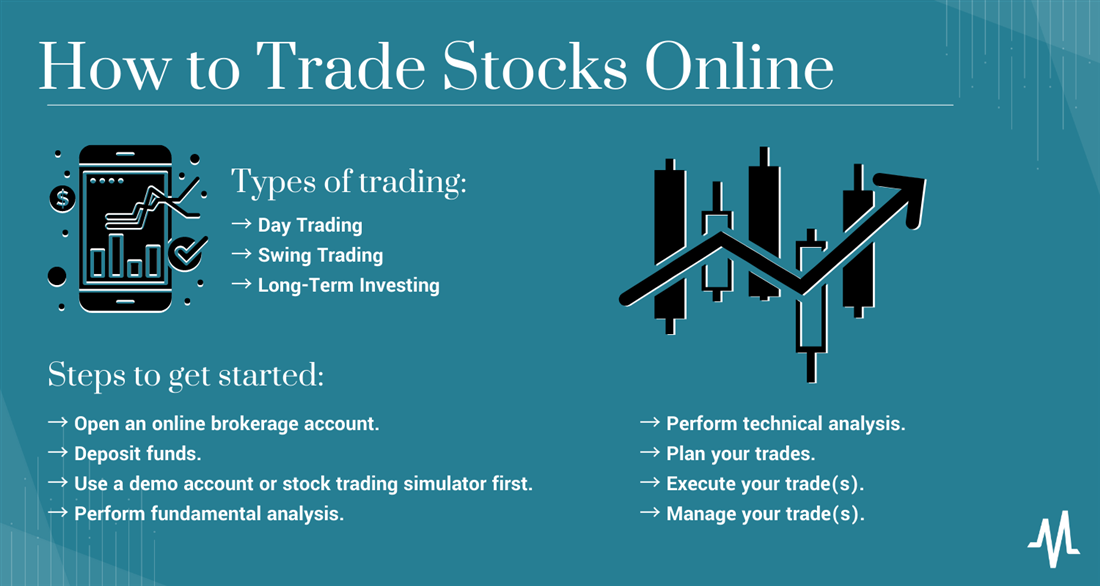
To trade effectively, one must have a methodology for selecting stocks. The two primary schools of thought in the financial world are fundamental analysis and technical analysis. While some traders specialize in one, the most successful online investors often use a hybrid approach.
Fundamental Analysis: Evaluating Business Health
Fundamental analysis involves looking at the underlying business. This is the “Money” side of trading—analyzing balance sheets, income statements, and cash flow. Key metrics include the Price-to-Earnings (P/E) ratio, which helps determine if a stock is overvalued or undervalued relative to its peers. Investors also look at debt-to-equity ratios to ensure the company is not over-leveraged and dividend yields for consistent income. In the online era, these documents are readily available through the SEC’s EDGAR database or directly within your brokerage’s research tab.
Technical Analysis: Reading the Tape
Technical analysis focuses on price action and volume. It operates on the premise that all known information is already reflected in the stock price and that prices move in recognizable patterns. Traders use tools like Moving Averages to identify trends and the Relative Strength Index (RSI) to determine if a stock is “overbought” or “oversold.” For the online trader, mastering charting software is a prerequisite. Recognizing “Support” and “Resistance” levels allows you to time your entries and exits with greater precision than simply guessing.
The Macroeconomic Overlay
Beyond individual stocks, online traders must keep an eye on the broader economic environment. Interest rate decisions by the Federal Reserve, inflation reports (CPI), and employment data can move the entire market regardless of an individual company’s performance. A professional trader integrates these macroeconomic signals into their strategy, perhaps by hedging their positions or moving to cash during periods of extreme economic uncertainty.
Portfolio Management and the Psychology of Wealth
The most difficult part of online trading isn’t the technology or the math; it’s the psychology. When your hard-earned money is on the line, the human brain is wired to make poor decisions driven by fear and greed.
Diversification and Asset Allocation
One of the most common mistakes in online trading is “concentration risk”—putting too much capital into a single stock or sector. A well-constructed portfolio is diversified across different industries, market caps, and even asset classes. For many, this includes a mix of individual stocks and Exchange-Traded Funds (ETFs). ETFs allow you to trade an entire index or sector (like technology or healthcare) as a single security, providing instant diversification and reducing the impact of a single company’s failure.
The Discipline of Position Sizing
Position sizing refers to how much of your total account you risk on a single trade. A common rule among professional money managers is to never risk more than 1% to 2% of your total portfolio on any one trade. This “risk-of-ruin” calculation ensures that even a string of several losses won’t wipe out your account. Online trading platforms often include calculators to help you determine the appropriate share count based on your stop-loss level and account size.
Managing the Emotional Cycle of Trading
The digital nature of online trading can make it feel like a video game, but the financial consequences are very real. “FOMO” (Fear Of Missing Out) often leads traders to buy at the peak of a bubble, while panic leads them to sell at the bottom of a correction. Maintaining a trading journal—a record of every trade, the reason you took it, and how you felt—is a powerful tool for self-improvement. By reviewing your journal, you can identify patterns of emotional decision-making and work to eliminate them, treating your trading as a business rather than a hobby.
Conclusion: The Path to Financial Proficiency
Trading stocks online is a journey of continuous education. The markets are dynamic, evolving with technological shifts, regulatory changes, and global events. For the individual investor, the key to longevity in the market is not finding a “get-rich-quick” algorithm, but rather developing a rigorous, repeatable process.
By choosing a robust brokerage, mastering the technicalities of order execution, performing diligent analysis, and maintaining strict psychological discipline, you can harness the power of the stock market to meet your long-term financial goals. In the world of online finance, the most valuable asset you have is not your capital, but your ability to manage it with wisdom and restraint.
aViewFromTheCave is a participant in the Amazon Services LLC Associates Program, an affiliate advertising program designed to provide a means for sites to earn advertising fees by advertising and linking to Amazon.com. Amazon, the Amazon logo, AmazonSupply, and the AmazonSupply logo are trademarks of Amazon.com, Inc. or its affiliates. As an Amazon Associate we earn affiliate commissions from qualifying purchases.