
The landscape of personal finance has undergone a seismic shift over the last decade. The days of balancing physical checkbooks and waiting in long queues at local bank branches are rapidly fading into obsolescence. Today, the core of financial management happens on glass screens—smartphones, tablets, and laptops. Online banking is no longer just a convenient feature; it is the primary engine of modern wealth management. Understanding how to navigate this digital ecosystem is essential for anyone looking to optimize their cash flow, secure their assets, and grow their net worth.

The Foundation: Selecting and Setting Up Your Digital Account
The first step in online banking is choosing a platform that aligns with your specific financial goals. Not all digital banking experiences are created equal, and the market is currently split between traditional brick-and-mortar institutions and “neobanks” or “challenger banks.”
Traditional Banks vs. Neobanks
Traditional institutions, such as Chase, Bank of America, or Wells Fargo, offer robust online portals paired with physical infrastructure. These are often best for individuals who occasionally require in-person services like safety deposit boxes or notary signatures. On the other hand, neobanks like Chime, Ally, or SoFi operate entirely online. Because they lack the overhead of physical branches, they often provide higher Annual Percentage Yields (APY) on savings and lower fee structures.
The Onboarding Process
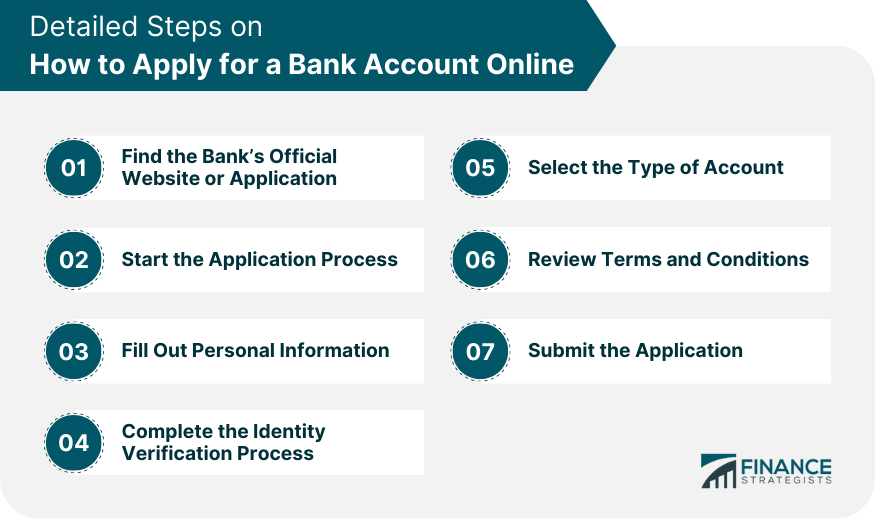
Once you have selected an institution, the onboarding process is typically handled via a mobile app or a secure website. You will need to provide standard identification, such as a Social Security number and a government-issued ID. During this phase, it is crucial to establish strong credentials. From a financial security perspective, your banking password should be unique—not shared with any other account—and ideally managed through a reputable password manager.
Linking External Accounts
The true power of online banking lies in connectivity. During setup, you should link your existing accounts. This is done through a process called “External Account Verification,” often facilitated by third-party services like Plaid. Linking accounts allows you to move money seamlessly between institutions, facilitating the “hub and spoke” model of personal finance where one central account manages distributions to various savings and investment vehicles.
Mastering the Mechanics: Transactions and Daily Operations
Once your account is live, the focus shifts to operational efficiency. Online banking offers a suite of tools designed to automate the mundane aspects of money management, allowing you to focus on high-level financial strategy.
Automated Bill Pay
One of the most effective ways to maintain a high credit score is through the consistent use of automated bill pay. Most online banking portals allow you to schedule payments for recurring expenses like utilities, rent, or mortgage payments. By setting these to “auto-pay,” you eliminate the risk of late fees and the subsequent negative impact on your credit report. From a psychological standpoint, this also reduces “decision fatigue” regarding your monthly obligations.
Remote Deposit Capture (RDC)
The ability to deposit physical checks via a smartphone camera—known as Remote Deposit Capture—is a cornerstone of digital banking. To do this effectively, ensure you have proper lighting and a dark, non-reflective background for the check. While this technology is highly reliable, it is a best practice to retain the physical check for at least 14 days after the digital deposit has cleared to ensure there are no processing errors.
Peer-to-Peer (P2P) Transfers
Digital banking has revolutionized how we share expenses. Most modern banking apps integrate services like Zelle, or allow for easy transfers to Venmo and Cash App. When using these tools, the primary financial rule is verification. Always double-check the recipient’s phone number or “handle,” as P2P transactions are often instantaneous and difficult to reverse. Using these features effectively allows for real-time reimbursement, keeping your personal ledger balanced without the delay of physical cash or checks.
Strategic Financial Management and Optimization
Beyond simple transactions, online banking serves as a sophisticated dashboard for financial analysis and growth. By leveraging the data provided by your bank, you can transform your banking app into a personal CFO.

Categorization and Spending Analysis
Most high-tier banking apps now include “Spend Analyzers” or “Budgeting Insights.” These tools use machine learning to categorize your transactions into buckets like “Food & Dining,” “Transportation,” or “Entertainment.” Reviewing these categories monthly is vital for identifying “lifestyle creep”—the tendency for discretionary spending to rise as income increases. By analyzing these trends, you can make data-driven decisions to cut unnecessary costs and reallocate those funds toward investments.
The Role of High-Yield Savings Accounts (HYSA)
In an online banking environment, your money should never sit idle in a zero-interest checking account. Successful financial managers often use online-only High-Yield Savings Accounts as an extension of their primary banking. These accounts often offer interest rates significantly higher than the national average. By setting up a recurring transfer from your main checking account to an HYSA on payday, you are practicing the “Pay Yourself First” principle, ensuring your emergency fund and long-term savings grow automatically.
Integrating with Third-Party Financial Tools
For a holistic view of your net worth, your online banking data should feed into comprehensive financial tools like Empower (formerly Personal Capital) or YNAB (You Need A Budget). These platforms aggregate your banking data with your brokerage accounts, retirement funds, and liabilities. This 360-degree view is essential for tracking your progress toward financial independence and ensuring your asset allocation remains balanced across all platforms.
Digital Security as Financial Risk Management
In the realm of money, security is not just a technical concern; it is a critical component of risk management. A breach in your online banking can lead to immediate capital loss and long-term credit damage.
Multi-Factor Authentication (MFA)
Enable Multi-Factor Authentication on every financial account you own. While SMS-based codes are common, they are vulnerable to “SIM swapping” attacks. For higher security, use an authenticator app (like Google Authenticator or Authy) or a physical hardware key. This adds a layer of protection that ensures even if your password is compromised, your funds remain inaccessible to unauthorized parties.
Recognizing and Avoiding Phishing
Financial institutions will never ask for your password or PIN via email or text message. “Phishing” is an attempt to steal your credentials by masquerading as a legitimate bank. Always navigate directly to your bank’s official website or app rather than clicking links in notifications. Furthermore, be wary of “vishing” (voice phishing), where scammers call posing as bank fraud departments to “verify” your account details.
The Importance of Secure Networks
Never access your online banking via public Wi-Fi (such as those in coffee shops or airports) without a Virtual Private Network (VPN). Public networks are susceptible to “Man-in-the-Middle” attacks, where hackers intercept the data flowing between your device and the bank’s servers. If a VPN is unavailable, it is safer to use your cellular data (LTE/5G), which provides a more secure, encrypted connection for financial transactions.
The Future of Online Banking: Leveraging Advanced Tools
As technology evolves, online banking is moving toward a more proactive, AI-driven model. Staying ahead of these trends can provide a competitive advantage in managing your wealth.
AI-Powered Financial Insights
Many banks are now implementing AI that can predict your future balance based on historical spending and upcoming bills. These tools can alert you if you are at risk of an overdraft or if your spending in a specific category is higher than usual. Embracing these insights allows for “predictive budgeting,” where you can adjust your behavior before a financial shortfall occurs.
Virtual Debit Cards and Security Tokens
To further protect your primary account, some online banks offer “Virtual Cards.” These are temporary card numbers generated for specific online purchases or recurring subscriptions. If a merchant’s database is hacked, your actual bank account remains safe because the virtual card can be instantly deleted and replaced. Using these for online shopping is a sophisticated way to compartmentalize financial risk.
The Integration of Crypto and Traditional Assets
We are seeing an increasing trend of traditional online banking platforms offering access to digital assets like Bitcoin or Ethereum. While these should be treated as speculative investments, the ability to view your “traditional” cash and “digital” assets in a single interface simplifies the management of a modern, diversified portfolio.
In conclusion, online banking is the most powerful tool in the modern consumer’s financial arsenal. By selecting the right platform, automating your operations, utilizing data for strategic budgeting, and maintaining rigorous security protocols, you can take full control of your financial destiny. The transition to digital banking is not merely a change in medium; it is an opportunity to manage your money with a level of precision, speed, and insight that was previously available only to professional wealth managers. Embracing these tools is the hallmark of a savvy, 21st-century investor.
aViewFromTheCave is a participant in the Amazon Services LLC Associates Program, an affiliate advertising program designed to provide a means for sites to earn advertising fees by advertising and linking to Amazon.com. Amazon, the Amazon logo, AmazonSupply, and the AmazonSupply logo are trademarks of Amazon.com, Inc. or its affiliates. As an Amazon Associate we earn affiliate commissions from qualifying purchases.