
The transition from a physical ticket to a digital boarding pass is one of the most significant transformations in the history of global travel. For the modern international traveler, the question of when check-in opens is often viewed through the lens of a mobile app notification or a countdown timer on a website. However, behind that simple interface lies a complex web of software architecture, real-time data processing, and international security protocols. Understanding when check-in opens for international flights requires a look at the sophisticated Passenger Service Systems (PSS) and the cloud-based infrastructure that dictates the rhythm of global aviation.
The Architecture of Automated Check-In Windows
In the digital era, the timing of a check-in window is rarely a manual decision made by a gate agent. Instead, it is a programmed event triggered by the airline’s core Passenger Service System (PSS). These massive database environments—dominated by industry giants like Amadeus, Sabre, and Navitaire—act as the central nervous system for an airline’s operations.
The Role of the PSS in Timing
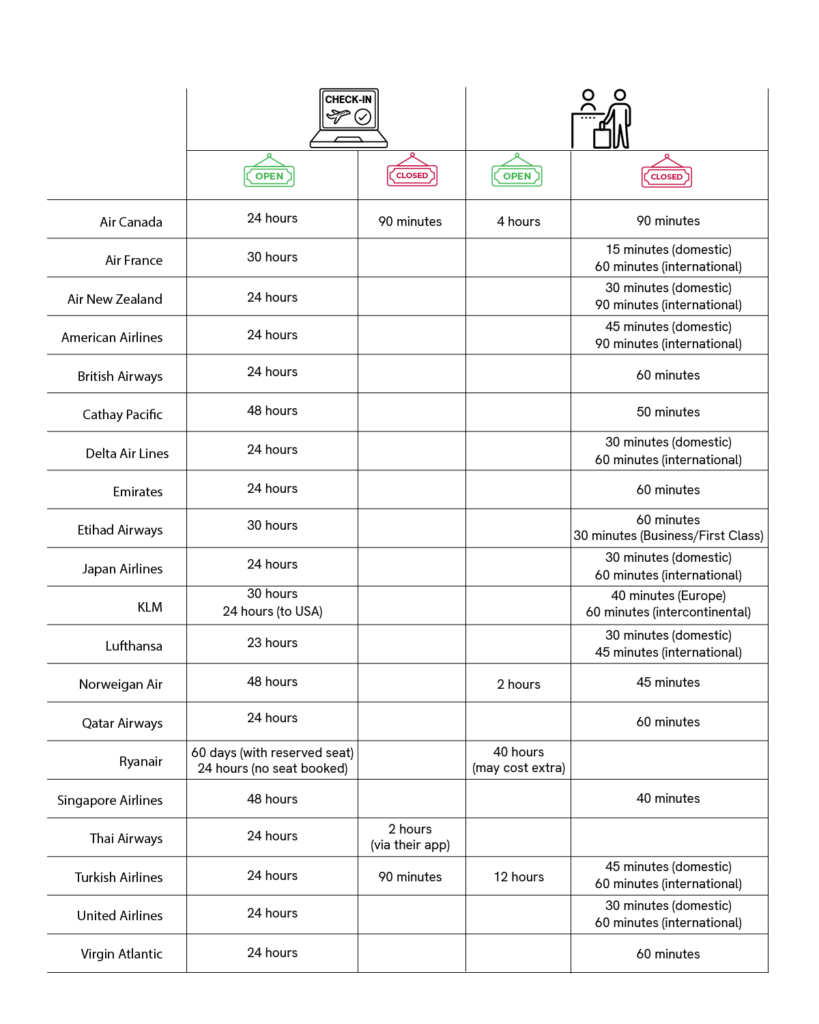
For the majority of international carriers, the standard window for online check-in opens exactly 24 hours before the scheduled departure time (SDT). Some premium carriers have pushed this to 48 or even 72 hours to ease server load and provide a better user experience. The PSS manages this by synchronizing the departure control system (DCS) with the reservation database. When the clock hits the designated millisecond, the system shifts the passenger’s status from “Confirmed” to “Open for Check-in,” enabling the API (Application Programming Interface) to accept data from the user-facing app or website.
API Latency and Synchronization
When a passenger asks why a check-in isn’t opening precisely at the 24-hour mark, the answer often lies in API synchronization. International flights involve codeshare agreements and multiple technical handshakes between different airline systems. If you are flying on a partner airline, the “parent” system must transmit the PNR (Passenger Name Record) data to the operating carrier’s system. Any latency in this data exchange can result in a delayed check-in window, a common technical hurdle in the interconnected world of global alliances like Star Alliance or SkyTeam.
Mobile App Integration and the User Experience (UX)
The mobile app has become the primary interface for international check-ins. The development of these apps involves intricate front-end design backed by robust cloud computing to handle the massive surge of traffic that occurs the moment a check-in window opens.
Push Notifications and Real-Time Alerts
Modern airline apps utilize Firebase Cloud Messaging (FCM) or Apple Push Notification service (APNs) to alert passengers the moment check-in is live. This isn’t just a convenience; it’s a strategy to distribute server load. By staggering notifications based on frequent flyer status or ticket class, airlines can prevent their servers from crashing under the weight of thousands of simultaneous requests. This “staggered release” is a common software engineering tactic used to maintain high availability for mission-critical systems.
Digital Document Verification via OCR
One of the biggest tech hurdles for international flights is the verification of travel documents. Unlike domestic flights, international travel requires passport and visa checks. Modern apps now integrate Optical Character Recognition (OCR) and Near Field Communication (NFC) technology. When you scan your passport with your smartphone, the app uses OCR to read the Machine Readable Zone (MRZ) and, in many cases, uses the phone’s NFC chip to read the biometric data stored within the passport’s e-chip. This data is then instantly validated against international databases, allowing the check-in window to proceed to the seat selection phase.
Security Protocols and Global Data Standards
The “when” of check-in is also dictated by the “what”—specifically, what data must be collected and verified before a boarding pass can be issued. For international travel, the Advanced Passenger Information System (APIS) is the regulatory backbone of the digital check-in process.
APIS and Regulatory Compliance
Governments require airlines to submit passenger data well in advance of departure. The digital check-in system serves as the primary collection point for this data. When you check in 24 hours early, the software is performing a real-time check against “No Fly” lists and visa waiver systems (like ESTA in the US or ETIAS in Europe). If the government’s API returns a “cleared” status, the airline’s system generates the digital boarding pass. If there is a data mismatch, the system is programmed to “inhibit” the boarding pass, requiring a manual document check at the airport kiosk.
Cybersecurity and PII Protection
Because check-in involves the transmission of Personally Identifiable Information (PII) and passport data, the digital infrastructure must adhere to strict cybersecurity standards, such as PCI-DSS for payments and GDPR for data privacy. The check-in window is a high-risk period for cyber-attacks, including credential stuffing and session hijacking. Secure Socket Layer (SSL) encryption and multi-factor authentication (MFA) within airline apps ensure that the data transmitted during that 24-hour window remains secure from malicious actors.
The Future of Zero-Touch Check-In and AI
As we look toward the next decade of travel technology, the traditional “check-in window” may become obsolete. We are moving toward a “Check-inless” future driven by Artificial Intelligence and the Internet of Things (IoT).
Biometric Identity and Continuous Authentication
The goal for tech-forward airlines is to replace the 24-hour check-in ritual with continuous authentication. Using facial recognition and biometric tokens, an airline’s system can theoretically check a passenger in the moment they enter the airport or even when they leave their home, provided their digital identity is verified on a blockchain-based platform. This “Seamless Travel” initiative, supported by IATA’s One ID project, aims to eliminate the need for manual data entry altogether.
Predictive Analytics for Resource Allocation
Airlines are increasingly using machine learning to predict when passengers are likely to check in and what their needs will be. By analyzing historical data, AI can predict seat upgrade trends or baggage check-in volumes. This allows the airline’s infrastructure to dynamically allocate server resources and staffing levels. For example, if data shows that 80% of passengers on a flight to London check in within the first ten minutes of the window opening, the cloud infrastructure (such as AWS or Azure) can auto-scale its compute power to ensure zero latency during that peak period.

The Convergence of Tech and Travel
The question of when check-in opens for international flights is a gateway into a sophisticated technological ecosystem. From the legacy PSS architectures that form the foundation of reservations to the cutting-edge biometric and OCR technologies in our pockets, every minute of the check-in window is governed by complex logic and global data standards.
For the traveler, it is a convenience; for the airline, it is a critical data-synchronization event that ensures safety, security, and operational efficiency. As AI and cloud computing continue to evolve, the “24-hour rule” will likely give way to more fluid, automated systems that prioritize the digital identity of the passenger over the manual entry of data. In this tech-driven future, the “check-in” will no longer be an action we perform, but a background process that happens seamlessly as we move through the digital and physical world.
aViewFromTheCave is a participant in the Amazon Services LLC Associates Program, an affiliate advertising program designed to provide a means for sites to earn advertising fees by advertising and linking to Amazon.com. Amazon, the Amazon logo, AmazonSupply, and the AmazonSupply logo are trademarks of Amazon.com, Inc. or its affiliates. As an Amazon Associate we earn affiliate commissions from qualifying purchases.