
Choosing the “best” car insurance is rarely a matter of identifying a single company that triumphs over all others in every category. In the realm of personal finance, the best insurance provider is the one that offers the optimal intersection of comprehensive coverage, financial stability, competitive pricing, and seamless claims processing tailored to an individual’s specific risk profile. Car insurance is not merely a legal requirement; it is a critical component of a robust financial plan designed to protect one’s assets from the volatility of unforeseen accidents and liabilities.
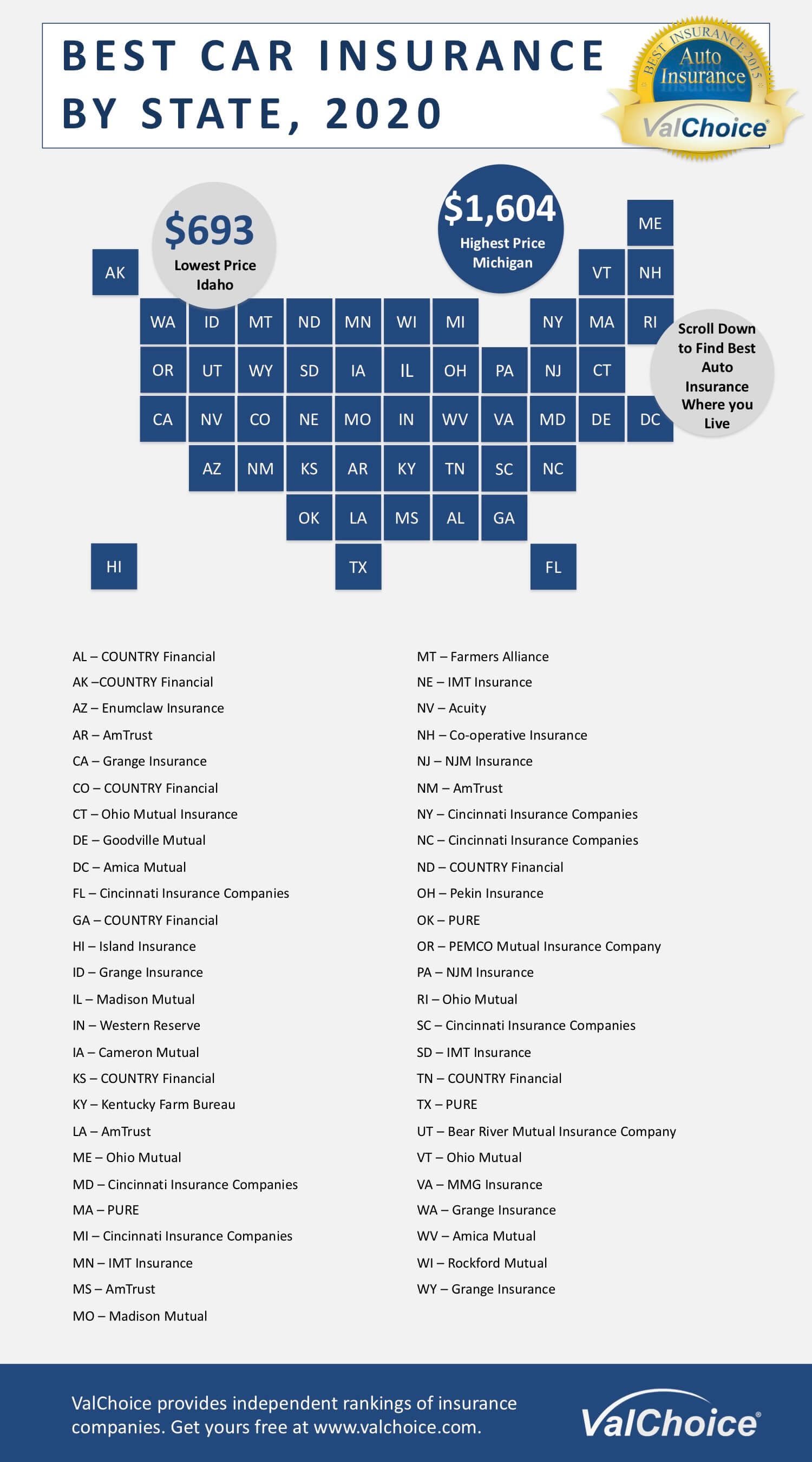
To determine which provider earns the title of the best, one must look beyond flashy marketing and catchy slogans. Instead, the focus should shift toward the underlying financial metrics, the breadth of policy options, and the company’s track record in wealth preservation for its policyholders.
The Financial Mechanics of Auto Insurance: Beyond the Monthly Premium
When evaluating car insurance through a financial lens, the primary objective is to balance the cost of the premium against the potential out-of-pocket expenses known as the deductible. A lower monthly premium may seem attractive from a cash-flow perspective, but if it comes at the cost of a high deductible or inadequate coverage limits, it can lead to financial catastrophe in the event of a total loss or a significant liability claim.
Premium vs. Deductible: Balancing Your Budget
The premium is the fixed cost of transferring risk to the insurance company. The deductible is the portion of a loss that the policyholder agrees to pay before the insurance coverage kicks in. From a financial planning standpoint, individuals with healthy emergency funds may opt for higher deductibles to lower their annual premiums. Conversely, those living on a tighter budget might prefer a higher premium in exchange for a lower deductible, ensuring that an accident does not result in an immediate financial crisis.
The Role of Credit Scores and Risk Assessment
In the United States, your financial history is often as important as your driving history. Actuaries use credit-based insurance scores to predict the likelihood of a policyholder filing a claim. Statistically, individuals with higher credit scores are seen as lower risk. Therefore, maintaining a strong financial profile is one of the most effective ways to secure the “best” rates. Understanding this link allows consumers to approach car insurance not just as a bill, but as an incentive for maintaining overall financial health.
Evaluating Top Contenders: Financial Stability and Market Leaders
While hundreds of companies offer auto insurance, a few consistently rise to the top based on their financial strength ratings and market share. Financial strength, often rated by agencies like A.M. Best or S&P Global, is a crucial metric; it indicates a company’s ability to pay out claims even during large-scale economic downturns or catastrophic events.
The Power of Market Giants: State Farm, Geico, and Progressive
State Farm currently holds the largest market share in the U.S., largely due to its massive network of local agents who provide personalized financial advice. For many, the “best” insurance involves having a human expert to navigate the complexities of a policy.
Geico, owned by Berkshire Hathaway, is often cited as the best for those prioritizing low premiums and digital ease. Its lean business model allows it to pass savings on to consumers, making it a favorite for budget-conscious drivers. Progressive, on the other hand, is a leader in data-driven pricing. Their Name Your Price tool and early adoption of telematics have made them a top choice for tech-savvy individuals looking for a customized financial fit.
Customer Satisfaction and the Claims Ecosystem
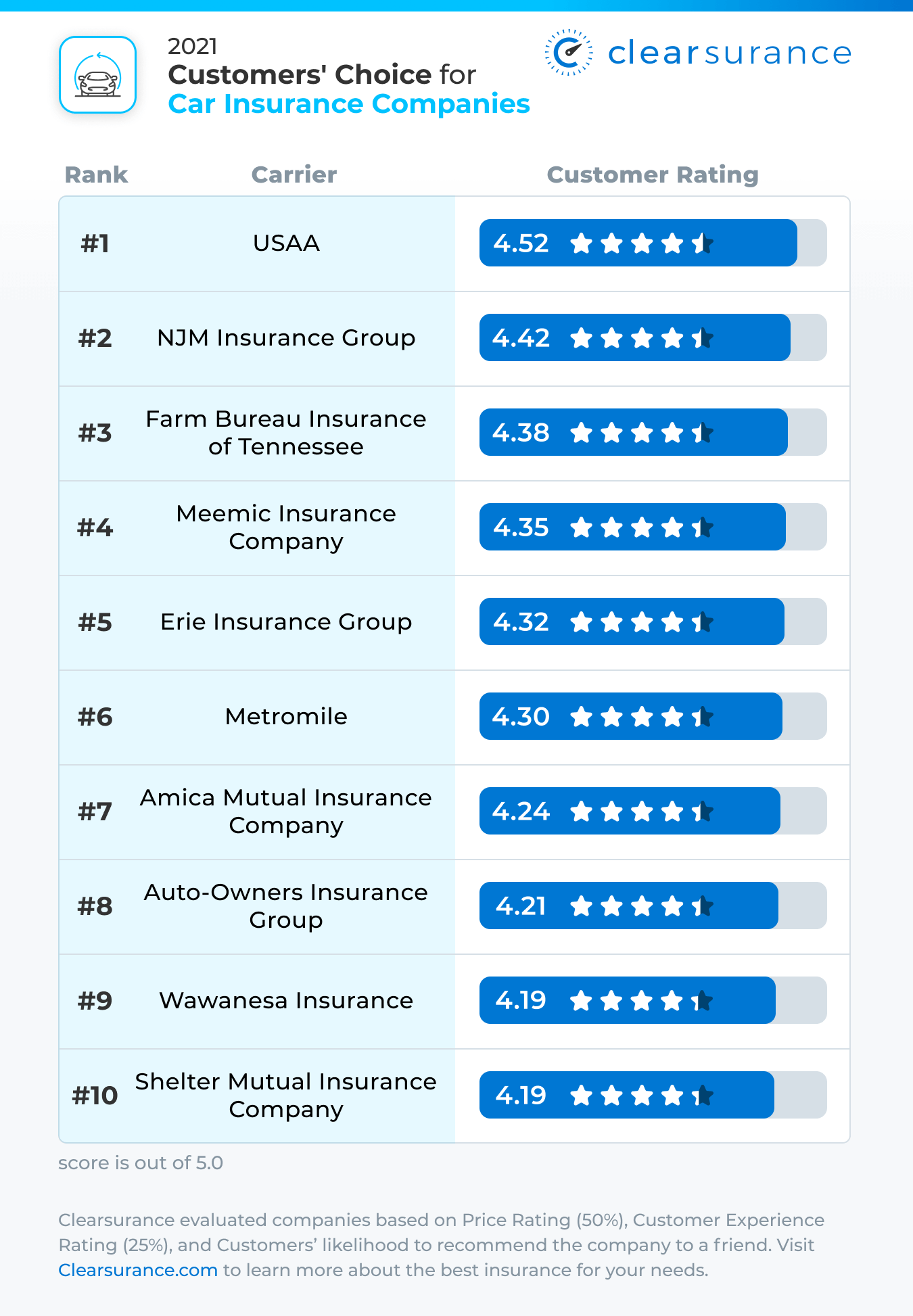
A policy is only as good as the claims experience it provides. According to J.D. Power studies, companies like USAA and Erie Insurance frequently outperform the giants in customer satisfaction. While USAA is restricted to military members and their families, its financial products are often considered the gold standard in the industry due to their high level of service and competitive dividend returns to policyholders. For those who qualify, USAA is almost objectively the “best” from a value-to-cost ratio.
Specialized Coverage for Different Financial Profiles
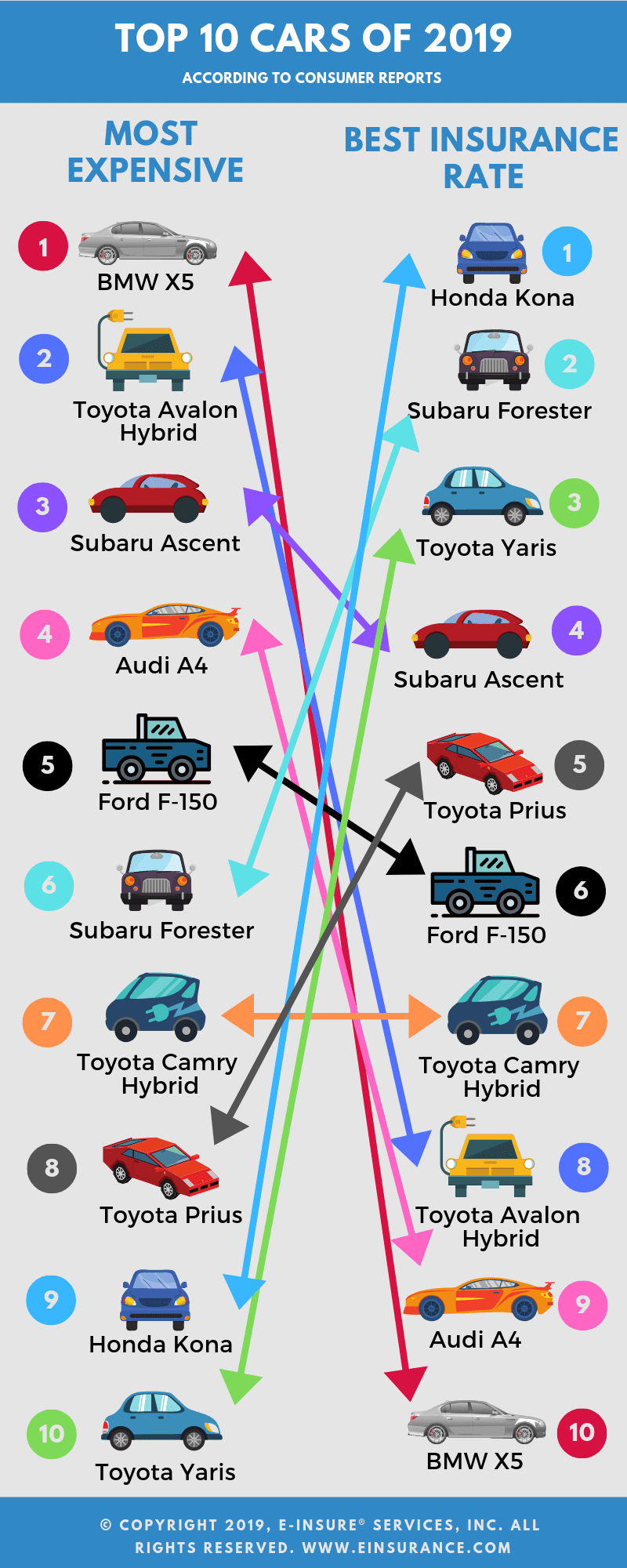
The best car insurance for a college student is drastically different from the best insurance for a high-net-worth individual. Financial protection must be scaled to match the assets that are at risk.
High-Net-Worth Individuals and Asset Protection
For those with significant assets—such as a home, retirement accounts, and investments—minimum liability coverage is a dangerous financial oversight. If an individual is at fault in a major accident, their personal assets can be targeted in a lawsuit. In this context, the best insurance provider is one that offers high liability limits and seamless integration with umbrella insurance policies. Companies like Chubb or PURE specialize in this niche, providing “white-glove” service and replacement cost coverage that exceeds the standard offerings of mass-market providers.
Budget-Conscious Drivers and Minimum Liability
For individuals focused on minimizing expenses while staying legal, the best insurance might be a regional provider or a digital-first startup like Root or Lemonade. These companies often use unconventional data points to offer lower rates to safe drivers. However, the financial trade-off here is often a lack of personalized service. From a money management perspective, the goal for these drivers should be to move toward more comprehensive coverage as their financial stability improves.
The Impact of Technology on Insurance Costs
The digital transformation of the insurance industry has introduced new ways to save money, most notably through telematics and usage-based insurance (UBI). This technology represents a shift from demographic-based pricing to behavior-based pricing.
Telematics: Paying for How You Drive
Programs like State Farm’s “Drive Safe & Save” or Progressive’s “Snapshot” allow the insurer to monitor driving habits—such as braking, speed, and time of day—via a smartphone app or a device plugged into the car. For cautious drivers, this can lead to discounts of up to 30% or more. From a personal finance perspective, telematics provides a rare opportunity to directly influence a fixed recurring cost through personal behavior.
The Rise of Insurtech
Newer companies are leveraging AI and machine learning to streamline the underwriting process, often resulting in lower overhead costs. While these companies offer competitive pricing, the “best” financial choice involves vetting their long-term viability. A company that is too aggressive with its pricing may struggle with claims solvency in the future. Therefore, savvy consumers should look for Insurtech firms that are backed by established reinsurance giants.
How to Conduct a Personal Insurance Audit
To find the best car insurance for your specific needs, you must treat the process as a formal financial audit. This should be done annually or whenever a major life event occurs, such as moving, buying a new vehicle, or improving your credit score.
Comparing Quotes and Re-evaluating Coverage
The “loyalty penalty” is a real phenomenon in the insurance industry. Many companies offer lower introductory rates to new customers while gradually increasing premiums for long-term policyholders. By shopping around every 12 months, you ensure that you are not paying more than the market rate.
During this audit, evaluate your coverage types:
-
Liability: Does it protect your current net worth?
-
Collision and Comprehensive: If your car is older, does the premium cost exceed the potential payout?
-
Uninsured/Underinsured Motorist: This is often the most undervalued financial protection, as it covers you when the at-fault party has no financial resources.
Maximizing Financial Incentives and Discounts
The best insurance is often the one that offers the most stacking discounts. Common financial incentives include:
-
Bundling: Combining home and auto insurance can save 10% to 25%.
-
Affinity Groups: Discounts for alumni associations, professional organizations, or certain employers.
-
Payment Methods: Paying the full six-month or annual premium upfront often eliminates administrative fees and provides a “paid-in-full” discount.
In conclusion, the “best” car insurance is not a static entity but a dynamic choice based on your current financial status, risk tolerance, and the assets you need to protect. By focusing on financial stability, leveraging technology for discounts, and matching coverage to your net worth, you can transform car insurance from a mandatory expense into a strategic financial tool. Whether it is a market leader like State Farm or a niche provider like USAA, the right choice is the one that provides peace of mind and secures your financial future against the unpredictability of the road.
aViewFromTheCave is a participant in the Amazon Services LLC Associates Program, an affiliate advertising program designed to provide a means for sites to earn advertising fees by advertising and linking to Amazon.com. Amazon, the Amazon logo, AmazonSupply, and the AmazonSupply logo are trademarks of Amazon.com, Inc. or its affiliates. As an Amazon Associate we earn affiliate commissions from qualifying purchases.