
Finding the best insurance prices is a cornerstone of sound personal finance management. For the average consumer, insurance often represents one of the largest recurring expenses after housing and taxes. However, the term “best” is rarely synonymous with “cheapest.” In the financial world, the best insurance price is the one that offers the optimal balance between affordable premiums, comprehensive coverage, and the financial stability of the provider.
The landscape of the insurance industry is vast, ranging from century-old legacy firms to lean, tech-driven startups. Because insurance pricing is based on complex actuarial data and individual risk profiles, there is no single company that is the cheapest for everyone. To navigate this market effectively, one must understand how different providers position themselves and how specific variables impact the final quote.
Analyzing the Top Contenders for Competitive Premiums
When looking for the best insurance prices, certain names consistently rise to the top of the list due to their scale, diversified risk pools, and efficient operations. By examining the major players, consumers can identify which company’s business model aligns with their financial goals.
The Efficiency of Geico and Progressive
Geico has long been recognized for its competitive pricing, largely due to its direct-to-consumer model. By minimizing the need for physical local agencies and focusing on digital interactions, Geico reduces its overhead costs, which it passes on to consumers in the form of lower premiums. They are particularly competitive for individuals with clean driving records and those who prefer managing their policies through a high-quality mobile app.
Progressive is another powerhouse often cited for its pricing transparency. They pioneered the “Name Your Price” tool and were early adopters of telematics through their Snapshot program. This usage-based insurance model allows drivers to pay based on their actual driving habits rather than just demographic statistics. For safe drivers, Progressive often offers some of the best prices in the market because they can prove they are a lower risk.
The Value Proposition of State Farm and Allstate
While often slightly higher in base price than direct insurers, companies like State Farm and Allstate provide value through extensive local agent networks and robust bundling discounts. For a consumer who owns a home, two cars, and an umbrella policy, the multi-policy discounts offered by these legacy insurers can often bring the total cost below what a “budget” insurer might offer for individual policies. State Farm, being a mutual company, is owned by its policyholders, which often translates into a long-term focus on value rather than short-term shareholder profits.
USAA: The Gold Standard for Eligibility
For those who qualify—active-duty military, veterans, and their families—USAA consistently offers what are widely considered the best insurance prices in the industry. Because they serve a specific, high-integrity demographic, their risk pools are often more predictable, allowing them to maintain lower rates and high customer satisfaction scores. In almost every regional study, USAA ranks at the top for both price and service quality.
Understanding the Determinants of Your Insurance Costs
To find the best price, a consumer must understand the mathematical levers that insurance companies pull. Pricing is not arbitrary; it is a reflection of the financial risk the company believes it is assuming by covering you.
The Role of Credit-Based Insurance Scores
In most states, your financial history is a primary factor in determining your insurance premium. Actuarial data suggests a strong correlation between financial responsibility and risk management. Individuals with higher credit scores typically receive significantly lower insurance quotes. Improving your credit score is often the most effective long-term strategy for securing the best insurance prices, as it signals to the insurer that you are a lower-risk client.
Geographical and Demographic Influences
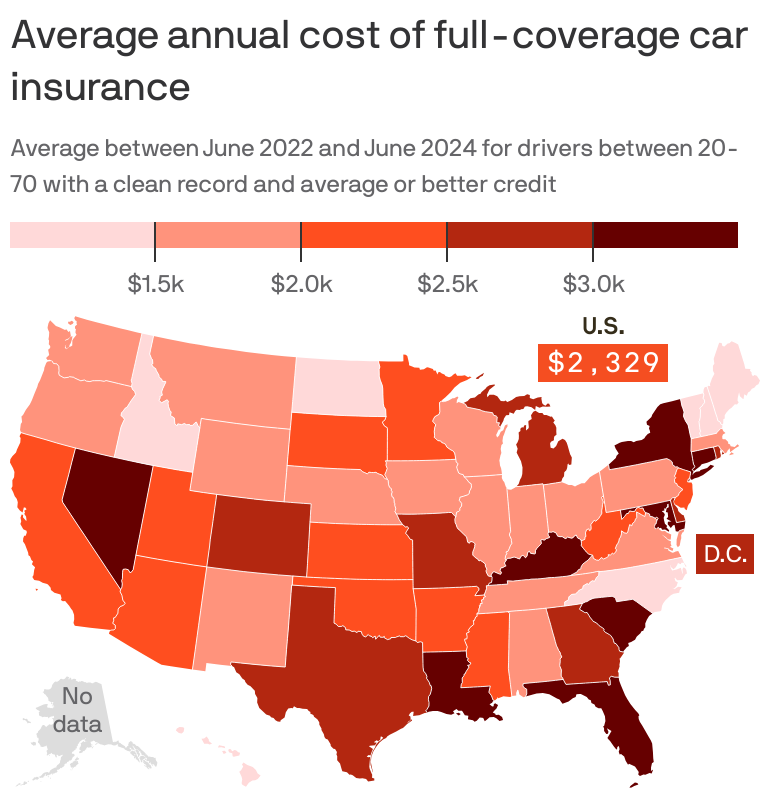
Where you live significantly impacts your premium. Insurance companies analyze ZIP-code level data to determine the frequency of accidents, theft, and natural disasters. A resident of a rural area with low traffic density will almost always find better prices than someone living in a high-crime urban center. Furthermore, demographics such as age and marital status play a role. Married couples are statistically less likely to file claims, leading to lower premiums, while young drivers under 25 face the highest prices due to their lack of experience and higher statistical likelihood of accidents.
Coverage Limits and Deductible Selection
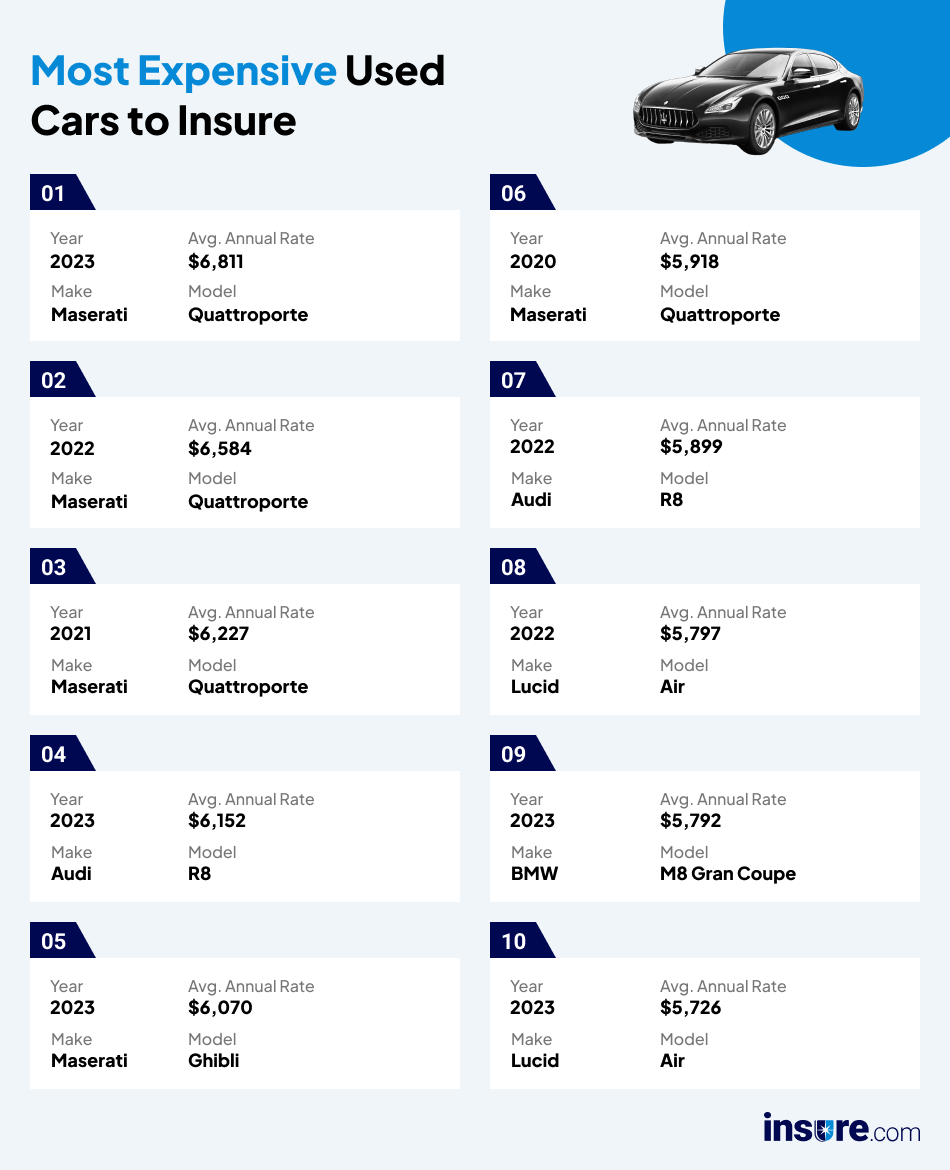
The structure of the policy itself is the most immediate way to influence the price. Choosing a higher deductible—the amount you pay out of pocket before insurance kicks in—lowers the premium because you are assuming more of the initial financial risk. However, this must be balanced against your emergency savings. A best-price strategy involves setting your deductible at the highest level you can comfortably afford to pay in the event of a sudden loss.
Strategic Ways to Reduce Your Insurance Burden
Securing the best price requires an active approach to policy management. Passive consumers often pay a “loyalty tax,” where their rates creep up over time while new customers are offered introductory discounts.
The Power of Bundling and Multi-Policy Discounts
One of the most effective financial moves is bundling different types of insurance under one roof. When you combine homeowners, auto, and life insurance with a single carrier, the administrative costs for the company decrease. They reward this loyalty with discounts that can range from 10% to 25% across all policies. This not only simplifies your financial life by centralizing payments but also significantly lowers the per-policy cost.
Utilizing Telematics and Usage-Based Insurance
The industry is shifting toward “Insurtech” solutions that reward actual behavior rather than group statistics. Programs that use plug-in devices or smartphone apps to track braking, acceleration, and mileage allow the insurer to price the policy with extreme precision. For low-mileage drivers or those who work from home, usage-based insurance often provides the best prices available because the policyholder is not subsidizing the risks taken by high-mileage commuters.
Professional and Affinity Discounts
Many insurers offer lower rates to members of specific professional organizations, alumni associations, or labor unions. Educators, engineers, healthcare workers, and government employees often have access to exclusive pricing tiers. Always inquire about affinity discounts, as these are rarely applied automatically and can result in substantial annual savings.
The Evolving Landscape of Home and Life Insurance Pricing
While auto insurance is the most frequently shopped category, home and life insurance prices follow different but equally important economic patterns.
Homeowners Insurance and Risk Mitigation
For homeowners, the best prices are found by those who proactively mitigate risk. Installing smart home technology, such as water leak detectors, monitored security systems, and fire suppression tools, can lead to immediate premium credits. Additionally, the age and condition of a home’s primary systems—roof, electrical, and plumbing—are critical. Investing in a newer roof or modernizing electrical panels can pay for itself over time through significantly lower insurance premiums.
Life Insurance: The Cost of Waiting
In life insurance, the “best” price is almost always the one you lock in today. Age and health are the primary drivers of life insurance costs. For those seeking to build a financial safety net for their family, term life insurance offers the most affordable way to secure high coverage amounts. Unlike permanent life insurance, which builds cash value but comes with high management fees, term life focuses strictly on the death benefit, making it the most cost-effective tool for wealth protection during one’s peak earning years.
Leveraging Technology and Comparison Tools for Maximum Savings
In the digital age, the manual process of calling individual agents is largely obsolete. To find the best insurance prices, one must leverage modern financial tools and aggregation platforms.
The Rise of Aggregator Sites
Comparison engines allow consumers to enter their data once and receive dozens of quotes from competing insurers. These tools have democratized insurance pricing, making it easier to spot outliers and identify which companies are currently hungry for new business in specific regions. However, it is essential to ensure that the quotes are comparing “apples to apples” regarding coverage limits and exclusions.
The Value of Independent Agents
While direct-to-consumer sites are excellent for simple policies, independent insurance agents remain a vital resource for complex financial portfolios. Unlike “captive” agents who work for a single company, independent agents represent multiple carriers. They can shop your profile across their entire network to find the best price, often accessing specialized markets or regional insurers that do not advertise nationally. For business owners or individuals with high net worth, this professional oversight is crucial to ensuring that the “best price” doesn’t come at the cost of dangerous gaps in coverage.

Regular Financial Audits
The best insurance price is not a static figure. As your life changes—you get married, buy a home, pay off a car, or improve your credit—your risk profile changes. Financial experts recommend reviewing all insurance policies at least once a year or whenever a major life event occurs. This ensures that you are always taking advantage of the most current discounts and that your coverage aligns with your current asset base.
In conclusion, finding the best insurance prices is a multifaceted endeavor that requires a combination of maintaining a strong financial profile, choosing the right coverage structures, and utilizing both technology and professional expertise to shop the market. By understanding the underlying mechanics of insurance pricing, consumers can move beyond simply looking for the lowest number and instead build a comprehensive protection plan that offers true financial value.
aViewFromTheCave is a participant in the Amazon Services LLC Associates Program, an affiliate advertising program designed to provide a means for sites to earn advertising fees by advertising and linking to Amazon.com. Amazon, the Amazon logo, AmazonSupply, and the AmazonSupply logo are trademarks of Amazon.com, Inc. or its affiliates. As an Amazon Associate we earn affiliate commissions from qualifying purchases.