
Finding the best cheap auto insurance is a critical component of a robust personal finance strategy. For most households, car insurance represents a significant recurring expense that can fluctuate wildly based on provider algorithms, local regulations, and individual risk profiles. However, the term “cheap” is often a misnomer in the world of finance; the goal is not merely to find the lowest premium, but to secure the highest value. This means obtaining the necessary coverage to protect your assets while paying the absolute minimum required to maintain that safety net.
When evaluating the market for affordable coverage, it is essential to look beyond the marketing slogans. The best cheap auto insurance is a blend of financial stability, customer service reliability, and competitive pricing. For a driver looking to optimize their monthly budget, understanding the mechanics of insurance pricing is the first step toward significant long-term savings.
Top Providers for High-Value, Low-Cost Coverage
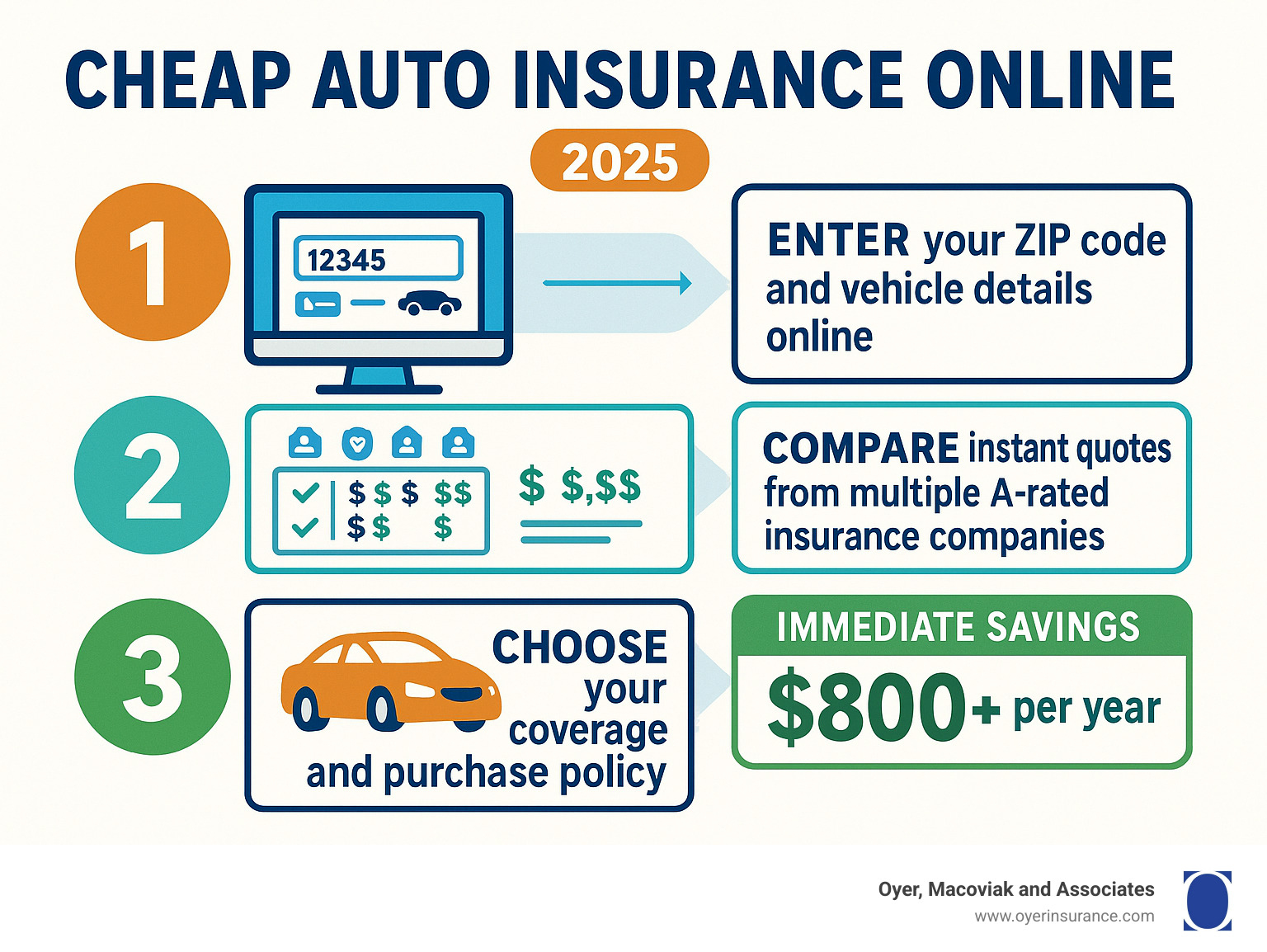
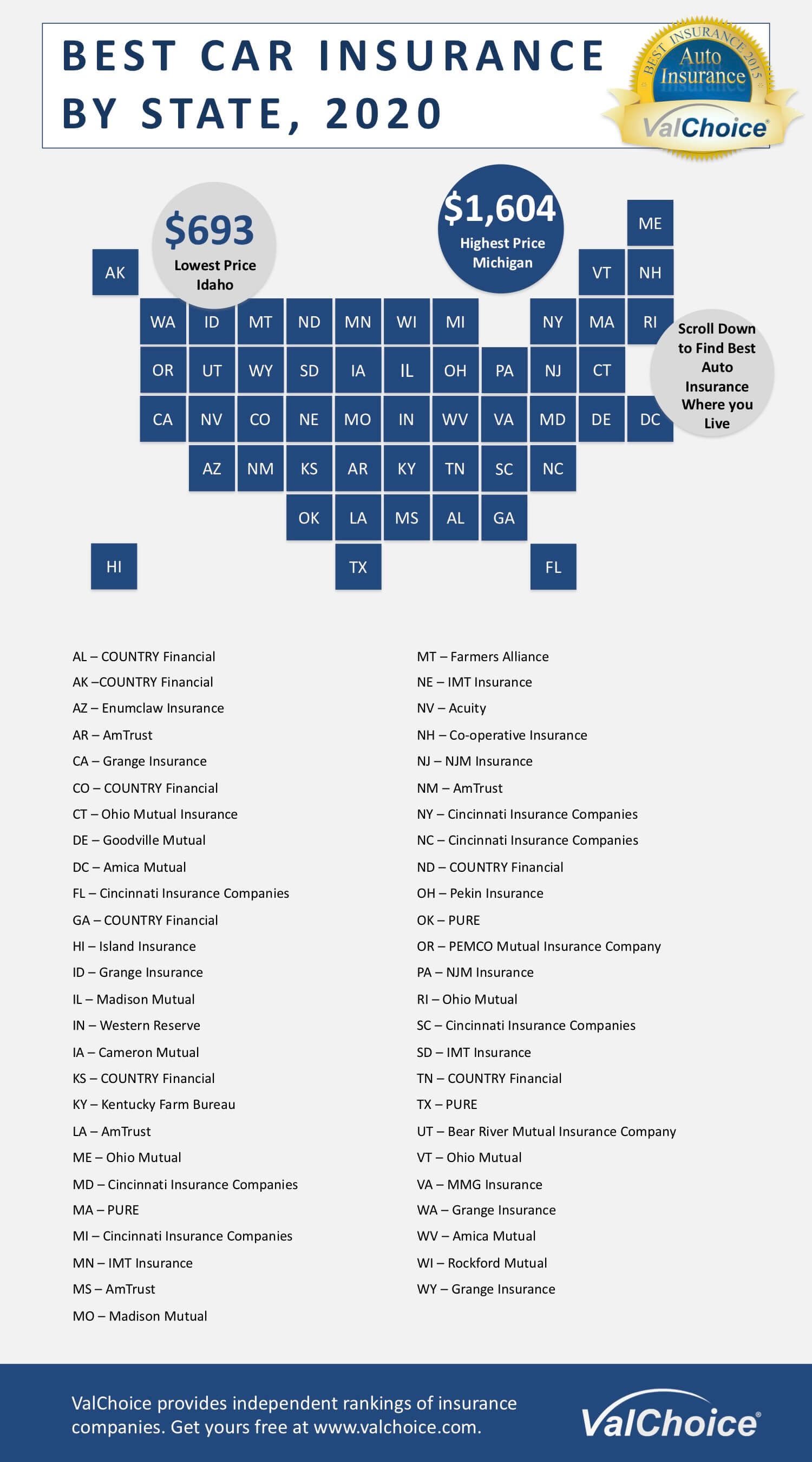
The insurance landscape is dominated by several key players who utilize economies of scale to offer competitive rates. While local and regional insurers can sometimes undercut the giants, the following national providers consistently rank high for those seeking the best balance of price and protection.
Geico: The Efficiency Leader
Geico has built its brand on the promise of lower rates, and for many demographics, it delivers. By utilizing a direct-to-consumer model and investing heavily in digital infrastructure, Geico keeps overhead low. Financial analysts often point to Geico’s low expense ratio as the primary reason they can offer such competitive premiums. They are particularly strong for drivers with clean records who prefer managing their policies through a high-functioning mobile app rather than a dedicated local agent.
State Farm: The Value of Local Expertise
While Geico thrives on digital efficiency, State Farm remains the largest property and casualty insurer in the United States by leveraging a massive network of local agents. For many, the “best” insurance is one that offers personalized financial advice. State Farm often competes aggressively on price when a consumer bundles their auto insurance with homeowners or renters policies. Their “Steer Clear” and “Drive Safe & Save” programs allow proactive drivers to further reduce their rates through demonstrated safe habits.
USAA: Unmatched Value for the Military Community
If you or an immediate family member have served in the military, USAA is almost consistently the gold standard for cheap, high-quality insurance. Because USAA is a member-owned association, its financial incentives are aligned with its policyholders rather than external shareholders. This often results in the lowest premiums in the industry coupled with the highest customer satisfaction ratings. From a wealth-management perspective, the dividends sometimes returned to members make the effective cost of coverage even lower.
Progressive: The Choice for High-Risk and Snapshot Users
Progressive was a pioneer in using telematics—technology that tracks driving habits—to determine rates. For drivers who are confident in their safety habits but perhaps fall into a higher-risk demographic (such as younger drivers), Progressive’s “Snapshot” program can lead to substantial discounts. They are also known for being one of the more affordable options for drivers with a less-than-perfect record, including those with a prior accident or speeding ticket.
Strategies to Optimize Your Insurance Premiums
Securing the best price for auto insurance is not a passive activity. It requires a proactive approach to managing your financial profile and understanding the levers that influence insurance costs.
The Impact of Credit Scores on Premiums
In most states, your credit-based insurance score is a major factor in determining your premium. Actuarial data suggests a strong correlation between credit responsibility and driving safety. From a money management standpoint, improving your credit score by 50 to 100 points can sometimes result in more savings on your auto insurance than shopping around for a new provider would. This makes credit health a dual-purpose tool for lowering both interest rates and insurance costs.
Strategic Deductible Management
One of the fastest ways to lower a monthly premium is to increase the deductible. However, this must be done with a clear understanding of your emergency fund. If you have a $1,000 deductible, you must ensure that your liquid savings can cover that amount at any time. By moving from a $250 deductible to a $1,000 deductible, a policyholder can often save 15% to 30% on their comprehensive and collision premiums. This is a classic example of self-insuring for small losses to save on fixed monthly costs.
Maximizing Available Discounts
Insurers offer a plethora of discounts that often go unclaimed. These include:
-
Multi-Policy Discounts: Bundling auto with home, life, or umbrella insurance.
-
Safety Feature Discounts: Equipping a vehicle with anti-theft devices, lane-assist, and advanced braking systems.
-
Professional and Academic Discounts: Many insurers offer lower rates to engineers, teachers, or students with a high GPA (the “Good Student Discount”).
-
Payment Discounts: Paying the full six-month or annual premium upfront rather than monthly usually eliminates installment fees and may trigger a “paid-in-full” discount.
The Role of Vehicle Selection in Insurance Costs
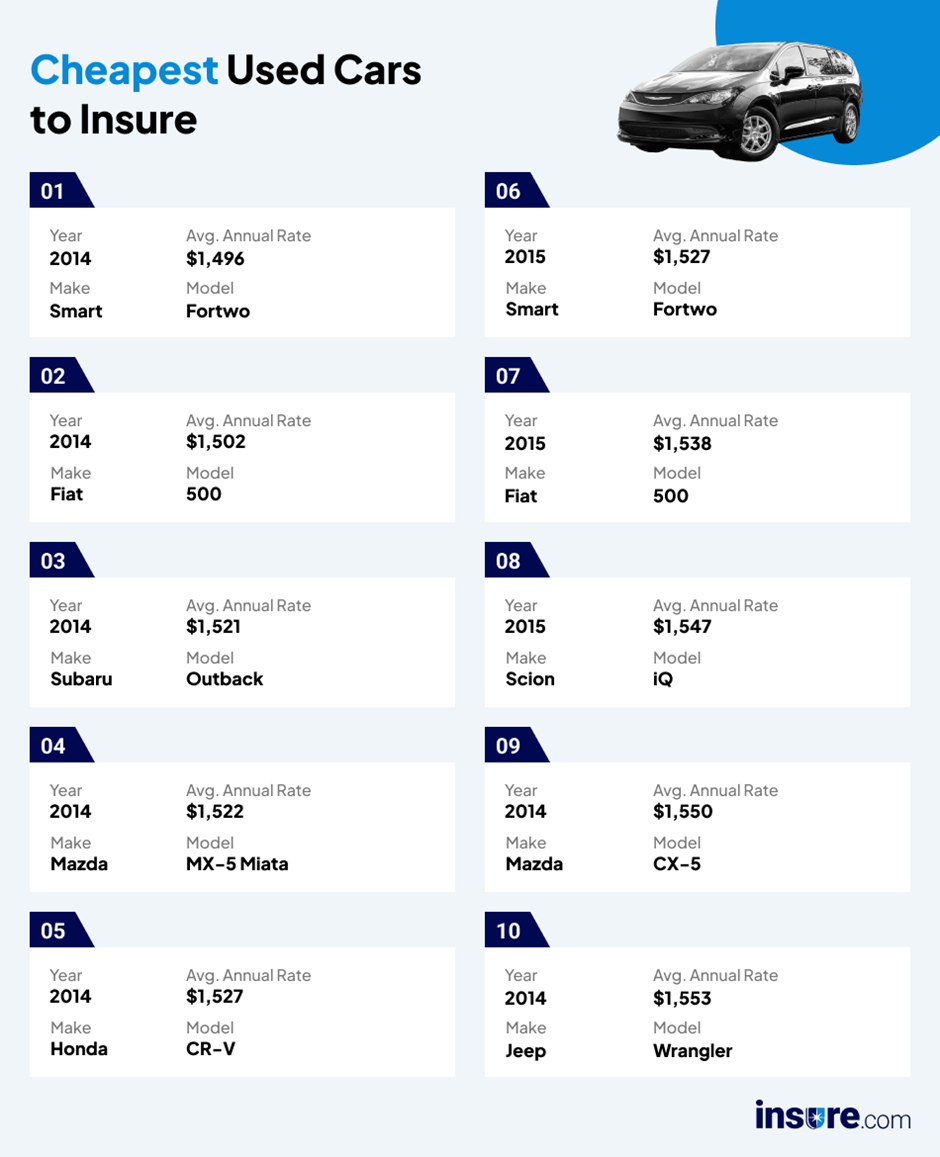
When people calculate the cost of a new vehicle, they often focus on the monthly loan payment and fuel efficiency. However, the insurance premium is a “hidden” cost of ownership that can vary by thousands of dollars depending on the make and model.
Understanding Loss Ratios by Model
Insurers look at historical data regarding how much it costs to repair a specific vehicle and how likely that vehicle is to be involved in a high-cost claim. A “cheap” car is not always cheap to insure. For example, a high-performance sports car with a fiberglass body may be relatively inexpensive to buy used, but the insurance costs will be astronomical due to the high cost of specialized repairs and the statistical likelihood of high-speed accidents.
Safety Ratings and Theft Statistics
Vehicles that consistently earn “Top Safety Pick” ratings from the Insurance Institute for Highway Safety (IIHS) generally command lower premiums. Conversely, vehicles that appear frequently on “Most Stolen” lists—often certain older models of mid-sized sedans—will see higher rates for comprehensive coverage. If your goal is the lowest possible total cost of ownership, researching insurance quotes before purchasing a vehicle is an essential financial move.
Navigating the Trade-off Between Price and Protection
The danger of searching exclusively for “cheap” insurance is the risk of being under-insured. In the world of personal finance, an uninsured or under-insured loss is one of the most common catalysts for bankruptcy or long-term financial instability.
The Hidden Cost of State Minimums
Every state requires a minimum amount of liability insurance, but these limits are often woefully inadequate. For example, a state might require $25,000 in bodily injury liability. If you are at fault in an accident that results in a serious injury, the medical bills could easily exceed $100,000. In such a scenario, your assets—including your home and future wages—could be at risk to cover the remaining $75,000. The “best” cheap insurance is one that includes enough liability coverage (typically recommended at 100/300/100) to protect your net worth.
The Necessity of Uninsured Motorist Coverage
Statistically, a significant percentage of drivers on the road are either uninsured or carry only the bare minimum. Adding Uninsured/Underinsured Motorist (UM/UIM) coverage is a low-cost addition to most policies that provides an immense amount of financial security. It ensures that if you are hit by someone who cannot pay for your medical bills or car repairs, your own insurance company steps in to fill the gap.
Considering Gap Insurance
For those who have financed a vehicle with a low down payment, “Gap Insurance” is a vital tool. Because vehicles depreciate the moment they leave the lot, you may owe more on your loan than the car is actually worth. If the car is totaled, a standard “cheap” policy will only pay the actual cash value, leaving you to pay the difference to the lender out of pocket. Many high-value insurers offer gap coverage for a nominal fee, which is much more cost-effective than buying it through a car dealership.
Conclusion: A Continuous Review Process
The best cheap auto insurance today may not be the best option two years from now. Life changes—getting married, buying a home, moving to a new zip code, or aging into a different risk bracket—all trigger changes in how insurers view your profile.
To maintain an optimized financial plan, consumers should shop their insurance every 12 to 24 months. Using comparison tools and working with independent agents who can quote multiple carriers ensures that you are always positioned at the intersection of low cost and high security. By viewing auto insurance not just as a bill, but as a strategic asset-protection tool, you can ensure that your search for the “best cheap insurance” yields a result that supports your broader financial goals.
aViewFromTheCave is a participant in the Amazon Services LLC Associates Program, an affiliate advertising program designed to provide a means for sites to earn advertising fees by advertising and linking to Amazon.com. Amazon, the Amazon logo, AmazonSupply, and the AmazonSupply logo are trademarks of Amazon.com, Inc. or its affiliates. As an Amazon Associate we earn affiliate commissions from qualifying purchases.