
In the realm of personal finance, few recurring expenses are as significant—or as misunderstood—as car insurance. For many households, insurance premiums represent a substantial portion of the annual budget, yet the process of shopping for coverage is often approached with a sense of dread or indifference. However, mastering the art of comparing car insurance quotes is a critical financial skill. It is not merely about finding the lowest monthly premium; it is about optimizing your risk management strategy to protect your assets while ensuring you are not overpaying for coverage you do not need.
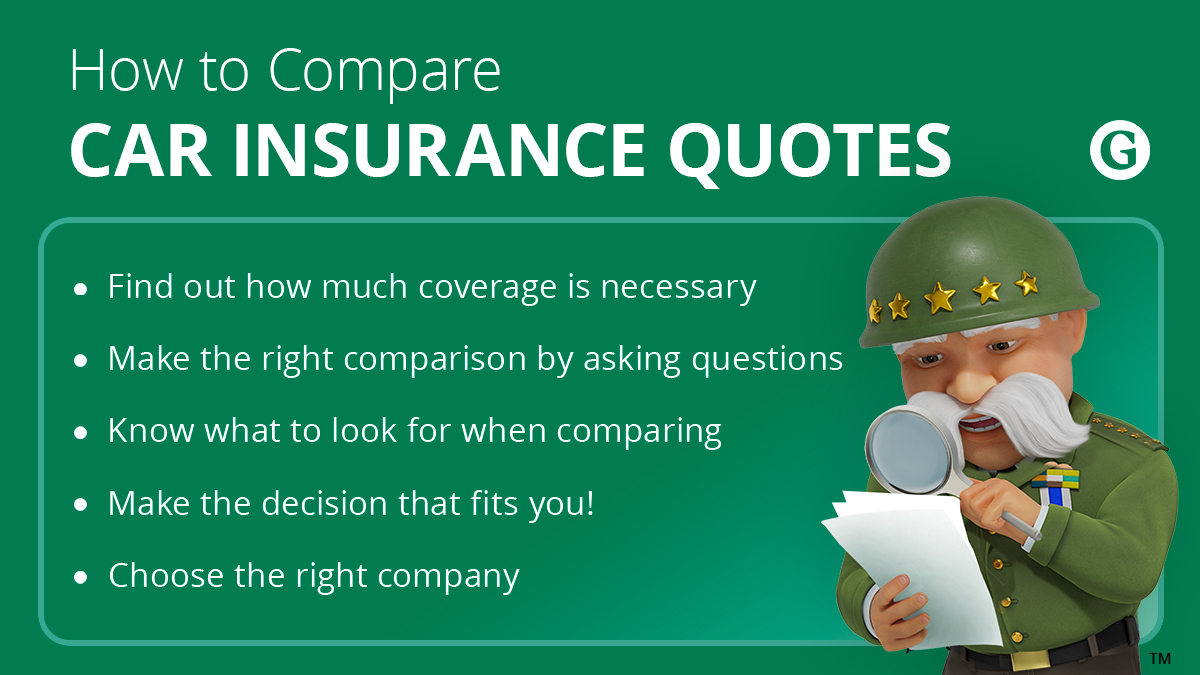
Navigating the complex landscape of actuary-driven pricing requires a systematic approach. By understanding the underlying financial mechanisms of insurance and leveraging the right comparison strategies, you can secure a policy that offers the ideal balance of protection and affordability.
Understanding the Financial Fundamentals of Auto Insurance
Before you can effectively compare quotes, you must understand the components that make up a policy. Car insurance is essentially a risk-transfer mechanism. You pay a premium to an insurance company, and in exchange, they assume the financial burden of potential catastrophic losses. To compare quotes accurately, you must ensure you are looking at “apples-to-apples” coverage limits across different providers.
The Core Pillars of Coverage
Every quote you receive will be broken down into several types of coverage. The most common include:
-
Liability Coverage: This is the most critical component from a personal finance perspective. It protects your assets if you are found at fault in an accident. It is usually split into bodily injury liability and property damage liability. When comparing quotes, look for the numerical limits (e.g., 100/300/100).
-
Collision Coverage: This pays for damage to your own vehicle resulting from a collision, regardless of fault.
-
Comprehensive Coverage: This covers non-collision events, such as theft, vandalism, fire, or “acts of God” like hailstorms.
-
Uninsured/Underinsured Motorist Coverage: This protects you if you are hit by a driver who lacks sufficient insurance to cover your damages.
The Role of Deductibles in Your Financial Plan
The deductible is the amount you agree to pay out-of-pocket before the insurance company steps in. In the world of finance, the deductible is a tool used to manage your premium costs. Generally, a higher deductible leads to a lower premium. When comparing quotes, experiment with different deductible levels. If you have a robust emergency fund, opting for a $1,000 deductible instead of $500 can save you significant money over the life of the policy. However, this only makes sense if you can comfortably afford the higher out-of-pocket cost in the event of a claim.
Gathering the Necessary Data for Accurate Pricing
Insurance companies use complex algorithms to determine your risk profile. To get accurate quotes that won’t fluctuate once you reach the underwriting stage, you need to provide precise information. Discrepancies in the data you provide can lead to “premium shock” later on.
Personal and Vehicle Information
You will need your Vehicle Identification Number (VIN) for every car you intend to insure. The VIN allows insurers to see the specific safety features and repair costs associated with your exact model. You should also have your current policy’s “Declarations Page” handy. This document summarizes your current coverage levels and serves as the baseline for your comparison.
Driving History and Credit-Based Insurance Scores
Your driving record is a primary driver of cost. Be prepared to disclose any accidents or moving violations from the last three to five years. Furthermore, in many states, insurance companies use “credit-based insurance scores.” Actuarial data suggests a correlation between credit management and insurance risk. If you have been working on improving your credit score, you may find that your insurance rates drop significantly, making it a perfect time to compare new quotes.
Annual Mileage and Usage
Be realistic about how much you drive. A vehicle used for a 50-mile daily commute carries more risk than one used for weekend errands. Many insurers now offer “usage-based insurance” (UBI) programs that use telematics to track your driving habits. If you are a low-mileage or safe driver, these programs can offer substantial discounts that traditional quotes might miss.
The Strategic Process of Side-by-Side Comparison
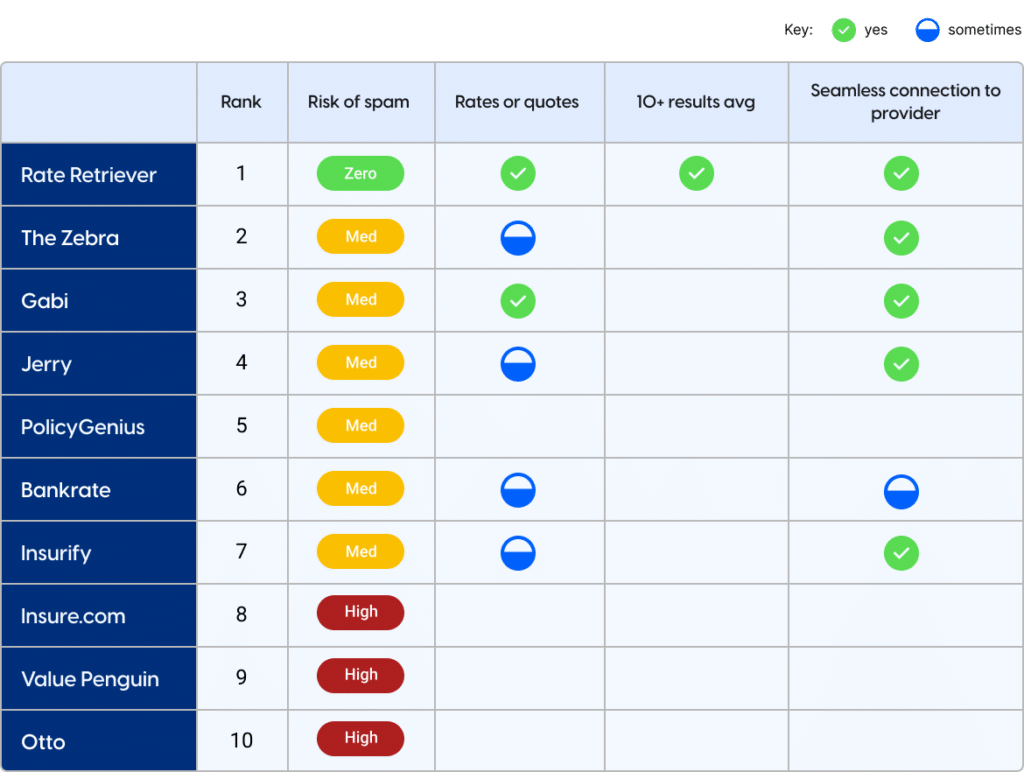
Once you have gathered your data and defined your coverage needs, the actual comparison process begins. The goal is to evaluate not just the price, but the financial stability and service quality of the insurer.
Standardizing Coverage Limits
When using comparison websites or talking to agents, insist on the same limits for every quote. If Company A quotes you for $50,000 in property damage and Company B quotes you for $100,000, the price difference is meaningless. Standardize your requirements across liability, collision, comprehensive, and medical payments. This is the only way to identify which company truly offers the most competitive rate for your specific risk profile.
Evaluating Financial Strength Ratings
A low premium is worthless if the company lacks the financial liquidity to pay out a large claim. Before committing to a provider, check their financial strength ratings through independent agencies like A.M. Best, Moody’s, or Standard & Poor’s. These agencies grade insurers on their ability to meet their ongoing insurance policy and contract obligations. Aim for companies with an “A” rating or higher to ensure your financial protection is secure.
Assessing Customer Service and Claims Reputation
Price is a factor, but the “claims experience” is the product you are actually buying. Research consumer satisfaction surveys from organizations like J.D. Power. A company that is difficult to reach or slow to process claims can cost you more in time, stress, and out-of-pocket expenses than the money you saved on the monthly premium.
Uncovering Hidden Discounts and Reducing Premium Costs
The quoted price is rarely the final price. Most insurers offer a suite of discounts that can significantly alter the financial math of a policy. During the comparison process, proactively ask about these opportunities.
Multi-Policy and Multi-Vehicle Discounts
One of the most effective ways to lower your car insurance cost is “bundling.” If you carry homeowners, renters, or life insurance with the same provider, you can often save 10% to 25% across all policies. When comparing quotes, always ask for a bundled rate if you have other insurance needs. Similarly, insuring multiple vehicles under one policy is almost always more cost-effective than separate policies.
Professional and Academic Discounts
Many insurers offer discounts based on your affiliations. This can include:
-
Alumni Associations: Graduates of certain universities may qualify for group rates.
-
Professional Groups: Engineers, educators, scientists, and members of the military often receive specialized pricing.
-
Good Student Discounts: If you are insuring a young driver, maintaining a “B” average or higher can lead to substantial savings, as insurers view high-achieving students as more responsible risks.
Safety and Security Features
Your car’s technology can also save you money. Anti-theft devices, lane-departure warnings, and automatic emergency braking systems reduce the likelihood of a claim. Ensure that every quote you receive accounts for the specific safety tech installed in your vehicle.
Leveraging Technology and Financial Tools for the Best Rate
The digital age has transformed how we shop for financial products. You are no longer limited to calling local agents or visiting individual carrier websites.
Comparison Engines vs. Captive Agents
There are two primary ways to gather quotes: using online comparison engines or working with agents. Online comparison tools allow you to input your data once and receive quotes from dozens of carriers. This is highly efficient for getting a broad view of the market.
However, don’t overlook “independent agents.” Unlike “captive agents” who work for a single company (like State Farm or GEICO), independent agents represent multiple insurers. They can often access “broker-only” markets and provide professional advice on how to structure your policy for maximum asset protection.
The Importance of Periodic Reviews
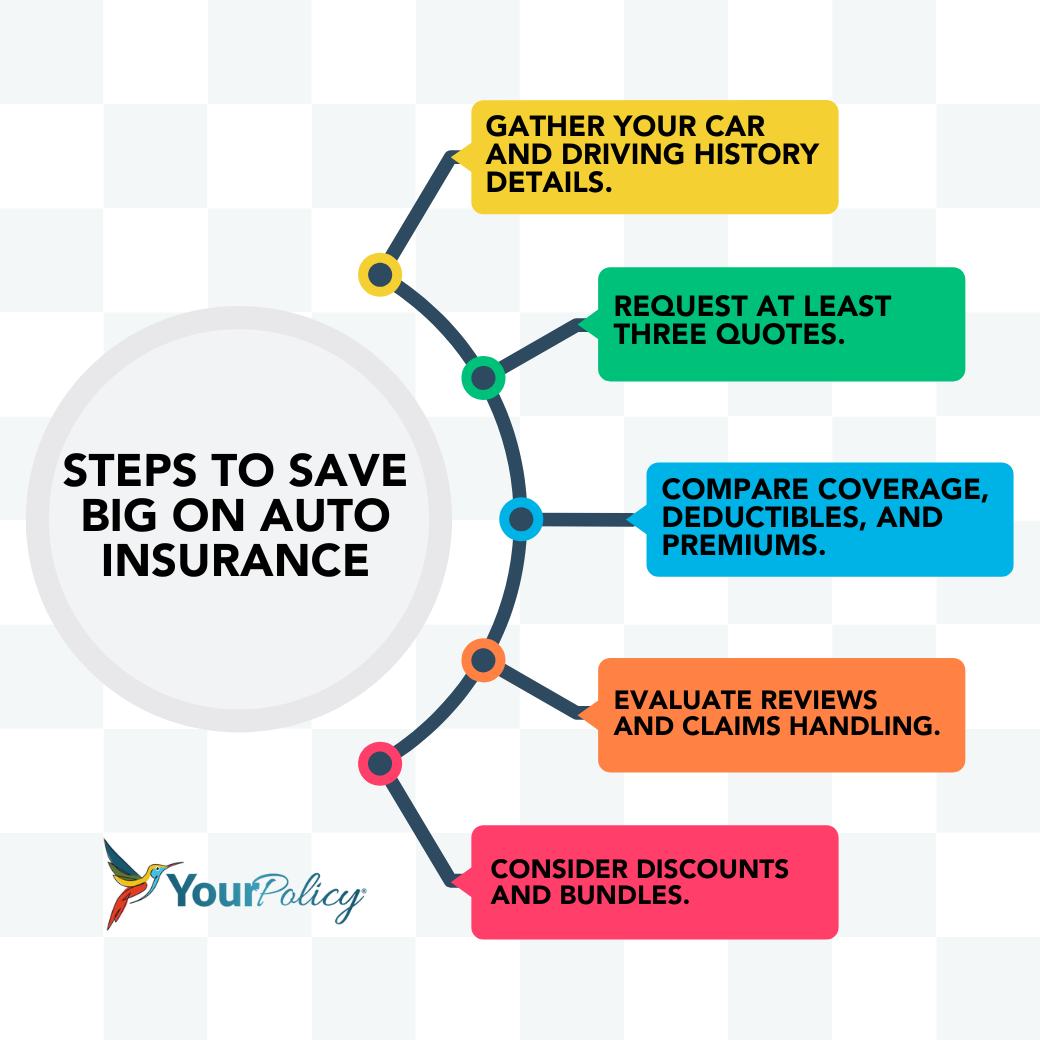
Car insurance is not a “set it and forget it” financial task. Your risk profile changes constantly. Perhaps you moved to a safer ZIP code, paid off your car loan, or reached a milestone age like 25 or 50. Each of these events can trigger a price drop. Financial experts recommend comparing car insurance quotes at least once a year, or whenever a major life event occurs.
By treating car insurance as a strategic component of your personal finance plan rather than a simple commodity, you can ensure that you are protected against the unexpected without draining your monthly cash flow. The time invested in a thorough, data-driven comparison pays dividends in the form of lower premiums, better coverage, and the peace of mind that comes with sound financial management.
aViewFromTheCave is a participant in the Amazon Services LLC Associates Program, an affiliate advertising program designed to provide a means for sites to earn advertising fees by advertising and linking to Amazon.com. Amazon, the Amazon logo, AmazonSupply, and the AmazonSupply logo are trademarks of Amazon.com, Inc. or its affiliates. As an Amazon Associate we earn affiliate commissions from qualifying purchases.