
In the hyper-connected era of digital travel, the traditional concept of “calling” a company has undergone a radical transformation. For users of Booking.com, one of the world’s largest digital travel agencies, reaching human support is no longer just about dialing a ten-digit number. It is an exercise in navigating a sophisticated technological ecosystem designed to streamline high-volume inquiries through automation, artificial intelligence, and tiered communication protocols. Understanding the technical architecture of how Booking.com manages its support channels is essential for any traveler looking to resolve issues efficiently.

Navigating the Mobile Interface: Finding Help Within the App
The Booking.com mobile application is the primary gateway for most users. Designed with a mobile-first philosophy, the app integrates customer support directly into the user interface (UI) to minimize friction. However, because the platform processes millions of transactions daily, the “Call” option is often nested behind several layers of diagnostic menus. This is a deliberate UI/UX choice known as “deflection,” intended to solve simple problems through self-service before escalating to a human agent.
Accessing the “Help Center” Hierarchy
To find the contact options within the app, users must navigate to their profile or a specific active booking. The software is programmed to prioritize support based on the urgency of the check-in date. If you have an active reservation occurring within the next 24 to 48 hours, the app’s algorithm will often surface the “Call” or “Chat” buttons more prominently.
-
The Active Booking Trigger: Open the app and select the ‘Bookings’ tab. By selecting a specific trip, the software generates a context-aware support menu.
-
The Help Center API: When you click “Contact Customer Service,” you aren’t just opening a text file; you are interacting with a dynamic API that pulls your booking ID, property details, and current status to present the most relevant contact methods.
-
The Hidden Call Button: Often, the phone icon only appears after the user has selected a sub-topic (e.g., “Cancellations” or “Payment issues”). This ensures that when the call is eventually connected, the system has already routed the user’s intent to the correct department.
The Rise of In-App VOIP
A significant technological shift in the Booking.com app is the move toward Voice over Internet Protocol (VOIP). Instead of triggering your phone’s native dialer to call a landline, the app may offer an internet-based call. This technology uses WebRTC (Web Real-Time Communication) to establish a secure, encrypted link between your device and the support center. This is particularly beneficial for international travelers who wish to avoid exorbitant roaming charges while seeking assistance on a foreign Wi-Fi network.
Leveraging AI and the Booking Assistant Chatbot
Before you ever reach a phone line, you will likely encounter the Booking Assistant. This is an advanced AI-driven chatbot powered by Natural Language Processing (NLP). The purpose of this tool is to handle the “Long Tail” of customer service—the 80% of queries that are repetitive and easily automated, such as requesting a late check-in or confirming a pet policy.
How the NLP Engine Works
The Booking Assistant doesn’t just look for keywords; it attempts to understand intent. When you type “I need to talk to someone,” the NLP engine recognizes this as a request for escalation. If you provide a specific query like “Is there a gym?”, the AI cross-references the property’s metadata and provides an instant answer. This reduces the load on human call centers, ensuring that the phone lines remain open for complex emergencies that the AI cannot solve.
Strategies for Escalation
For tech-savvy users who know their issue requires a human touch, there are specific ways to move past the AI. Using phrases like “Agent,” “Human,” or “Technical Representative” triggers an escalation protocol within the chatbot’s logic. Once the AI acknowledges that it cannot fulfill the request, it will typically reveal the direct local and international phone numbers associated with your region.
Secure Communication and Phishing Prevention
One of the most critical aspects of “calling” Booking.com in the modern age is digital security. As a major tech entity, Booking.com is a frequent target for phishing scams. Malicious actors often post fake “Customer Service” numbers on social media, forums, or third-party websites.
Verifying the Source
From a technical standpoint, you should only ever use the contact information provided within the authenticated session of the official website or app. When you are logged in, the platform uses SSL (Secure Sockets Layer) encryption to protect the data transmitted between your device and their servers. Numbers found via an unverified Google search result do not carry this security guarantee.
The Role of the Booking ID and PIN
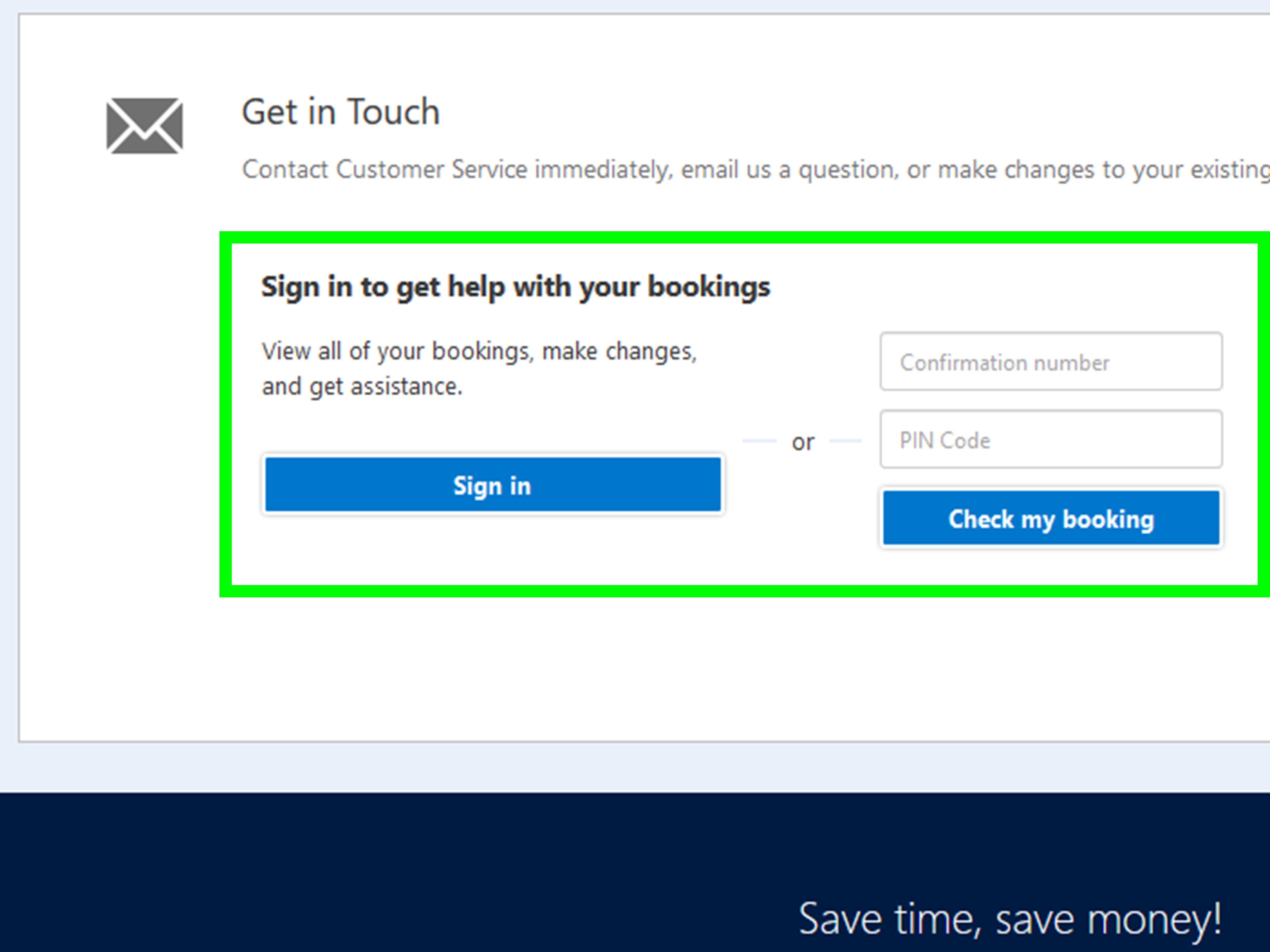
When you finally do call the official support line, the system will ask for your Booking ID and a 4-digit PIN. This is a form of Two-Factor Authentication (2FA) for your phone call. The telephony system is integrated with the main database; when you input these numbers via the keypad (DTMF – Dual-Tone Multi-Frequency signaling), the agent’s screen is instantly populated with your entire travel history. This integration is a marvel of modern CRM (Customer Relationship Management) software, allowing for a “warm” handoff where the agent already knows who you are and what you bought before they say hello.
Regional Variations and Global Load Balancing
Booking.com operates on a global scale, which means their “calling” infrastructure must be resilient and localized. The company utilizes sophisticated Global Server Load Balancing (GSLB) to route calls based on the user’s IP address or the country code of their registered phone number.
Local vs. International Routing
When you seek a number, the website’s backend detects your geolocation. If you are in the UK, it will prioritize a London-based number. However, if the London call center is experiencing a spike in traffic, the system’s “Intelligent Call Routing” might redirect your call to an English-speaking hub in another time zone, such as Manila or Grand Rapids. This ensures 24/7 availability, a core requirement for a global travel tech platform.
Language Processing and Technical Translation
The support ecosystem also utilizes automated language detection. If your account settings are set to Spanish, the IVR (Interactive Voice Response) system will greet you in Spanish. Behind the scenes, the tech stack manages a complex directory of multilingual agents, ensuring that the “call” you make is matched with a representative capable of understanding your specific linguistic and regional nuances.
The Future of Support: Beyond the Traditional Call
As we look toward the future of travel technology, the traditional phone call is becoming just one component of an “Omnichannel” support strategy. Booking.com is heavily investing in technologies that may eventually make the manual search for a phone number obsolete.
Predictive Support and Proactive Notifications
Using Big Data and Machine Learning (ML), the platform is moving toward “Predictive Support.” For example, if a flight delay is detected through integrated data feeds, the system may proactively send a push notification asking if you need to call the hotel to hold your room. Instead of you calling them, the tech initiates the bridge between you and the property.
Visual IVR and Augmented Reality
The next evolution of the “call” is the Visual IVR. Instead of listening to a voice list options (“Press 1 for cancellations…”), your smartphone screen will display a visual menu while you are on the line. This allows for faster data entry and more accurate routing. Furthermore, as AR (Augmented Reality) becomes more integrated into mobile hardware, we may see “Visual Support” calls where users can show an agent a technical issue with a digital voucher or a physical check-in kiosk in real-time.
Integration with Wearables and IoT
With the rise of smartwatches and IoT (Internet of Things) devices, the ability to “call” support is migrating to the wrist. Booking.com’s app for wearable OS allows for quick-tap emergency calls. The tech stack here is focused on extreme optimization—delivering the most vital communication links with minimal screen real estate and battery consumption.

Conclusion: The Integrated Approach
Calling Booking.com is no longer a simple analog action; it is an interaction with a vast, data-driven technical infrastructure. By understanding how to navigate the app’s UI, how to interact with the AI chatbot, and how to verify secure channels, users can bypass the frustrations of modern customer service. The platform’s shift toward VOIP, NLP, and intelligent routing represents the cutting edge of how technology manages human connection at scale. For the user, the goal is clear: use the digital tools provided within the authenticated ecosystem to ensure that when you do finally pick up the phone, the system is ready to work for you.
aViewFromTheCave is a participant in the Amazon Services LLC Associates Program, an affiliate advertising program designed to provide a means for sites to earn advertising fees by advertising and linking to Amazon.com. Amazon, the Amazon logo, AmazonSupply, and the AmazonSupply logo are trademarks of Amazon.com, Inc. or its affiliates. As an Amazon Associate we earn affiliate commissions from qualifying purchases.