
Navigating the intricacies of banking schedules can often feel like a balancing act, especially when you are managing tight margins or waiting for a significant transfer to clear. For customers of PNC Bank, one of the largest financial institutions in the United States, understanding exactly when a deposit moves from “pending” to “available” is essential for effective cash flow management. Whether you are depositing a physical check at a branch, using a mobile app, or waiting for a direct deposit from an employer, the timing of these transactions is governed by a specific set of rules, cut-off times, and federal regulations.

Knowing when your funds will be available for withdrawal or to cover scheduled payments can prevent the frustration of declined transactions or the sting of overdraft fees. This guide provides a comprehensive breakdown of PNC’s deposit posting schedules, the factors that influence funds availability, and how you can use digital tools to speed up the process.
Understanding PNC’s Posting Schedule and Cut-off Times
The foundation of understanding when your money will be available lies in PNC’s definition of a “business day.” For the bank, business days are Monday through Friday, excluding federal holidays. Even if a branch is open on a Saturday or Sunday, those days are generally not considered business days for the purposes of processing deposits.
The 10:00 PM ET Threshold
For most digital and automated deposits, the “magic hour” at PNC is 10:00 PM Eastern Time. This is the cut-off time for ATM and mobile check deposits. If you submit a deposit before 10:00 PM ET on a business day, the bank typically considers that the day of deposit. If you make the deposit after 10:00 PM ET, or on a weekend or holiday, the deposit is treated as having been made on the following business day.
For example, a check deposited via the PNC mobile app at 8:00 PM ET on a Tuesday will generally be processed as a Tuesday deposit. However, a check deposited at 11:30 PM ET on Tuesday will be treated as a Wednesday deposit. This distinction is critical for those trying to cover a bill that is due to be debited the following morning.
Branch Deposits vs. ATM Deposits
When depositing money in person at a PNC branch, the cut-off time is generally the time the branch closes. If you walk into a branch at 4:30 PM on a Friday and hand a check to a teller, it is processed that day. However, if you use a PNC Express Check-In ATM after the 10:00 PM ET cut-off, your funds will likely take an additional business day to process.
It is also important to note that PNC differentiates between its own ATMs and non-PNC ATMs. Depositing funds at an ATM not owned by PNC can result in significantly longer wait times, as the third-party bank must first communicate with PNC to verify the transaction.
The Mechanics of Funds Availability: When Can You Actually Spend Your Money?
Just because a deposit has “posted” to your account history does not always mean the full amount is available for immediate use. PNC, like all national banks, follows the guidelines set by Regulation CC (the Availability of Funds and Collection of Checks Act), which dictates how long a bank can hold a check.
Immediate and Next-Day Availability
In many cases, PNC provides at least partial access to funds shortly after a deposit is made.
-
Cash Deposits: When you deposit cash at a branch or a PNC-branded ATM, the funds are usually available for immediate use to cover debits and withdrawals.
-
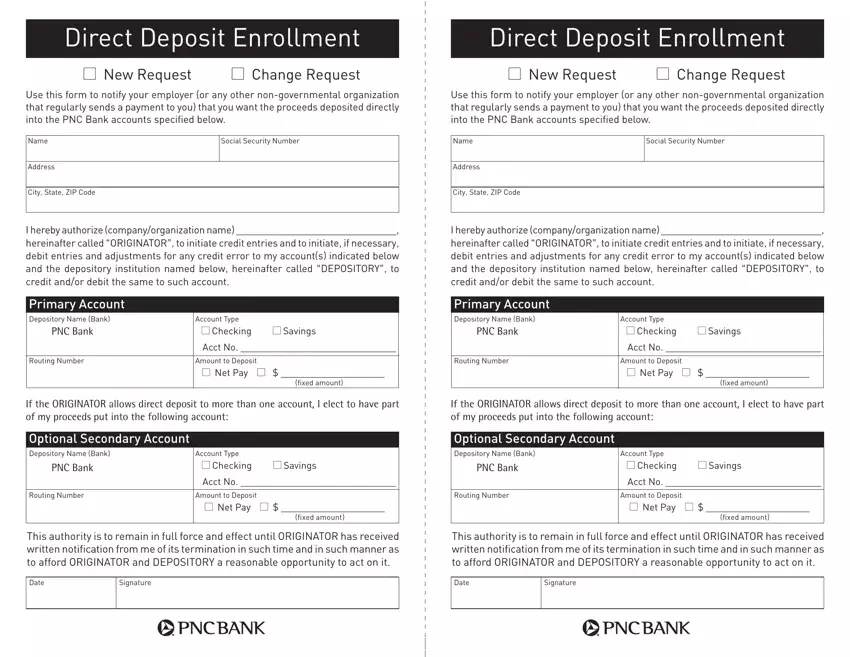
Direct Deposits and Wire Transfers: Electronic deposits like your paycheck (via ACH) or incoming wire transfers are typically available on the day the bank receives the funds.
-
PNC-to-PNC Transfers: Moving money between your own PNC accounts is generally instantaneous.
The Standard Check Hold Policy
For personal and business checks, PNC typically makes the first $125 to $225 of the daily deposit available immediately or by the next business day. The remaining balance of the check is usually made available on the second business day after the day of deposit.
For example, if you deposit a $1,000 check on Monday morning:
-
Monday: You might see $125 or $225 available immediately.
-
Tuesday: The remainder of the funds will likely be available for you to spend or withdraw.
PNC Express Funds
One unique feature offered by PNC is “PNC Express Funds.” This service allows customers to pay a fee to have the full amount of a check deposit made available immediately. This is particularly useful for mobile deposits where you might need the full balance to pay a bill that same evening. While the fee (usually a percentage of the check amount) can add up, it provides a level of liquidity that traditional bank hold policies do not allow.

Factors That Delay Your Deposit
While the standard one-to-two-day window applies to most transactions, several variables can trigger a longer hold period. PNC reserves the right to delay availability for several reasons to protect both the bank and the customer from potential fraud or bounced checks.
Large Deposits and New Accounts
If you deposit a check for a large amount—typically anything over $5,525—PNC may place a longer hold on the portion exceeding that threshold. This “large deposit” hold can extend the availability of the excess funds by several business days.
Similarly, new accounts (those open for 30 days or less) are often subject to stricter hold policies. Because the bank has not yet established a history with the account holder, they may hold checks for up to seven business days to ensure the funds are legitimate and the issuing bank honors the check.
Account History and Frequent Overdrafts
Your personal history with PNC plays a role in how quickly they release funds. If your account has been frequently overdrawn in the last six months, or if you have a history of depositing checks that are later returned unpaid, the bank may apply “exception holds” to your deposits. These holds are designed to mitigate the risk of the bank losing money if a deposit fails to clear.
The “Doubtful Collectability” Clause
Sometimes, a specific check may raise red flags. This could be due to an irregular signature, an old date (stale-dated), or information from the issuing bank suggesting the account has insufficient funds. In these instances, PNC will issue a notice of a “Reasonable Cause to Doubt Collectability” hold, which can delay the funds for several days while the bank verifies the check’s validity.
Optimizing Your Cash Flow with PNC Digital Tools
PNC has invested heavily in its “Virtual Wallet” and mobile banking infrastructure to help customers track their money in real-time. Leveraging these tools can take the guesswork out of when your deposits will post.
Real-Time Alerts and Push Notifications
One of the most effective ways to manage your deposits is to set up automated alerts. Through the PNC mobile app, you can opt-in to receive a push notification the moment a direct deposit hits your account or when a deposited check has cleared and is ready for use. This eliminates the need to manually refresh your balance and provides immediate peace of mind.
Early Pay and Direct Deposit Speed
PNC’s “Early Pay” feature is a standout benefit for many workers. If your employer submits payroll information to the banking system early, PNC may credit your account up to two days before your actual payday. This is not a loan; it is simply the bank giving you access to your money as soon as they receive the electronic notification from the Federal Reserve, rather than waiting for the official “effective date.”
Low Cash Mode
For those concerned about the timing of deposits in relation to upcoming bills, PNC’s “Low Cash Mode” is a valuable tool. It provides a visual countdown of how much time you have to bring your balance to at least $0 before you are charged an overdraft fee. It also allows you to see “pending” credits that are scheduled to post, giving you a clearer picture of your available “Spend” balance versus your “Growth” or “Reserve” balances.
Managing Expectations and Avoiding Overdrafts
Understanding when deposits post is only half the battle; the other half is knowing the order in which PNC processes transactions. PNC generally processes credits (deposits) before debits (withdrawals and payments) during its nightly processing cycle. However, this only applies to items that have reached the bank before the daily cut-off time.
The Importance of the “Pending” Status
When you look at your PNC mobile app, you will often see a “current balance” and an “available balance.” The current balance includes all transactions that have posted to the ledger, while the available balance reflects what you can actually spend right now, accounting for pending holds and authorized but un-cleared debit card transactions. Always rely on the available balance when making financial decisions.
Timing Your Payments
To ensure you never run into trouble, it is best practice to time your automated bill payments for at least one business day after you expect your deposit to post. If you expect a paycheck on Friday, scheduling your mortgage payment for the following Monday or Tuesday provides a safety net in case of a processing delay or a bank holiday.
Final Thoughts on PNC Posting Times
While PNC offers a robust and relatively fast deposit system, the user must remain proactive. By adhering to the 10:00 PM ET cut-off, utilizing “Early Pay” for direct deposits, and keeping an eye on the difference between posted and available funds, you can navigate your finances with confidence. In an era where digital banking is the norm, PNC’s blend of traditional stability and modern tools like Express Funds ensures that you have several options for getting your money exactly when you need it. Regardless of the size of the deposit, consistency and awareness of the bank’s calendar are your best defenses against the uncertainty of the clearing process.
aViewFromTheCave is a participant in the Amazon Services LLC Associates Program, an affiliate advertising program designed to provide a means for sites to earn advertising fees by advertising and linking to Amazon.com. Amazon, the Amazon logo, AmazonSupply, and the AmazonSupply logo are trademarks of Amazon.com, Inc. or its affiliates. As an Amazon Associate we earn affiliate commissions from qualifying purchases.