
Real estate has long been the cornerstone of wealth creation, responsible for minting more millionaires than almost any other asset class. However, the question of which specific niche “makes the most money” is nuanced. Profitability in real estate is rarely about a single property type; rather, it is a function of the investor’s goals—whether they seek immediate monthly cash flow, long-term equity growth through appreciation, or rapid capital gains through development.
To determine where the highest returns reside, one must analyze the market through the lens of risk-adjusted returns. While a stabilized residential rental provides safety, a commercial industrial park might offer explosive scaling opportunities. This guide explores the highest-yielding sectors of the real estate market, examining why certain asset classes consistently outperform the rest.
Understanding the Core Drivers of Real Estate Profitability
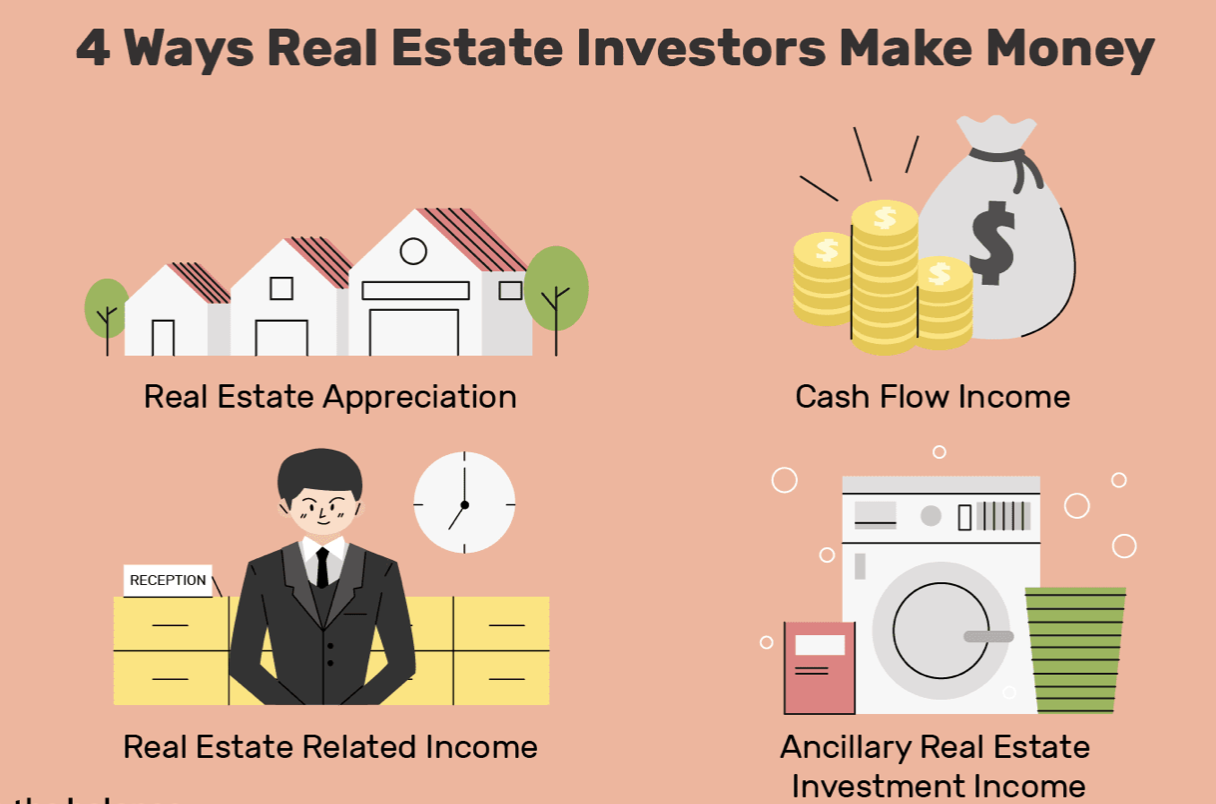
Before diving into specific sectors, it is essential to understand the two primary ways real estate generates wealth: yield (cash flow) and appreciation. High-yield investments provide consistent income, often measured by the Capitalization Rate (Cap Rate), which is the ratio of Net Operating Income (NOI) to the property’s asset value. Appreciation, on the other hand, relies on the property increasing in market value over time due to inflation, demand, or strategic improvements.
The “most profitable” real estate often sits at the intersection of these two forces. For example, “Value-Add” investing—buying an underperforming asset, renovating it, and increasing the rents—allows an investor to force appreciation while simultaneously boosting cash flow. In the current economic climate, the highest returns are often found in sectors that benefit from structural shifts in the economy, such as the rise of e-commerce or the global housing shortage.
Commercial Real Estate: The Heavy Hitter of Passive Income
For investors with significant capital, commercial real estate (CRE) is frequently cited as the most lucrative path. Unlike residential properties, which are often valued based on comparable sales in the neighborhood, commercial properties are valued based on the income they produce. This means a savvy operator can exponentially increase a property’s value simply by improving its operational efficiency.
Multi-Family Properties (Apartment Complexes)
Large-scale multi-family housing is widely considered the “gold standard” for consistent wealth building. The primary advantage here is the economy of scale. Managing 100 units under one roof is significantly more cost-effective than managing 100 individual single-family homes spread across a city.
Multi-family assets offer a unique “recession-resistant” quality. Even in economic downturns, people require housing. When the housing market struggles and people cannot afford to buy homes, the rental market typically strengthens. For investors, this translates to low vacancy rates and the ability to raise rents over time. High-end “Class A” apartments offer lower yields but high stability, while “Class B and C” properties offer “Value-Add” opportunities where investors can renovate units to achieve double-digit returns.
Industrial Real Estate and Warehousing
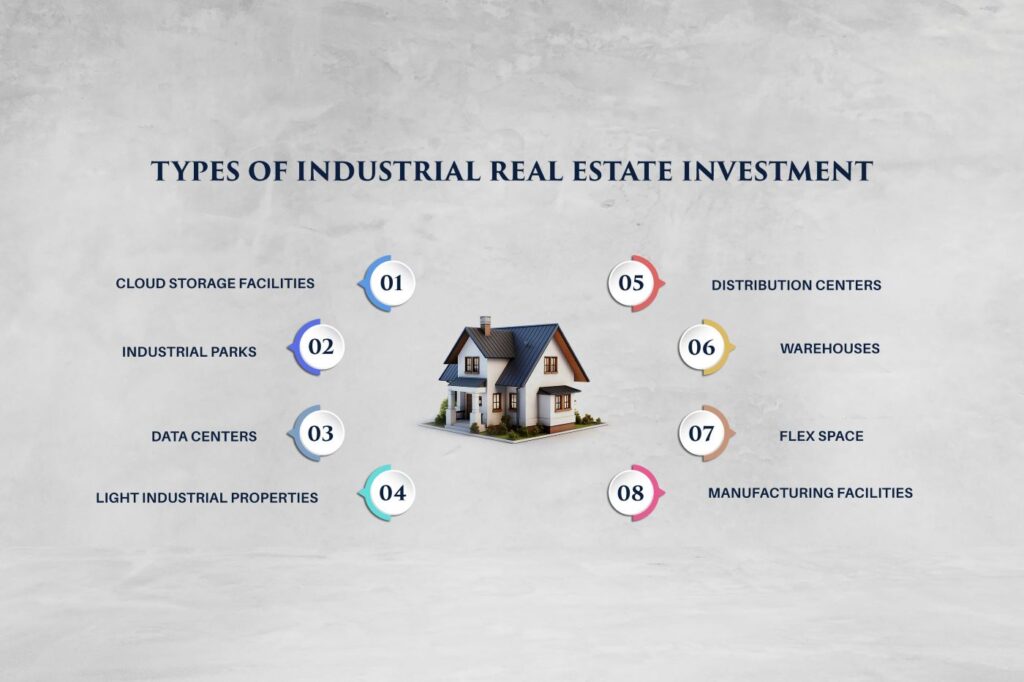
In the last decade, industrial real estate has emerged as one of the highest-performing sectors in the world. The explosion of e-commerce has created an insatiable demand for distribution centers, “last-mile” delivery hubs, and cold storage facilities.
Industrial properties are particularly profitable because of their low overhead. Unlike retail or office spaces, which require expensive build-outs and aesthetic maintenance, industrial tenants often sign “Triple-Net” (NNN) leases. In an NNN lease, the tenant is responsible for property taxes, insurance, and maintenance, leaving the landlord with a “clean” check every month. The combination of high demand, low operational costs, and long-term corporate leases makes industrial real estate a powerhouse for generating high-margin income.
Retail and Triple-Net (NNN) Leases
While traditional malls have struggled, “necessity-based” retail—such as grocery-anchored centers, pharmacies, and quick-service restaurants—remains incredibly profitable. The NNN structure is again the hero here. When an investor owns a property leased to a blue-chip tenant like Starbucks or Walgreens, they receive a steady, predictable income stream with almost zero management responsibility. While the yields may be lower than a risky development project, the risk-adjusted return and the ability to use high-leverage financing make this a favorite for wealthy family offices and institutional investors.
Residential Strategies for Maximum ROI
For those who prefer the residential side of the market, the highest returns are rarely found in traditional “buy and hold” single-family rentals. Instead, investors must look toward specialized niches that maximize the utility of the square footage.
Short-Term Rentals (Airbnb and VRBO)
If you are looking for the highest gross cash flow on a per-property basis, short-term rentals (STRs) are the clear winner. By renting a property out on a nightly or weekly basis, investors can often generate two to three times the monthly revenue of a traditional long-term lease.
However, STRs come with a caveat: they are more of a hospitality business than a passive investment. To maintain high profitability, an investor must provide high-end amenities, maintain five-star reviews, and navigate complex local regulations. In “drive-to” vacation markets or major metropolitan hubs, the ROI on a well-managed STR can exceed 20% annually, far outpacing the 4-6% typically seen in the long-term rental market.
Specialized Housing: Student and Senior Living
Specialized residential niches focus on high-density demographics. Student housing, for example, allows landlords to rent by the bed rather than by the unit. A four-bedroom apartment that might rent for $2,000 to a family can often be rented to four students for $800 each, bringing the total revenue to $3,200.
Similarly, senior living facilities are positioned to profit from the “silver tsunami”—the aging baby boomer population. These facilities often combine real estate with service-based income (assisted living, meals, medical care), leading to significantly higher profit margins than standard apartments. The barrier to entry is higher due to regulatory requirements, but the financial rewards are among the highest in the residential sector.
High-Growth Alternative Real Estate Investments
Beyond the standard categories of “commercial” and “residential” lie niche markets that often fly under the radar but offer some of the highest internal rates of return (IRR) in the industry.
Self-Storage Facilities
Self-storage is often described as the most efficient form of real estate. The construction costs are minimal—mostly metal partitions and concrete—and the management can be almost entirely automated with digital keypads and online booking.
The profitability of self-storage lies in its “sticky” tenant base. Once a person moves their belongings into a unit, they are statistically unlikely to move them out over a $10 or $20 monthly rent increase. Because the individual units are small, the price per square foot is much higher than in other sectors. Furthermore, storage performs exceptionally well during life transitions—whether people are downsizing, moving, or dealing with an estate—making it a counter-cyclical asset that thrives even when the broader economy is stagnant.
Real Estate Development and Land Entitlement
If the goal is to make the “most money” in a single transaction, real estate development is the pinnacle. This involves buying raw land, obtaining the necessary permits (entitlements), and constructing a new building from the ground up.
The profit margins in development are high because the investor is taking on the highest level of risk. They must navigate zoning laws, construction delays, and fluctuating material costs. However, a successful development project can see a “return on cost” that dwarfs the returns of buying an existing building. Some investors focus solely on “land entitlement”—buying raw land, getting it approved for a specific use (like a shopping center or housing tract), and then selling it to a builder. This strategy avoids construction risk while capturing the massive value jump that occurs when land becomes “shovel-ready.”
Conclusion: Balancing Risk and Reward to Maximize Returns
Ultimately, the type of real estate that makes the most money depends on the investor’s access to capital, tolerance for risk, and time horizon.
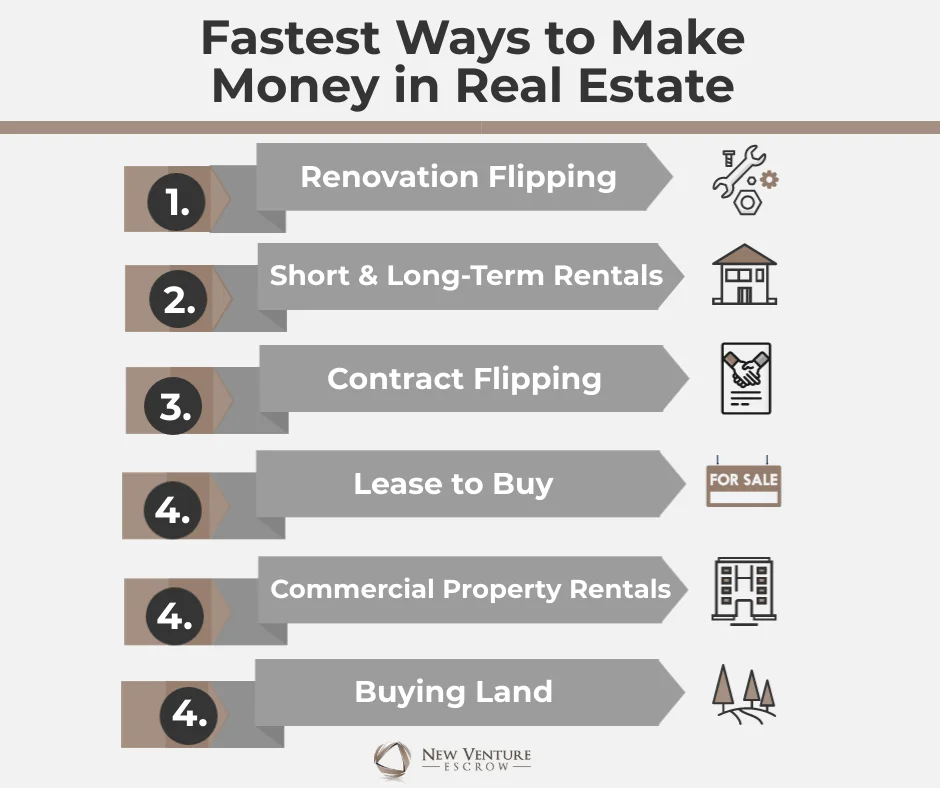
For the passive investor seeking wealth preservation and steady growth, Multi-Family and Industrial properties offer the best balance of safety and scale. For the active investor willing to put in the work, Short-Term Rentals and Value-Add Residential projects provide the highest immediate cash-on-cash returns. And for those seeking a massive windfall, Real Estate Development remains the highest-yielding, albeit highest-risk, endeavor.
The most successful investors do not simply chase the highest percentage return; they look for market inefficiencies. Whether it is a self-storage facility in a growing suburb or an undervalued apartment building in a gentrifying urban core, the “most profitable” real estate is always the one where the investor can add value, leverage debt intelligently, and capitalize on long-term economic trends. By diversifying across these high-performing niches, one can build a robust portfolio that generates both immediate income and generational wealth.
aViewFromTheCave is a participant in the Amazon Services LLC Associates Program, an affiliate advertising program designed to provide a means for sites to earn advertising fees by advertising and linking to Amazon.com. Amazon, the Amazon logo, AmazonSupply, and the AmazonSupply logo are trademarks of Amazon.com, Inc. or its affiliates. As an Amazon Associate we earn affiliate commissions from qualifying purchases.