
Having excess cash is a position of strength, but it also presents a silent challenge: the erosion of purchasing power. In an inflationary environment, idle currency is a depreciating asset. To build true wealth, an investor must transition from a “saver” mindset to an “allocator” mindset. Determining what to invest cash into requires a nuanced understanding of risk tolerance, time horizons, and the current macroeconomic landscape.
Effective capital allocation is not about chasing the highest possible return at any cost; it is about building a resilient portfolio that balances immediate liquidity needs with long-term growth objectives. This guide explores the most effective vehicles for deploying cash, ranging from low-risk liquid reserves to high-growth equity markets and tangible assets.
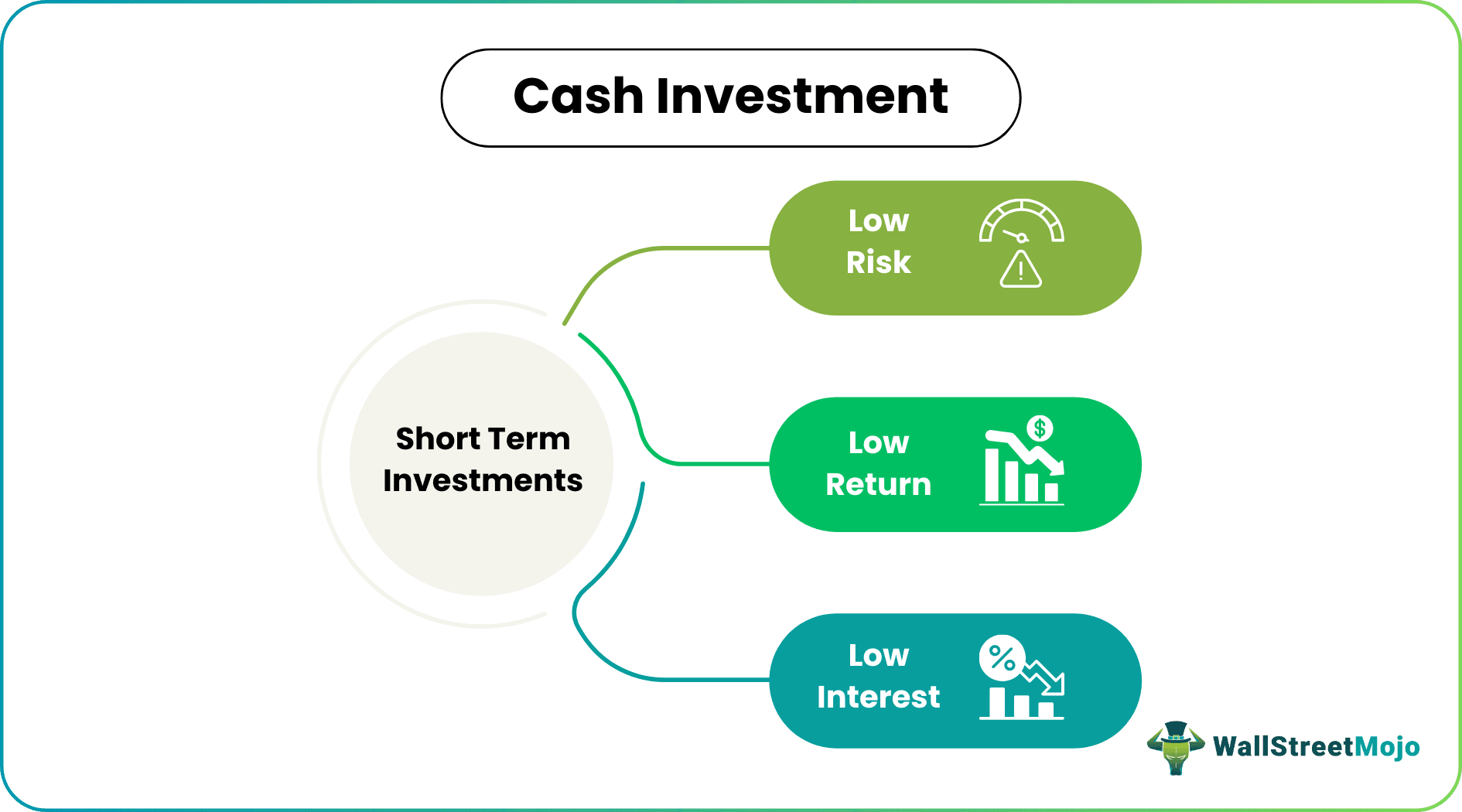
Maximizing Short-Term Liquidity and Safety
Before venturing into volatile markets, an investor must ensure their “cash drag” is working as hard as possible. This involves moving money out of traditional, low-interest checking accounts and into vehicles that provide safety, liquidity, and a competitive yield.
High-Yield Savings Accounts (HYSA) and Money Market Funds
For cash that may be needed within the next twelve months—such as an emergency fund or a down payment on a home—High-Yield Savings Accounts are the gold standard. Unlike traditional savings accounts, HYSAs often offer interest rates that are significantly higher, allowing your principal to keep pace with or exceed the rate of inflation.
Money Market Funds (MMFs) are another excellent alternative. Managed by brokerage firms, these funds invest in high-quality, short-term debt instruments like Treasury bills. They offer high liquidity and are currently providing some of the most attractive yields seen in decades, making them an ideal parking spot for institutional-level cash reserves.
Treasury Bills and Certificates of Deposit (CDs)
If you have a specific timeline for when you will need your cash, Treasury bills (T-bills) and CDs offer a way to lock in a guaranteed rate of return. T-bills are backed by the full faith and credit of the government, making them virtually risk-free. They are sold at a discount and mature at face value, with the difference representing your profit.
CDs, offered by banks, require you to lock your money away for a set period—ranging from three months to five years—in exchange for a fixed interest rate. While less liquid than a savings account, they provide a hedge against falling interest rates, ensuring your cash continues to earn at a specific level even if the broader market shifts.
Capturing Market Growth Through Equity Investments
Once an emergency fund and short-term needs are secured, the focus should shift toward long-term wealth accumulation. The stock market remains one of the most effective engines for compounding wealth over time.
Low-Cost Index Funds and ETFs
For the vast majority of investors, the most efficient way to invest cash into the stock market is through broad-market index funds or Exchange-Traded Funds (ETFs). Rather than attempting to pick individual winning stocks, these funds allow you to own a slice of the entire market, such as the S&P 500 or the Total Stock Market Index.
The primary advantage here is diversification and low overhead. High management fees can quietly cannibalize your returns over decades. By choosing low-cost funds from providers like Vanguard, BlackRock, or Fidelity, you ensure that the bulk of the market’s growth stays in your pocket. This “passive” approach historically outperforms the majority of active fund managers over long durations.
Dividend Growth Stocks
For those seeking a combination of capital appreciation and passive income, dividend growth investing is a compelling strategy. This involves investing in companies with a proven track record of increasing their dividend payouts year after year. These “Dividend Aristocrats” or “Dividend Kings” are typically mature, stable companies with robust cash flows.
Investing in dividend stocks allows you to benefit from the power of reinvestment. By using a Dividend Reinvestment Plan (DRIP), your dividends automatically purchase more shares, which in turn generate more dividends. This creates a powerful compounding effect that can provide a significant secondary income stream during retirement.
The Mechanics of Dollar-Cost Averaging
When investing a large lump sum of cash, many investors fear “buying at the top.” To mitigate this psychological and financial risk, consider Dollar-Cost Averaging (DCA). Instead of moving all your cash into the market at once, you divide the total amount into equal portions and invest them at regular intervals (e.g., once a month for a year). This strategy ensures that you buy more shares when prices are low and fewer when prices are high, effectively smoothing out your cost basis over time.

Real Estate and the Value of Tangible Assets
Real estate has long been a cornerstone of wealth, offering benefits that paper assets like stocks and bonds cannot match. It provides a hedge against inflation, potential for rental income, and unique tax advantages.
Real Estate Investment Trusts (REITs)
If you want exposure to real estate without the headache of being a landlord, REITs are an excellent entry point. These are companies that own, operate, or finance income-producing real estate across various sectors, such as apartments, warehouses, or data centers. By law, REITs must distribute at least 90% of their taxable income to shareholders in the form of dividends. This makes them highly liquid, high-yield investments that can be traded just like stocks.
Direct Ownership and Rental Properties
For those with a higher volume of cash and a willingness to be more “hands-on,” direct property ownership offers significant upside. The primary advantage of physical real estate is leverage. By using a mortgage, you can control a $500,000 asset with only $100,000 of cash. If the property value increases by 5%, you haven’t gained 5% on your cash; you’ve gained 25% (ignoring interest and fees).
Furthermore, real estate investors benefit from depreciation—a non-cash expense that can offset rental income for tax purposes. While it requires more management than a stock portfolio, the combination of equity buildup, cash flow, and tax shelter makes it a premier destination for significant cash reserves.
Commodities and Precious Metals
In times of geopolitical instability or extreme currency devaluation, investing cash into “hard assets” like gold and silver can serve as an insurance policy. Gold is often viewed as a store of value that maintains its purchasing power over centuries. While commodities do not produce cash flow (like a stock or a rental property), they provide a non-correlated asset class that can stabilize a portfolio when traditional markets are in turmoil.
Tax-Advantaged Growth and Retirement Optimization
One of the most overlooked aspects of investing cash is the impact of taxes. Where you hold your investments is often just as important as what you are invested in.
Maximizing Retirement Accounts
If your cash is currently sitting in a taxable brokerage account but you haven’t maximized your retirement contributions, you are likely leaving money on the table. Investing cash through a 401(k), 403(b), or Individual Retirement Account (IRA) allows your investments to grow tax-deferred or, in the case of a Roth IRA, tax-free.
For those in high tax brackets, the immediate tax deduction of a traditional IRA or 401(k) provides an instant “return” by lowering your annual tax bill. Conversely, the Roth IRA is a powerful tool for younger investors, as it allows for decades of tax-free growth and tax-free withdrawals in retirement.
Health Savings Accounts (HSA)
The HSA is arguably the most tax-advantaged account in existence. If you have a high-deductible health plan, you can contribute cash to an HSA. The contributions are tax-deductible, the growth is tax-deferred, and withdrawals for qualified medical expenses are tax-free. Many investors make the mistake of using their HSA to pay for current medical bills. A more sophisticated strategy is to pay for medical bills out-of-pocket and allow the cash within the HSA to be invested in the stock market, where it can grow tax-free for decades.
Alternative Investments and Self-Directed Growth
Beyond the traditional pillars of stocks, bonds, and real estate, there are alternative avenues for cash that can yield exceptional returns for the informed investor.
Investing in Private Credit and Small Business
For sophisticated investors, private credit and peer-to-peer (P2P) lending platforms offer the opportunity to act as the bank. By lending cash to small businesses or individuals, you can earn interest rates that often exceed what is available in the public bond markets. However, this comes with higher default risk and lower liquidity, making it a “satellite” position rather than a core portfolio holding.
The Highest ROI: Human Capital
The single best investment you can make with cash is often in yourself. Whether it is acquiring a new certification, attending an executive education program, or starting a side business, the return on human capital frequently dwarfs the returns of the S&P 500.
A $5,000 investment in a specialized skill that leads to a $20,000 annual salary increase represents a 400% return in the first year alone. When deciding what to invest cash into, never overlook the potential of your own earning power.

Conclusion
Determining where to deploy cash is a balancing act between safety and growth. A well-structured plan starts with securing high-yield liquidity for short-term needs, moves into diversified index funds for long-term growth, and explores real estate or tax-advantaged accounts for stability and efficiency. By viewing every dollar of cash as a “worker” that needs a job, you can ensure that your capital is always positioned to build a secure and prosperous financial future.
aViewFromTheCave is a participant in the Amazon Services LLC Associates Program, an affiliate advertising program designed to provide a means for sites to earn advertising fees by advertising and linking to Amazon.com. Amazon, the Amazon logo, AmazonSupply, and the AmazonSupply logo are trademarks of Amazon.com, Inc. or its affiliates. As an Amazon Associate we earn affiliate commissions from qualifying purchases.