
For many investors, the ultimate goal of financial planning is the transition from wealth accumulation to consistent cash flow. While long-term capital appreciation is the engine of growth, monthly income is the fuel for lifestyle design. Whether you are looking to supplement a salary, fund an early retirement, or create a safety net, identifying the “best” investment requires a balance between yield, risk, and liquidity.
There is no single asset that serves every investor perfectly, but there are several high-performing categories that excel at generating recurring monthly payouts. To determine which is best for your portfolio, it is essential to evaluate the stability of the underlying asset and the tax implications of the income generated.

The Power of Dividend-Producing Securities
The stock market is often viewed through the lens of growth, but for the income-focused investor, dividends are the primary objective. While many stocks pay dividends quarterly, a specific subset of the market is designed to provide monthly distributions, offering a cadence that matches most household expenses.
Monthly Dividend Stocks and REITs
Real Estate Investment Trusts (REITs) are arguably the most popular vehicle for monthly income. By law, REITs must distribute at least 90% of their taxable income to shareholders. This structure makes them a powerhouse for yield. Companies like Realty Income (O), often referred to as “The Monthly Dividend Company,” have built their entire brand around providing consistent, monthly checks to investors. These companies typically own diversified portfolios of commercial properties—ranging from retail centers to industrial warehouses—and pass the rent collected directly to shareholders.
Beyond REITs, certain Business Development Companies (BDCs) also offer monthly payouts. BDCs provide debt or equity financing to small and mid-sized private companies. Because they operate as regulated investment companies, they often boast higher yields than traditional stocks, though they carry a higher risk profile due to the nature of their lending.
Dividend Aristocrats and Kings
While most “Aristocrats” (companies that have increased their dividends for 25+ consecutive years) pay quarterly, a strategic investor can build a “laddered” portfolio. By selecting three different stocks that pay in different months (e.g., Company A pays in January/April/July/October, Company B in February/May/August/November, and Company C in March/June/September/December), you can effectively manufacture a monthly income stream from some of the most stable blue-chip companies in the world.
Covered Call ETFs
A more modern approach to monthly income involves “yield enhancement” strategies through Exchange-Traded Funds (ETFs) that utilize options. Funds such as JEPI (JPMorgan Equity Premium Income ETF) or QYLD (Nasdaq 100 Covered Call ETF) generate income by selling call options on the stocks they hold. This strategy trades away some upside potential in exchange for immediate cash premiums, which are then distributed to shareholders monthly. This is an excellent tool for investors who want market exposure but prioritize high current yield over long-term price appreciation.
Fixed Income: The Bedrock of Monthly Cash Flow
When volatility in the equity market becomes unpalatable, fixed income remains the traditional sanctuary for income seekers. While bond yields fluctuate based on interest rate environments, they provide a level of predictability that equities often cannot match.
Bond Funds and Monthly Distributions
Individual corporate or municipal bonds usually pay interest semi-annually. However, bond mutual funds and ETFs aggregate thousands of these bonds and distribute the interest monthly. For an investor seeking a “set-it-and-forget-it” monthly income stream, a Total Bond Market ETF or a high-yield corporate bond fund can provide a steady payout. Municipal bond funds are particularly attractive for high-earning individuals in the United States, as the income is often exempt from federal—and sometimes state—taxes.
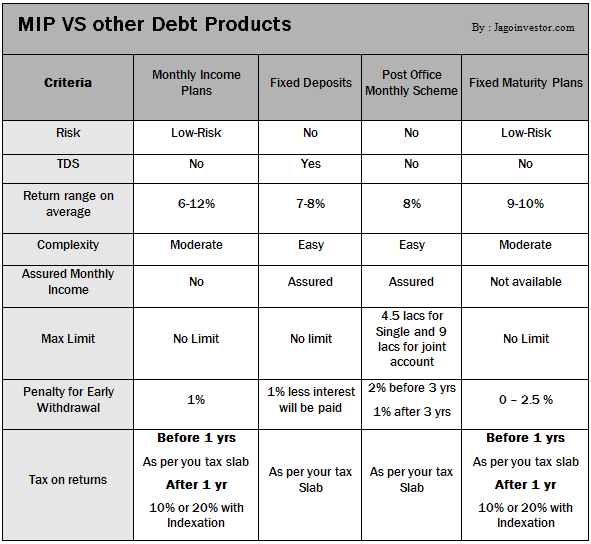
CD Ladders and Money Market Accounts
In a higher-interest-rate environment, cash-equivalent instruments regain their shine. A Certificate of Deposit (CD) ladder involves opening multiple CDs with staggered maturity dates. For example, you could open twelve CDs, each maturing in a different month of the year. As each CD matures, you can either take the interest and principal or reinvest the principal into a new 12-month CD, creating a perpetual monthly cycle of liquidity and income.
Money Market Accounts (MMAs) and High-Yield Savings Accounts (HYSAs) are the simplest versions of this. While the yields may be lower than aggressive equity strategies, the risk to principal is virtually zero (within FDIC limits), and the interest is credited to the account monthly. This makes them the “best” investment for an emergency fund that still needs to produce some monthly return.
Real Estate: Direct and Indirect Monthly Cash Flow
Real estate has long been considered the premier asset class for monthly income due to the contractual nature of rent. Unlike dividends, which a board of directors can cut at any time, a lease agreement is a legal obligation that provides a high degree of income visibility.
Residential Rental Properties
Owning physical real estate—such as a single-family home or a multi-unit duplex—is the most direct way to generate monthly income. After mortgage payments, taxes, insurance, and maintenance reserves are deducted, the “cash-on-cash” return is yours to keep. The primary advantage of direct ownership is the ability to use leverage (a mortgage) to increase your return on equity and the various tax benefits, such as depreciation, which can shield your income from being fully taxed.
Real Estate Crowdfunding
For those who want the income of a landlord without the “toilets, tenants, and trash,” real estate crowdfunding platforms have emerged as a viable middle ground. These platforms allow individuals to pool their money to invest in large-scale commercial developments or portfolios of residential homes. Many of these platforms offer “eREITs” or debt funds that pay out monthly or quarterly distributions. It provides a way to diversify into real estate with much lower capital requirements than buying a physical building.
Private Credit and Trust Deeds
For sophisticated investors, private credit involves lending money directly to real estate developers or businesses, secured by the asset itself (a trust deed). These loans typically carry higher interest rates than traditional bank loans because they are shorter-term or “bridge” loans. The interest paid by the borrower is distributed to the investor monthly, often providing some of the highest yields available in the fixed-income space.
Evaluating the “Best” Fit for Your Strategy
Choosing the best investment for monthly income is not just about finding the highest percentage yield. It is about understanding the trade-offs between stability, growth, and accessibility.
Consider the Tax Implications
Not all monthly income is taxed equally. Dividends from REITs are often taxed at ordinary income rates, whereas “qualified” dividends from traditional corporations are taxed at a lower capital gains rate. Interest from bonds is generally taxed as ordinary income, while municipal bond interest might be tax-free. If you are investing within a taxable brokerage account, the “best” investment might be the one that leaves you with the most after-tax cash, not necessarily the one with the highest headline yield.
Inflation Protection
A fixed monthly payment of $1,000 might cover your expenses today, but in ten years, inflation may have eroded its purchasing power. This is why the best monthly income strategy usually involves a mix of fixed income and equity. While bonds provide the stability of the payment, dividend-growing stocks and real estate provide the “inflation hedge” as rents and dividends tend to rise over time.
Liquidity Needs
Some monthly income investments are highly liquid, meaning you can sell them and have your cash in two days (like ETFs and stocks). Others, like physical real estate or private equity funds, are illiquid and may lock your capital up for years. The best investment for you depends on whether you might need to access your principal in an emergency or if you are truly investing for the long haul.
Building a Diversified Monthly Income Machine
The most resilient portfolios do not rely on a single source of monthly income. Instead, they utilize a “bucket” approach to ensure that cash flow remains consistent even if one sector of the economy falters.
A robust monthly income portfolio might consist of:
-
A Core Equity Bucket: Monthly-paying REITs and a ladder of Dividend Aristocrats to provide growth and inflation protection.
-
A Fixed-Income Bucket: Bond ETFs or CD ladders to provide a “floor” of stability during market downturns.
-
An Alternative Bucket: Covered call ETFs or real estate crowdfunding to boost the overall yield of the portfolio.
By diversifying across these categories, you minimize the risk that a single company’s dividend cut or a single real estate market’s downturn will jeopardize your monthly lifestyle. The “best” investment is ultimately a diversified system that operates predictably, allowing you to focus on your life rather than the fluctuations of the ticker tape. Achieving a reliable monthly income is less about “picking a winner” and more about constructing a machine that works in all economic seasons.
aViewFromTheCave is a participant in the Amazon Services LLC Associates Program, an affiliate advertising program designed to provide a means for sites to earn advertising fees by advertising and linking to Amazon.com. Amazon, the Amazon logo, AmazonSupply, and the AmazonSupply logo are trademarks of Amazon.com, Inc. or its affiliates. As an Amazon Associate we earn affiliate commissions from qualifying purchases.