
The quest to locate specific content in the modern digital landscape has evolved from a simple flip through a physical television guide to a complex exercise in navigating fragmented streaming ecosystems. For fans asking “what TV channel is Yellowstone on,” the answer is a case study in the intersection of legacy broadcasting technology, Over-the-Top (OTT) platform licensing, and the technical intricacies of Digital Rights Management (DRM). As we transition from linear cable to a hardware-agnostic viewing experience, understanding the infrastructure behind these platforms is essential for any tech-savvy viewer.
The Evolution of Linear TV to Digital Over-the-Top (OTT) Platforms
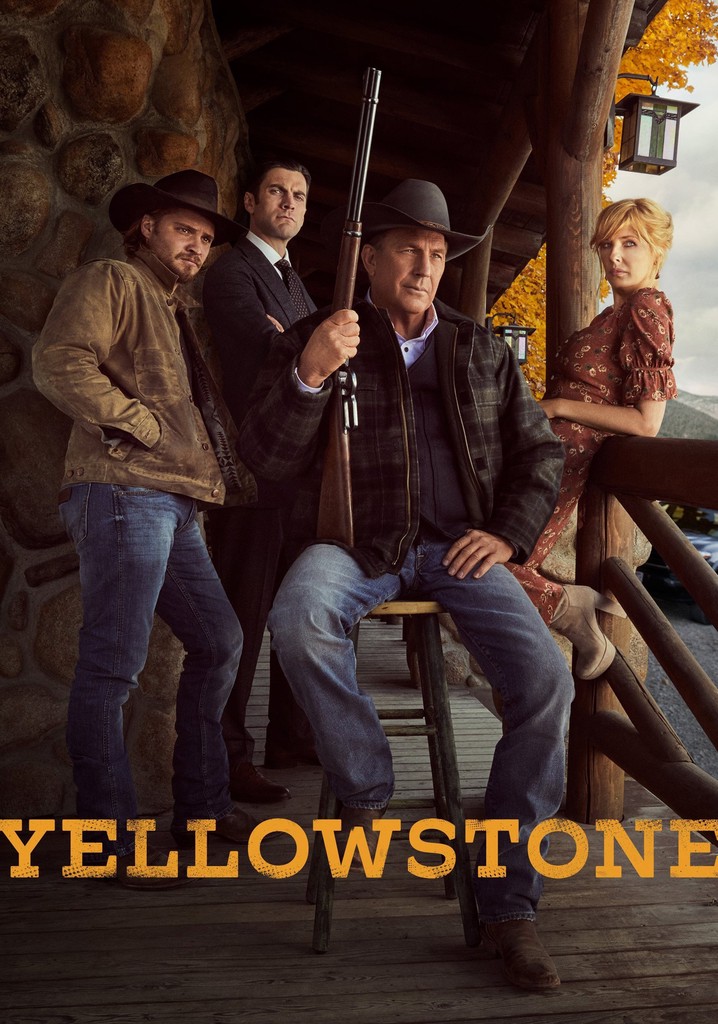
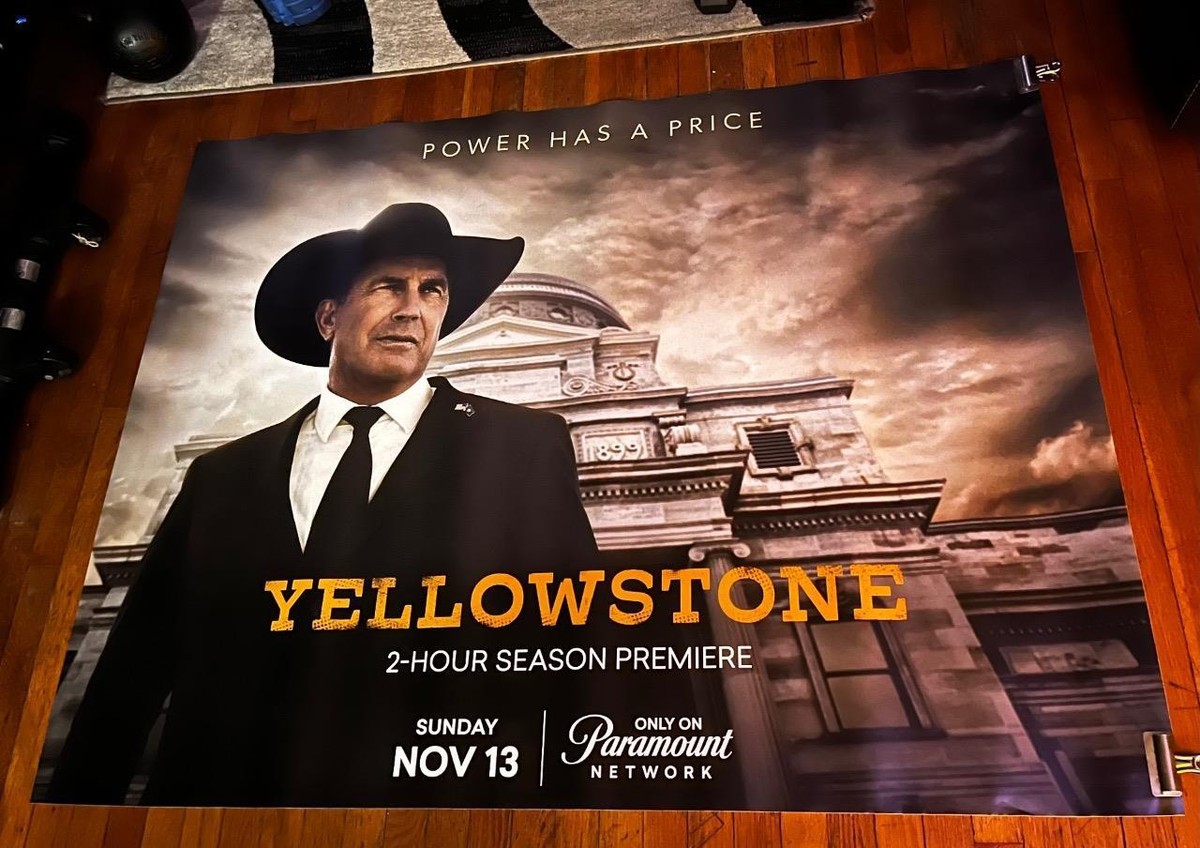
The traditional television model relied on a localized broadcast system where a single network owned the rights to a show and distributed it via satellite or coaxial cable. Yellowstone, the flagship drama produced by MTV Entertainment Studios and 101 Studios, primarily broadcasts on the Paramount Network. However, the distinction between a “channel” and a “streaming service” has become increasingly blurred due to the rise of OTT technology.
The Backend of Cable vs. Digital Distribution
Linear television operates on a scheduled delivery system where data is pushed to the consumer simultaneously across a wide geographic area. In contrast, streaming Yellowstone via an app involves a request-response architecture. When a user selects an episode, the application initiates a handshake with a Content Delivery Network (CDN). These CDNs are distributed servers that store cached versions of the content closer to the user’s physical location to reduce latency.
For Yellowstone viewers, this means that while the “channel” is the Paramount Network, the digital delivery could happen through various “virtual Multichannel Video Programming Distributors” (vMVPDs) such as Philo, Sling TV, or YouTube TV. These services use internet protocols (IPTV) to simulate the linear experience, requiring robust broadband infrastructure and sophisticated video encoding to maintain high-definition streams.
Why Content Localization Matters in the App Age
Finding which “channel” or app hosts a show is often complicated by geographic licensing. While the Paramount Network owns the broadcast rights in the United States, the international distribution rights are managed through different technical gateways. In the UK, for instance, the show may be accessed through the Paramount+ app, whereas in other regions, it might be tied to localized streaming giants. This fragmentation is managed through IP geolocation, a technology that identifies a user’s network point of entry to determine which content library they are authorized to access.
Decoding the Platform Paradox: Where to Stream Yellowstone
The most confusing aspect for modern viewers is the “Platform Paradox.” While Yellowstone airs on the Paramount Network (a linear cable channel), it does not reside on Paramount+ (the streaming service) for its past seasons in the United States. This is a result of legacy licensing agreements that predate the current “streaming wars” era.
Paramount Network vs. Paramount+: A Lesson in Digital Rights Management
To watch the show live, viewers must have access to the Paramount Network. This can be achieved through a traditional cable box or a digital login via a “TV Everywhere” interface. The TV Everywhere tech allows users to authenticate their cable subscription within a standalone app on devices like Roku, Apple TV, or Amazon Fire Stick.
The technical conflict arises because the streaming rights for the first four seasons of Yellowstone were sold to Peacock (owned by NBCUniversal) before Paramount Global launched its own dedicated streaming service. This creates a fragmented user experience where a viewer might need one app for live viewing (Paramount Network) and another for binge-watching legacy episodes (Peacock). For the consumer, this requires managing multiple API-driven accounts and navigating different user interfaces (UI) to access a single narrative arc.
The Role of Peacock in the Licensing Landscape
Peacock’s acquisition of Yellowstone’s streaming rights is a prime example of how software licensing impacts content availability. Peacock operates on a multi-tier subscription model, utilizing different bitrates and advertising algorithms depending on the user’s tier. From a tech perspective, the transition of a show from one owner’s broadcast channel to another owner’s streaming app involves massive data migrations and the integration of metadata that allows for features like “resume play” across different device ecosystems.
Technical Requirements for Optimal Viewing Experiences
Once the correct platform is identified, the focus shifts to the hardware and software requirements necessary to render the vast landscapes of Yellowstone in high fidelity. The show is known for its cinematic production value, which demands specific technical standards for the best experience.
High Dynamic Range (HDR) and 4K Bitrates
To view the show in its intended quality, the user’s hardware must support specific video codecs. Most modern streaming services utilize H.264 (AVC) or the more efficient H.265 (HEVC) to compress high-definition video. For 4K resolution, a minimum stable download speed of 25 Mbps is generally required.
Furthermore, High Dynamic Range (HDR) technology, such as Dolby Vision or HDR10, is essential for capturing the high-contrast environments of the Montana setting. This requires a display panel capable of high peak brightness and a HDMI 2.0 or 2.1 connection if using an external streaming media player. Without these technical specifications, the digital file will be “downsampled,” resulting in a loss of detail and color accuracy.
Device Compatibility and App Optimization
Not all apps are created equal. The Paramount Network app and the Peacock app have different optimization levels for various Operating Systems (OS). For instance, a user streaming via a native app on a Samsung Tizen OS may experience a different UI and different loading times than a user on an Android TV-based Sony television. Developers must optimize these apps for different processor architectures (ARM vs. x86) to ensure that the video playback remains synchronized with the audio, preventing the dreaded “lip-sync” error often caused by buffer bloat or processing lag.
Overcoming Regional Restrictions: VPNs and Geofencing Technology
For viewers traveling abroad or living in regions where Yellowstone is not natively available on a specific “channel,” technology offers a workaround through Virtual Private Networks (VPNs). However, this introduces another layer of technical complexity.
How Geo-blocking Works
Streaming services use geofencing to comply with their licensing contracts. This is typically done by checking the user’s IP address against a database of known geographic locations. If a viewer in Germany attempts to access the US version of Peacock to watch Yellowstone, the server will return a 403 Forbidden error or redirect the user to a localized landing page.
A VPN bypasses this by creating an encrypted tunnel to a server in the desired region (e.g., New York). The streaming service then sees the IP address of the VPN server rather than the user’s actual location. However, sophisticated streaming platforms use “VPN detection” algorithms that look for patterns of multiple users connecting from the same IP, leading to a constant “cat-and-mouse” game between streaming security engineers and VPN providers.
The Impact of Network Latency on Streaming Quality
Using a VPN or a proxy adds an extra “hop” in the data transmission path, which can increase latency (ping). For high-definition streaming, high latency can lead to longer buffering times at the start of an episode. Technical users often mitigate this by using protocols like WireGuard, which offers faster speeds and lower overhead than older protocols like OpenVPN, ensuring that the 1080p or 4K stream of Yellowstone remains uninterrupted.
The Future of Unified Content Search and AI-Driven Discovery
As the number of platforms continues to grow, the industry is moving toward “Discovery Aggregation.” Modern smart TV interfaces are shifting away from an app-centric view to a content-centric view, powered by AI and deep-linking technology.
Leveraging Aggregator Tools
Devices like the Apple TV 4K or the Google TV Chromecast utilize a unified search index. When a user asks “where can I watch Yellowstone,” the OS queries multiple app APIs simultaneously. Instead of opening each app, the OS presents a single button that deep-links the user directly to the episode within the authorized app. This involves complex metadata synchronization where the streaming services must constantly update the aggregator’s database with current availability.
The Integration of Voice Assistants in Smart TV OS
Voice-over-IP (VoIP) and Natural Language Processing (NLP) have made finding the right channel as simple as speaking into a remote. AI models integrated into TV hardware, such as Alexa or Google Assistant, parse the user’s intent, identify the show, check the user’s active subscriptions through saved credentials (SSO – Single Sign-On), and initiate the stream. This represents the pinnacle of current streaming tech—removing the friction of the “where is it?” question through backend automation.
In conclusion, while the question “what TV channel is Yellowstone on” seems straightforward, the technical reality reflects the fragmented and high-tech nature of modern media. From the CDNs delivering the bits to the HDR-capable panels displaying the pixels, and the DRM managing the licenses, the experience of watching modern prestige television is a triumph of software engineering and digital distribution. For the viewer, staying informed about these platforms and the hardware required to support them is the only way to ensure they don’t miss a moment of the action.
aViewFromTheCave is a participant in the Amazon Services LLC Associates Program, an affiliate advertising program designed to provide a means for sites to earn advertising fees by advertising and linking to Amazon.com. Amazon, the Amazon logo, AmazonSupply, and the AmazonSupply logo are trademarks of Amazon.com, Inc. or its affiliates. As an Amazon Associate we earn affiliate commissions from qualifying purchases.