
The streaming landscape is no longer defined solely by the breadth of a library, but by the sophistication of the technology powering the delivery of that content. When asking “what’s on Paramount+,” the answer extends far beyond a catalog of blockbuster films and legacy television series. From a technical perspective, Paramount+ represents a significant case study in digital transformation, shifting from the localized architecture of CBS All Access to a globally scalable, cloud-native ecosystem capable of handling high-concurrency live events and premium 4K HDR delivery.
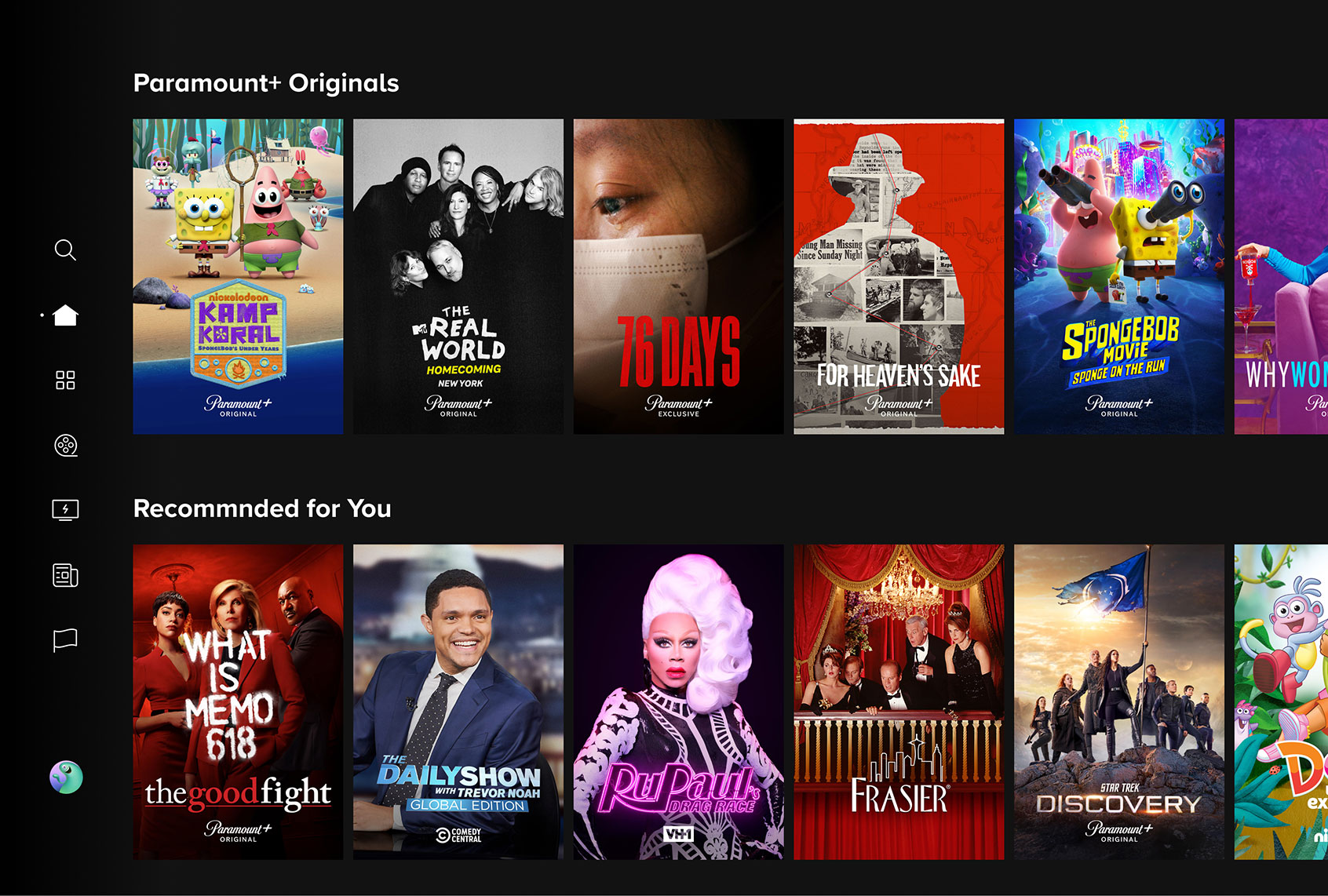
Understanding the technological framework of Paramount+ requires looking under the hood at the software engineering, data science, and infrastructure choices that define the user experience. As the platform matures, it has become a benchmark for how legacy media companies pivot toward a tech-first approach to compete with Silicon Valley giants.
The Architectural Evolution: From CBS All Access to a Global Platform
The transition from CBS All Access to Paramount+ was more than a rebranding exercise; it was a fundamental overhaul of the platform’s backend architecture. To support a global rollout, the engineering teams had to move away from rigid, monolithic structures toward a microservices-based architecture. This shift allows for greater agility, enabling the platform to deploy updates to specific features—such as search functionality or billing systems—without risking the stability of the entire application.
Cloud-Native Scalability and CDN Strategy
At the core of the Paramount+ infrastructure is a heavy reliance on cloud computing providers like Amazon Web Services (AWS) and Google Cloud Platform (GCP). By leveraging a multi-cloud strategy, Paramount+ ensures high availability and disaster recovery capabilities. When high-demand content—such as a series premiere or a major sporting event—goes live, the platform utilizes auto-scaling groups to provision additional compute resources in real-time, preventing the dreaded “service unavailable” errors that plagued early streaming services.
Furthermore, the platform utilizes a sophisticated Content Delivery Network (CDN) strategy. By caching content at the “edge” of the network—physically closer to the user—Paramount+ minimizes latency and reduces the hop-count for data packets. This is particularly critical for the platform’s live sports offerings, where even a few seconds of delay can lead to “spoiler” notifications from social media or sports apps reaching the viewer before the video stream does.
Cross-Platform Development Frameworks
One of the most significant technical hurdles for any streaming service is maintaining a consistent user experience across a fragmented device ecosystem. Paramount+ must perform seamlessly on everything from low-powered streaming sticks and legacy smart TVs to high-end gaming consoles and the latest smartphones. To achieve this, the development teams employ cross-platform frameworks and modular UI components that allow for a unified code base while still optimizing for the specific hardware acceleration capabilities of each device.
The Technical Specs: Delivering 4K, HDR, and Spatial Audio
For tech enthusiasts, “what’s on Paramount+” is defined by the quality of the bits and bytes hitting the screen. The platform has made significant strides in adopting high-efficiency video coding (HEVC/H.265) to deliver 4K Ultra HD content. This codec provides superior compression compared to the older AVC/H.264 standard, allowing for higher fidelity images at lower bitrates—a necessity for users with constrained home bandwidth.
High Dynamic Range (HDR) and Visionary Content
Paramount+ supports both Dolby Vision and HDR10, which are essential for the cinematic presentation of its premium library. From a technical standpoint, HDR is not about brightness alone; it is about the expanded color gamut and the precision of the luminance metadata. By utilizing dynamic metadata in Dolby Vision, Paramount+ can instruct a compatible television on how to adjust its brightness and contrast scene-by-scene, or even frame-by-frame, ensuring the creator’s intent is preserved regardless of the display’s maximum nits.
Immersive Audio: The Rise of Dolby Atmos
Sound is often the unsung hero of the streaming experience. Paramount+ has integrated Dolby Atmos support for a large portion of its premium catalog. Unlike traditional channel-based audio (like 5.1 or 7.1), Atmos is object-based. This means sound engineers can place “objects” in a three-dimensional space, and the Paramount+ app on the user’s device (whether a soundbar, AV receiver, or even spatial-audio-capable headphones) calculates how to reproduce that sound based on the specific speaker configuration. This requires a robust metadata stream alongside the audio track, adding another layer of complexity to the platform’s multiplexing process.
Algorithmic Discovery and the Data Science of “What to Watch”

The most visible aspect of the technology on Paramount+ is the recommendation engine. In an era of “choice paralysis,” the ability of a platform to predict what a user wants to see next is its most valuable asset. The Paramount+ recommendation system is built on a complex intersection of collaborative filtering and content-based filtering.
Machine Learning and Personalization
The platform utilizes machine learning models that ingest billions of data points—watch history, search queries, time of day, and even “completion rates” (whether a user finished a show or abandoned it). These models create a unique user profile that dynamically reorders the home screen. If the algorithm detects a preference for the “Star Trek” universe, it won’t just suggest other sci-fi titles; it will use deep-tagging metadata to identify specific tropes, directors, or actors that resonate with that specific user.
Metadata Enrichment
Behind the scenes, a massive technical effort goes into “tagging” content. This isn’t just about genre; it involves using AI-driven computer vision to analyze frames for specific visual styles or moods. This enriched metadata allows the search engine to be more intuitive, handling natural language queries and providing more relevant results than a simple keyword match. This data-driven approach ensures that the “What’s On” section feels curated rather than randomized.
Live Streaming Innovation: Solving the Concurrency Challenge
Paramount+ distinguishes itself from many competitors through its heavy emphasis on live content, including local CBS affiliates, breaking news, and major sports like the NFL and UEFA Champions League. From a software engineering perspective, live streaming is exponentially more difficult than Video on Demand (VOD).
Low-Latency Streaming Protocols
To combat the latency issues inherent in HTTP-based streaming, Paramount+ utilizes advanced protocols such as Low-Latency HLS (Apple’s HTTP Live Streaming) and DASH (Dynamic Adaptive Streaming over HTTP). These protocols break the video into smaller “chunks” or segments, allowing the player to begin decoding and displaying the video before the entire segment has even finished downloading.
Server-Side Ad Insertion (SSAI)
A major tech component of the “Essential” ad-supported tier is Server-Side Ad Insertion. In traditional digital advertising, the client (the app) requests an ad, which can lead to buffering or “black screens” if the ad server is slow. Paramount+ uses SSAI to “stitch” the advertisement directly into the video stream at the server level. This results in a seamless, broadcast-like experience where the transition between the content and the commercial is undetectable to the player’s buffer management system.
Security, DRM, and Digital Sovereignty
In the high-stakes world of premium content, digital security is paramount. Protecting intellectual property while ensuring ease of access is a delicate technical balance. Paramount+ utilizes a robust Digital Rights Management (DRM) stack to prevent unauthorized copying and distribution.
Multi-DRM Implementation
Because different browsers and devices support different DRM technologies—Widevine for Android and Chrome, FairPlay for Apple devices, and PlayReady for Windows and Xbox—Paramount+ must implement a multi-DRM solution. When a user hits “play,” a complex “handshake” occurs in milliseconds. The device sends a license request to the Paramount+ DRM server, which verifies the user’s subscription status and geographic location (geo-fencing) before issuing a unique decryption key that allows the video to be rendered.
Cybersecurity and User Privacy
Beyond content protection, the platform must secure user data. This includes implementing AES-256 encryption for data at rest and TLS 1.3 for data in transit. As privacy regulations like GDPR and CCPA become more stringent, the tech stack behind Paramount+ has been updated to include sophisticated consent management platforms and anonymized data pipelines, ensuring that personalized recommendations don’t come at the cost of user privacy.

The Future of the Paramount+ Stack
As we look toward the future of “what’s on Paramount+,” the focus shifts toward emerging technologies like generative AI and edge computing. We are likely to see AI being used not just for recommendations, but for automated localized dubbing and subtitling, allowing content to go global faster than ever before. Additionally, as 5G adoption grows, the platform’s mobile architecture will likely evolve to support even higher bitrates and lower latencies for on-the-go viewing.
The technical journey of Paramount+ is a testament to the fact that in the modern era, a media company is, by necessity, a software company. The “what” that is on the platform is inseparable from the “how” it is delivered. By investing in a high-performance, scalable, and intelligent tech stack, Paramount+ has positioned itself as a formidable player in the global digital economy, proving that the most important part of the stream is the invisible infrastructure that makes it flow.
aViewFromTheCave is a participant in the Amazon Services LLC Associates Program, an affiliate advertising program designed to provide a means for sites to earn advertising fees by advertising and linking to Amazon.com. Amazon, the Amazon logo, AmazonSupply, and the AmazonSupply logo are trademarks of Amazon.com, Inc. or its affiliates. As an Amazon Associate we earn affiliate commissions from qualifying purchases.