
The physical location of a corporate headquarters is far more than a mere mailing address; it is a profound statement of brand identity, strategic intent, and cultural alignment. For Tesla, the world’s most valuable automotive and clean energy brand, the question of “where” its headquarters is located serves as a roadmap for its evolution from a Silicon Valley underdog to a global industrial titan. As of late 2021, the official headquarters of Tesla, Inc. is located at Gigafactory Texas in Austin. Specifically, the corporate anchor is situated at 13101 Harold Green Road, Austin, Texas 78725.

This transition from Palo Alto, California, to Austin, Texas, was not merely a logistical necessity or a response to regulatory friction. It represented a fundamental pivot in Tesla’s brand strategy. By moving its nerve center to the heart of the “Silicon Hills,” Tesla signaled a departure from the software-centric limitations of the Bay Area toward a more integrated identity that blends high-tech innovation with massive-scale industrial manufacturing.
The Geographic Shift: From Silicon Valley to the Silicon Hills
For nearly two decades, Tesla was synonymous with Silicon Valley. Its original headquarters in Palo Alto placed it at the epicenter of software development, venture capital, and the disruptive ethos that defined the early 21st century. This location was vital for the brand’s early identity; it allowed Tesla to frame its electric vehicles not as traditional cars, but as “computers on wheels.”
The Palo Alto Legacy and the Software Brand
In Palo Alto, Tesla cultivated a brand image that mirrored that of Apple or Google. The proximity to Stanford University and the world’s leading tech talent allowed the company to prioritize user interface, over-the-air updates, and autonomous driving algorithms. During this era, the Tesla brand was defined by exclusivity, innovation, and a certain “California cool” that resonated with early adopters and environmentalists. However, as the brand matured, the limitations of the Bay Area—high costs of living, restrictive zoning, and a separation between engineering and manufacturing—began to clash with the company’s ambitious growth targets.
The Arrival of Giga Texas
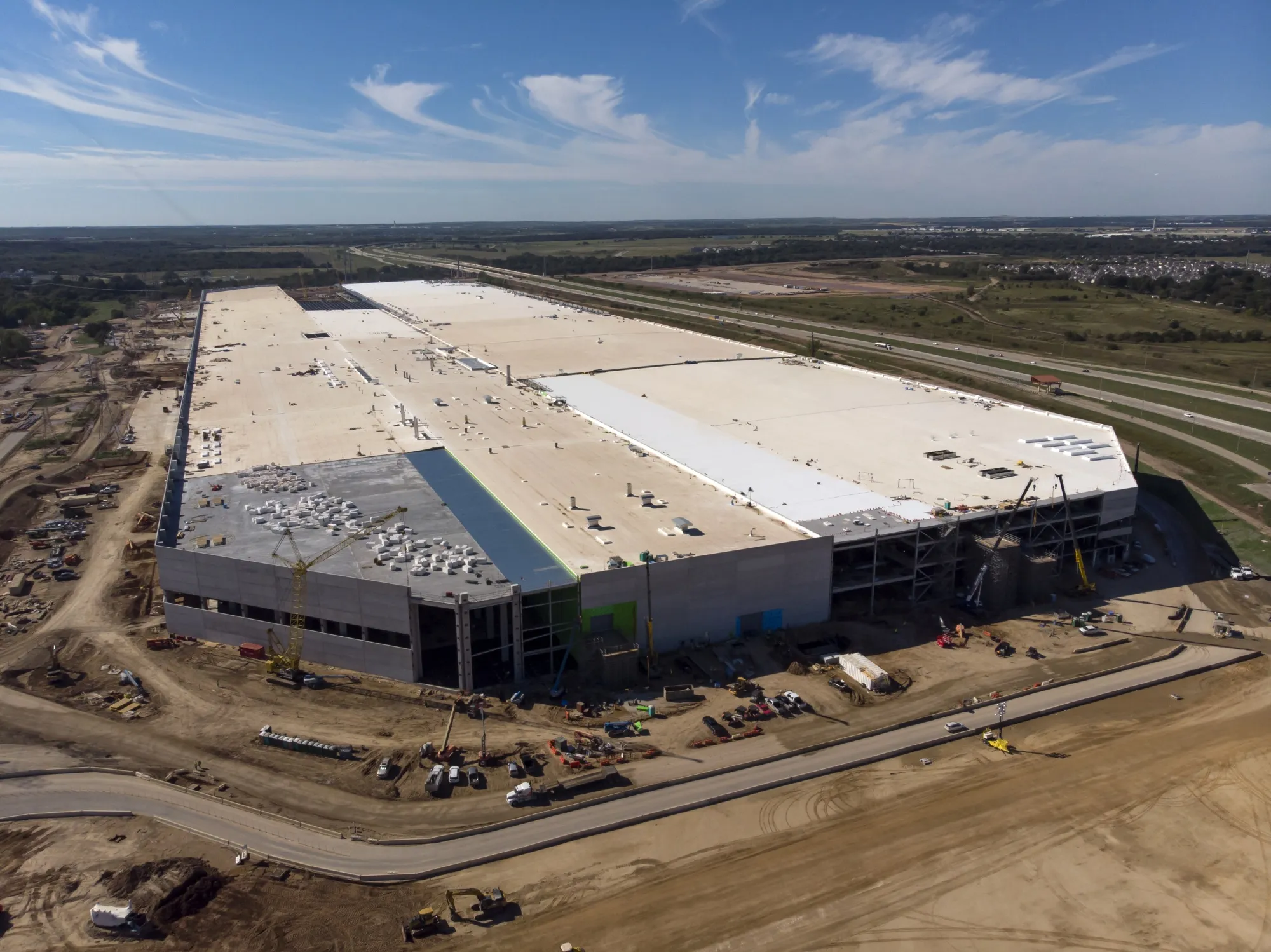
The relocation to Austin in 2021 marked the beginning of a new chapter. Gigafactory Texas is not just an office building; it is a colossal manufacturing hub that spans millions of square feet. By placing the corporate headquarters within the same complex where the Model Y and the Cybertruck are produced, Tesla fundamentally altered its corporate identity. The brand moved away from being a “Silicon Valley tech firm that happens to make cars” to an “integrated energy and robotics powerhouse.” Austin provides a backdrop of rugged independence and rapid expansion, qualities that align perfectly with the “hardcore” work culture that CEO Elon Musk has popularized as a core tenet of the Tesla brand.
Brand Strategy and the Great Relocation
The move to Texas is a masterclass in brand repositioning. In the world of corporate identity, location serves as a visual and narrative shorthand for a company’s values. By shifting its base of operations, Tesla successfully navigated several strategic challenges that were beginning to stifle its brand narrative.
Aligning Corporate Identity with Manufacturing Prowess
One of the most significant risks to the Tesla brand during its mid-life expansion was the perceived gap between its visionary promises and its manufacturing consistency. By moving the headquarters to a Gigafactory, Tesla visually and operationally unified its leadership with its labor force. This “all-under-one-roof” strategy is a key component of Tesla’s brand promise: vertical integration. It tells the story of a company that is deeply involved in every step of the process, from the initial lines of code to the final stamping of steel. This move bolstered the brand’s reputation for efficiency and industrial innovation, distancing it from competitors who outsource their production.
The “Texas Spirit” and the Tesla Persona
Texas carries a specific cultural weight—one associated with energy production, vast space, and a pioneering spirit. For Tesla, a brand that aims to revolutionize the global energy grid and conquer the light-truck market with the Cybertruck, Texas is the perfect stage. The brand identity has evolved to become more populist and industrial. The move allowed Tesla to tap into the “Made in America” sentiment in a way that felt authentic rather than forced. It also served to de-polarize the brand, moving it away from the perceived “coastal elite” bubble of California and positioning it as a brand for the entire continent.

Implications for Corporate Culture and Talent Acquisition
A headquarters is the physical manifestation of a company’s culture. When Tesla moved to Austin, it wasn’t just moving furniture; it was recalibrating its talent pipeline and the lifestyle brand it offers to its employees.
Breaking the Tech Bubble
The high-tech landscape of California often creates a “bubble” effect where companies compete for the same pool of talent, leading to a homogenous corporate culture. By establishing its headquarters in Austin, Tesla gained access to a diverse workforce that includes not only software engineers but also specialists in mechanical engineering, logistics, and large-scale manufacturing who are drawn to the lower cost of living and the burgeoning tech scene in Texas. This diversity of talent is essential for a brand that is expanding into disparate sectors like humanoid robotics (Optimus) and utility-scale battery storage (Megapack).
Regional Branding as a Competitive Advantage
Austin has become a magnet for “the next wave” of American industry. By being the primary anchor of this movement, Tesla has solidified its status as a trendsetter. The brand no longer follows the traditional path of automotive giants in Detroit or tech giants in Mountain View. Instead, it has created its own geographic center of gravity. This independence is a crucial part of the Tesla brand strategy; it reinforces the narrative that Tesla is a category of one, operating on its own terms and creating its own ecosystems.
The Role of the Headquarters in Modern Marketing
In the digital age, a corporate headquarters also functions as a marketing asset. Through drone flyovers, social media updates, and “Cyber Rodeo” launch events, Gigafactory Texas has become a recognizable character in the Tesla story.
Architecture as Brand Statement
The sheer scale of the Austin headquarters is a marketing tool in itself. The facility is one of the largest buildings in the world by footprint, symbolizing the brand’s “think big” philosophy. The minimalist, industrial aesthetic of the factory reflects the design language of the vehicles themselves. When customers and investors see the headquarters, they see a reflection of the product: functional, futuristic, and immense. This consistency between the physical environment and the product line is a hallmark of successful corporate branding.
Transparency and Global Scaling
Tesla’s headquarters serves as the blueprint for its global operations. The design and operational flow established in Austin are mirrored in Gigafactory Berlin and Gigafactory Shanghai. This modular approach to corporate infrastructure allows Tesla to scale its brand identity rapidly across different continents. The headquarters isn’t just a place where executives meet; it is the “master template” for the brand’s global presence. By centralizing operations in a high-output environment like Austin, Tesla communicates a brand message of speed and scalability that is vital for maintaining its market lead in the transition to sustainable energy.
Future-Proofing the Tesla Identity
As Tesla continues to evolve, the significance of its Austin headquarters will likely grow. The location provides the physical and political space necessary for the brand to transition into its next phase: the AI and robotics era.
The decision to anchor the brand in Texas was a calculated move to ensure that Tesla remained agile. In California, the brand was a disruptor in a mature ecosystem. In Texas, the brand is a foundational architect of a new industrial landscape. This shift ensures that the Tesla brand remains synonymous with the future, rather than becoming a legacy tech company tied to the battles of the past decade.
In conclusion, “where” Tesla’s headquarters is located is a question that reveals the heart of its corporate strategy. The move to 13101 Harold Green Road in Austin was a transformative rebranding exercise. It moved the company from the realm of pure “tech” into the realm of “global industrial power.” It aligned the company’s physical presence with its goals of vertical integration, mass-scale production, and cultural independence. For Tesla, the Austin headquarters is more than just a base of operations—it is the physical embodiment of a brand that refuses to be defined by traditional boundaries, constantly repositioning itself to lead the next industrial revolution.
aViewFromTheCave is a participant in the Amazon Services LLC Associates Program, an affiliate advertising program designed to provide a means for sites to earn advertising fees by advertising and linking to Amazon.com. Amazon, the Amazon logo, AmazonSupply, and the AmazonSupply logo are trademarks of Amazon.com, Inc. or its affiliates. As an Amazon Associate we earn affiliate commissions from qualifying purchases.