
In the ever-evolving landscape of technology, understanding the fundamental components that power our gadgets, streamline our processes, and even influence our financial decisions is paramount. Among these crucial, yet often overlooked, components is the thermistor sensor. While the term might sound esoteric, its applications are far-reaching, impacting everything from the smart devices in our homes to the sophisticated machinery in industrial settings. This article will demystify the thermistor sensor, exploring its technological underpinnings, its surprising relevance to brand perception and product reliability, and its subtle but significant connection to the world of money and investment.
The Core Technology: How Thermistors Sense Temperature
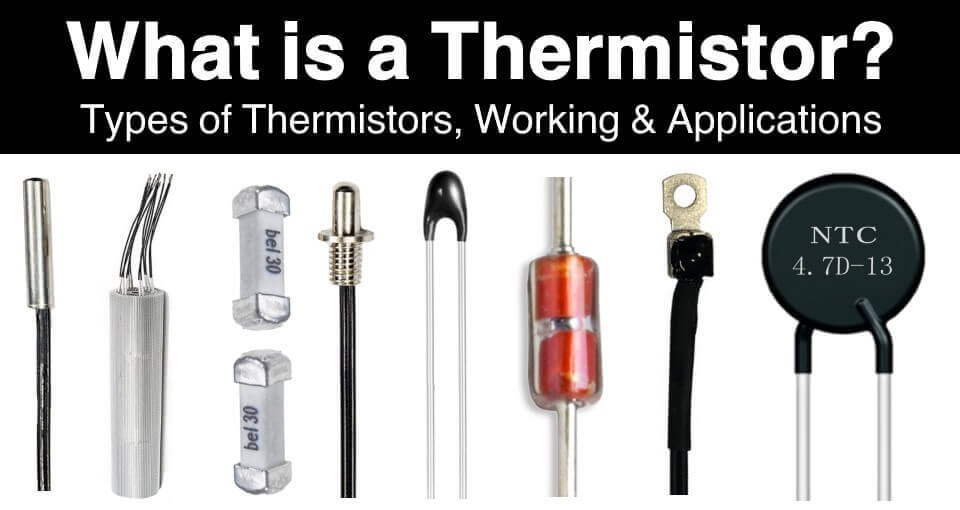
At its heart, a thermistor is a type of resistor whose resistance value changes significantly with temperature. The name itself is a portmanteau of “thermal” and “resistor,” perfectly encapsulating its function. Unlike traditional resistors designed to maintain a stable resistance, thermistors are specifically engineered to be sensitive to thermal fluctuations. This sensitivity is not a flaw; it’s their defining characteristic and the source of their utility.
Understanding Resistance and Temperature
To grasp how a thermistor works, we first need a basic understanding of electrical resistance. Resistance is the opposition to the flow of electric current in a material. In most conductors, like copper wires, resistance changes slightly with temperature. However, for a thermistor, this change is amplified and predictable.
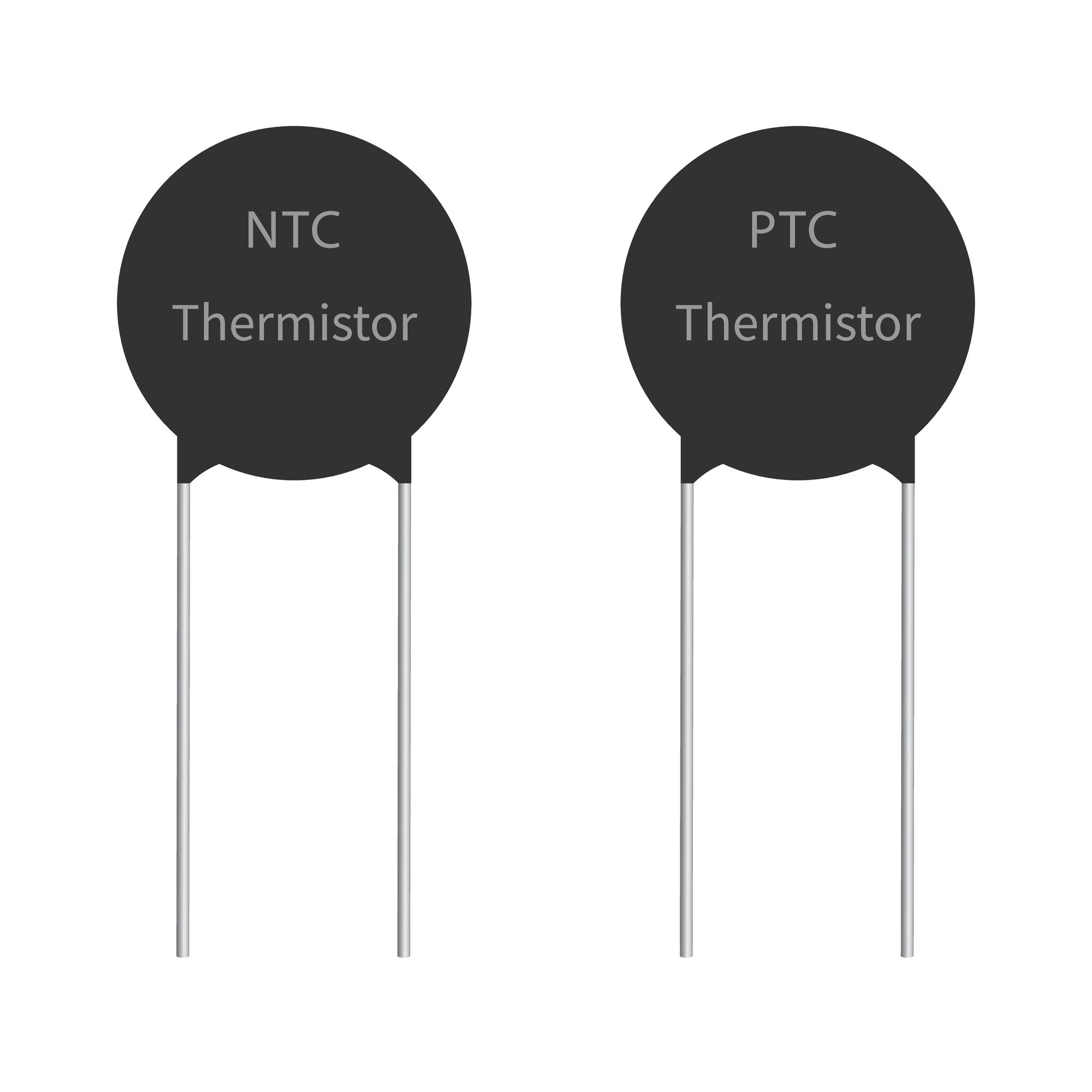
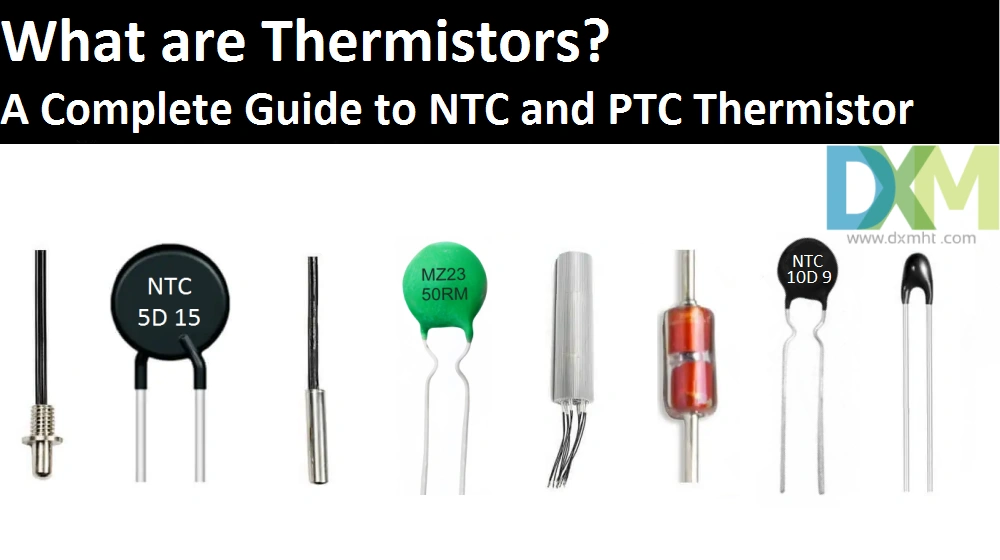
There are two primary types of thermistors, each behaving differently with temperature:
-
Negative Temperature Coefficient (NTC) Thermistors: These are the most common type. As the temperature increases, the resistance of an NTC thermistor decreases. This happens because as the material heats up, more charge carriers (electrons) become available to conduct electricity, thus lowering resistance. Imagine a crowd getting more energized and moving more freely through a space – that’s analogous to the charge carriers in an NTC thermistor.
-
Positive Temperature Coefficient (PTC) Thermistors: In contrast, the resistance of a PTC thermistor increases as the temperature rises. This behavior is often seen in ceramic materials. At lower temperatures, they conduct electricity relatively well. However, as they heat up, their crystalline structure changes, hindering the flow of electrons and dramatically increasing resistance. Think of a narrow passageway becoming even more constricted as it gets hotter, making it harder for people (electrons) to pass.
The Materials Science Behind Thermistors
The specific materials used in thermistor construction are key to their temperature-dependent resistance. For NTC thermistors, semiconductor materials are typically employed. These are often metal oxides such as manganese, cobalt, nickel, and iron, mixed and sintered to form a ceramic material with specific electrical properties. The precise composition and manufacturing process are meticulously controlled to achieve the desired resistance-temperature curve.
PTC thermistors, on the other hand, often utilize polycrystalline ceramics, such as doped barium titanate. The unique Curie temperature of these materials plays a crucial role. Below the Curie temperature, their resistance is low. However, as the temperature approaches and surpasses the Curie point, the material undergoes a phase transition that drastically increases its electrical resistance. This property makes PTC thermistors excellent for overcurrent and overtemperature protection.
How Thermistors are Integrated into Devices
In practical applications, thermistors are typically housed in a protective casing, which can be made of epoxy, glass, or metal, depending on the operating environment and required accuracy. They are then integrated into circuits where their resistance can be measured. This measurement is usually done by incorporating the thermistor into a voltage divider circuit. By measuring the voltage across the thermistor, and knowing the other components in the circuit, the resistance of the thermistor can be calculated. This resistance value is then translated into a temperature reading using calibration data or a lookup table. The accuracy and precision of this translation depend on the quality of the thermistor and the sophistication of the accompanying electronics and software.
Thermistor Sensors: Beyond Basic Temperature Measurement
While their primary function is temperature sensing, the implications of this capability ripple outwards, influencing product design, brand perception, and even economic considerations.
Applications Driving Innovation in Tech Gadgets
The ubiquity of thermistor sensors in modern technology is a testament to their versatility and cost-effectiveness.
-
Smart Home Devices: From your smart thermostat that optimizes your home’s climate for comfort and energy savings to your smart refrigerator that monitors food freshness, thermistors are silently at work. They ensure your appliances operate within optimal temperature ranges, preventing spoilage and maintaining energy efficiency.
-
Consumer Electronics: The smartphone in your pocket is a prime example. Thermistors are used to monitor the battery temperature during charging and discharging cycles, preventing overheating and ensuring longevity. They also play a role in managing the performance of processors, preventing them from throttling due to excessive heat. Similarly, in laptops and gaming consoles, they are essential for regulating fan speeds and protecting internal components.
-
Automotive Technology: The automotive industry relies heavily on thermistors for a myriad of functions. Engine coolant temperature sensors, ambient air temperature sensors, and even cabin climate control systems all utilize thermistors to ensure optimal engine performance, fuel efficiency, and passenger comfort. The precision of these sensors directly impacts the vehicle’s reliability and the driver’s experience.
- Industrial Automation and Control: In manufacturing, industrial processes often require precise temperature control. Thermistors are used in everything from ovens and furnaces to chemical reactors and HVAC systems. Their reliability and accuracy are crucial for maintaining product quality, preventing equipment damage, and ensuring worker safety.
The Impact on Brand Reputation and Product Reliability
The performance of a thermistor sensor, however subtle its contribution might seem, can have a significant impact on a brand’s reputation and the perceived reliability of its products.
-
User Experience: A device that overheats, has an inaccurate temperature reading for its intended function (e.g., a food thermometer), or drains its battery prematurely due to poor thermal management can lead to a frustrated user. This negative experience directly impacts brand perception. Conversely, devices that perform consistently and reliably, even under demanding conditions, foster customer loyalty and positive word-of-mouth.
-
Product Longevity and Durability: Overheating is a common enemy of electronic components. Well-implemented thermistor-based thermal management systems prevent excessive heat buildup, which can degrade components over time and lead to premature failure. Brands that invest in robust thermal solutions, often enabled by high-quality thermistors, can claim greater product longevity and durability, a significant selling point.
-
Safety and Compliance: In certain applications, like medical devices or automotive safety systems, accurate temperature monitoring is not just about performance but also about safety. A faulty temperature sensor could lead to critical system failures. Brands that prioritize safety and use reliable thermistors demonstrate a commitment to their customers’ well-being, bolstering their reputation for trustworthiness.
-
Perceived Quality: The subtle details often contribute to a user’s overall perception of product quality. A device that feels well-engineered, with smooth operation and no unexpected heat issues, suggests a higher level of quality. The seemingly small component like a thermistor plays a vital role in achieving this seamless user experience.
The Financial Implications: From Cost-Effectiveness to Investment Opportunities
The influence of thermistor sensors extends into the financial realm, affecting both the cost of products and potential investment avenues.
-
Cost-Effectiveness in Manufacturing: Thermistors are generally cost-effective components. Their relatively simple design and manufacturing process make them an economical choice for a wide range of applications. This cost-effectiveness allows manufacturers to incorporate advanced temperature monitoring features without significantly driving up the price of their products, making sophisticated technology more accessible to a broader market.
-
Energy Efficiency and Cost Savings: In applications like smart thermostats and industrial HVAC systems, thermistors play a crucial role in optimizing energy consumption. By accurately monitoring and controlling temperatures, they prevent unnecessary energy expenditure, leading to significant cost savings for consumers and businesses alike. This translates to a lower total cost of ownership for products and services.
-
Preventative Maintenance and Reduced Downtime: In industrial settings, the ability of thermistors to detect abnormal temperature rises can signal potential equipment malfunctions. Early detection allows for preventative maintenance, averting costly breakdowns and minimizing production downtime. This proactive approach saves businesses substantial amounts of money by avoiding emergency repairs and lost revenue.
-
Investment in Sensor Technology: For investors, the growing demand for sophisticated sensors, including thermistors, presents opportunities. Companies specializing in the design, manufacturing, and integration of these components are often at the forefront of technological advancement. Understanding the fundamental role of components like thermistors can inform investment decisions in the broader technology sector, particularly in areas like the Internet of Things (IoT), artificial intelligence, and advanced manufacturing. The continuous drive for smaller, more accurate, and more resilient sensors fuels innovation and growth within this market segment.
The Future of Thermistor Technology
The evolution of thermistor sensors is far from over. Researchers and engineers are continuously pushing the boundaries to develop sensors that are:
-
More Accurate and Precise: With the increasing demand for fine-grained temperature control in critical applications, the pursuit of higher accuracy and precision in thermistor readings is ongoing.
-
Faster Response Times: For dynamic systems where rapid temperature changes occur, sensors with quicker response times are essential for effective control and safety.
-
Smaller and More Integrated: The trend towards miniaturization in electronics necessitates smaller thermistor components that can be seamlessly integrated into increasingly compact devices.
-
More Robust and Durable: For harsh industrial environments or applications exposed to extreme conditions, the development of more rugged and resilient thermistor sensors is a key area of focus.
-
Smart and Connected: Future thermistors may incorporate embedded intelligence, allowing them to perform local data processing, communicate wirelessly, and integrate more seamlessly into the Internet of Things ecosystem.
Conclusion: The Silent Sentinel of Temperature
From the mundane to the mission-critical, thermistor sensors are the unsung heroes of temperature monitoring. They are the silent sentinels that ensure our technology functions optimally, our brands are perceived positively, and our financial resources are managed efficiently. By understanding the fundamental principles of how these unassuming components work, we gain a deeper appreciation for the intricate engineering that underpins our modern world, and recognize their ongoing significance across the interconnected realms of technology, brand building, and financial well-being. As technology continues its relentless march forward, the humble thermistor sensor will undoubtedly remain an indispensable part of its foundation.
aViewFromTheCave is a participant in the Amazon Services LLC Associates Program, an affiliate advertising program designed to provide a means for sites to earn advertising fees by advertising and linking to Amazon.com. Amazon, the Amazon logo, AmazonSupply, and the AmazonSupply logo are trademarks of Amazon.com, Inc. or its affiliates. As an Amazon Associate we earn affiliate commissions from qualifying purchases.