
When navigating the property market in England, one housing type that frequently appears is the “terraced house.” Unlike standalone detached or semi-detached properties, terraced houses share side walls with their neighbours, forming a continuous row. This distinctive architectural style has deep roots in English history and continues to be a popular and practical housing solution, particularly in urban and suburban areas. Understanding what constitutes a terraced house, its typical characteristics, and the factors that influence its appeal is crucial for anyone considering buying, renting, or simply familiarising themselves with the English property landscape.

The Architectural DNA of the Terraced House
The concept of terraced housing isn’t exclusive to England, but it has been particularly prevalent and influential in its development. The origins of the modern terraced house can be traced back to the Georgian and Victorian eras, periods of significant urbanisation and population growth in England. As cities expanded, developers sought efficient ways to house large numbers of people, leading to the construction of rows of identical or similar houses built in a connected fashion. This maximised land use and offered a more affordable housing option for the burgeoning middle classes.
Form and Function: Defining Features
At its core, a terraced house is defined by its shared party walls. Each house in the row is physically connected to its neighbours on either side, except for the houses at the ends of the terrace, known as “end-of-terrace” houses. These end units share a wall with only one neighbour and typically have more external space, often a side garden, compared to their internal counterparts.
Key defining features of a typical terraced house include:
- Attached Structure: The defining characteristic is being built as part of a continuous row.
- Party Walls: Shared walls with adjacent properties are a fundamental aspect. This means noise insulation and structural support are shared.
- Linear Layout: Internally, terraced houses often feature a linear layout, with rooms arranged one behind the other on each floor.
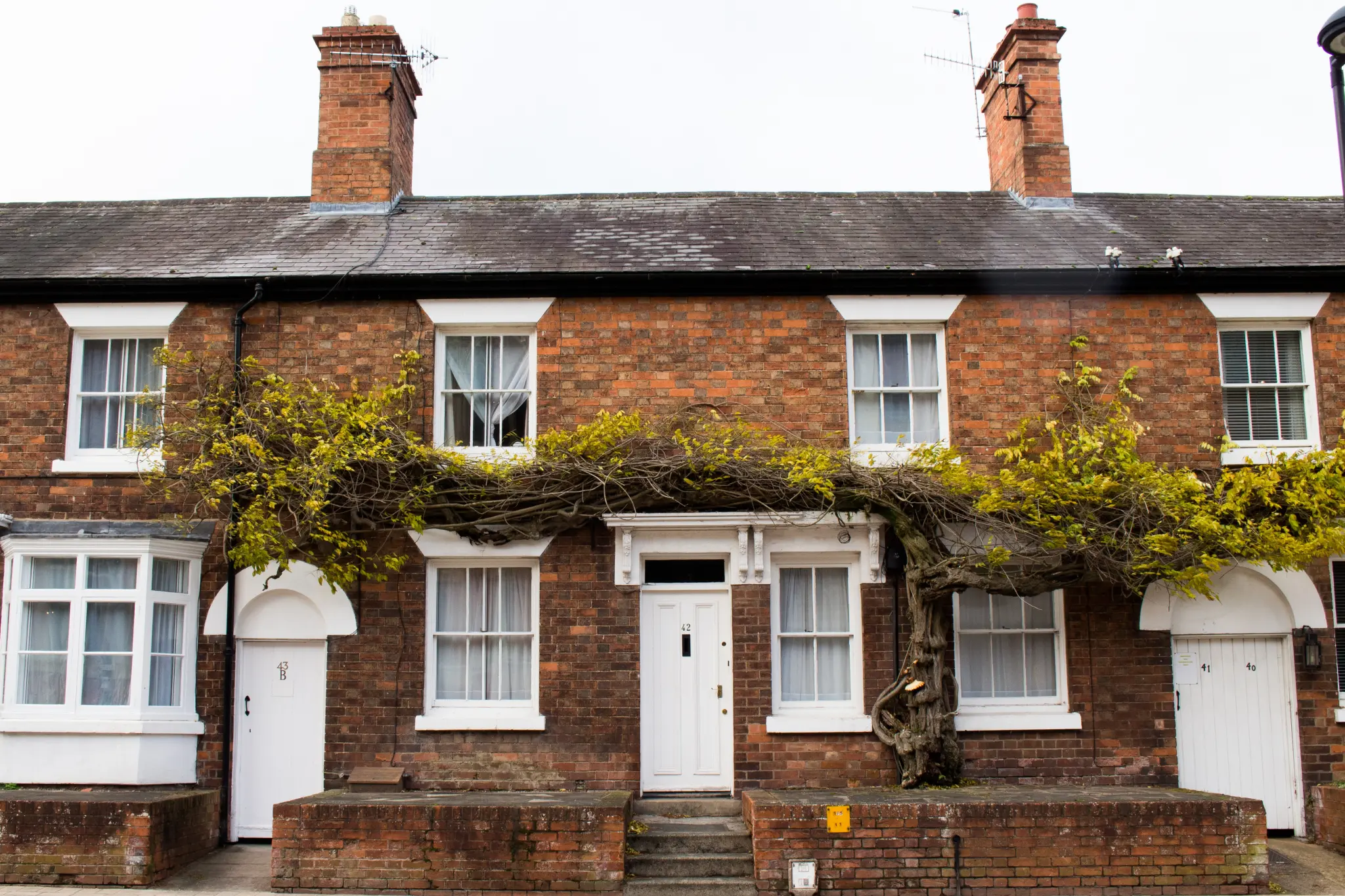
- Limited External Space: Compared to detached or semi-detached homes, terraced houses generally have smaller gardens, often confined to the rear of the property. Front gardens are usually minimal or non-existent, often replaced by small paved areas.
- Uniformity: Historically, terraced houses were built to a consistent design within a specific development, creating a recognisable streetscape. While modern renovations can vary this, the original architectural framework often remains.
- Multiple Storeys: Most terraced houses are two or three storeys high, accommodating living spaces, bedrooms, and bathrooms across these levels.
The visual impact of a terraced street is one of uniformity and a strong sense of community, often characterised by identical or similar facades, window styles, and rooflines. This architectural cohesion is a hallmark of many English towns and cities.
Evolution and Variations: From Victorian Grandeur to Modernity
While the classic Victorian terraced house remains iconic, the concept has evolved. Post-war Britain saw the construction of different styles of terraced housing, sometimes referred to as “council estates” or “ex-local authority housing.” These might have different materials, layouts, and less ornate detailing than their Victorian predecessors.
Even within the traditional terraced house, variations exist:
- Mid-terrace: These are the houses in the middle of the row, sharing walls with neighbours on both sides.
- End-of-terrace: These are the houses at either end of the row, sharing a wall with only one neighbour. They often benefit from a slightly larger plot or a side access.
- Through-terrace: Less common, these houses have openings at both the front and the rear, allowing for access through the property.
- Victorian Terraces: Often characterised by their red brick, sash windows, ornate chimneys, and sometimes decorative ironwork. They tend to have higher ceilings and more spacious rooms.
- Edwardian Terraces: Similar to Victorian, but often with lighter brickwork and more Arts and Crafts influences in their design.
- Post-War Terraces: Typically built with simpler materials like concrete blocks or brick, and a more functional, less decorative design.
The heritage and architectural style of a terraced house can significantly influence its value and desirability. Older, well-maintained Victorian or Edwardian terraces in desirable locations often command higher prices due to their character and historical appeal.
The Practicality and Appeal of Terraced Living
The enduring popularity of terraced houses in England stems from a blend of practical advantages and a perceived sense of community. They offer a tangible solution to housing needs, especially where space is at a premium, and provide a stepping stone onto the property ladder for many.
Affordability and Accessibility: A Gateway to Homeownership
One of the primary reasons terraced houses remain so prevalent is their relative affordability compared to detached or semi-detached properties, especially in urban centres. The shared construction costs and efficient use of land make them a more accessible entry point into homeownership for first-time buyers and those with moderate budgets. This economic factor has cemented their role in the housing market for generations.
Furthermore, the concentration of terraced housing in established urban and suburban areas means they often benefit from excellent transport links, proximity to amenities, and vibrant local communities. This makes them an attractive option for those who value convenience and a connection to city life.
Community and Connection: The Social Fabric of Terraced Streets
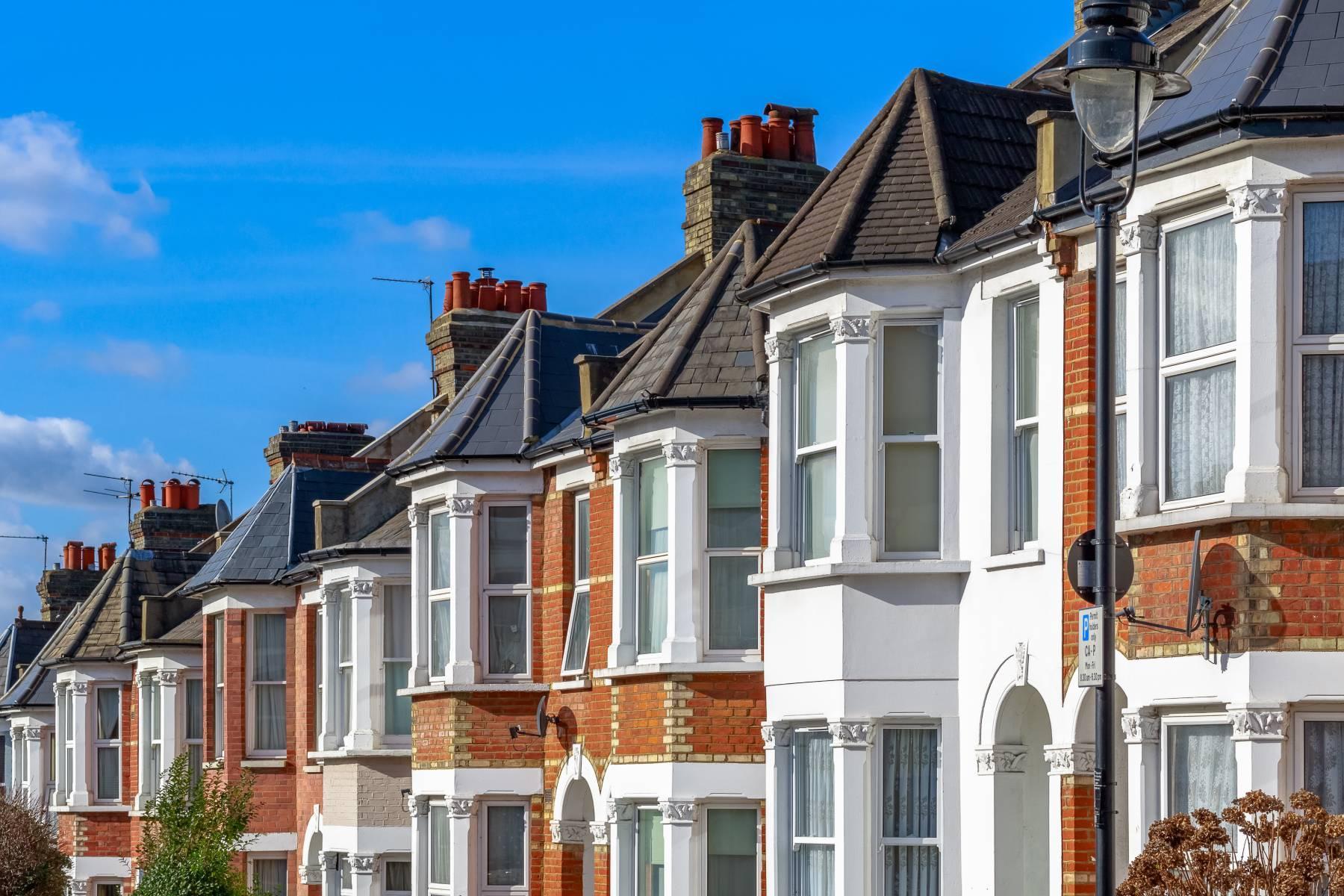
There’s a distinct social dynamic often associated with terraced streets. The close proximity of neighbours can foster a stronger sense of community and mutual awareness. This can manifest in various ways:
- Shared Responsibility: Residents may collectively look out for each other’s properties, creating a safer environment.
- Informal Social Interaction: The shared front pathways or gardens can lead to spontaneous conversations and a friendly atmosphere.
- Local Identity: Terraced streets often develop their own unique character and identity, contributing to a sense of belonging for residents.
While some might perceive the lack of privacy as a downside, for many, the inherent sociability of terraced living is a significant draw. It harks back to a time when neighbourhoods were more closely knit, and this aspect continues to resonate with many people.
Space Efficiency and Sustainable Living
Terraced houses are inherently space-efficient. By sharing walls, they reduce the amount of external wall surface per dwelling, which can contribute to better energy retention. While older terraced houses may require modern insulation upgrades, their compact footprint minimises land consumption. This is a significant consideration in densely populated areas.
From a design perspective, the linear layout, while sometimes a challenge for open-plan living, can be effectively utilised. Many homeowners have creatively adapted the internal spaces of terraced houses to suit modern lifestyles, incorporating open-plan kitchen-diners, modern bathrooms, and extensions (subject to planning permission).
Considerations for Terraced House Ownership
While terraced houses offer many advantages, potential buyers and renters should be aware of certain aspects unique to this housing type. Understanding these considerations will help in making an informed decision and ensuring a smooth living experience.
Shared Walls: Noise and Maintenance
The most significant difference from detached or semi-detached homes is the presence of party walls. This means that sound insulation between properties can be a concern. While modern construction techniques and internal renovations can mitigate this, it’s something to be mindful of, particularly if neighbours are noisy.
Maintenance of party walls is also a shared responsibility. Any structural issues or significant alterations to a party wall typically require agreement and contribution from both neighbouring property owners. This is usually managed through legal agreements like deeds of covenant.
Limited Outdoor Space and Potential for Extension
As mentioned, terraced houses typically have smaller gardens, often at the rear. This might be a drawback for those who desire extensive outdoor space for gardening, children’s play, or entertaining. However, the compact rear gardens can be easier to maintain.
Extending a terraced house often involves building at the rear or converting loft spaces. Rear extensions are common, but they are limited by the property’s boundary and may require planning permission, especially if they extend beyond a certain depth or height. Loft conversions are also popular for adding extra living space, provided the roof structure is suitable.
External Appearance and Conservation Areas
Many older terraced streets are designated as conservation areas due to their historical and architectural significance. This means that external alterations, such as changing window styles, repainting facades, or altering rooflines, may be restricted and require consent from the local authority. While this helps preserve the character of the area, it can limit individual homeowners’ ability to make certain changes.
Insurance Considerations
Home insurance for terraced houses is generally straightforward, but it’s worth noting that insurers may inquire about the age of the property and any shared walls. Ensuring adequate cover for the structure and contents, as well as potential issues arising from shared walls (though less common), is important.
The Enduring Legacy of the English Terraced House
The terraced house in England is more than just a type of dwelling; it’s an integral part of the nation’s urban fabric and social history. From its origins as a solution to rapid urbanisation to its modern-day appeal as an affordable and community-oriented home, the terraced house continues to adapt and thrive.
Whether you are drawn to the charm of a Victorian terrace, the practicality of a post-war build, or the vibrant street life they often afford, understanding the characteristics and nuances of terraced living is key to appreciating their significant and enduring role in the English property market. They represent a rich architectural heritage, a practical approach to housing, and a continued testament to the communal spirit that underpins many English neighbourhoods.
aViewFromTheCave is a participant in the Amazon Services LLC Associates Program, an affiliate advertising program designed to provide a means for sites to earn advertising fees by advertising and linking to Amazon.com. Amazon, the Amazon logo, AmazonSupply, and the AmazonSupply logo are trademarks of Amazon.com, Inc. or its affiliates. As an Amazon Associate we earn affiliate commissions from qualifying purchases.