
Navigating the complexities of travel cancellations is no longer just a logistical hurdle; it is a critical component of personal finance management. When booking through a third-party aggregator like Expedia, the financial stakes are high. Whether you are managing a corporate budget or planning a personal vacation, understanding the underlying mechanics of refundability, credit windows, and consumer protection is essential for mitigating financial risk. The cancellation policy on Expedia is not a single, monolithic rule but rather a multifaceted framework determined by the intersection of service provider terms, booking tiers, and the timing of the request.
Decoding the Financial Architecture of Expedia Bookings
The most important distinction a consumer must make when evaluating an Expedia booking is the difference between Expedia’s platform-wide policies and the individual service provider’s terms. Expedia functions as a marketplace; while they facilitate the transaction, the ultimate authority over your money often resides with the airline, hotel chain, or car rental agency.
The 24-Hour Consumer Protection Standard
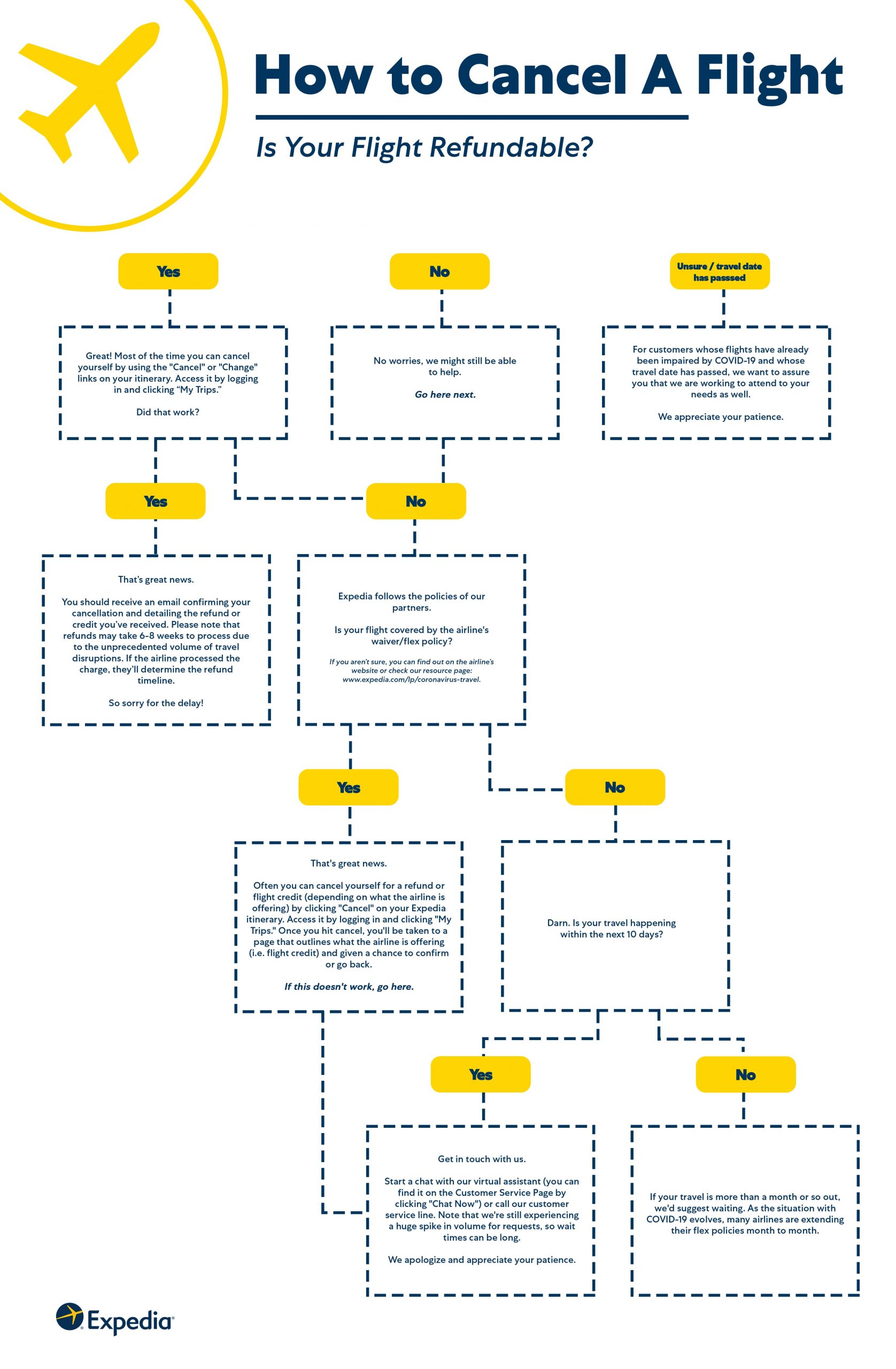
In the realm of personal finance, liquidity and the ability to reverse a high-cost transaction are vital. For flight bookings, Expedia generally adheres to the industry-standard 24-hour grace period. This allows travelers to cancel a flight within 24 hours of booking for a full refund, provided the booking was made at least seven days prior to the departure date. This “cooling-off” period is a vital financial safety net, allowing users to correct errors or re-evaluate their budget without incurring “sunk costs” in the form of cancellation fees.
Refundable vs. Non-Refundable Rates: The Cost of Flexibility
When browsing Expedia, you will frequently encounter two price points for the same service. The lower price is typically a “Non-Refundable” rate, while the higher price is “Fully Refundable.” From a financial strategy perspective, the premium paid for a refundable rate is essentially an insurance premium. If your itinerary has a high probability of change, paying an extra 10–15% upfront is a calculated move to protect 100% of the principal investment. Conversely, choosing the non-refundable route is a form of self-insurance; you save money on the front end but accept the total loss of the capital if you cannot fulfill the booking.
Asset-Specific Cancellation Dynamics: Managing Different Travel Components
Not all travel assets are treated equally in the eyes of Expedia’s financial engine. The rules governing a hotel room are fundamentally different from those governing a transatlantic flight or a bundled vacation package.
Accommodations: The 48-Hour Window
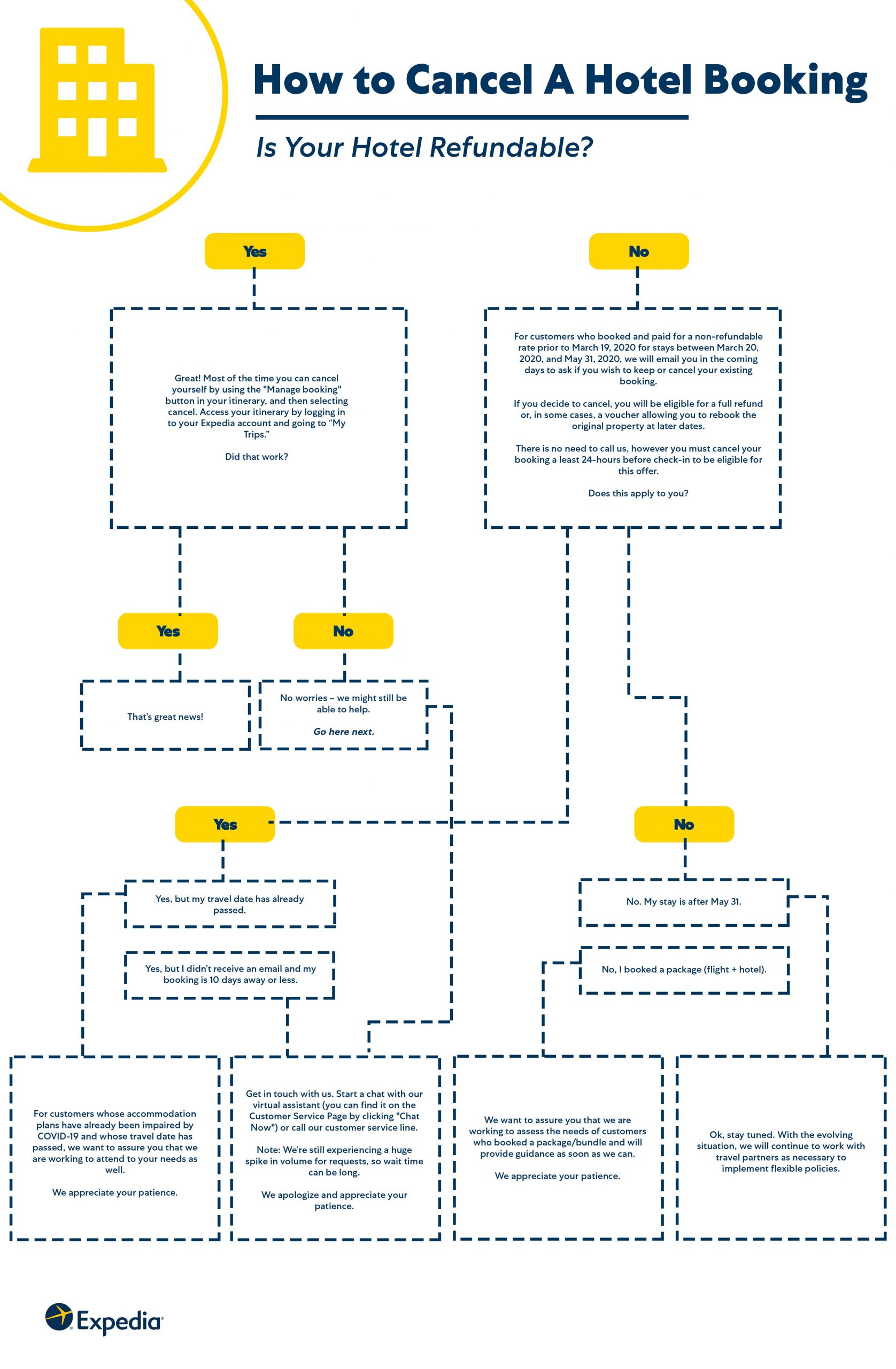
Hotels on Expedia offer the most flexibility, but this flexibility is governed by strict “cutoff” times. Most refundable hotel bookings require a cancellation at least 48 to 72 hours before the check-in time to receive a full refund.
From a cash-flow perspective, it is important to note the difference between “Pre-paid” and “Pay at Property” bookings. If you select a pre-paid refundable room, Expedia holds your capital until the stay. If you cancel within the window, the refund process initiates, but the “float”—the time your money is out of your account—can last several business days. “Pay at Property” bookings are superior for liquidity management, as no capital is deployed until the service is rendered, though a credit card is usually held as a guarantee against “no-show” fees.
Flights: Navigating the “Basic Economy” Trap
Flights are the most rigid financial instruments on the Expedia platform. In recent years, the rise of “Basic Economy” has introduced a tier of tickets that are strictly non-refundable and non-changeable. When you purchase these through Expedia, the money is effectively gone the moment the 24-hour window closes.
For higher-tier tickets, Expedia’s system reflects the airline’s move toward “Travel Credits.” Instead of a cash refund to your credit card, you may receive an Expedia-managed airline credit. These credits have expiration dates—usually 12 months from the original booking date—which means they are not true refunds but rather “forced future expenditures.” Understanding the expiration and transferability of these credits is essential for maintaining the value of your travel budget.
Vacation Packages and Bundled Risk
Expedia’s “Bundle and Save” feature is an attractive marketing proposition, but it complicates the financial recovery process. A package often involves three different sets of cancellation policies (flight, hotel, and car). If you need to cancel a package, you may find that the hotel portion is refundable while the flight portion is only eligible for a credit. This fragmentation makes “total loss prevention” difficult and requires the consumer to audit each component of the bundle individually.
Leveraging Financial Tools for Risk Mitigation
To navigate the potential for financial loss on Expedia, savvy consumers must look beyond the “Cancel” button and utilize external financial tools.
The Strategic Use of Travel Insurance
During the checkout process, Expedia will invariably offer an “All-In-One” travel protection plan. This is a third-party insurance product. For a traveler, the decision to purchase this should be based on a risk-benefit analysis. These plans typically cover “covered reasons” such as illness, job loss, or jury duty.
However, from a sophisticated financial standpoint, “Cancel for Any Reason” (CFAR) upgrades are the only way to ensure total liquidity. Standard insurance policies are often restrictive. If you are booking a high-value trip ($5,000+), the cost of the insurance is a necessary business expense to protect against the volatility of life events that don’t fit into the “covered reasons” category.
Credit Card Protections: The Hidden Layer of Security
Before paying for an Expedia protection plan, investors in travel should review their credit card’s benefits guide. Premium cards (such as the Chase Sapphire Reserve or the American Express Platinum) often provide built-in trip cancellation and interruption insurance that mirrors or exceeds the protection offered by Expedia. Utilizing these financial tools allows you to book the lower “non-refundable” rates on Expedia while still maintaining a safety net, effectively optimizing your spend-to-risk ratio.
The Refund Lifecycle: Managing Cash Flow and Credit Recovery
The moment you click “Cancel” on Expedia, a financial process begins that can take anywhere from 24 hours to two full billing cycles. Understanding this timeline is crucial for personal accounting and budget forecasting.
Refund Timelines and Processing
Expedia generally processes refunds within 24 hours of the cancellation request. However, the movement of funds back to your original payment method depends on the banking system. For hotel and car rental refunds, the money usually appears in 7–10 business days. For flights, the process can be significantly longer—sometimes up to 30 days—depending on how the airline handles the reversal of the transaction.
Navigating Disputes and “Stuck” Refunds
In some instances, a refund may become “stuck” in the digital plumbing between Expedia and the service provider. If a refund has not appeared after two weeks, the consumer must initiate a “Three-Way Audit.” This involves confirming the cancellation ID from Expedia and then verifying with the service provider (the hotel or airline) that the funds were actually released. If the provider claims the refund was sent but it hasn’t arrived, the next step is a formal inquiry with your credit card issuer.
Best Practices for Financial Security on Expedia
To maximize your consumer rights and protect your capital when using Expedia, follow these strategic guidelines:
-
Document the Policy at Purchase: Screenshot the specific cancellation window at the time of booking. Policies can be updated, and having a “receipt” of the terms you agreed to is vital for any future disputes.
-
The 24-Hour Review: Treat the first 24 hours after booking as a “financial audit” period. Confirm the dates, prices, and your own availability. This is your only window for a cost-free exit.
-
Prioritize Direct Communication for Late Changes: If you are within 24 hours of your check-in and need to cancel a “non-refundable” hotel, calling the hotel manager directly is often more effective than going through the Expedia portal. While Expedia is bound by the contract, a hotel manager has the financial discretion to waive fees, which they can then communicate to Expedia to trigger a refund.
-
Use Expedia Points Strategically: Remember that if you cancel a booking made with Expedia Rewards points, the points are usually returned to your account, but their expiration date may not be extended. Manage these as “volatile assets” and re-book quickly to ensure the value is not lost.
By viewing Expedia’s cancellation policy through the lens of financial management rather than just customer service, travelers can make more informed decisions. The goal is to minimize “leakage”—those small fees and non-refundable deposits that erode your net worth over time—and ensure that your travel capital remains as flexible and secure as possible. Understanding the tiers of refundability, the timing of the refund lifecycle, and the external protections available through credit cards will allow you to use Expedia as a powerful tool for global mobility without exposing yourself to unnecessary financial risk.
aViewFromTheCave is a participant in the Amazon Services LLC Associates Program, an affiliate advertising program designed to provide a means for sites to earn advertising fees by advertising and linking to Amazon.com. Amazon, the Amazon logo, AmazonSupply, and the AmazonSupply logo are trademarks of Amazon.com, Inc. or its affiliates. As an Amazon Associate we earn affiliate commissions from qualifying purchases.