
The digital travel landscape has evolved from simple directory listings into complex, integrated ecosystems that manage billions of data points daily. At the center of this transformation is Expedia, a platform that functions as both a sophisticated search engine and a robust management interface for global travel logistics. Whether you are navigating a shift in plans or managing a corporate itinerary, understanding the technical workflow of canceling a hotel reservation on Expedia is essential for any modern traveler. This guide provides a deep dive into the software interface, the underlying synchronization processes, and the step-by-step technical procedures required to manage your bookings across web and mobile platforms.
Navigating the Expedia Digital Interface: Web vs. Mobile App
The Expedia user experience (UX) is designed to provide parity across different hardware environments, yet the technical execution varies between the desktop web browser and the native mobile application. Understanding these interfaces is the first step in successfully managing your digital reservations.
The Desktop Web Dashboard Workflow
When accessing Expedia via a web browser (Chrome, Safari, Firefox, or Edge), you are interacting with a high-performance web application built to handle complex data queries. The “My Trips” section is the central hub for all server-side data related to your account. Upon logging in, the browser sends a request to Expedia’s database to retrieve all active itinerary identifiers associated with your user ID.
To locate your reservation on a desktop:
-
Navigate to the Expedia homepage and ensure you are authenticated via the “Sign In” module.
-
Click on the “Trips” icon located in the primary navigation header. This action triggers a GET request to the itineraries API.
-
The platform will render a list of upcoming, completed, and canceled bookings. Each entry is tied to a unique 13-digit itinerary number, which serves as the primary key in Expedia’s relational database.
The Mobile App Experience (iOS and Android)
The Expedia mobile app utilizes native UI components to offer a more streamlined, touch-optimized experience. Unlike the web version, which may rely on session cookies, the app often utilizes persistent authentication tokens (OAuth 2.0) to keep you logged in.
To access your reservation via the app:
-
Open the application and tap the “Trips” tab in the bottom navigation bar.
-
The app performs a background synchronization with the cloud to refresh your booking status.
-
Locate the specific hotel booking card. The app uses a card-based layout design that encapsulates all metadata—such as check-in dates, confirmation codes, and cancellation policy summaries—into a single viewable object.
The Step-by-Step Technical Tutorial for Cancellation
Canceling a reservation is not merely a UI interaction; it is a multi-step database operation that involves Expedia’s servers communicating with the hotel’s property management system (PMS).
Step 1: Accessing Itinerary Management
Once you have located the correct trip within the “Trips” section, you must click on the specific reservation to open the “Manage Booking” view. This page is a dynamic dashboard that pulls real-time data from the Global Distribution System (GDS). Look for the link or button labeled “Cancel Reservation” or “Manage Booking.” If the booking was made as a “Guest” without an account, you must use the “Find your itinerary” tool, which requires the email address used during checkout and the 13-digit itinerary number.
Step 2: Reviewing the Cancellation Policy Logic
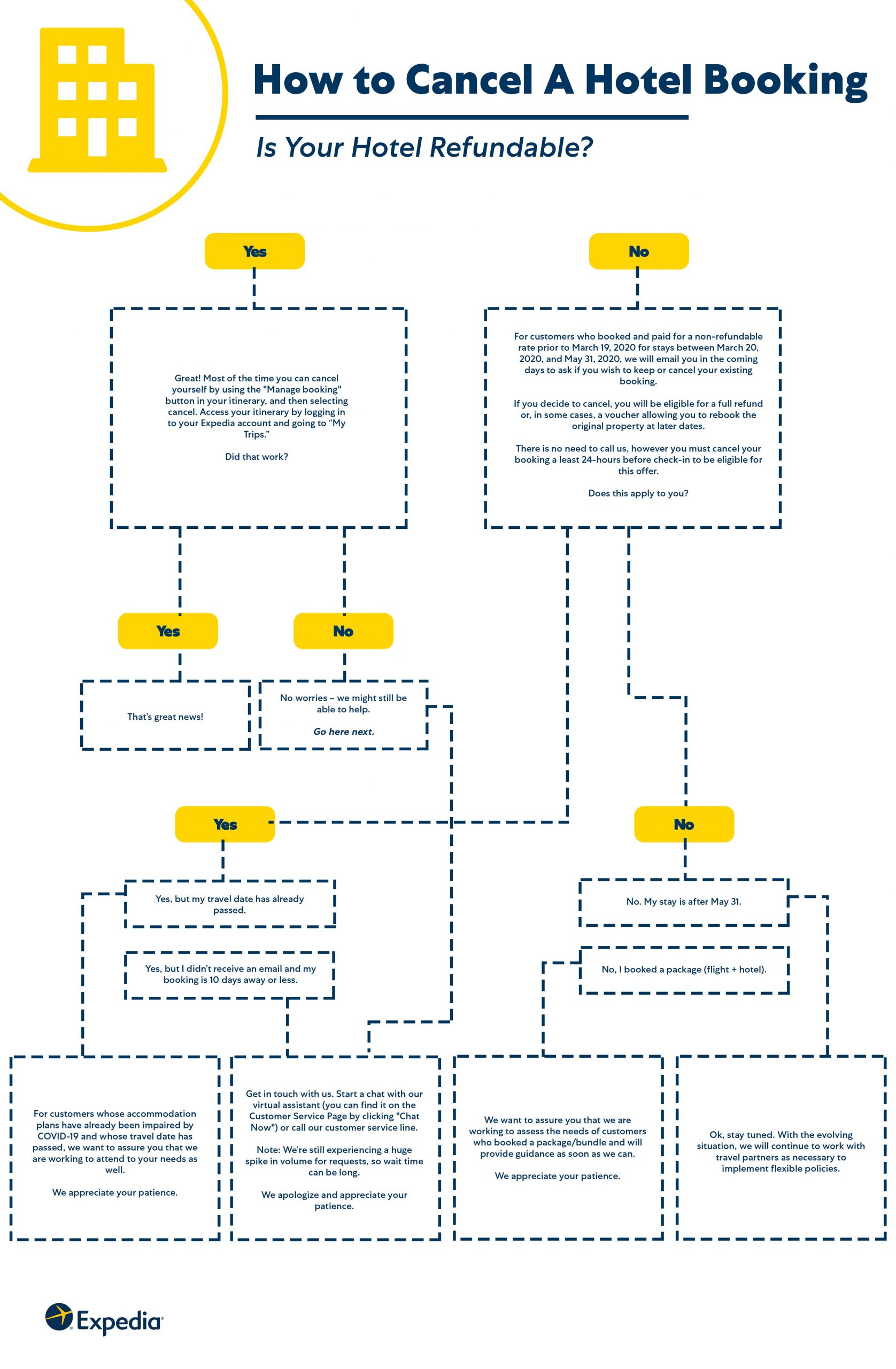
Before the system executes the cancellation command, it will display the specific cancellation policy associated with your booking. This is a critical stage where the software checks the “Cancellation Window” timestamp against the current server time.
-
Free Cancellation: If the current time is before the hotel’s specified deadline (usually 24 to 48 hours before check-in), the system flags the transaction for a full refund.
-
Non-Refundable: If the booking was flagged as “non-refundable” at the time of purchase, the “Cancel” button may lead to a screen informing you that while the reservation can be stricken from the record, no API call for a refund will be triggered to the payment gateway.
Step 3: Executing the Cancellation Command
After clicking “Cancel Room” or “Cancel Reservation,” a confirmation modal will appear. This is a safety UX feature to prevent accidental data loss. Upon your final confirmation:
-
Expedia sends a cancellation request to the hotel’s API.
-
The hotel’s system updates its inventory to “Available.”
-
Expedia’s database updates the itinerary status to “Cancelled.”
-
A POST request is sent to the email notification service to dispatch a cancellation confirmation to your inbox.
Troubleshooting Technical Barriers and System Errors
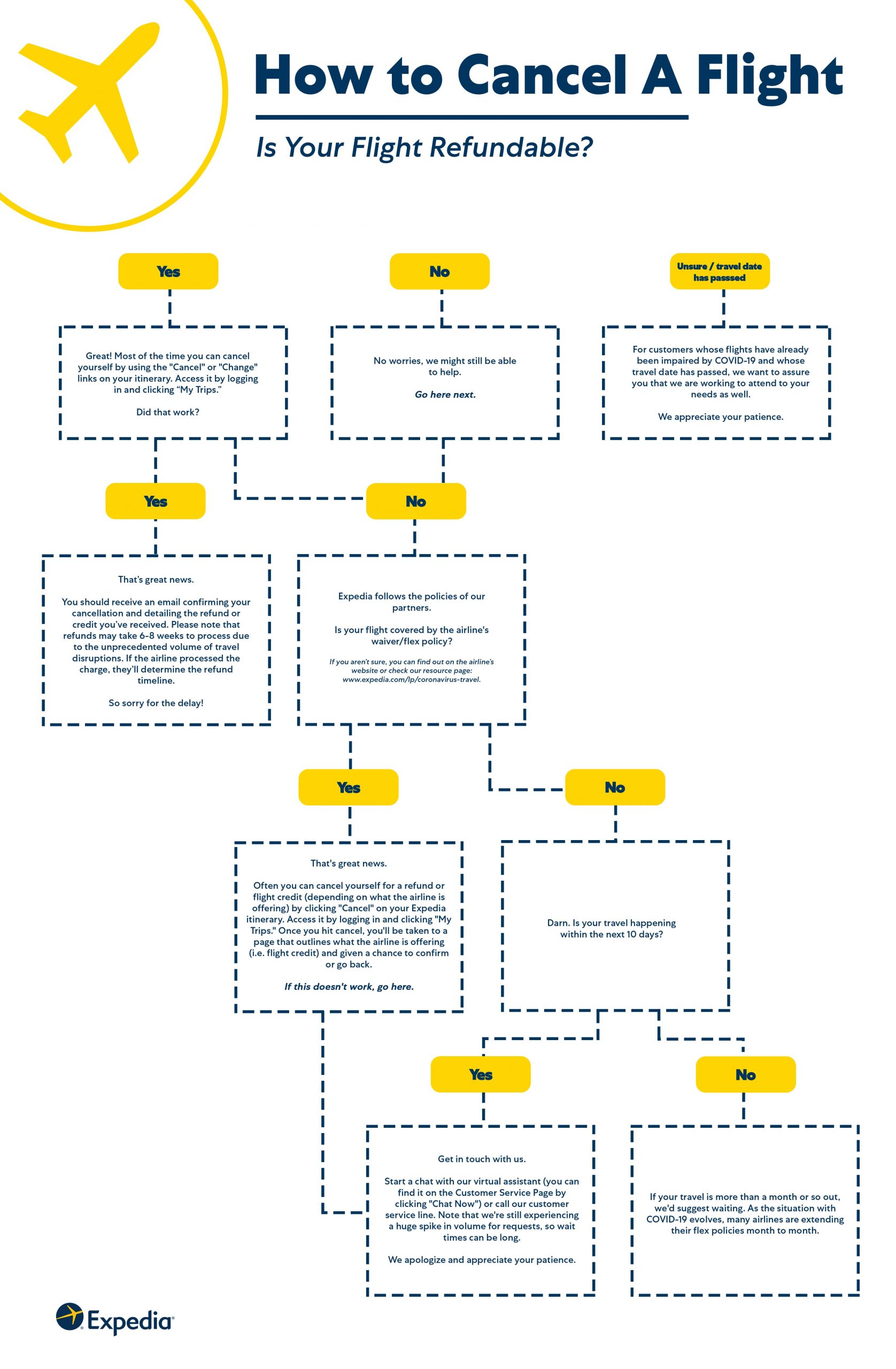
In a perfect technical environment, cancellations happen in seconds. However, several factors can interfere with the digital handshake between Expedia and its partners.
Synchronization Issues and Grayed-Out Buttons
Occasionally, users may find the “Cancel” button is inactive or “grayed out.” This typically occurs due to a synchronization lag between the Expedia frontend and the hotel’s backend. If the hotel has already processed the check-in on their end, or if the reservation is too close to the check-in time for automated processing, the UI will disable the self-service option.
In these instances, the technical workaround involves:
-
Clearing Cache and Cookies: Old session data can sometimes prevent the UI from updating to the latest booking state.
-
Version Check: Ensure your mobile app is updated to the latest version, as outdated API calls may fail to communicate with refreshed server endpoints.
Leveraging the Virtual Assistant (AI Chatbot)
Expedia has integrated an advanced Natural Language Processing (NLP) Virtual Assistant to handle cancellations that fail through the standard UI. The chatbot functions as an automated bridge. When you type “cancel my hotel,” the bot parses your intent, identifies your most recent upcoming trip, and checks the refund eligibility via an automated script. This is often faster than waiting for a human agent because the bot has direct read/write access to the itinerary database.
Handling “Book on Expedia, Pay at Hotel” Reservations
There is a technical distinction between “Prepaid” and “Pay at Property” bookings. For “Pay at Property” reservations, Expedia holds your credit card details as a guarantee but does not process the transaction. When you cancel these through the Expedia platform, the system sends a notification to the hotel to release the hold. If you encounter issues here, it is often necessary to contact the hotel directly, as they own the financial record of the transaction.
Security and Data Privacy in the Cancellation Process
Because hotel cancellations involve sensitive financial data and Personal Identifiable Information (PII), Expedia employs several layers of digital security during the process.
Secure Transactions and Payment Gateways
When a refund is triggered during a cancellation, Expedia does not simply “send money back.” Instead, it issues a “Refund” command to the payment gateway (such as Stripe, PayPal, or a banking merchant). This command references the original transaction ID. The gateway then communicates with your issuing bank via secure, encrypted channels (SSL/TLS) to reverse the credit or debit. This process can take 7–10 business days due to the legacy batch-processing nature of the global banking system.
Multi-Factor Authentication (MFA)
To prevent unauthorized cancellations—which could be used as a form of digital harassment or fraud—Expedia may require Multi-Factor Authentication if it detects a login from an unrecognized IP address or a new device. Always ensure that the email address and phone number associated with your Expedia account are current to facilitate these security checks.
Protecting Your Itinerary Number
The 13-digit itinerary number is essentially the “password” to your travel details. If you are sharing screenshots of your travel plans on social media or via unencrypted messaging apps, ensure this number is redacted. Anyone with your email address and itinerary number can technically access the management dashboard and initiate a cancellation.

The Architecture of Digital Travel Management
The ability to cancel a hotel reservation with a few clicks is the result of a sophisticated interplay between user interface design, cloud computing, and real-time API integrations. Expedia’s platform acts as an abstraction layer, hiding the immense complexity of Global Distribution Systems and hotel Property Management Systems behind a user-friendly facade.
By understanding the technical steps—from initial authentication to the final database update—users can navigate the platform with greater confidence. Whether you are troubleshooting a failed sync or simply ensuring your refund is being processed correctly, recognizing the “how” and “why” of the Expedia software architecture ensures a smoother, more secure digital travel experience. As AI and automated workflows continue to integrate deeper into travel tech, the process of managing itineraries will only become more seamless, provided users stay informed about the tools at their disposal.
aViewFromTheCave is a participant in the Amazon Services LLC Associates Program, an affiliate advertising program designed to provide a means for sites to earn advertising fees by advertising and linking to Amazon.com. Amazon, the Amazon logo, AmazonSupply, and the AmazonSupply logo are trademarks of Amazon.com, Inc. or its affiliates. As an Amazon Associate we earn affiliate commissions from qualifying purchases.