
Navigating the complexities of federal taxation often feels like a daunting task, even for seasoned taxpayers. One of the most fundamental yet critical questions that arises during the tax season is a logistical one: to whom exactly should a physical check be addressed? While the digital age has ushered in a wave of electronic payment options, many individuals and small business owners still prefer the tangible record of a paper check or money order. Ensuring this document is filled out correctly is not merely a matter of administrative neatness; it is a vital step in ensuring your funds are credited to the correct account and that you avoid unnecessary penalties or delays.

The Absolute Essentials: Correct Payee and Formatting
The most common mistake taxpayers make when writing a check to the federal government is addressing it to the “Internal Revenue Service” or “IRS.” While this might seem logical, the official protocol dictates a different recipient.
The Correct Payee Name: “United States Treasury”
When you are paying federal income taxes, the check or money order must be made payable to the United States Treasury. Using this specific designation ensures that the payment is processed through the correct banking channels used by the federal government. While the IRS may occasionally process checks made out to its own acronym, doing so can lead to processing delays or, in some cases, the return of the payment. To maintain the highest level of financial professionalism and to ensure your tax obligation is met promptly, always write out the full name of the Treasury.
Formatting the Amount for Clarity
Precision is paramount when dealing with the Department of the Treasury. When writing the dollar amount, ensure that the numeric figures in the box match the written words on the legal line exactly. Financial institutions and government processors look for discrepancies between these two fields. If a check says “One thousand dollars” on the line but “$100.00” in the box, the payment will likely be rejected or flagged for manual review, potentially pushing your payment past the filing deadline. Use a permanent ink pen—preferably black or blue—and avoid any strike-throughs or corrections. If you make a mistake, it is safer to void the check and start over rather than trying to initial a correction.
The Importance of the Date
Never postdate a check sent to the IRS. The Treasury Department generally processes checks as soon as they are received. If you send a check dated for April 15th but it arrives on April 10th, the IRS will likely attempt to deposit it immediately. Ensure your bank account has sufficient funds to cover the payment at the time you mail it. An “insufficient funds” notification from your bank regarding a tax payment can trigger significant civil penalties from the IRS, adding a layer of financial stress to an already complex process.
Navigating the Memo Line: Ensuring Your Payment Is Credited Correctly
A check made out to the United States Treasury is only half of the equation. Without the proper context, the IRS payment processors may not know which account or tax year the funds should be applied to. This is where the memo line—and the face of the check itself—becomes a critical tool for personal financial management.
Linking the Payment to Your Identity
If you are filing an individual return, the most important piece of information to include on your check is your Social Security Number (SSN). If you are filing a joint return with a spouse, you should provide the SSN that appears first on the tax return. This “primary” SSN is the anchor the IRS uses to organize your tax records. For business entities, the Employer Identification Number (EIN) serves this purpose. Writing this number clearly on the check ensures that even if the check becomes separated from your tax return or payment voucher, the funds can still be traced back to your account.
Identifying the Tax Year and Form Type
The IRS manages millions of accounts across various tax types. To ensure your payment is applied to the correct obligation, you must specify the tax year and the form number. For a standard annual income tax payment, you would write “2023 Form 1040” (adjusting the year as necessary). If you are making an estimated tax payment, specify the quarter and the form, such as “2024 Form 1040-ES, 2nd Quarter.” This level of detail prevents the IRS from accidentally applying a current-year payment to a prior-year deficiency, or vice versa, which could result in unexpected late fees for the period you intended to cover.
Providing Contact Information
It is highly recommended to include your name, current address, and a daytime phone number on the check. While much of this information is usually pre-printed on personal checks, if you are using a cashier’s check or a money order, you must manually enter these details. If the IRS encounters an issue with the check—such as a signature that appears incomplete or a question regarding the memo line—having your phone number readily available can sometimes facilitate a resolution without the need for formal, time-consuming correspondence.
Logistics of Submission: Vouchers, Envelopes, and Proof of Mailing
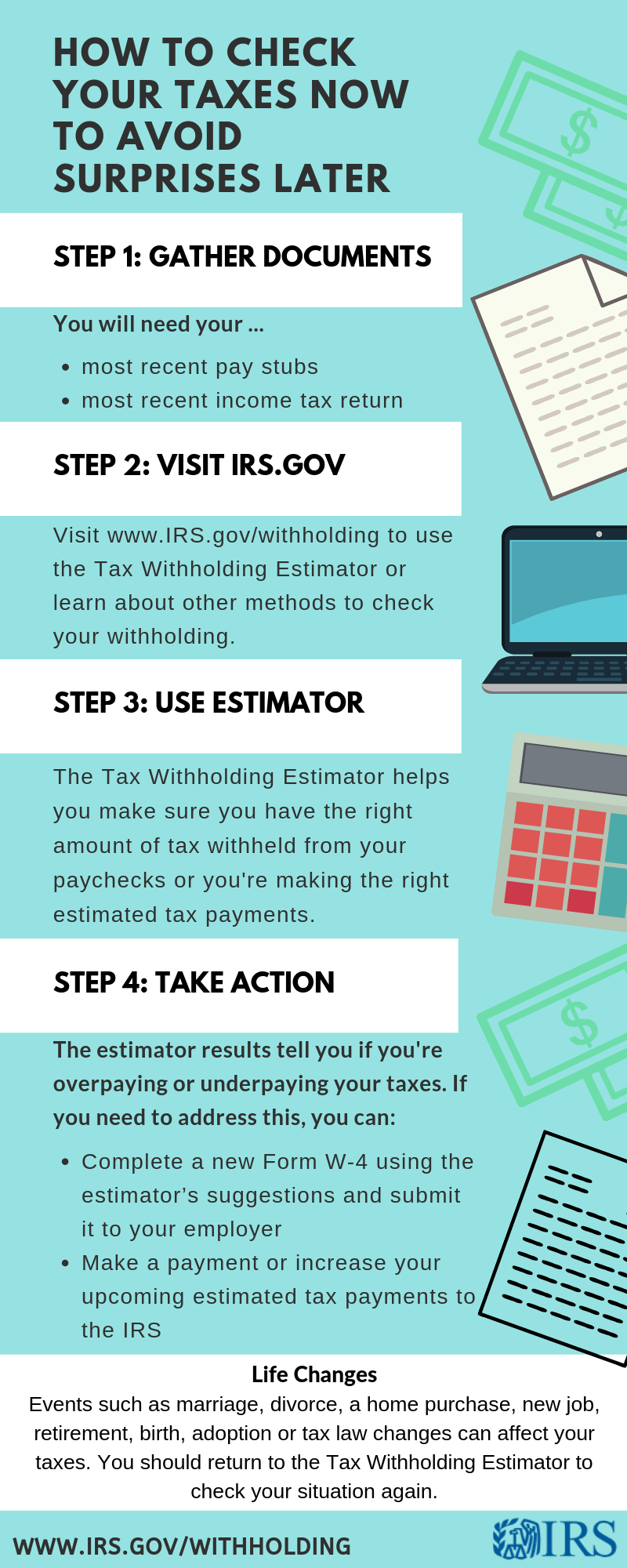
Once the check is written, the method by which it is delivered to the government is the final hurdle. The IRS employs specific regional processing centers, and sending your payment to the wrong office can result in significant delays.
The Role of Form 1040-V
Whenever you mail a check to the IRS, you should include a payment voucher, specifically Form 1040-V. This is a small, scannable document that provides the IRS’s high-speed machines with the data they need to process your check without human intervention. Including this voucher is one of the most effective ways to ensure your payment is credited quickly. When using the voucher, do not staple or paperclip the check to the form. Instead, simply place them together in the envelope. Staples can damage the scanning equipment, leading to manual processing and potential errors.
Identifying the Correct Mailing Address
The address for mailing federal tax payments is not universal; it varies based on your state of residence and whether you are including a full tax return with your payment. The IRS website provides a specific directory of “Where to File” addresses. It is crucial to verify the address for the current tax year, as the IRS occasionally shifts its processing workloads between different regional centers. Sending a payment to an outdated address or a center that does not handle your specific region can result in your payment being rerouted, which may cause it to be marked as late.
Securing Proof of Delivery
From a financial security and personal branding perspective, how you handle the mailing of high-value checks reflects your commitment to your own financial health. Always use a trackable mailing service. The United States Postal Service (USPS) Certified Mail with a Return Receipt is the gold standard for tax filings. This provides you with a postmarked receipt that serves as legal proof of the date you mailed the payment. Under the “timely mailed, timely filed” rule, a check postmarked by the due date is considered on time, even if it arrives several days later. Without this receipt, you have very little recourse if the check is lost in the mail or delayed in transit.
Managing Business Tax Payments: EINs and Quarterly Obligations
For entrepreneurs and business owners, the process of paying federal taxes involves additional layers of complexity. Unlike individuals who typically pay once a year, businesses often have recurring obligations that require a disciplined approach to check-writing and record-keeping.
Payroll and Excise Taxes
Business owners must distinguish between their personal income taxes and their business-related taxes. When making deposits for payroll taxes (Form 941) or federal unemployment taxes (Form 940), the check must still be made out to the United States Treasury, but the memo line must reflect the business’s EIN and the specific tax period (e.g., “1st Quarter 2024 Form 941”). Mixing personal funds with business tax obligations is a significant red flag for auditors and can complicate your corporate accounting.
The Discipline of Estimated Payments
For the self-employed, the “check out to the Treasury” ritual happens four times a year. Managing this cash flow requires foresight. When writing quarterly estimated checks, it is beneficial to keep photocopies of every check sent. This creates a physical “paper trail” that your accountant can use to reconcile your books at the end of the year. In the event of a discrepancy where the IRS claims a payment was not received, having a copy of the check along with the certified mail receipt provides an ironclad defense.
Beyond the Paper Check: Digital Alternatives and Financial Efficiency
While the focus of this guide is the physical check, it is important for any modern taxpayer to understand that the “United States Treasury” can also be paid digitally. For many, transitioning to electronic payments is a strategic move to increase financial security and reduce the risk of mail fraud.
IRS Direct Pay and EFTPS
The IRS offers “Direct Pay” for individuals, which allows you to pay directly from a checking or savings account without any fees. For businesses, the Electronic Federal Tax Payment System (EFTPS) is the standard. These systems eliminate the need to worry about payees, memo lines, or mailing addresses. You receive an immediate confirmation number, which serves as a digital receipt. For those managing a brand or a business, the efficiency of these tools often outweighs the traditional check-writing process.
Credit Cards and Modern Convenience
You can also pay federal taxes via credit or debit cards through third-party processors authorized by the Treasury. While these processors charge a convenience fee, the ability to earn rewards points or to bridge a short-term cash flow gap can be a strategic financial decision. When using these services, the “payee” is handled automatically by the secure portal, ensuring that the funds reach the United States Treasury without the risk of typographical errors associated with manual checks.
Ultimately, whether you choose the traditional path of a paper check or the speed of a digital transfer, the goal remains the same: accuracy, timeliness, and the fulfillment of your civic obligation. By addressing your check to the United States Treasury and providing exhaustive details in the memo line, you protect your financial standing and ensure that your contributions to the federal system are documented with precision.
aViewFromTheCave is a participant in the Amazon Services LLC Associates Program, an affiliate advertising program designed to provide a means for sites to earn advertising fees by advertising and linking to Amazon.com. Amazon, the Amazon logo, AmazonSupply, and the AmazonSupply logo are trademarks of Amazon.com, Inc. or its affiliates. As an Amazon Associate we earn affiliate commissions from qualifying purchases.