
Navigating the complexities of the tax season can be a daunting endeavor for even the most financially literate individuals. While the digital age has ushered in a wave of electronic filing options and direct-deposit payment portals, a significant portion of taxpayers still relies on traditional mail for submitting their payments. Whether it is a preference for physical record-keeping, a lack of access to high-speed internet, or specific business requirements, knowing exactly where to mail tax payments is a critical component of personal and business finance management.

Mailing a check or money order to the Internal Revenue Service (IRS) or a state Department of Revenue requires precision. An error in the mailing address or the omission of a necessary voucher can lead to processing delays, lost payments, and the accumulation of unnecessary interest and penalties. This guide provides an in-depth exploration of the logistical, security, and strategic financial considerations involved in mailing your tax payments.
Understanding the Logistics of Physical Tax Payments
Despite the push toward a paperless economy, the physical mail system remains a foundational pillar of the American tax infrastructure. For many, the act of mailing a physical check provides a sense of control over the timing of their cash outflows—a vital aspect of liquid asset management.
When to Opt for Mail Over Digital
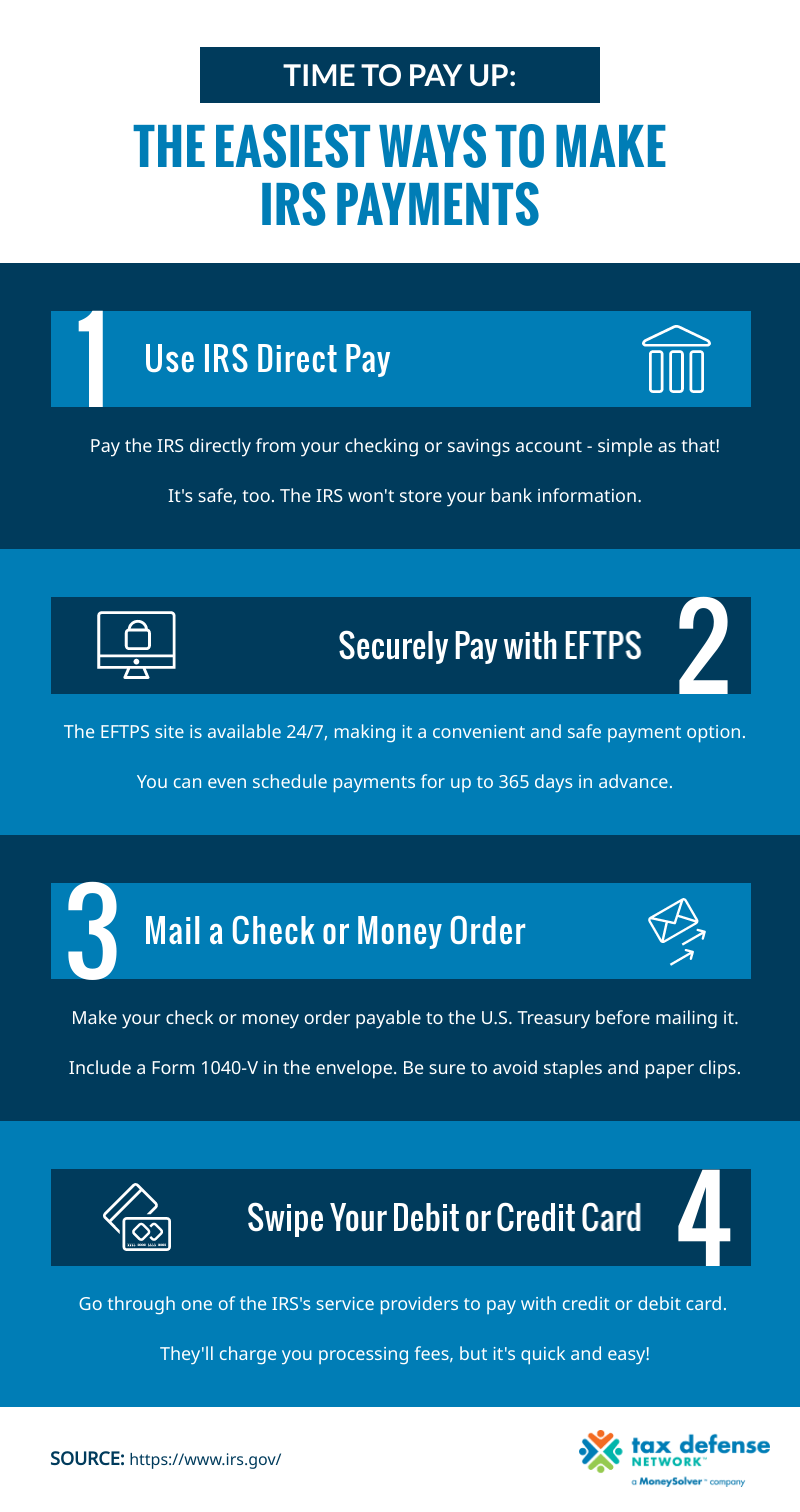
While the IRS encourages the use of “Direct Pay” or the Electronic Federal Tax Payment System (EFTPS), there are valid financial reasons to choose traditional mail. For instance, individuals managing tight cash flows may prefer to mail a payment on the filing deadline to take advantage of the “postmark rule,” allowing the funds to remain in a high-yield savings account for a few additional days while the mail is in transit. Additionally, some taxpayers prefer the physical paper trail provided by a canceled check and a certified mail receipt, which can serve as irrefutable evidence in the event of an audit or a dispute regarding payment timelines.
Identifying the Correct IRS Address
The IRS does not use a single, centralized address for all tax payments. Instead, it utilizes a decentralized network of processing centers and “lockbox” banks distributed across the United States. The correct address for your payment depends on two primary factors: the state where you reside and whether or not you are enclosing a payment with your tax return.
Generally, if you are filing a Form 1040 and including a check, the IRS directs you to a specific P.O. Box associated with a financial institution that handles their high-volume processing. These addresses are updated annually and are typically listed in the instructions for Form 1040-V (Payment Voucher). It is essential to verify the current year’s instructions, as geographic jurisdictions for processing centers can shift based on the IRS’s internal capacity and regional workloads.
State vs. Federal: Navigating Different Mailing Destinations
A common mistake in financial planning is treating federal and state tax obligations as a singular entity. In reality, they are governed by entirely different agencies with distinct mailing requirements and processing locations.
Regional Filing Centers for the IRS
The IRS divides the United States into various regions, each served by a specific processing center. For example, taxpayers in states like New York, New Jersey, or Pennsylvania may be directed to a different facility than those in California or Texas.
-
The “With Payment” vs. “No Payment” Distinction: If you are mailing a tax return without a payment, the address is often a different IRS service center than the one used for payments. When a payment is included, the IRS utilizes specialized “lockbox” addresses. These are high-security facilities managed by commercial banks that are contracted to process government payments rapidly. This ensures that the government can liquidate the funds and begin earning interest or funding operations as quickly as possible.
-
Estimated Tax Payments: For those who are self-employed or have significant investment income, Form 1040-ES is used for quarterly estimated payments. These addresses are also distinct from the year-end filing addresses and are categorized by the taxpayer’s state of residence.
State Tax Authorities and Department of Revenue Addresses
Every state with an income tax has its own Department of Revenue or Franchise Tax Board. These entities operate independently of the federal government. For instance, a resident of Massachusetts mailing a payment for state taxes would send it to the Massachusetts Department of Revenue in Boston or a designated processing center, whereas their federal payment would go to an IRS facility (often in Missouri or North Carolina depending on the year’s assignments).
Managing these two separate streams of outgoing capital is a core part of an effective business finance strategy. Keeping a dedicated “Tax Calendar” that lists the specific state and federal addresses relevant to your location can prevent the catastrophic error of sending a state check to the federal government, or vice versa.
Best Practices for Secure and Timely Delivery
When you mail a tax payment, you are transmitting sensitive financial information, including your Social Security Number (SSN) or Employer Identification Number (EIN), alongside a legal tender document. Protecting this information is paramount to maintaining your digital and financial security.
Certified Mail and Return Receipts
The gold standard for mailing tax payments is using USPS Certified Mail with a Return Receipt Requested. From a financial perspective, the small additional fee for this service is essentially an insurance policy.
-
Legal Protection: According to the Internal Revenue Code, a timely postmark is generally treated as a timely filing. However, if the IRS claims they never received your payment, the burden of proof lies with the taxpayer. A Certified Mail receipt provides a tracking number that proves when the item was sent and when it was received by an IRS agent.
-
Peace of Mind: For high-net-worth individuals or businesses sending five- or six-figure checks, the ability to track the payment until it reaches the processing center is an essential component of risk management.
Proof of Postmark: Why It Matters for Deadlines
The “Postmark Rule” is a critical concept in tax law. It states that a document or payment is considered “filed” on the date of the postmark, provided it was mailed through the U.S. Postal Service and is received by the IRS eventually. This rule is especially important for those who manage their own investments and wait until the last possible moment to liquidate assets to cover a tax liability. However, it is vital to note that this rule only applies if the mail is properly addressed and has sufficient postage. Using a private delivery service (like FedEx or UPS) also works, but only if you use a service that is on the IRS-approved list of private delivery services.
Integrating Physical Payments into Your Broader Financial Strategy
Mailing a tax payment is more than a clerical task; it is an exercise in cash flow management and record-keeping that impacts your overall financial health.
Record Keeping and Tax Documentation
An organized financial system relies on a clear audit trail. When you mail a check, you should always:
-
Photocopy the Check: Keep a copy of the signed check and the completed 1040-V voucher.
-
Note the Category: Write your SSN/EIN, the tax year, and the form number (e.g., “2023 Form 1040”) in the memo line. This ensures that even if the check is separated from the voucher, the IRS knows exactly which account and tax year to credit.
-
Archive the Receipt: Staple the Certified Mail receipt to your copy of the tax return. In the world of finance, documentation is the best defense against administrative errors.
The Transition to Hybrid Financial Management
Many modern taxpayers use a “hybrid” approach. They might file their return electronically to ensure speed and accuracy but choose to mail a physical check to maintain a specific cash reserve for a few extra days. This allows the taxpayer to benefit from the immediate confirmation of a filed return while managing the actual outflow of money on their own terms. Understanding the timing of when checks are cashed is also vital. The IRS is remarkably efficient at cashing checks; once a payment reaches a lockbox, it is often debited from the bank account within 24 to 48 hours. Taxpayers must ensure that the funds are fully cleared and available in their accounts to avoid costly non-sufficient funds (NSF) fees from their banks.
Common Pitfalls to Avoid When Mailing Payments
Errors in mailing tax payments can lead to “Failure to Pay” penalties, which currently accrue at 0.5% of the unpaid taxes for each month or part of a month the tax remains unpaid, up to 25%.
Incorrect Vouchers and Missing Information
A common mistake is mailing a check without a Form 1040-V (Payment Voucher). While the IRS will eventually figure out where the money belongs if you wrote your SSN on the check, the lack of a voucher forces manual processing. This delay can result in the IRS system triggering an automated “Notice of Underpayment” because the computer hasn’t reconciled the physical check yet.
Furthermore, ensure that the check is made out to the “United States Treasury,” not “IRS.” While the IRS will usually accept checks made out to them, the official Department of the Treasury guidelines specify the former to ensure the highest level of processing security.
Dealing with Lost or Delayed Mail
If several weeks pass and your check has not been cashed, it is time to investigate. In a robust financial plan, you should monitor your bank statements weekly following a tax mailing. If a payment appears lost, do not immediately issue a “stop payment” order through your bank, as this may be interpreted by the IRS as a deliberate attempt to avoid payment, potentially leading to more severe penalties. Instead, contact the IRS via their taxpayer assistance line to determine if the payment has been received but not yet processed.

Conclusion
Knowing where to mail tax payments is a fundamental skill in the landscape of personal and business finance. By understanding the regional nature of IRS processing centers, the importance of state-specific destinations, and the security benefits of certified mail, taxpayers can ensure their obligations are met with professional precision. This attention to detail not only avoids penalties but also contributes to a disciplined and secure financial life. Always consult the most recent IRS “Where to File” charts on their official website before mailing, as these addresses can change, ensuring that your hard-earned money reaches its destination safely and on time.
aViewFromTheCave is a participant in the Amazon Services LLC Associates Program, an affiliate advertising program designed to provide a means for sites to earn advertising fees by advertising and linking to Amazon.com. Amazon, the Amazon logo, AmazonSupply, and the AmazonSupply logo are trademarks of Amazon.com, Inc. or its affiliates. As an Amazon Associate we earn affiliate commissions from qualifying purchases.