
In the modern landscape of personal finance and global commerce, the ability to move capital seamlessly across borders is no longer a luxury—it is a necessity. Whether you are an aspiring freelancer looking to capture your first slice of the gig economy, a seasoned investor diversifying into international markets, or a consumer seeking a more secure way to manage digital expenditures, the foundation of your strategy often begins with a robust digital wallet.
Creating a PayPal account is more than a simple technical exercise; it is the establishment of a financial node that connects your local bank to the global marketplace. This guide explores the strategic process of setting up, optimizing, and securing a PayPal account, specifically tailored for those who view their digital presence as a core component of their financial health and income-generating potential.
Choosing the Right Foundation: Personal vs. Business Accounts
The first and most critical decision in your PayPal journey involves selecting the account architecture that aligns with your financial objectives. PayPal offers two primary paths, each with distinct implications for fee structures, tax reporting, and professional branding.
The Personal Account: Ideal for Individual Finance
For the majority of users, a Personal account serves as the entry point into the ecosystem. This tier is designed primarily for peer-to-peer transfers—sending money to friends, splitting a dinner bill, or making online purchases at major retailers. From a personal finance perspective, the Personal account is an excellent tool for budgeting and expenditure tracking.
One of the primary advantages of the Personal account is the lack of maintenance fees. You can hold a balance, link your credit cards, and execute purchases without the overhead costs typically associated with merchant services. However, if you intend to use the platform to receive payments for goods or services, you must be aware that transaction fees will still apply, and you will lack some of the advanced reporting tools necessary for high-volume business management.
The Business Account: The Engine for Your Side Hustle
If your goal is to build a side hustle, launch an e-commerce store, or operate as a professional freelancer, a Business account is the mandatory choice. This account type allows you to operate under a corporate or brand name, providing a level of professional distance between your personal identity and your commercial activities.
From a money management standpoint, the Business account offers vital features such as the ability to issue professional invoices, accept credit card payments from customers who do not have PayPal accounts, and grant multi-user access to employees or accountants. While the fee structure for receiving commercial payments is standard across the platform, the Business account provides the data exports and integrations (such as with QuickBooks or Xero) that are essential for accurate tax compliance and profit-and-loss analysis.
The Step-by-Step Architecture of a Secure Account
Once you have identified your account type, the setup process requires a meticulous approach to ensure that your financial data remains secure and your account is fully verified to prevent future freezes or limitations.
Verification and the KYC Process
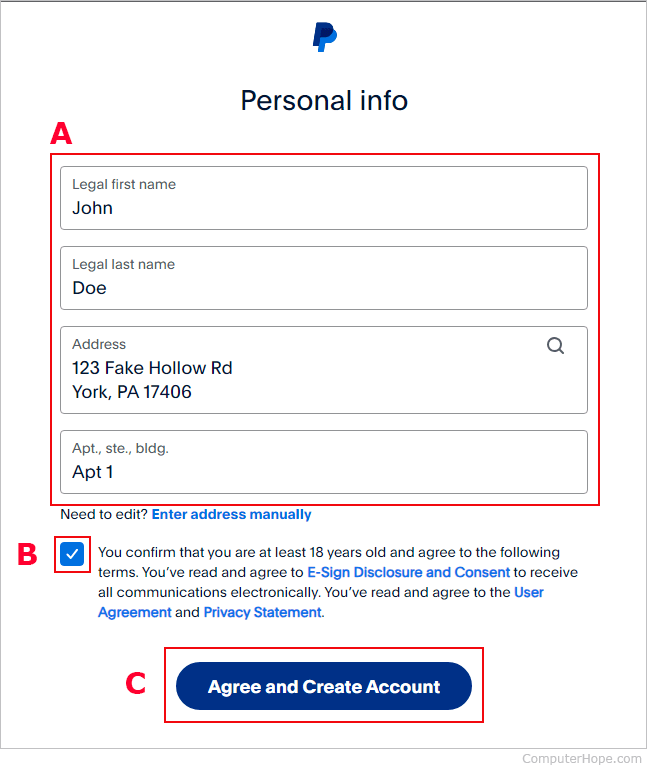
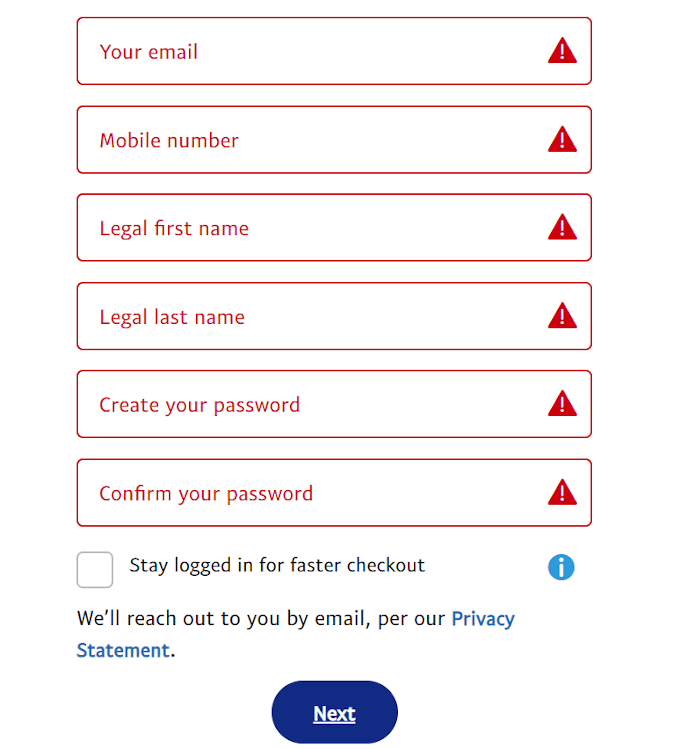
In the world of finance, “Know Your Customer” (KYC) regulations are the gold standard for preventing fraud and money laundering. When you make a PayPal account, you will be required to provide verified personal information, including your legal name, a physical address, and often a tax identification number (such as a Social Security Number in the United States).
To move from a “restricted” status to a fully verified status, you must confirm your identity. This usually involves responding to a confirmation email and, more importantly, verifying your mobile phone number. In the context of digital security, this phone number serves as a primary pillar for two-factor authentication (2FA), ensuring that even if your password is compromised, your capital remains protected.
Linking Your Financial Ecosystem
A PayPal account is most effective when it acts as a bridge between your various financial reservoirs. To make your account functional for both sending and receiving money, you must link a funding source.
-
Bank Account Integration: Linking a traditional bank account is the most cost-effective way to withdraw your earnings. When you link a bank, PayPal typically sends two micro-deposits (a few cents each) to your account. You must then log back into PayPal and enter those exact amounts to prove ownership. This step is crucial for liquidity; it allows you to move your side hustle income into your high-yield savings or investment accounts.
-
Credit and Debit Cards: For making purchases, linking a credit card offers an additional layer of consumer protection. In the event of a dispute where the merchant fails to deliver, you have both PayPal’s Purchase Protection and your credit card issuer’s chargeback rights. From a strategic finance perspective, using a rewards-bearing credit card through PayPal can help you rack up points or cashback on digital transactions that might otherwise go unrewarded.
Maximizing Online Income and Global Cash Flow
For many, the motivation to create a PayPal account is the pursuit of online income. Once your account is live, you have the infrastructure to act as a global participant in the digital economy.

Invoicing and Professional Payment Collection
If you are selling services—be it consulting, graphic design, or writing—the “Request Money” and “Invoicing” features are your most valuable tools. Professionalism in billing is a key driver of timely payments. PayPal’s invoicing tool allows you to set clear terms, include itemized lists of services, and even schedule automatic reminders for overdue accounts.
From a cash flow management perspective, understanding “settlement time” is essential. While payments often appear in your PayPal balance instantly, moving that money to your bank can take 1-3 business days (unless you opt for an “Instant Transfer” for a small percentage fee). Managing this float is a critical skill for any freelancer or small business owner.
Navigating Cross-Border Transactions and Currency Exchange
One of PayPal’s greatest strengths is its presence in over 200 countries. However, international finance comes with unique costs. When you receive money in a foreign currency, you must decide whether to hold that currency in your PayPal wallet or convert it to your local currency.
Currency conversion fees can erode your profit margins. Savvy users often monitor exchange rates or use PayPal’s multi-currency features to hold balances in USD, EUR, or GBP, only converting them when the rates are favorable or when they need to pay international vendors. Treating your PayPal account as a multi-currency management tool is a sophisticated way to minimize the “hidden taxes” of global commerce.
Safeguarding Your Digital Assets and Financial Health
In an era of increasing cyber threats, the security of your financial gateway is paramount. A compromised PayPal account is not just a privacy breach; it is a direct threat to your net worth.
Implementing Advanced Security Protocols
A strong, unique password is the bare minimum. To truly secure your money, you must enable Two-Factor Authentication (2FA). This ensures that a secondary code, sent via SMS or generated by an app like Google Authenticator, is required for every login. Furthermore, you should regularly review the “Authorized Applications” in your settings. Often, we give third-party apps permission to access our PayPal accounts and then forget about them; pruning these permissions reduces your surface area for potential attacks.
Managing Disputes and Protecting Your Bottom Line
One of the financial risks of online business is the “chargeback” or dispute. Whether you are a buyer who didn’t receive an item or a seller facing a fraudulent claim, PayPal’s Resolution Center is the battlefield.
To protect your finances, always maintain meticulous records. For sellers, this means using tracked shipping and keeping copies of all communications. For buyers, it means documenting the condition of goods received. Understanding the terms of “Seller Protection” and “Purchase Protection” is a vital part of financial literacy in the digital age. Knowing your rights ensures that a single bad transaction doesn’t derail your monthly budget.
Integrating PayPal into a Broader Wealth Management Strategy
Finally, a PayPal account should not exist in a vacuum. It should be an integrated part of your broader wealth management and tax strategy.
Tracking Expenses and Tax Preparation
At the end of the fiscal year, your PayPal transaction history is a goldmine for tax deductions. If you use your account for business, every transaction fee is generally a tax-deductible business expense. By regularly exporting your transaction logs into a CSV or PDF format, you can categorize your spending and ensure that you are maximizing your tax efficiency.
For those in the United States, PayPal is required to issue Form 1099-K to users who meet certain payment thresholds. Being proactive about your record-keeping throughout the year prevents the “tax season scramble” and ensures that your side hustle remains a professional, legally compliant enterprise.
Leveraging Growth Tools for Small Business Scaling
As your financial goals evolve, your use of the platform can scale as well. PayPal offers “Working Capital” loans for established business accounts, where the loan is repaid as a percentage of your daily sales. While any form of debt should be approached with caution and a clear ROI analysis, this can be a powerful tool for inventory acquisition or marketing expansion.
Furthermore, features like “PayPal Savings” (in certain regions) allow you to earn interest on your idle balance, turning a transactional tool into a passive income generator. By viewing your PayPal account as a dynamic financial instrument rather than a static digital wallet, you position yourself to take full advantage of the opportunities provided by the modern digital economy. Over time, the disciplined use of this tool contributes to a more resilient, diversified, and profitable financial life.
aViewFromTheCave is a participant in the Amazon Services LLC Associates Program, an affiliate advertising program designed to provide a means for sites to earn advertising fees by advertising and linking to Amazon.com. Amazon, the Amazon logo, AmazonSupply, and the AmazonSupply logo are trademarks of Amazon.com, Inc. or its affiliates. As an Amazon Associate we earn affiliate commissions from qualifying purchases.