
The uncertainty of a potential tax debt is one of the most significant sources of financial stress for Americans. Whether it stems from a missed filing, an error on a return, or a change in income status that wasn’t properly accounted for, the question of whether you owe money to the Internal Revenue Service (IRS) is one that requires immediate and accurate answers. Ignoring the possibility of a balance due does not make the debt disappear; instead, it often leads to a compounding cycle of interest and penalties that can jeopardize your long-term financial health.

Navigating the complexities of the federal tax system requires a proactive approach. Understanding the various channels through which the IRS communicates, the digital tools available for verification, and the common triggers for unexpected tax liabilities is essential for any taxpayer looking to maintain financial stability and peace of mind.
Direct Methods to Verify Your Tax Status
In the modern digital landscape, finding out if you have an outstanding balance is more streamlined than it was a decade ago. The IRS has invested heavily in digital infrastructure to allow taxpayers to access their data without having to wait on hold for hours.
Utilizing the IRS Online Account Tool
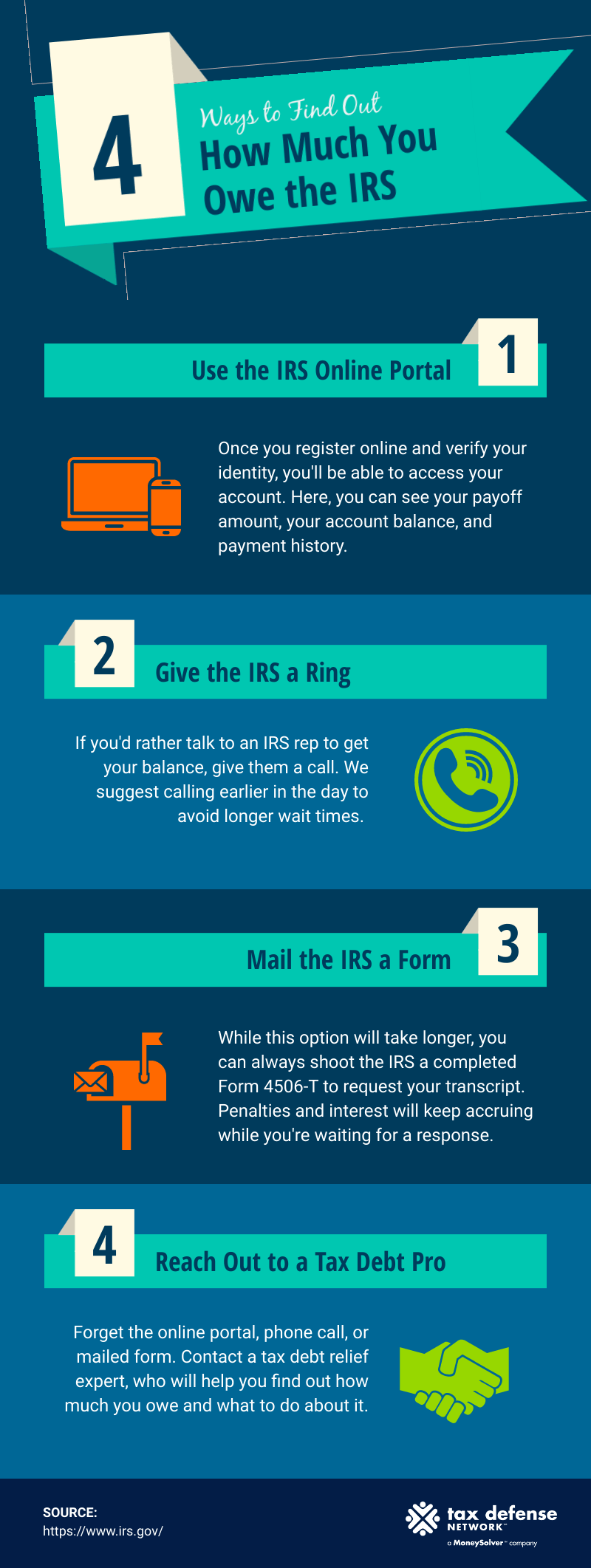
The most efficient way to check your status is through the official IRS Online Account portal. This secure platform provides a comprehensive overview of your federal tax records. Once you have authenticated your identity through the government’s third-party verification service (currently ID.me), you can view the total amount you owe, broken down by tax year.
Beyond just the balance, the online account allows you to view your payment history, access digital copies of select notices, and view key data from your most recently filed tax return. For those who suspect they might owe money, this should be the first point of contact. It provides a real-time snapshot of your standing with the Department of the Treasury, allowing for immediate action if a balance is detected.
Requesting a Tax Transcript
If you require a more granular look at your history, requesting a tax transcript is the next logical step. There are several types of transcripts, but for the purpose of identifying debt, the “Tax Account Transcript” is the most valuable. This document tracks the financial activity on your account, including the original return filed, any subsequent assessments made by the IRS, payments, and interest or penalties accrued.
Transcripts can be requested online for immediate viewing or by mail. They serve as an official record and are often necessary when working with financial advisors or tax professionals to reconcile discrepancies. If the IRS believes you owe money due to a discrepancy between your reported income and what was reported by your employers (via W-2s or 1099s), the transcript will often highlight where those adjustments were made.
Telephone and Mail Inquiries
While digital tools are preferred, traditional methods remain available. You can call the IRS directly, though this often involves significant wait times, especially during the peak of tax season. Additionally, you can file Form 4506-T to request information regarding your account. However, for most taxpayers, the physical mail they receive from the IRS is the most common—and sometimes the most jarring—way they discover a balance due.
Decoding Official IRS Communications
The IRS is legally required to send written notification if they determine you have an unpaid balance. However, the sheer volume of “tax jargon” in these letters can be overwhelming. Understanding the specific codes and types of notices is key to assessing the urgency of the situation.
Understanding the CP Series Notices
Most initial notifications of a balance due arrive as a “CP” (Computer Paragraph) notice. The most common is the CP14. This is the official notice that you have unpaid taxes. It outlines the amount owed, including any initial penalties and interest, and provides a due date for payment.
If a CP14 goes unanswered, the IRS will follow up with increasingly urgent notices, such as the CP501, CP503, and CP504. The CP504 is particularly critical, as it serves as a “Notice of Intent to Levy.” Receiving this means the IRS is preparing to seize assets, such as bank accounts or wages, to satisfy the debt. Recognizing these codes allows you to gauge how far along the collection process has moved and what your window for negotiation or payment remains.
The Difference Between a Balance Due and an Audit Notice
It is important to distinguish between a simple balance due and a notification of an audit (Examination). A balance due notice typically means the IRS has processed your return and found a math error or a mismatch in reported income. An audit notice, such as Letter 566, indicates that the IRS is questioning the validity of the information provided on your return—such as deductions or credits—and requires supporting documentation. While both can lead to owing money, the process for resolving an audit is much more involved and requires a different strategic approach to financial defense.
Red Flags: Identifying Scams vs. Official Mail
In the pursuit of verifying debt, you must remain vigilant against fraud. The IRS will never initiate contact by email, text message, or social media to request personal or financial information. Furthermore, they do not demand immediate payment over the phone using specific methods like prepaid debit cards, gift cards, or wire transfers. Official IRS correspondence will always arrive via the U.S. Postal Service and will provide instructions on how to pay through authorized channels, such as the Electronic Federal Tax Payment System (EFTPS) or via check made out to the “U.S. Treasury.”
Common Reasons You Might Owe Unexpected Tax
Many taxpayers are blindsided by debt because they believe their withholding or estimated payments were sufficient. However, several factors can shift your tax liability throughout the year, leading to an unexpected bill in April.
Under-withholding and the Gig Economy
The rise of side hustles and freelance work has created a significant gap in tax compliance. If you work a traditional W-2 job but also earn income through platforms like Uber, Etsy, or freelance consulting, that secondary income is often not subject to withholding. Many people forget that they are responsible for both the income tax and the self-employment tax (Social Security and Medicare) on these earnings. If you do not adjust your W-4 at your primary job or make quarterly estimated payments, you may find yourself with a substantial balance due at year-end.
Capital Gains and Unreported Investment Income
The democratization of investing through apps has led to an increase in capital gains taxes for retail investors. Selling stocks, exchange-traded funds (ETFs), or cryptocurrency for a profit triggers a taxable event. While brokerages provide 1099-B forms, many taxpayers fail to account for the tax hit when they sell assets mid-year. If you have had a successful year in the markets, the IRS will expect their portion of those realized gains, and failing to report them—even unintentionally—will result in a notice of deficiency once the IRS cross-references your return with brokerage data.
Errors in Deductions and Credits
Tax laws are in a constant state of flux. Credits that were available last year may be phased out, or the criteria for certain deductions may have tightened. Common errors include overestimating charitable contributions without proper receipts, claiming dependents who no longer qualify, or incorrectly calculating the Home Office Deduction. When the IRS automated systems flag these discrepancies, they will disallow the deduction and reassess your tax, often adding interest from the original due date of the return.
Strategies for Managing and Resolving IRS Debt
If you confirm that you do owe money, the worst possible move is to do nothing. The IRS is arguably the most powerful debt collector in the world, but they also offer several structured pathways for taxpayers to resolve their obligations without total financial ruin.
Short-term Extensions and Installment Agreements
For those who cannot pay their balance in full immediately, the IRS offers payment plans. A short-term extension may give you up to 180 days to pay the balance in full, though interest still accrues. For larger debts, a long-term Installment Agreement allows you to make monthly payments over a period of up to 72 months. While there is a setup fee for these plans, they stop the more aggressive collection actions, such as levies and liens, as long as you remain current with your payments.
Offer in Compromise (OIC)
The Offer in Compromise is often touted by “tax relief” companies as a way to “settle for pennies on the dollar.” While this is a legitimate IRS program, it is highly selective. To qualify, you must demonstrate that paying the full debt would create a genuine financial hardship or that the debt is likely uncollectible. The IRS performs an exhaustive review of your assets, income, and living expenses. For those who qualify, it is a powerful tool to reset their financial life, but the application process is rigorous and requires professional guidance.
Penalty Abatement and Hardship Status
Sometimes, a taxpayer owes the principal amount but struggles with the added penalties. If you have a history of timely filing and payment, you may qualify for “First-Time Penalty Abatement.” This can significantly reduce the total amount owed by removing the failure-to-pay or failure-to-file penalties. Additionally, if you are in a temporary financial crisis, you can apply for “Currently Not Collectible” status. This does not erase the debt, but it temporarily halts collection efforts until your financial situation improves.
Long-Term Financial Health and IRS Compliance
The goal for any financially responsible individual or business owner should be to move from a reactive state to a proactive one. Knowing you owe money is the first step; ensuring you don’t owe unexpected money in the future is the ultimate objective.
Quarterly Estimated Payments and Modern Tools
For those with complex income streams, the standard annual filing is insufficient. Business owners and high-net-worth investors should utilize quarterly estimated tax payments (Form 1040-ES). By paying in four installments throughout the year, you avoid the “sticker shock” of a massive April bill and eliminate the risk of underpayment penalties. Using financial software or apps that track tax liability in real-time can provide the data needed to make accurate payments.

Annual Tax Health Checks
Tax planning should not be an “April-only” activity. A mid-year financial review allows you to assess your income-to-withholding ratio. If you have received a significant raise, sold a property, or experienced a change in filing status (such as marriage or divorce), you should update your W-4 or adjust your savings to account for the shift in tax liability.
Ultimately, the best way to know if you owe money to the IRS is to stay deeply connected to your own financial data. By combining the use of official IRS digital tools with proactive planning and a clear understanding of tax law, you can navigate the federal tax system with confidence, ensuring that you meet your obligations while protecting your personal wealth. Knowledge is the most effective tool against the anxiety of debt; by taking the initiative to verify your status today, you secure your financial freedom for tomorrow.
aViewFromTheCave is a participant in the Amazon Services LLC Associates Program, an affiliate advertising program designed to provide a means for sites to earn advertising fees by advertising and linking to Amazon.com. Amazon, the Amazon logo, AmazonSupply, and the AmazonSupply logo are trademarks of Amazon.com, Inc. or its affiliates. As an Amazon Associate we earn affiliate commissions from qualifying purchases.