
The landscape of personal and business finance has undergone a seismic shift over the last two decades. As physical currency increasingly takes a backseat to digital transactions, the need for a robust, secure, and globally recognized financial intermediary has become paramount. PayPal stands at the forefront of this revolution, serving as a primary gateway for online shopping, peer-to-peer transfers, and international business commerce. Understanding how to apply for PayPal is not merely about filling out a digital form; it is about integrating your financial life into a sophisticated ecosystem designed for liquidity, security, and global reach.
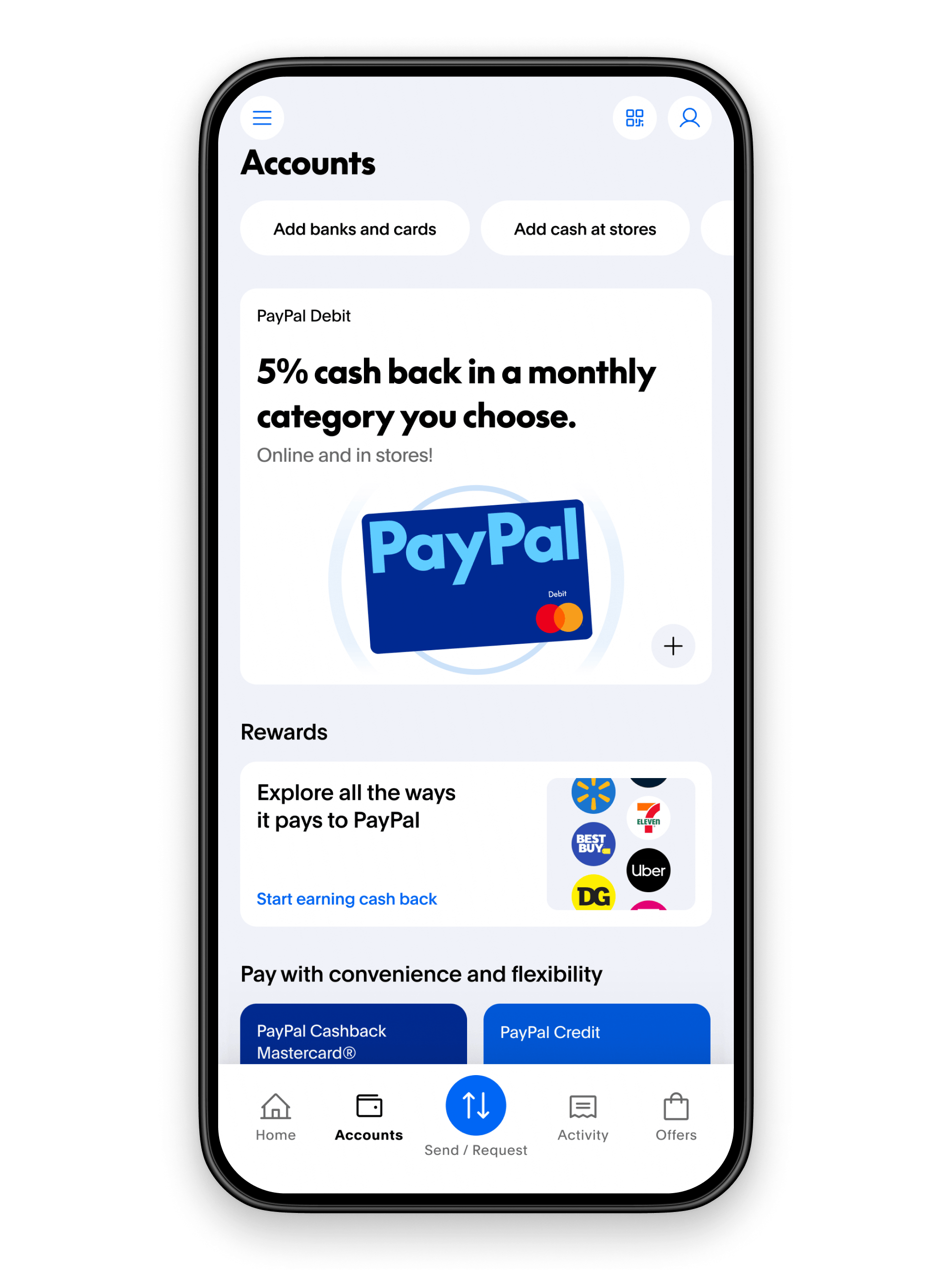
Applying for a PayPal account is a strategic move for anyone looking to optimize their financial agility. Whether you are a consumer seeking a streamlined checkout experience or an entrepreneur building a multi-national brand, the application process is the first step toward accessing a suite of financial tools that bridge the gap between traditional banking and modern digital commerce.
Selecting the Optimal Account Architecture
Before initiating the application process, it is essential to determine which account structure best aligns with your financial objectives. PayPal categorizes its users into two primary streams: Personal and Business. Selecting the wrong type can lead to unnecessary fees or a lack of essential features, making this the most critical decision in the application journey.
The Personal Tier: Efficiency for the Individual Consumer
The Personal account is designed for the everyday user whose primary interactions involve purchasing goods, paying bills, and sending money to family or friends. From a financial management perspective, the Personal account serves as a digital wallet that aggregates various funding sources—such as credit cards, debit cards, and bank accounts—into a single, secure interface.
The primary advantage of the Personal tier is its simplicity. There are typically no monthly maintenance fees, and sending money to friends and family within the same country using a bank balance or PayPal balance is usually free. For those exploring side hustles or selling occasional items on marketplaces like eBay or Depop, the Personal account can handle these transactions, though it lacks the sophisticated merchant tools found in the higher tier.
The Business Tier: Financial Infrastructure for Modern Merchants
For those operating under a corporate identity, a registered LLC, or even as a high-volume freelancer, the Business account is the professional standard. Applying for a Business account transforms PayPal from a simple wallet into a comprehensive financial operations hub.
Business accounts allow users to operate under a company name rather than a personal one, providing an immediate boost to professional credibility. More importantly, it unlocks advanced features such as the ability to accept credit card payments from customers who do not have a PayPal account, set up recurring subscription billing, and grant multi-user access to employees with customized permission levels. From a tax and accounting perspective, the Business account provides more robust reporting tools, making it easier to track revenue, expenses, and the 1099-K forms required by the IRS for high-volume sellers.
The Application Protocol: A Sequential Breakdown
The actual process of applying for PayPal is designed to be intuitive, yet it requires a high level of accuracy to ensure compliance with global financial regulations, including “Know Your Customer” (KYC) and Anti-Money Laundering (AML) laws. Any discrepancy in your data can lead to account limitations or delays in fund accessibility.
Initial Enrollment and Data Entry
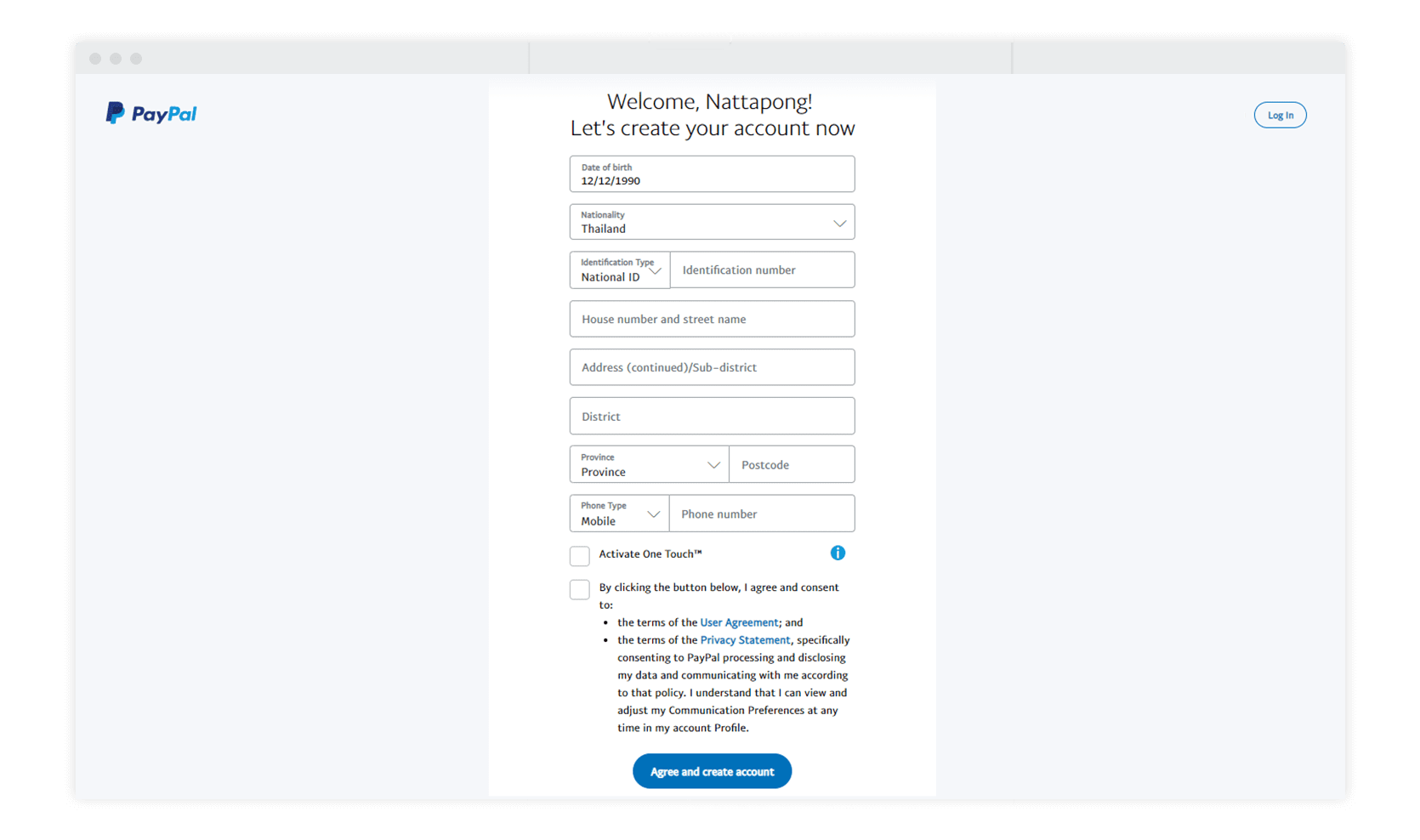
The application begins at the official PayPal portal. You will be prompted to choose between the Personal and Business options discussed above. Once selected, the system requires a valid email address. This is not just a login credential; it serves as your primary financial address. In the PayPal ecosystem, your email is effectively your account number.
After setting a strong, unique password, you will be required to provide your legal name, physical address, and phone number. It is vital that this information matches your government-issued identification and your bank records exactly. Financial institutions use automated verification systems; even a minor typo in an address can trigger a red flag, requiring manual review and slowing down the activation of your account.
Navigating Identity Verification and KYC Compliance
As a licensed money transmitter, PayPal is legally obligated to verify the identity of its users. During the application or shortly thereafter, you will likely be asked to provide your Social Security Number (SSN) or Individual Taxpayer Identification Number (ITIN). For Business accounts, you will need to provide the Employer Identification Number (EIN) and details regarding the business’s legal structure and industry.
This stage is where many applicants feel a sense of hesitation, but it is a standard security measure in the financial world. Providing this data allows PayPal to verify that you are a legitimate entity and helps protect the platform from fraudulent actors. In some cases, you may be asked to upload a scan of a driver’s license, passport, or a recent utility bill to confirm your residency.
Linking Financial Instruments for Liquidity
An empty PayPal account is of limited use. To make the account functional, you must link it to a source of liquidity. This involves adding a debit card, credit card, or a direct link to a checking or savings account.
Linking a bank account is the preferred method for most users because it facilitates the seamless transfer of funds back and forth. PayPal uses a verification process for bank accounts that involves sending two micro-deposits (usually just a few cents) to your bank. Once these appear in your bank statement—usually within two to three business days—you log back into PayPal and enter the exact amounts to confirm ownership. This ensures that the bridge between your traditional bank and your digital wallet is secure and authorized.
Leveraging PayPal for Income Generation and Financial Growth
Once the application is complete and the account is verified, PayPal becomes a powerful engine for financial growth. It is no longer just a way to pay for things; it is a platform for generating and managing wealth.
Managing Cross-Border Transactions and Currency Exchange
For freelancers and business owners, one of the most compelling reasons to apply for PayPal is its ability to handle international commerce. PayPal supports over 25 currencies, allowing you to invoice a client in London, receive payment in British Pounds, and hold that balance in your account or convert it to US Dollars.
However, from a personal finance perspective, users must be mindful of currency conversion fees. PayPal typically charges a spread above the mid-market exchange rate. Savvy users often monitor these rates or utilize the “PayPal balance” feature to hold foreign currency until exchange rates are more favorable, effectively performing a basic form of currency hedging.
Utilizing PayPal as a Tool for Side Hustles
In the era of the “gig economy,” PayPal serves as the primary payment processor for millions of independent contractors. Whether you are selling digital products, consulting, or participating in the creator economy, PayPal provides an instant infrastructure for getting paid.
By applying for a PayPal account, you gain access to “PayPal.Me,” a personalized link that you can send to clients or post on social media to receive payments instantly. This removes the friction of traditional invoicing and wire transfers, allowing for immediate reinvestment of earnings back into your business or personal savings.
Risk Management and Account Security
Financial tools are only as valuable as the security measures protecting them. Because PayPal acts as a bridge to your primary bank accounts, maintaining rigorous security standards is a non-negotiable aspect of using the platform.
Advanced Security Settings for Asset Preservation
Immediately after your application is approved, you should navigate to the security settings to enable Two-Factor Authentication (2FA). This adds a layer of protection by requiring a code from your mobile device or an authenticator app in addition to your password. In an era of frequent data breaches, 2FA is the single most effective way to prevent unauthorized access to your funds.
Furthermore, PayPal offers a “Security Key” feature and biometric login options for mobile users. Utilizing these tools ensures that even if your login credentials are compromised, your financial assets remain shielded behind a secondary wall of verification.
The Regulatory Framework of Purchase Protection
One of the primary financial benefits of using PayPal is its “Purchase Protection” and “Seller Protection” programs. When you apply for and use a PayPal account for transactions, you are entering a regulated environment where disputes can be mediated.
If a merchant fails to deliver a product or service, or if the item is significantly not as described, PayPal’s dispute resolution center allows you to claw back funds that might otherwise be lost in a direct bank transfer. For sellers, PayPal offers protection against fraudulent chargebacks, provided the seller can prove the item was shipped to the address on file. This level of financial insurance is a key reason why PayPal remains a preferred method for high-value transactions.
Integrating PayPal into Your Broader Financial Strategy
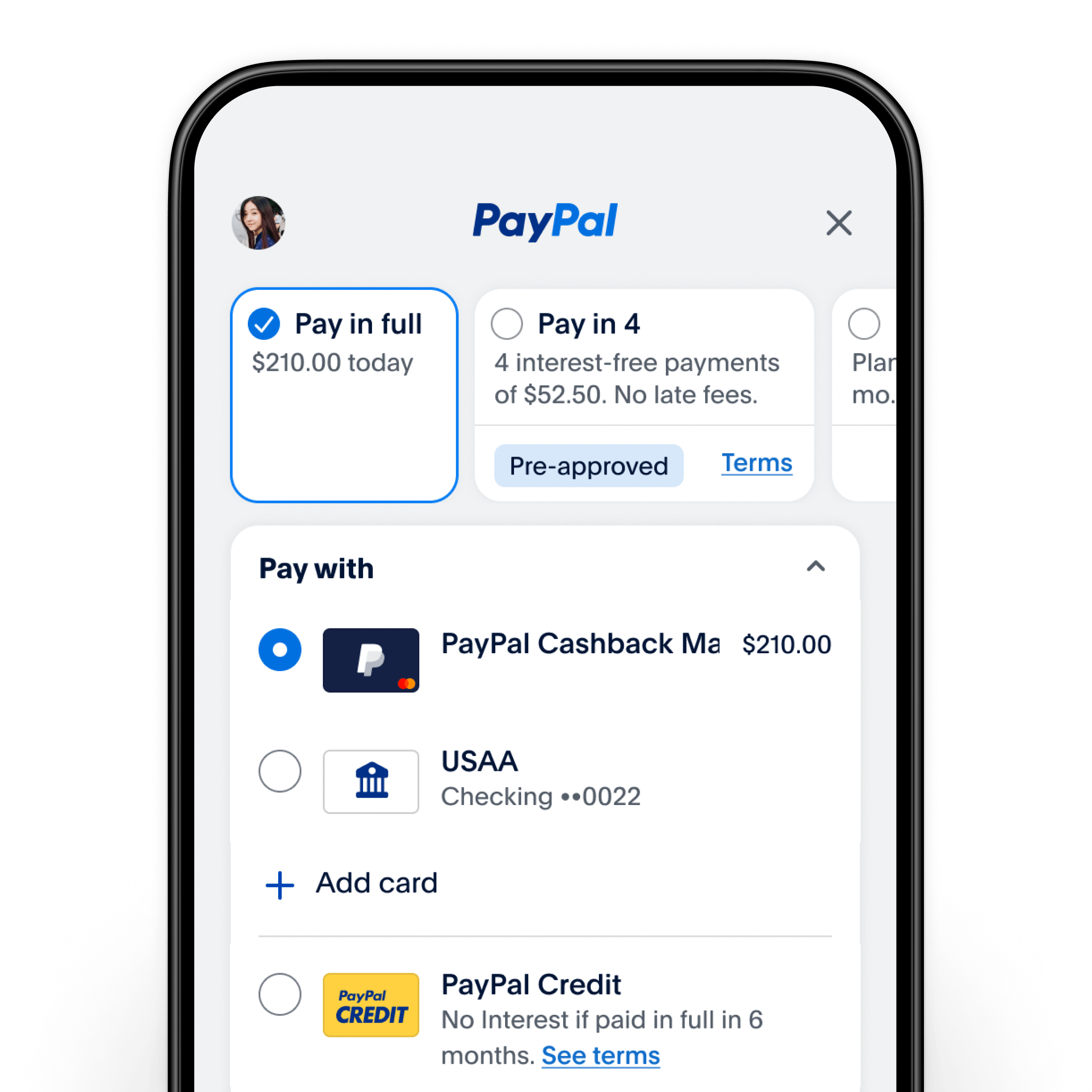
Applying for PayPal is the beginning of a more integrated approach to modern money management. As you become accustomed to the platform, you may explore additional financial products such as PayPal Credit, which offers interest-free periods on larger purchases, or the PayPal Cashback Mastercard, which provides a high percentage of rewards on digital spend.
Ultimately, PayPal functions as more than just a payment app; it is a financial intermediary that provides liquidity, security, and global access. By carefully choosing your account type, ensuring rigorous data accuracy during the application, and implementing high-level security protocols, you position yourself to take full advantage of the digital economy’s potential. Whether for personal convenience or professional scaling, a verified PayPal account is a cornerstone of a contemporary financial portfolio.
aViewFromTheCave is a participant in the Amazon Services LLC Associates Program, an affiliate advertising program designed to provide a means for sites to earn advertising fees by advertising and linking to Amazon.com. Amazon, the Amazon logo, AmazonSupply, and the AmazonSupply logo are trademarks of Amazon.com, Inc. or its affiliates. As an Amazon Associate we earn affiliate commissions from qualifying purchases.