
In the modern economic landscape, the question “How do I pay my bill?” has evolved from a simple logistical query into a strategic cornerstone of personal finance. While the physical act of transferring funds remains the objective, the methodology, timing, and tools used to facilitate these transactions can significantly influence your credit health, investment potential, and overall peace of mind. Effective bill management is not merely about avoiding late fees; it is about architecting a system that optimizes cash flow and leverages financial tools to your advantage.
The Infrastructure of Personal Finance: Organizing Your Bill Ecosystem
Before selecting a payment method, one must understand the landscape of their liabilities. Bills are not a monolithic block of expenses; they are diverse obligations with varying impacts on your financial profile.
Inventory and Categorization
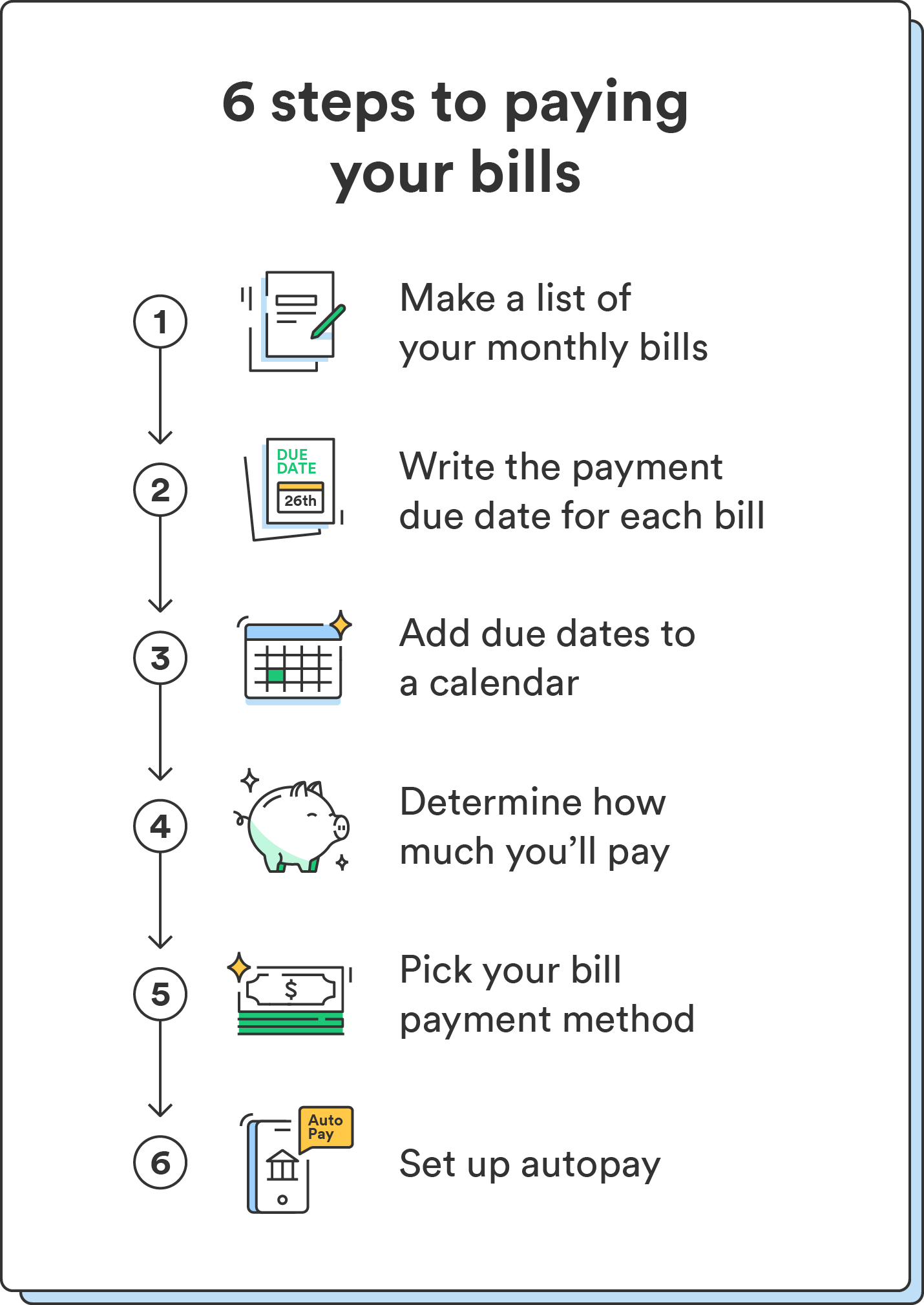
The first step in sophisticated bill management is the creation of a comprehensive inventory. This involves more than just listing amounts due. A robust financial inventory categorizes bills into two primary streams: fixed and variable. Fixed bills, such as mortgages, rent, or insurance premiums, remain constant and are the easiest to automate. Variable bills, including utilities and credit card balances, require more active monitoring.
Furthermore, obligations should be prioritized based on the “cost of neglect.” A missed mortgage payment or car note carries higher stakes than a late subscription to a streaming service. By categorizing your bills by due date, amount, and consequence, you create a roadmap for your monthly capital allocation.
Establishing a Billing Calendar
A fragmented approach to due dates is a recipe for missed payments. Sophisticated earners often attempt to align their billing cycles with their income stream. Many creditors, from credit card issuers to utility providers, allow customers to move their due dates. By consolidating due dates to a specific window—perhaps shortly after your primary paycheck hits your account—you reduce the cognitive load of managing multiple deadlines throughout the month. This synchronization ensures that liquidity is at its peak when the largest outflows occur.
Strategic Payment Channels: Efficiency and Optimization
How you pay is often just as important as when you pay. In the current fintech era, consumers have a variety of vehicles at their disposal, each with unique pros and cons regarding security, speed, and rewards.
The Credit Card Strategy: Leveraging the Float
For those with disciplined spending habits, using a credit card to pay recurring bills is a powerful wealth-building tactic. This method allows you to benefit from “the float”—the period between when the charge is made and when the credit card bill is actually due. During this time, your cash can remain in a high-yield savings account, earning interest.
Additionally, paying bills via credit card can rack up significant rewards points or cash back. However, this strategy is only effective if the balance is paid in full every month. If interest is accrued, it will far outweigh any rewards earned. It is also important to note that some service providers, particularly utilities or government agencies, may charge a convenience fee for credit card payments. If the fee exceeds the reward percentage, an alternative method should be used.
Direct Debit and ACH Transfers
Automated Clearing House (ACH) transfers are the backbone of the American banking system. Setting up a direct debit from a checking account is often the most cost-effective way to pay bills, as it typically avoids the fees associated with credit cards. From a money management perspective, ACH transfers provide a clear, direct paper trail within your banking statement, making it easier to track your net cash outflow without the “masking” effect that a credit card statement can sometimes create.
Mobile Wallets and Fintech Platforms
The rise of digital wallets like Apple Pay, Google Pay, and specialized fintech apps has streamlined the “one-click” payment process. These platforms often provide enhanced security through tokenization, ensuring that your actual bank account or card numbers are never shared with the biller. For the tech-savvy investor, using these tools provides a layer of digital security that is increasingly necessary in an era of frequent data breaches.
Building an Automated Ecosystem: The “Set and Forget” Philosophy
The goal of modern financial management is to minimize the “friction” of daily tasks. Automation is the ultimate tool for ensuring that the question of “how do i pay my bill” is answered by a pre-configured system rather than a manual monthly scramble.
The Layered Approach to Automation
True automation involves more than just turning on “Auto-Pay.” It requires a layered approach:
-
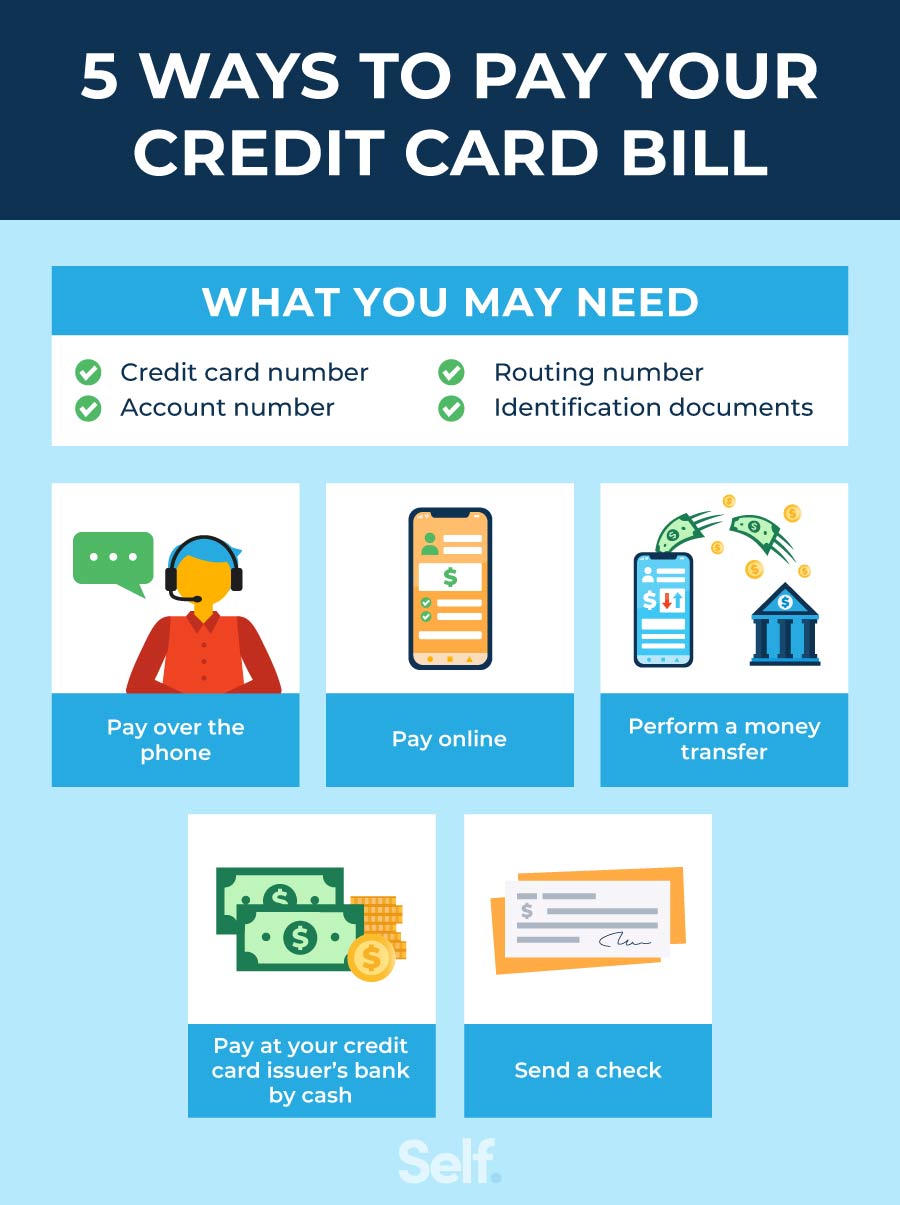
Income Routing: Direct deposit should be split so that the total amount needed for fixed monthly bills is automatically routed into a dedicated “Bills Account.”
-
Automated Outflow: All recurring bills are then set to withdraw directly from that specific account.
-
The Buffer Strategy: Always maintain a “buffer”—usually equal to one month of expenses—in the bill-paying account to protect against unexpected fluctuations in variable bills or timing mismatches in deposits.
This system ensures that your living expenses are “pre-funded,” preventing the temptation to spend money that is already spoken for by future obligations.
Managing the Cash Flow Gap
One of the primary reasons people struggle with bill payment is a mismatch between when money is earned and when it is due. In business finance, this is known as a liquidity gap. For individuals, this can be solved by building a “sinking fund.” If you have a large annual bill—such as property taxes or a car insurance premium—divide the total by 12 and automate that amount into a high-yield savings account every month. When the bill arrives, the cash is already waiting, and the impact on your monthly budget is neutralized.
The Credit Score Connection: Why Timeliness is an Asset
In the realm of personal finance, your payment history is your reputation. It is the single most significant factor in calculating your FICO score, accounting for roughly 35% of the total.
The Impact of a Single Late Payment
A common misconception is that a bill is only “late” if it’s a few days past the due date. While a service provider might charge a late fee after one day, the credit bureaus typically aren’t notified until a payment is 30 days overdue. However, once that 30-day threshold is crossed, the damage to a credit score can be catastrophic, sometimes dropping a high score by 100 points or more. This makes the “how” of paying bills a critical component of your long-term borrowing power. Higher credit scores lead to lower interest rates on mortgages and auto loans, which can save a consumer hundreds of thousands of dollars over a lifetime.
Monitoring and Verification
Automation does not mean abdication. A professional approach to money management requires a monthly “audit” of your automated systems. This involves checking statements for errors, unauthorized price hikes, or “subscription creep.” Even the most robust automated system can fail due to an expired debit card or a technical glitch. Setting up “low balance” and “payment confirmed” alerts on your smartphone acts as a fail-safe to ensure the system is functioning as intended.
Navigating Financial Hardship: What to Do When the Funds Aren’t There
Financial management is not always a linear path of growth. Economic downturns, medical emergencies, or job losses can disrupt even the best-laid plans. When you cannot pay a bill, the “how” shifts from a logistical task to a negotiation.
The Protocol for Late Payments
The worst possible action when facing a bill you cannot pay is silence. Most creditors—from credit card companies to utility providers—have “hardship programs” designed to help consumers navigate temporary setbacks.
-
Proactive Communication: Call the creditor before the due date.
-
Requesting Forbearance: Many companies will offer a 30-to-90-day window where payments are paused or reduced without impacting your credit score.
-
Waiving Fees: If you have a long history of on-time payments, most companies will waive a first-time late fee as a gesture of goodwill.
Debt Restructuring and Consolidation
If the volume of bills becomes unmanageable, it may be time to look at debt consolidation. This involves taking out a single loan with a lower interest rate to pay off multiple high-interest debts. This simplifies the “how” by reducing a dozen due dates down to one, while also reducing the total interest paid over time. It is a strategic move that treats bill payment as a debt-reduction exercise rather than just a monthly chore.
Long-term Optimization: Reducing the Bottom Line
The final stage of mastering bill payment is learning how to pay less. Every dollar saved on a recurring bill is a dollar that can be redirected toward investing or high-interest savings.
Negotiating Fixed Expenses
Many consumers treat their internet, phone, and insurance bills as non-negotiable. In reality, these are often flexible. Spending one hour every six months calling providers to ask for better rates or “loyalty discounts” can yield significant savings. In the world of business finance, this is known as “expense management,” and it is just as vital for a household as it is for a Fortune 500 company.

The Subscription Audit
In the digital age, “subscription creep” is a silent killer of wealth. Small $10 to $20 monthly charges for software, apps, or media services can add up to hundreds of dollars a month. A professional financial review involves identifying these “zombie” subscriptions and canceling anything that does not provide clear value.
By shifting your perspective from “paying bills” to “managing capital,” you transform a mundane task into a sophisticated financial strategy. Whether through automation, rewards optimization, or aggressive negotiation, the way you handle your monthly obligations defines your financial trajectory. The question “How do I pay my bill?” is ultimately the first step in answering the much larger question: “How do I build a secure financial future?”
aViewFromTheCave is a participant in the Amazon Services LLC Associates Program, an affiliate advertising program designed to provide a means for sites to earn advertising fees by advertising and linking to Amazon.com. Amazon, the Amazon logo, AmazonSupply, and the AmazonSupply logo are trademarks of Amazon.com, Inc. or its affiliates. As an Amazon Associate we earn affiliate commissions from qualifying purchases.