
The term “spindle biology” might sound niche, confined to the hushed laboratories of molecular biologists. However, the fundamental processes it explores are intimately connected to technologies we use daily, the brands we interact with, and even the financial markets that shape our world. At its core, spindle biology delves into the intricate dance of chromosomes during cell division, a process that underpins all life. Understanding this microscopic machinery reveals a surprising breadth of relevance, touching upon advancements in medical technology, the strategies of successful brands, and the potential for innovative financial applications.
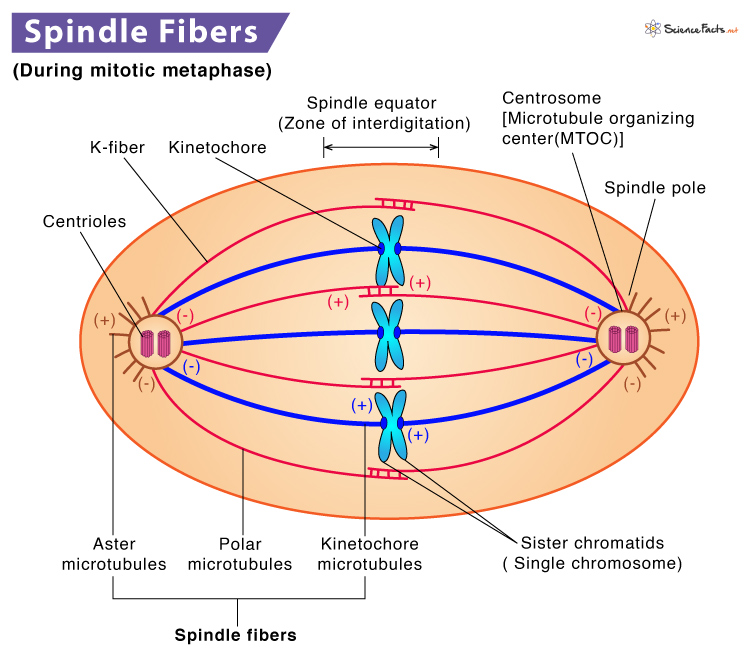
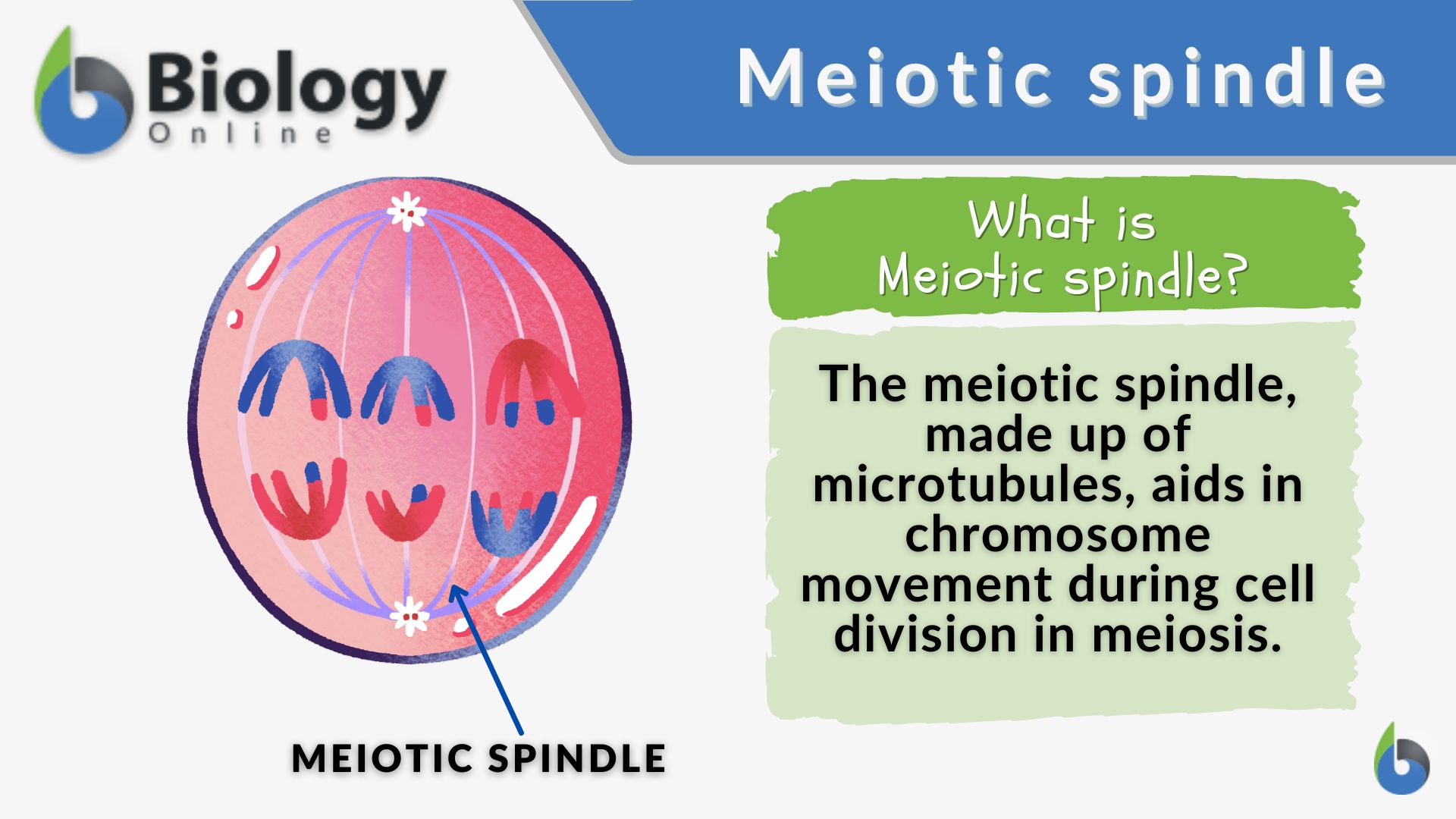
Cell division, specifically mitosis and meiosis, is a meticulously orchestrated event. Central to this process is the spindle apparatus, a dynamic structure composed primarily of microtubules and associated proteins. This “spindle” acts like a biological railroad track, ensuring that chromosomes – the carriers of genetic information – are accurately segregated into two new daughter cells. Errors in this segregation can lead to aneuploidy, a condition where cells have an abnormal number of chromosomes, which is a hallmark of many diseases, including cancer and developmental disorders. Spindle biology, therefore, is the study of how this apparatus forms, functions, and is regulated.
The Microscopic Engine of Life: Unpacking the Spindle Apparatus
To truly grasp “what is spindle biology,” we must first appreciate the components and mechanics of the spindle apparatus. Imagine a bustling factory floor where each chromosome is a precious cargo that needs to be transported to its designated destination. The spindle is the sophisticated transportation system.
Microtubules: The Building Blocks of the Spindle
The primary structural element of the spindle is the microtubule. These are hollow cylinders made of protein subunits called tubulin. Microtubules are highly dynamic, constantly assembling and disassembling. During cell division, they emanate from specialized structures called centrosomes (in animal cells) or other organizing centers, forming a bipolar structure – the spindle.
These microtubules then attach to specialized regions on chromosomes called kinetochores. This attachment is not a static affair. Kinetochore microtubules are constantly being pulled and pushed, sensing tension and ensuring that each chromosome is correctly attached to microtubules originating from opposite poles of the cell. This “bipolar attachment” is critical; if a chromosome is attached to only one pole or both poles from the same side, it can lead to unequal distribution of genetic material.
Motor Proteins: The Movers and Shakers of Chromosomes
Directly powering the movement of chromosomes along microtubules are motor proteins, such as kinesins and dyneins. These molecular machines bind to microtubules and “walk” along them, carrying their cargo – the chromosomes. Their coordinated action, in conjunction with the assembly and disassembly of microtubules, drives the movement of chromosomes towards the poles of the cell during anaphase, the stage where sister chromatids are finally separated.
Regulation: The Precision Control System
The formation and function of the spindle are tightly regulated by a complex network of signaling pathways and regulatory proteins. Checkpoint proteins act as quality control inspectors, monitoring the attachment of chromosomes to the spindle. If any chromosome is not properly attached, these checkpoints halt the division process, preventing errors. This intricate regulatory network ensures the fidelity of genetic inheritance, a fundamental requirement for the survival and evolution of all organisms.
Spindle Biology’s Ripple Effect: From Lab Bench to Digital Frontier
The profound importance of spindle biology in cellular health translates into significant implications for various technological fields. The ability to understand and manipulate this fundamental biological process opens doors to groundbreaking advancements.
Technological Innovations Driven by Spindle Understanding
The insights gained from studying spindle biology have directly fueled the development of critical technologies, particularly in the realm of medicine and diagnostics.
Drug Discovery and Development: Targeting Cancer Cell Division
A major application of spindle biology lies in cancer therapy. Cancer cells are characterized by uncontrolled and often aberrant cell division. Many highly effective chemotherapy drugs work by targeting the spindle apparatus, disrupting microtubule dynamics. For instance, taxanes (like paclitaxel) and vinca alkaloids (like vincristine) interfere with microtubule assembly and disassembly, respectively, leading to mitotic arrest and programmed cell death (apoptosis) in rapidly dividing cancer cells. The ongoing research in spindle biology aims to identify even more precise targets, leading to drugs with fewer side effects and greater efficacy against resistant cancers.
Diagnostic Tools and Research Reagents
Understanding the components of the spindle has also led to the development of sophisticated diagnostic tools and research reagents. Antibodies that specifically bind to spindle proteins are invaluable for visualizing the spindle in cells, aiding in research and diagnosing certain cellular abnormalities. Furthermore, advances in live-cell imaging techniques, often powered by sophisticated microscopy and computational analysis, allow researchers to observe the spindle in action in real-time, providing unprecedented insights into its dynamic behavior.
Artificial Intelligence and Machine Learning in Biological Imaging
The sheer volume of complex biological data generated from spindle biology research, particularly imaging data, has made Artificial Intelligence (AI) and Machine Learning (ML) indispensable. AI algorithms are being trained to:
- Automate the identification and classification of spindle structures: This significantly speeds up the analysis of microscopy images, allowing researchers to study larger datasets and identify subtle abnormalities.
- Predict the outcome of cell division: By analyzing spindle dynamics, AI can potentially predict whether a cell will divide correctly or if it is prone to errors, which has implications for disease prediction and treatment response.
- Develop novel drug targets: AI can analyze vast biological datasets to identify new protein interactions or pathways involved in spindle function that could serve as targets for future drug development.
These AI-driven approaches are transforming how we conduct biological research, accelerating discoveries at an unprecedented pace.
Biotechnology and Gene Editing Technologies
While not directly manipulating the spindle itself, understanding the precision required for chromosome segregation informs the development of gene editing technologies like CRISPR-Cas9. The accuracy of gene editing relies on precise delivery and insertion of genetic material, mirroring the accuracy required for chromosome segregation. Furthermore, understanding the cell cycle and spindle dynamics is crucial for optimizing the efficiency and safety of these powerful biotechnological tools.
Branding, Reputation, and the “Spindle” of Corporate Identity
The principles of precision, order, and robust functionality that define spindle biology can be metaphorically applied to the world of branding and corporate identity. Just as the spindle ensures the accurate distribution of genetic material, a strong brand ensures the accurate and consistent communication of a company’s values, mission, and offerings to its audience.
Building a Cohesive Corporate Identity: The Spindle of Brand Messaging
A successful corporate identity is built upon a foundation of clear, consistent, and compelling messaging. This messaging acts as the “spindle” that holds together all aspects of a brand, from its visual design to its customer service.
- Consistency is Key: In spindle biology, errors in segregation lead to flawed cells. Similarly, inconsistencies in brand messaging can lead to confusion and erode trust. A brand needs a unified voice and visual style across all platforms – websites, social media, advertising, and customer interactions.
- Precision in Communication: The spindle’s precise movements ensure each chromosome goes to the correct daughter cell. Likewise, a brand’s communication must be precise, delivering the right message to the right audience at the right time. This involves understanding target demographics and tailoring content accordingly.
- Robustness and Resilience: The spindle is a dynamic yet remarkably robust structure. A strong brand, similarly, must be resilient to market fluctuations and public scrutiny. This resilience is built through a clear understanding of brand values and a commitment to upholding them, even during challenging times.
Case Studies in Spindle-Like Brand Success
Consider brands that have mastered this cohesive identity. Apple, for instance, has cultivated a brand that is synonymous with innovation, sleek design, and user-friendliness. Every product launch, every advertisement, and every customer interaction reinforces this core identity. This consistency, this “spindle-like” coherence, has cemented their reputation and fostered immense brand loyalty.
Conversely, brands that struggle with inconsistent messaging or a muddled identity often experience reputational damage. This is akin to a biological system where components are not working in harmony, leading to dysfunction.
The Role of Design and Marketing in Spindle-Aligned Branding
Design plays a critical role in creating a visually cohesive brand identity. The color palette, typography, and imagery used should all align with the core message, much like the precise arrangement of microtubules in the spindle. Marketing strategies then become the mechanisms that disseminate this cohesive identity to the target audience. Effective marketing campaigns are those that consistently reinforce the brand’s core principles, ensuring that the intended message is accurately “segregated” to consumers’ minds.
Financial Horizons: Spindle Biology’s Indirect Influence and Emerging Opportunities
While the direct impact of spindle biology on finance might seem less apparent than its technological or branding implications, there are indeed indirect connections and burgeoning opportunities for those who understand its broader significance.
Investment in Biotechnology and Healthcare Innovations
The advancements driven by spindle biology research, particularly in areas like cancer therapy and diagnostics, represent significant investment opportunities. Venture capital firms and individual investors are increasingly channeling funds into biotechnology companies at the forefront of these discoveries.
- Targeted Therapies: Companies developing drugs that precisely target spindle proteins for cancer treatment are of great interest. The success of existing spindle-targeting chemotherapies highlights the lucrative potential of this area.
- Diagnostic Platforms: Innovations in cell-based diagnostics, which may leverage our understanding of abnormal cell division, also present attractive investment prospects.
- AI in Drug Discovery: Companies integrating AI and ML into their drug discovery pipelines, specifically for identifying new spindle-related targets or predicting drug efficacy, are likely to attract significant funding.
Financial Modeling and Predictive Analytics in Biological Research
The complex data generated in spindle biology research, including high-throughput screening data and imaging analyses, can be leveraged for sophisticated financial modeling and predictive analytics.
- Valuing R&D Pipelines: Financial analysts can use their understanding of the scientific progress in spindle biology to better assess the potential value of a biotechnology company’s research and development pipeline.
- Market Forecasting: By tracking key scientific milestones and regulatory approvals in spindle-related research, investors can better forecast market trends and the potential success of new therapies.
- Risk Assessment: Understanding the technical challenges and potential pitfalls in spindle biology research can help financial institutions perform more accurate risk assessments for investments in this sector.

The “Spindle” of Financial Markets: Ensuring Fair Distribution and Efficiency
Metaphorically, the ideal financial market operates with a degree of precision and fairness akin to a well-functioning spindle. The goal is the efficient and equitable distribution of capital to where it can be most productively deployed.
- Transparency and Accuracy: Just as spindle biology strives for accurate chromosome segregation, financial markets aim for transparency and accurate pricing of assets. Misinformation or manipulation can lead to flawed “segregation” of capital, benefiting a few at the expense of many.
- Regulation and Oversight: Regulatory bodies act as a form of “checkpoint” in financial markets, ensuring that transactions are fair and that companies are adhering to established rules. This prevents systemic errors that could destabilize the entire market.
- Innovation in Financial Tools: The development of new financial tools and platforms, often powered by technology, aims to improve efficiency and accessibility, much like how technological advancements enhance our understanding and manipulation of biological processes.
While the direct application of spindle biology to financial transactions is still nascent, the underlying principles of precision, accuracy, and robust regulation offer a valuable framework for understanding and navigating the complexities of the financial world. As biotechnology continues to advance, the intersection of these fields will undoubtedly create new and exciting financial opportunities.
In conclusion, “what is spindle biology” is a question that, when explored, reveals a fascinating interconnectedness. From the fundamental mechanisms of life to the cutting-edge of technology, the impactful strategies of brands, and the intricate workings of global finance, the study of the spindle apparatus offers profound insights and drives innovation across diverse landscapes. It underscores the principle that understanding the microscopic can indeed have macroscopic implications.
aViewFromTheCave is a participant in the Amazon Services LLC Associates Program, an affiliate advertising program designed to provide a means for sites to earn advertising fees by advertising and linking to Amazon.com. Amazon, the Amazon logo, AmazonSupply, and the AmazonSupply logo are trademarks of Amazon.com, Inc. or its affiliates. As an Amazon Associate we earn affiliate commissions from qualifying purchases.