
Navigating the landscape of estimated taxes is a rite of passage for entrepreneurs, freelancers, investors, and high-net-worth individuals. Unlike traditional employees who have taxes withheld from every paycheck, those with “untaxed” income are responsible for paying the government in quarterly installments. Knowing exactly where to pay estimated taxes—and which platforms offer the most security and efficiency—is essential for maintaining financial health and avoiding the sting of underpayment penalties.
The modern financial ecosystem provides a variety of digital and traditional channels for fulfilling these obligations. Whether you are dealing with federal liabilities through the IRS or managing state-level requirements, the following guide outlines the most effective venues for making your payments, the tools available to streamline the process, and the strategic considerations for every taxpayer.
Navigating Federal Payment Portals: The IRS Ecosystem
The Internal Revenue Service (IRS) has significantly modernized its infrastructure over the last decade, offering several secure digital pathways for individual and business taxpayers. For most people, the federal level is where the largest portion of estimated tax liability resides.
IRS Direct Pay
For individual taxpayers, IRS Direct Pay is often the most efficient method. This service allows you to pay your estimated tax directly from your checking or savings account without any additional fees. It is a “guest” service, meaning you do not need to create a permanent account or remember a password to use it. When you select “Estimated Tax” as your reason for payment, the system automatically applies the funds to Form 1040-ES for the current tax year. The system provides an immediate confirmation number, which is vital for your financial records.
The Electronic Federal Tax Payment System (EFTPS)
While Direct Pay is convenient for one-off transactions, the Electronic Federal Tax Payment System (EFTPS) is the gold standard for business owners and individuals who prefer a more robust management system. EFTPS requires a formal enrollment process, which includes receiving a PIN via physical mail for added security. Once enrolled, you can schedule payments up to 365 days in advance. This is a powerful feature for financial planning; you can log in at the start of the year and schedule all four quarterly payments, ensuring you never miss a deadline due to forgetfulness.
The IRS2Go Mobile App
For those who manage their finances on the move, the IRS2Go app provides a mobile-friendly interface for making payments. It acts as a gateway to Direct Pay or credit card processors. It is particularly useful for freelancers who may want to make smaller, more frequent “micro-payments” as they receive large project invoices, rather than waiting for the quarterly deadline.
Digital Wallets and Credit/Debit Cards
The IRS utilizes third-party payment processors to accept payments via credit cards, debit cards, and digital wallets like PayPal or Click to Pay. While this offers the convenience of earning rewards points or managing cash flow, it comes with a caveat: processing fees. These third-party vendors (such as PayUSAtax or ACI Payments, Inc.) charge a percentage of the total payment. For high-value payments, these fees can be substantial, so it is important to calculate whether the credit card rewards outweigh the transaction costs.
Managing State and Local Obligations
Where you pay your federal taxes is only half the battle. Most states in the U.S. require their own version of estimated tax payments if your income exceeds a certain threshold.
State Revenue Portals
Most states have a Department of Revenue (DOR) or a Franchise Tax Board (FTB) website that functions similarly to the IRS site. For example, California taxpayers utilize the FTB’s “Web Pay” system, while New York residents use the Department of Taxation and Finance online services. Unlike the federal system, state portals vary wildly in user experience. Some require an established account linked to your Social Security Number, while others allow quick payments via a “guest” checkout.
Integrated State Filings
Many taxpayers find it easier to manage state payments through the same software they use for their federal returns. Modern tax preparation software can generate state-specific vouchers or facilitate direct electronic transfers to state treasuries. It is important to note that state deadlines usually align with federal deadlines (April, June, September, and January), but there are exceptions. Always verify the specific “where” and “when” for your state of residence, especially if you are a “digital nomad” earning income across multiple jurisdictions.
Digital Tools and FinTech Solutions for Seamless Compliance

In the current era of “FinTech,” several financial tools have emerged that act as intermediaries, helping you calculate how much you owe and directing you to the right place to pay. These tools bridge the gap between your bank account and the government.
Tax Software Integration
Comprehensive tax software suites like TurboTax, H&R Block, and TaxSlayer are no longer just for year-end filing. They offer year-round modules for estimated tax planning. These platforms can pull data from your previous year’s return to estimate your current year’s liability and provide direct links or generated forms for payment. This is particularly helpful for investors who have complex capital gains and losses to account for throughout the year.
Accounting and Bookkeeping Software
For small business owners and freelancers, accounting platforms like QuickBooks Online, FreshBooks, and Xero have become indispensable. These tools often feature a “Tax Center” that tracks your income and expenses in real-time. By linking your bank accounts, these programs can provide an ongoing estimate of your quarterly liability. Some versions of QuickBooks even allow you to pay your federal estimated taxes directly from the dashboard, consolidating your financial management into a single “command center.”
Specialized Banking for Freelancers
A new wave of business banking—led by platforms like Found, Novo, and Lili—is designed specifically for the self-employed. These banks often include a “Tax Vault” feature. When a deposit hits your account, the app automatically moves a percentage (based on your projected tax bracket) into a separate, protected sub-account. When it comes time to pay, the app provides the necessary documentation or direct integration to send those funds to the IRS, ensuring that the money is already set aside and the “where” is handled within the banking app itself.
Traditional and Alternative Payment Methods
While digital payments are the standard, there are still traditional and “in-person” methods available for those who prefer them or who have specific liquidity needs.
Form 1040-ES and Mail-in Vouchers
If you prefer the paper trail of a physical check, you can use Form 1040-ES. The IRS provides a package of four payment vouchers, one for each quarterly period. You fill out your information, attach a check or money order, and mail it to the IRS processing center designated for your region. It is highly recommended to use certified mail with a return receipt if you choose this route, as it provides legal proof of the date you sent the payment.
In-Person Retail Payments
Surprisingly, the IRS has partnered with retail locations like 7-Eleven, Walgreens, and CVS to allow taxpayers to pay their taxes in cash. This is facilitated through the ACI Payments, Inc. platform. You must start the process online to receive a “pay code,” which you then take to the participating retailer. While this is less common for high-income investors, it is a critical service for unbanked individuals or those who operate primarily in cash-heavy businesses.
Strategic Timing and Best Practices for Financial Health
Knowing where to pay is only effective if you understand the rules governing the timing and accuracy of those payments. The goal is to remain in the “Safe Harbor” to avoid penalties while keeping as much of your capital working for you as possible.
The Quarterly Schedule
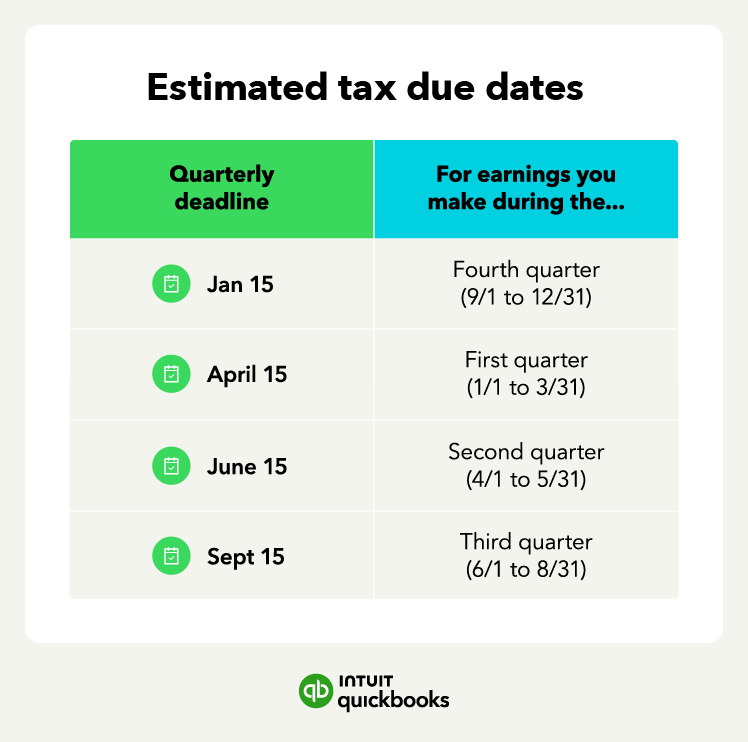
Estimated taxes are generally due in four installments:
-
Q1 (Jan 1 – March 31): Due April 15
-
Q2 (April 1 – May 31): Due June 15
-
Q3 (June 1 – Aug 31): Due September 15
-
Q4 (Sept 1 – Dec 31): Due January 15 of the following year
Note that the “quarters” are not equal in length, which is a common trap for the unwary. The second “quarter” is only two months long, requiring a quicker turnaround for payment calculations.
The Safe Harbor Rule
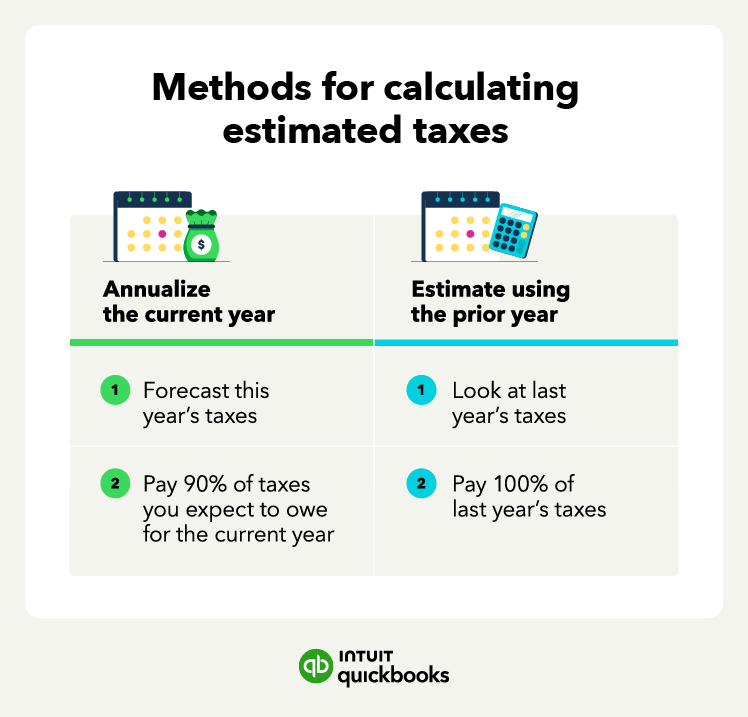
To avoid an underpayment penalty, you generally need to pay at least 90% of your current year’s tax liability or 100% of your prior year’s tax liability (110% if your adjusted gross income was over $150,000). By using the EFTPS or Direct Pay portals to consistently meet these benchmarks, you can focus on growing your investments or business without the fear of an IRS audit or fine.
Record Keeping and Verification
Regardless of which platform you choose, the most important step in the process is documentation. Every time you make a payment, save a PDF of the confirmation screen or the receipt. Many taxpayers make the mistake of assuming the IRS systems will perfectly sync with their personal records. Discrepancies often occur, especially when payments are made close to the deadline. Having a dedicated folder—digital or physical—containing every confirmation number from Direct Pay, EFTPS, or your state portal is the best defense during the annual tax filing process.
By leveraging these diverse payment channels—from the high-tech integration of FinTech banks to the reliable infrastructure of IRS Direct Pay—you can transform a potentially stressful tax obligation into a routine, manageable part of your broader financial strategy. Managing where you pay estimated taxes is not just about compliance; it is about taking control of your cash flow and ensuring your wealth continues to work for you.
aViewFromTheCave is a participant in the Amazon Services LLC Associates Program, an affiliate advertising program designed to provide a means for sites to earn advertising fees by advertising and linking to Amazon.com. Amazon, the Amazon logo, AmazonSupply, and the AmazonSupply logo are trademarks of Amazon.com, Inc. or its affiliates. As an Amazon Associate we earn affiliate commissions from qualifying purchases.