
Navigating the complexities of the Internal Revenue Service (IRS) calendar is a fundamental pillar of personal and business financial management. For many, the mention of “tax day” conjures a singular date in mid-April. However, for investors, freelancers, small business owners, and high-net-worth individuals, the reality of tax obligations is a year-round commitment. Understanding exactly when an IRS payment is due—and the nuances surrounding those deadlines—is critical for maintaining liquidity, avoiding costly penalties, and ensuring long-term wealth preservation.
Managing tax liabilities is not merely a matter of compliance; it is a strategic component of cash flow management. Failing to account for these dates can lead to significant financial friction, including interest charges that compound daily and penalties that can quickly erode investment gains. This guide provides an in-depth analysis of the various IRS payment deadlines, the mechanics of estimated payments, and the strategic tools available to manage your tax burden effectively.
The Standard Tax Deadline and Its Variations
The most recognized deadline in the American financial landscape is April 15. This is the date by which most individual income tax returns are due, and more importantly, it is the deadline for any remaining tax balance owed for the prior calendar year. Even if you apply for an extension to file your paperwork, the IRS is clear: the extension to file is not an extension to pay.
The General Rule of April 15th
In a standard year, April 15 serves as the anchor for federal tax obligations. By midnight on this date, taxpayers must have submitted their Form 1040 and paid any outstanding balance to avoid the failure-to-pay penalty. For the majority of W-2 employees, whose taxes are withheld from their paychecks throughout the year, this date is simply a “settling up” period where they either claim a refund or pay a small remaining balance.
Weekends, Holidays, and Calendar Shifts
The IRS follows specific rules when the standard April 15 deadline falls on a Saturday, Sunday, or a legal holiday. In such instances, the deadline is pushed to the next succeeding business day. Furthermore, local holidays can impact these dates. For example, Emancipation Day, a legal holiday in Washington, D.C., often results in a deadline shift for the entire nation. Additionally, residents of certain states may occasionally receive extensions due to localized Patriot’s Day celebrations or, more frequently, due to federally declared disaster areas. Monitoring the IRS Newsroom for these “tax relief” announcements is essential for individuals living in areas prone to natural disasters.
State vs. Federal Payment Deadlines
While this guide focuses on federal IRS obligations, it is vital to recognize that state tax deadlines do not always align with federal ones. While most states synchronize their filing dates with the IRS, others, such as Louisiana or Virginia, have historically utilized different schedules. For a holistic financial strategy, you must track both federal and state requirements to ensure that your liquid reserves are sufficient to cover both liabilities simultaneously.
Understanding Quarterly Estimated Tax Payments
For those who do not have taxes automatically withheld—such as freelancers, independent contractors, partners in a business, or those with significant investment income—the IRS operates on a “pay-as-you-go” system. This means that instead of a single annual payment, you are required to make four quarterly estimated tax payments throughout the year.
Who Must Pay Estimated Taxes?
Generally, if you expect to owe $1,000 or more in taxes when you file your return, you are required to make estimated payments. This is particularly relevant for the growing “gig economy” workforce and solo entrepreneurs. Additionally, if your income from dividends, interest, or capital gains reaches a certain threshold, the IRS expects its share as that income is realized, rather than twelve months later.
The Four Critical Payment Windows
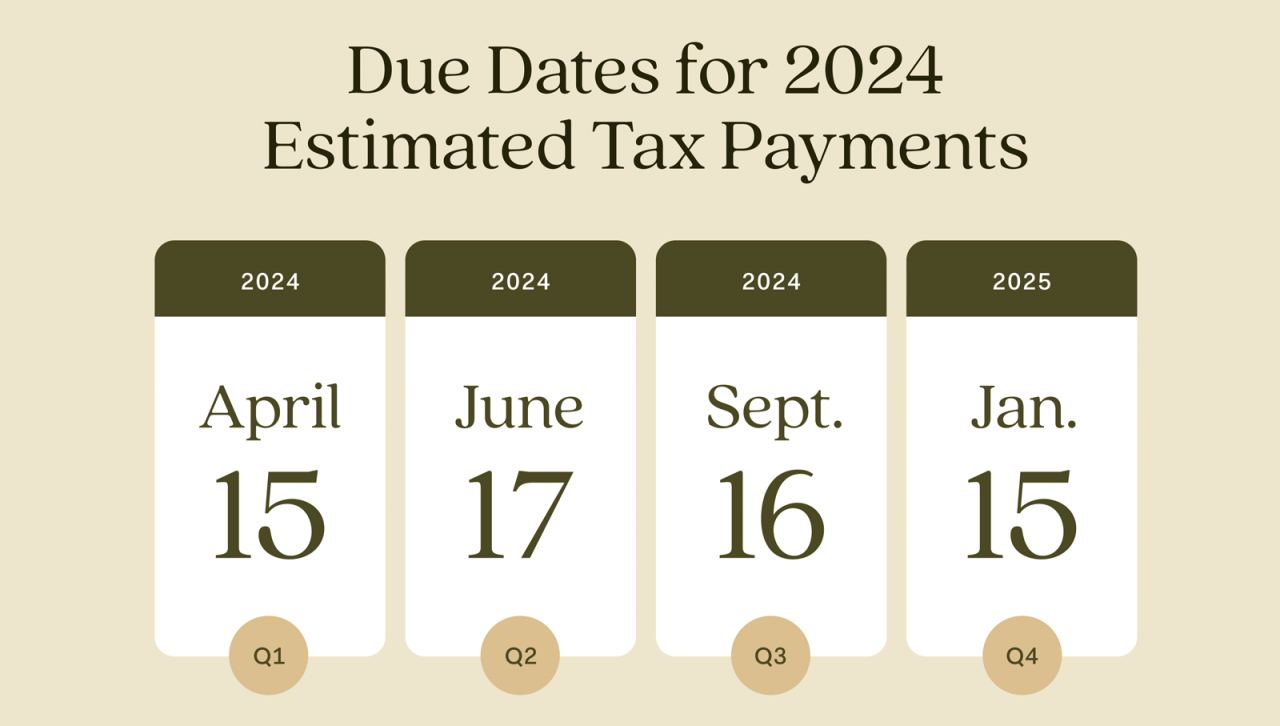
The deadlines for quarterly estimated taxes do not follow a perfectly symmetrical three-month cycle. The standard schedule is as follows:
-
First Quarter (Jan 1 – March 31): Payment due April 15.
-
Second Quarter (April 1 – May 31): Payment due June 15.
-
Third Quarter (June 1 – Aug 31): Payment due September 15.
-
Fourth Quarter (Sept 1 – Dec 31): Payment due January 15 of the following year.
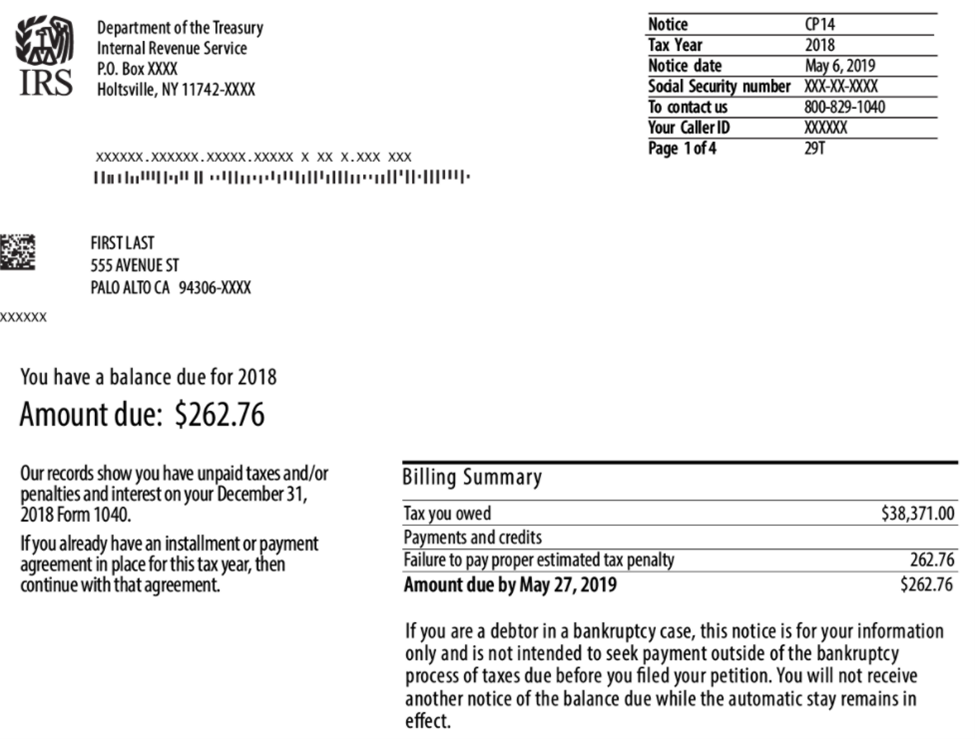
Missing these dates, or underpaying the amount due, can trigger an underpayment penalty. This penalty is essentially interest on the money you should have paid throughout the year, and it remains one of the most common “hidden” costs for small business owners.
The Safe Harbor Rule
To mitigate the risk of penalties, the IRS provides a “Safe Harbor” provision. Generally, you will not face an underpayment penalty if you pay at least 90% of the tax shown on your current year’s return, or 100% of the tax shown on your return for the prior year (whichever is smaller). For high-income taxpayers—those with an adjusted gross income over $150,000—the 100% rule increases to 110%. Utilizing the Safe Harbor rule is a savvy financial tactic that provides a predictable target for your quarterly outlays.
Extensions, Payment Plans, and Financial Relief
When a taxpayer realizes they cannot meet a payment deadline, the worst possible move is to ignore the date. The IRS offers several mechanisms for individuals and businesses facing liquidity challenges, provided they are proactive in their communication.
Filing an Extension vs. Paying Your Bill
As previously noted, filing Form 4868 grants a six-month extension to file your return (usually until October 15), but it does not grant extra time to pay. If you expect to owe money, you must estimate the amount and pay it by the April deadline. If you pay at least 90% of your actual liability by the original deadline, you may avoid the failure-to-pay penalty, though interest will still accrue on the remaining 10%.
IRS Payment Plan Options
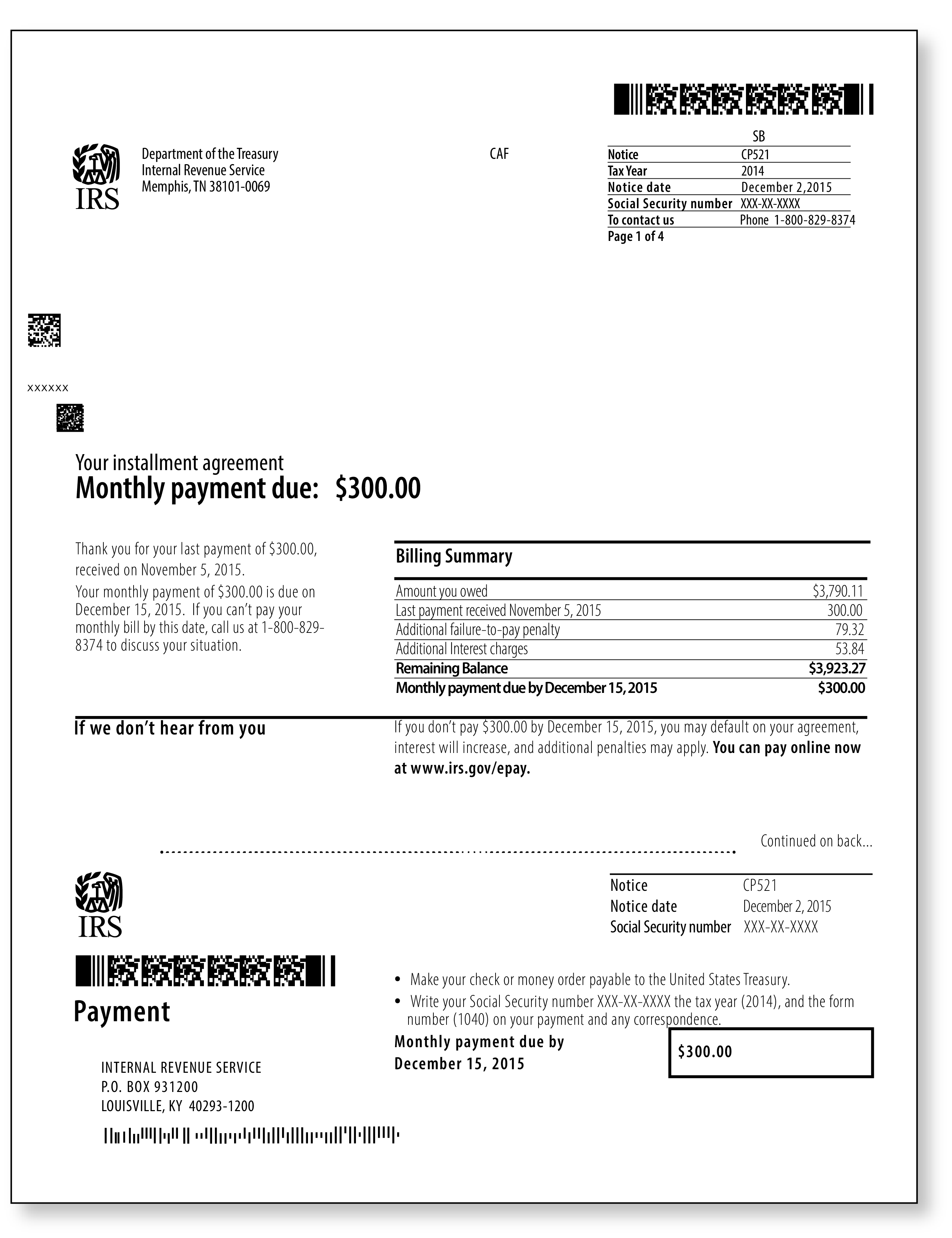
If you cannot pay your tax bill in full by the due date, the IRS provides several “Installment Agreements.”
-
Short-term Payment Plan: This gives you up to 180 days to pay your liability in full, including accrued interest and penalties.
-
Long-term Payment Plan (Installment Agreement): This is for balances that require months or years to resolve. While there is a setup fee and ongoing interest, it prevents the IRS from taking more aggressive collection actions, such as wage garnishment or bank levies.
-
Offer in Compromise (OIC): In extreme cases of financial hardship, the IRS may allow a taxpayer to settle their tax debt for less than the full amount owed. This is a rigorous process that requires full disclosure of assets, income, and expenses.
Strategic Cash Flow Considerations
From a personal finance perspective, using an IRS installment plan should be compared against other financing options. If the interest rate charged by the IRS is lower than that of a personal loan or credit card, the installment plan may be the most cost-effective way to manage the debt. However, the primary goal should always be to maintain a “tax sinking fund” throughout the year to avoid these costs entirely.
Penalties, Interest, and the Cost of Late Payments
Understanding the cost of missing an IRS deadline is a powerful motivator for timely filing and payment. The IRS applies two distinct penalties that can compound quickly, creating a significant financial burden.
Failure-to-File vs. Failure-to-Pay
The penalty for failing to file your return is generally much more severe than the penalty for failing to pay. The failure-to-file penalty is usually 5% of the unpaid taxes for each month or part of a month that a tax return is late. This penalty caps at 25%. On the other hand, the failure-to-pay penalty is 0.5% of the unpaid taxes for each month or part of a month the tax remains unpaid. If both penalties apply in the same month, the failure-to-file penalty is reduced by the amount of the failure-to-pay penalty.
The Burden of Compounding Interest
In addition to penalties, the IRS charges interest on underpayments. The interest rate is determined quarterly and is the federal short-term rate plus 3%. Because this interest compounds daily, a debt that seems manageable in April can grow substantially by October. Unlike some forms of business interest, interest paid to the IRS on personal income tax underpayments is generally not tax-deductible.
Proactive Strategies to Mitigate Damage
If you find yourself facing penalties, you may qualify for “First-Time Penalty Abatement.” If you have a history of filing and paying on time and have not had a penalty in the last three years, the IRS may waive the failure-to-file or failure-to-pay penalties upon request. This can save taxpayers hundreds or thousands of dollars, making it an essential tool for those who have experienced a one-time financial oversight.
Digital Tools for Managing IRS Deadlines
In the modern financial era, there is no reason to rely on manual tracking or paper checks to meet IRS deadlines. A variety of digital tools and platforms can automate the process, ensuring accuracy and timeliness.
IRS Direct Pay and the EFTPS System
The IRS provides two primary portals for making payments. IRS Direct Pay allows individuals to pay directly from a checking or savings account without any registration. For businesses and high-frequency payers, the Electronic Federal Tax Payment System (EFTPS) is a more robust, albeit more formal, system that allows for scheduled payments up to 365 days in advance. Using these tools provides immediate confirmation of payment, which is vital for your financial records.
Financial Tracking Software
For freelancers and small business owners, software like QuickBooks, FreshBooks, or specialized tax-planning apps can estimate quarterly liabilities in real-time based on your income and expenses. By integrating your bank accounts, these tools can provide a “tax estimate” dashboard, allowing you to set aside the exact amount needed for the next deadline.
Setting Up a “Tax Sinking Fund”
A highly effective personal finance strategy is the use of a dedicated high-yield savings account as a “tax sinking fund.” By automating a transfer of 25–30% of all gross business or investment income into this account, you ensure that the money is available when the IRS payment is due. Not only does this eliminate “tax season stress,” but it also allows you to earn interest on those funds until the very day they must be sent to the Treasury. In a high-interest-rate environment, this “tax float” can represent a modest but meaningful gain for the taxpayer.
aViewFromTheCave is a participant in the Amazon Services LLC Associates Program, an affiliate advertising program designed to provide a means for sites to earn advertising fees by advertising and linking to Amazon.com. Amazon, the Amazon logo, AmazonSupply, and the AmazonSupply logo are trademarks of Amazon.com, Inc. or its affiliates. As an Amazon Associate we earn affiliate commissions from qualifying purchases.