
Cash flow is the lifeblood of any enterprise, yet many business owners find the actual act of collecting payment to be one of the most challenging aspects of management. Whether you are running a small consultancy or a mid-sized manufacturing firm, the gap between delivering a service and receiving the funds can create significant financial strain. Efficient payment collection is not merely about sending an invoice; it is a strategic function that encompasses financial planning, risk management, and professional communication. To master this process, a business must implement a structured framework that minimizes friction, reduces the “Days Sales Outstanding” (DSO), and ensures that capital is available for reinvestment and operational costs.
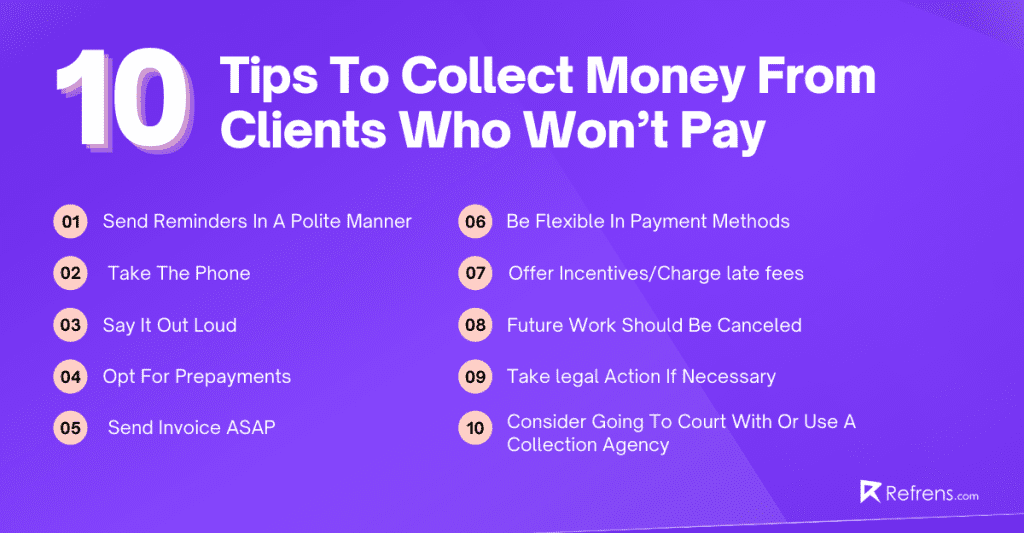
Establishing a Clear Accounts Receivable Framework
The foundation of successful payment collection is laid long before an invoice is ever generated. Without a clear set of internal policies and external expectations, a business leaves its revenue to chance. Establishing a rigorous accounts receivable (AR) framework ensures that both the service provider and the client understand the financial obligations inherent in the relationship.
Drafting Comprehensive Payment Terms and Conditions
Every professional engagement should be governed by a contract that explicitly outlines payment terms. These terms should not be buried in fine print; they should be a focal point of the onboarding process. Key elements to define include the “Net” period (e.g., Net 15, Net 30), which dictates how many days the customer has to pay after receiving the invoice.
In a modern business environment, “Due on Receipt” is becoming increasingly common for digital services, whereas “Net 30” remains the standard for traditional B2B industries. Clearly stating these terms helps avoid the common excuse of “we didn’t know when it was due.” Furthermore, specifying the currency, accepted payment methods, and any penalties for late payments creates a legal and psychological boundary that encourages timely compliance.
The Strategic Use of Upfront Deposits and Milestones
One of the most effective ways to mitigate the risk of non-payment is to collect a portion of the fee upfront. This is particularly vital for long-term projects or custom orders where the business incurs significant labor or material costs early on. A 25% to 50% deposit ensures that the business remains liquid during the execution phase.
For larger, multi-month contracts, implementing milestone-based payments is essential. By tying payments to specific deliverables, you create a cycle of value exchange. If a client fails to pay for a completed milestone, the business can halt work before further resources are expended. This protects the company’s bottom line and provides a natural leverage point for collections.
Incentivizing Early Payments Through Discounts
While penalties are a reactive measure, incentives are proactive. Many high-growth companies use “2/10 Net 30” terms, which offer the customer a 2% discount if the bill is paid within ten days; otherwise, the full amount is due in thirty. From a financial management perspective, this small discount is often worth the cost, as it drastically improves the company’s cash position and reduces the administrative burden of following up on older invoices.
Modern Payment Methods and Infrastructure
The ease with which a customer can pay often determines how quickly they do so. Friction in the payment process—such as requiring a physical check or a complex bank wire—can lead to delays. To optimize collection, businesses must offer a variety of modern, secure, and user-friendly payment channels.
ACH Transfers and Direct Debits
For recurring B2B transactions, Automated Clearing House (ACH) transfers are often the gold standard. They are significantly cheaper than credit card processing fees and are generally more reliable than paper checks. By setting up direct debit authorizations, a business can pull the agreed-upon funds directly from the customer’s bank account on the due date. This removes the “human element” of the customer having to manually initiate a payment, thereby virtually eliminating late payments for subscription-based or retainer models.
Credit Card Processing and Balancing Transaction Fees
While credit card fees (typically 2.5% to 3.5%) can eat into profit margins, the speed and convenience they offer can be a net positive for cash flow. Customers are often more willing to settle a bill immediately if they can use a corporate card. When deciding whether to accept cards, businesses should perform a cost-benefit analysis: is the 3% fee higher than the cost of staff time spent chasing a late check? In many cases, the answer is no. For high-ticket items, some businesses choose to pass the processing fee onto the customer, though this must be done in accordance with local regulations and clearly communicated in the initial contract.
Digital Wallets and Global Payment Gateways
In an increasingly globalized economy, businesses often deal with international clients. Traditional wire transfers can be expensive and slow due to intermediary bank fees. Utilizing global payment gateways or digital wallets can streamline this process. These platforms handle currency conversion and provide a localized experience for the customer, making it as easy for a client in London to pay a firm in New York as it is for a local customer. The goal is to meet the customer where they are financially, removing any technical or logistical barriers to payment.
Strategies for Managing Overdue Invoices and Delinquency
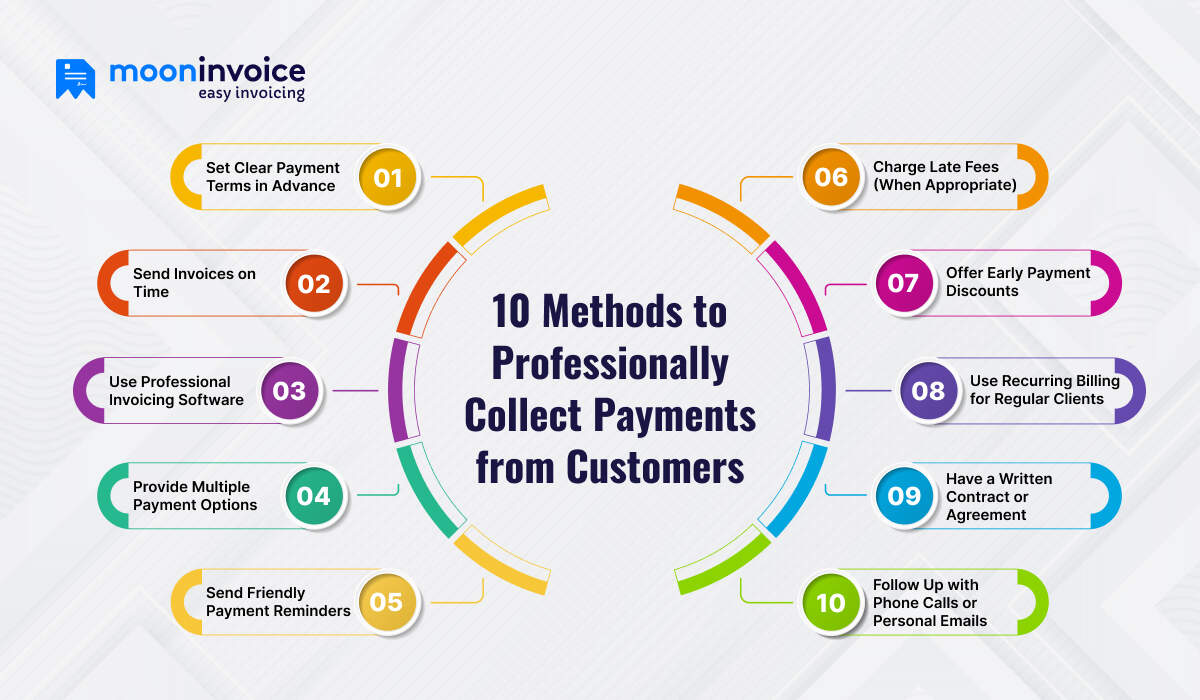
Even with the best systems in place, overdue invoices are an inevitable part of doing business. The key to handling them is a systematic, escalating approach that maintains professionalism while asserting the business’s right to be paid.
Implementing an Automated Follow-up System
Consistency is the enemy of delinquency. Many payments are missed simply because an invoice was buried in an inbox or a busy manager forgot to click “send.” Automated reminders—sent five days before the due date, on the due date, and three days after—can resolve a large percentage of late payments without any manual intervention. These reminders should be polite but firm, providing a direct link to the payment portal to minimize effort for the client.
The Art of the Professional Payment Reminder
When automation fails, a personal touch is required. The first manual outreach should be a “soft” check-in. Perhaps there was an issue with the service, or the invoice was sent to the wrong department. This allows the business to resolve any underlying disputes while keeping the relationship intact.
As the invoice ages into the 30-to-60-day bracket, the tone must shift. At this stage, the business should involve its finance department or a senior manager. A phone call is often more effective than an email at this point, as it is much harder for a customer to ignore a live conversation than a digital message. During these calls, the objective is to secure a specific “promise to pay” date.
When to Escalate to Collections or Legal Action
If an invoice reaches 90 days past due, the probability of collection drops significantly. At this stage, the business must decide if the debt is worth the cost of recovery. Options include:
-
Debt Collection Agencies: These firms work on a contingency basis, taking a percentage (often 25% to 50%) of the recovered amount.
-
Legal Action: For substantial debts, filing a lawsuit in small claims court or hiring an attorney to send a formal demand letter may be necessary.
-
Writing Off the Debt: In some cases, the administrative and legal costs exceed the value of the invoice. Writing off the debt as a “bad debt expense” allows the business to at least gain a tax deduction and refocus resources on paying customers.
Optimizing the Invoicing Process for Speed and Accuracy
The quality of the invoice itself plays a major role in how quickly it is processed. An invoice that is confusing, inaccurate, or missing vital information will inevitably be sidelined by a client’s accounting department.
Itemization and Professional Formatting
A professional invoice should be clear, concise, and comprehensive. It must include:
-
A unique invoice number for tracking.
-
Clearly defined line items describing the work performed or goods sold.
-
The total amount due, including taxes and shipping.
-
The exact due date (not just “Net 30”).
-
Multiple ways to pay (e.g., “Click here to pay by card” or “ACH instructions below”).
By providing a detailed breakdown, you pre-emptively answer the customer’s questions and reduce the likelihood of the invoice being disputed or returned for clarification.
Transitioning to Recurring Billing Models
For businesses that provide ongoing services, the shift from manual invoicing to recurring billing is a financial game-changer. By moving customers to a subscription or retainer model, the business can automate the entire collection process. This creates a predictable revenue stream and significantly lowers the overhead associated with AR management. It shifts the dynamic from “asking for money” to “delivering a continuous service” where payment is a background utility.
Financial Risk Management and Customer Vetting
Ultimately, the best way to collect payment is to work with customers who have the capacity and intent to pay. This requires a level of financial due diligence before a contract is signed.
Credit Checks and Trade References
In B2B environments, it is standard practice to ask new clients for trade references or to perform a credit check. This is especially true for large orders or long-term credit arrangements. If a potential client has a history of late payments with other vendors, it is a significant red flag. In such cases, the business may choose to require 100% payment upfront or set much shorter credit limits until trust is established.
Monitoring Accounts Receivable Aging Reports
A healthy business regularly reviews its Aging Report—a financial document that categorizes all unpaid invoices by how long they have been outstanding (0-30, 31-60, 61-90, and 90+ days). By analyzing this report weekly, management can identify trends. For example, if the 61-90 day bucket is growing, it indicates a failure in the collection process or a systemic issue with a specific group of customers. Monitoring these metrics allows for rapid pivots in strategy, ensuring that the business stays liquid and focused on growth rather than debt recovery.
In conclusion, collecting payment is a multi-faceted discipline that combines clear communication, modern financial tools, and firm enforcement of policies. By treating the collection process as a vital part of the customer experience rather than a burdensome after-thought, businesses can protect their margins, foster healthier professional relationships, and ensure long-term financial stability.
aViewFromTheCave is a participant in the Amazon Services LLC Associates Program, an affiliate advertising program designed to provide a means for sites to earn advertising fees by advertising and linking to Amazon.com. Amazon, the Amazon logo, AmazonSupply, and the AmazonSupply logo are trademarks of Amazon.com, Inc. or its affiliates. As an Amazon Associate we earn affiliate commissions from qualifying purchases.