
The transition from a cash-based society to a digital-first economy has fundamentally altered the way we interact with money. No longer is “paying online” a niche activity reserved for tech-savvy early adopters; it is now the primary method of commerce for billions of people worldwide. From monthly utility bills and grocery deliveries to international investments and peer-to-peer transfers, the digital payment landscape is vast and constantly evolving. Understanding how to navigate this ecosystem is not just a matter of convenience; it is a critical component of modern personal finance management and wealth protection.

To pay online effectively, one must look beyond the simple act of clicking a “buy” button. It involves choosing the right financial instruments, leveraging technology to maximize rewards, and implementing rigorous security protocols to safeguard one’s assets. This guide explores the various methods of online payment, their financial implications, and the strategies you can use to optimize your digital spending.
The Evolution of Digital Transactions: From Cards to Wallets
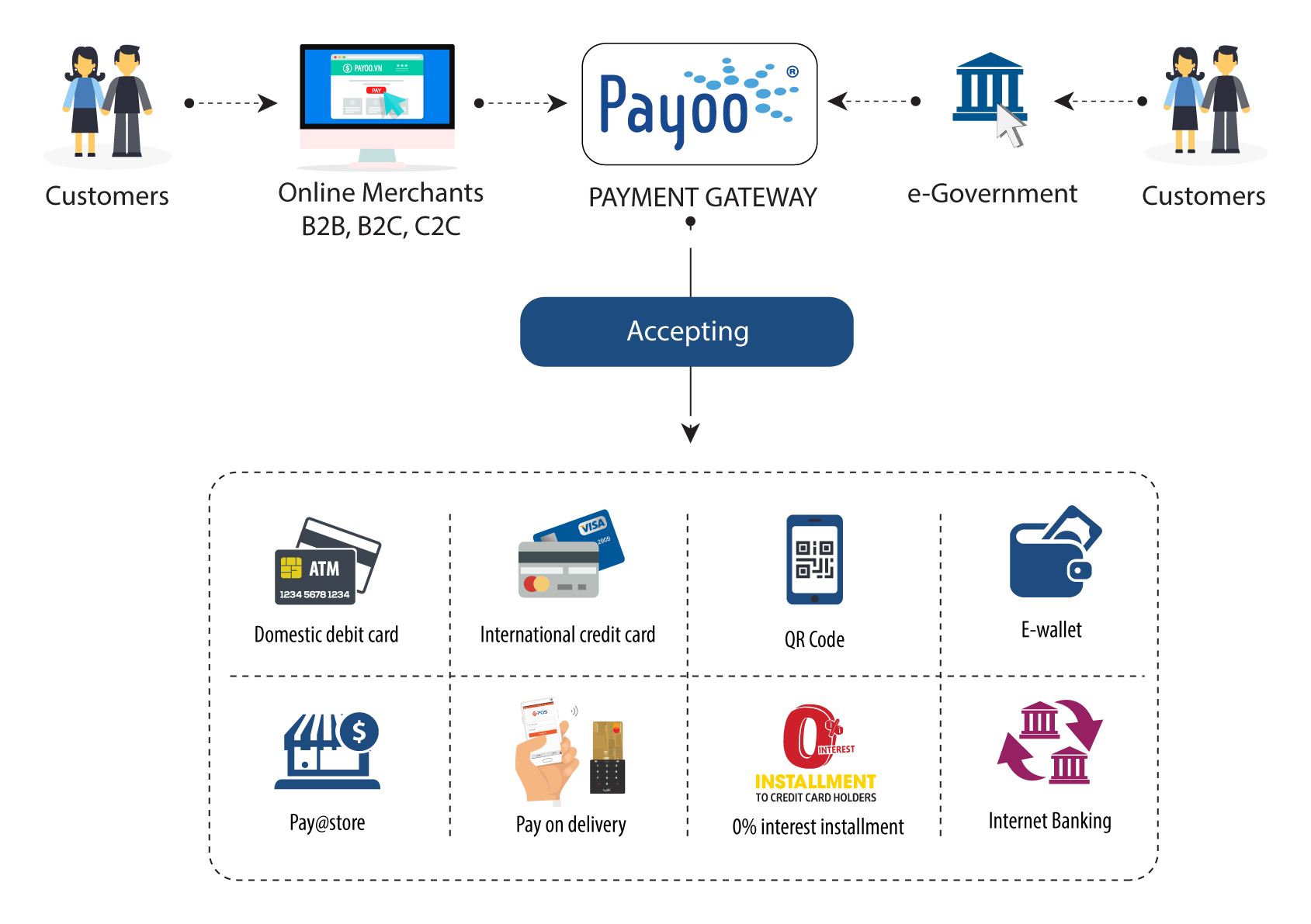
The foundation of online commerce was built upon the traditional banking infrastructure, but it has since expanded into a multi-faceted network of fintech solutions. Choosing the right method depends on your financial goals, whether you are seeking speed, security, or credit-building opportunities.
Credit and Debit Cards: The Foundation of E-commerce
Credit and debit cards remain the most widely accepted form of online payment. From a personal finance perspective, the distinction between the two is significant. Debit cards offer a direct link to your liquid assets, ensuring you do not spend money you do not have. However, credit cards often provide superior consumer protection and the opportunity to earn rewards.
When paying online with a credit card, you are essentially using the bank’s money and paying it back later. This mechanism offers a buffer against fraud; if a transaction is disputed, the funds haven’t left your personal bank account. Furthermore, many high-tier credit cards offer extended warranties and purchase protection, making them the preferred choice for high-value online acquisitions.
Digital Wallets: The Rise of One-Click Payments
Digital wallets like Apple Pay, Google Pay, and Samsung Pay have revolutionized the checkout experience. These tools act as a secure intermediary, storing your card information and using “tokenization” to process transactions. When you pay online via a digital wallet, the merchant never sees your actual card number. Instead, a unique, one-time code is generated for that specific transaction. This significantly reduces the risk of data breaches. From a management standpoint, digital wallets streamline the process, allowing for instantaneous payments that are automatically logged and categorized in your financial apps.
PayPal and Peer-to-Peer (P2P) Systems
PayPal was one of the first major players in the online payment space and remains a titan today. Its primary value proposition is the layer of abstraction it provides. By linking your bank account or cards to a PayPal account, you can pay online using only an email address and password. P2P systems like Venmo, Zelle, and Cash App have also moved into the commercial space, allowing users to pay small businesses and independent contractors with the same ease as sending money to a friend. For the user, these systems offer a centralized hub to track various streams of outgoing capital.
Innovative Payment Solutions for the Modern Consumer
As the financial sector continues to innovate, new methods of paying online have emerged that challenge traditional banking models. These tools offer flexibility but require a disciplined approach to avoid financial pitfalls.
Buy Now, Pay Later (BNPL): Redefining Short-Term Credit
Services such as Klarna, Afterpay, and Affirm have seen explosive growth. BNPL allows consumers to split a purchase into several interest-free installments. From a cash-flow management perspective, this can be an attractive option for necessary large purchases. However, it requires careful monitoring. The ease of BNPL can lead to “lifestyle creep,” where the accumulation of multiple small installments leads to a significant monthly debt burden. For those practicing strict personal finance, BNPL should be used strategically rather than as a default payment method.
Virtual Credit Cards and Temporary Account Numbers
Security-conscious spenders often turn to virtual credit cards. Offered by companies like Privacy.com or through major issuers like Capital One and Citibank, these are temporary card numbers generated for a specific merchant or a single transaction. If a merchant’s database is hacked, the virtual card number is useless to the attacker. This is an excellent tool for “paying online” on unfamiliar websites or for managing recurring subscriptions, as you can set spending limits or “freeze” the card at any time without affecting your primary account.
Cryptocurrency: The Frontier of Decentralized Payments
While still volatile, cryptocurrency is becoming a viable way to pay online for certain goods and services. Using digital assets like Bitcoin or stablecoins (tokens pegged to the US Dollar) allows for borderless transactions without traditional banking fees. For the tech-forward investor, paying in crypto can be a way to utilize capital gains directly. However, it lacks the consumer protections—such as chargebacks—found in the traditional banking system, making it a “buyer beware” environment.
Strategic Financial Management in a Digital Economy
Paying online is more than just the transfer of funds; it is an integrated part of your broader financial strategy. To master online payments, one must utilize the data generated by these transactions to build a clearer picture of their financial health.
Tracking and Categorizing Expenses Automatically
One of the greatest advantages of paying online is the digital paper trail. Most modern banking and fintech apps automatically categorize your spending—utilities, groceries, entertainment, etc. By reviewing these categories monthly, you can identify inefficiencies in your spending habits. For example, you might discover that your “online shopping” category is consuming a disproportionate percentage of your discretionary income, prompting a budget adjustment.
Managing the Subscription Economy
The “subscription model” is the dominant revenue strategy for digital services. From streaming platforms to software and meal kits, small monthly charges can quietly drain your account. Effective online payment management involves performing a “subscription audit” every quarter. Many financial tools now offer features that identify recurring charges, allowing you to cancel underutilized services with a single click. This practice alone can save hundreds of dollars a year.
Understanding Transaction Fees and Currency Conversion
For those who shop on international websites or travel frequently, paying online involves navigating exchange rates and foreign transaction fees. Many “basic” credit cards charge a 3% fee on every transaction made in a foreign currency. For significant purchases, this is a substantial hidden cost. Strategic spenders choose cards or digital banks (like Revolut or Wise) that offer mid-market exchange rates and zero foreign transaction fees, ensuring that more of their money stays in their pocket.
Protecting Your Capital: Security Protocols and Fraud Prevention
The convenience of paying online comes with the inherent risk of cybercrime. Protecting your personal finance ecosystem requires a proactive stance on security.
Multi-Factor Authentication and Financial Privacy
The first line of defense in online payments is Multi-Factor Authentication (MFA). You should never use a payment platform that does not offer MFA via an authenticator app or a physical security key. Relying solely on a password—no matter how complex—is no longer sufficient. Additionally, using a dedicated email address for financial accounts can help isolate your most sensitive data from the “noise” of your primary inbox, which is more likely to be targeted by phishing attempts.
Recognizing and Avoiding Online Payment Scams
Scammers have become increasingly sophisticated, using “spoofed” websites and social engineering to intercept payments. A common rule in digital finance is to never pay via an unverified link sent through email or SMS. Always navigate directly to the official website. Furthermore, be wary of sellers who insist on unconventional payment methods like gift cards or wire transfers for online goods; these are almost always indicators of fraud because they offer no path for fund recovery.
The Importance of Chargebacks and Consumer Protection Laws
One of the most powerful tools in your financial arsenal is the “chargeback.” If you pay online for a product that is never delivered or is significantly different from what was described, you have the legal right to dispute the charge with your card issuer. This protection is a primary reason why many financial experts recommend using a credit card for online purchases rather than a debit card or a direct bank transfer, which offer much less recourse in the event of a dispute.
Leveraging Online Payments for Long-Term Wealth
Finally, paying online can be a tool for wealth generation if managed correctly. By aligning your spending habits with the right financial products, you can turn necessary expenses into financial gains.
Maximizing Cashback and Reward Programs
The competitive nature of the credit card industry has resulted in generous rewards for consumers. By strategically choosing which card to use for specific online categories—such as 5% back on Amazon or 3% back on digital subscriptions—you can effectively discount your cost of living. When these rewards are funneled into a high-yield savings account or an investment portfolio, the compound interest can contribute significantly to long-term wealth.
Utilizing Digital Payments to Build Credit
For those looking to improve their credit score, the consistent and responsible use of online payments is vital. Setting up “autopay” for your monthly bills ensures that you never miss a payment deadline, which is the single most important factor in your credit score calculation. Over time, a high credit score lowers the cost of borrowing for major life milestones, such as buying a home or starting a business, proving that the way you pay online today has a direct impact on your financial opportunities tomorrow.
In conclusion, paying online is a sophisticated discipline that sits at the intersection of technology and personal finance. By understanding the tools available, maintaining a high level of security, and strategically managing your transactions, you can turn the simple act of digital payment into a robust engine for financial stability and growth.
aViewFromTheCave is a participant in the Amazon Services LLC Associates Program, an affiliate advertising program designed to provide a means for sites to earn advertising fees by advertising and linking to Amazon.com. Amazon, the Amazon logo, AmazonSupply, and the AmazonSupply logo are trademarks of Amazon.com, Inc. or its affiliates. As an Amazon Associate we earn affiliate commissions from qualifying purchases.