
The GPU Technology Conference, better known as NVIDIA GTC, has evolved from a niche gathering for graphics programmers into the most significant event on the global technology calendar. As the primary stage for groundbreaking announcements in artificial intelligence, high-performance computing (HPC), and autonomous systems, the question of “when” GTC occurs is often followed by “what” it will reveal about the next decade of digital evolution.
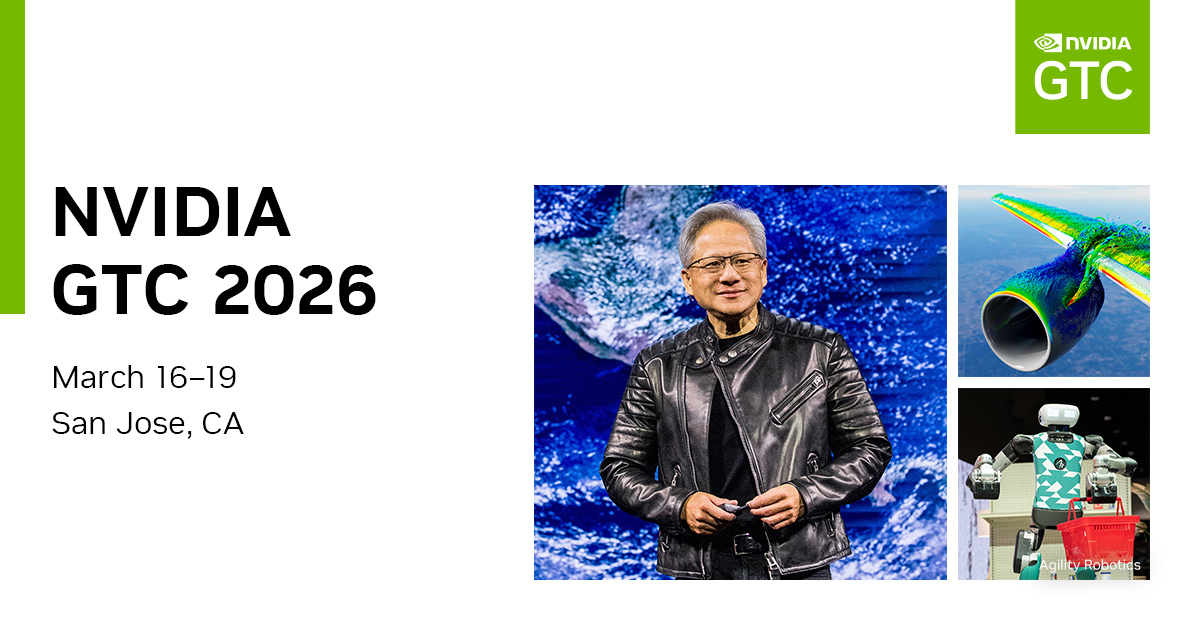
Historically, NVIDIA GTC takes place annually in the spring, typically during the month of March. For 2024, the conference was held from March 18 to 21 at the San Jose Convention Center, marking a triumphant return to a physical, in-person format complemented by a robust virtual presence. Looking forward to 2025 and beyond, tech enthusiasts and enterprise leaders should anticipate a similar mid-to-late March timeframe. While the exact dates for 2025 are finalized closer to the event, the “GTC Season” has become a fixed point of reference for the industry to benchmark progress in Large Language Models (LLMs), generative AI, and the transition from general-purpose to accelerated computing.
The Architecture of Innovation: From Hopper to Blackwell
The timing of GTC is often synchronized with the release cycles of NVIDIA’s cutting-edge hardware architectures. At the most recent event, the centerpiece was the unveiling of the Blackwell platform. This transition marks a pivotal shift in how data centers are constructed and how AI workloads are processed.
The Power of Blackwell
Named after mathematician David Blackwell, the new architecture succeeds the highly successful Hopper H100 series. Blackwell is designed to support the training of multi-trillion parameter models, which are essential for the next generation of generative AI. The B200 GPU features 208 billion transistors and utilizes a custom-built 4NP TSMC process. This hardware leap is not merely about raw speed; it is about efficiency. Blackwell introduces a second-generation Transformer Engine that supports new 4-bit floating point (FP4) AI inference capabilities, effectively doubling the compute capacity and model size over its predecessors without a proportional increase in energy consumption.
Scaling Through NVLink and InfiniBand
Hardware at GTC is rarely discussed in isolation. The conference serves as a showcase for the interconnectivity that makes massive-scale AI possible. The fifth-generation NVLink enables high-speed communication between up to 576 GPUs, providing the 1.8TB/s bidirectional throughput necessary for modern clusters. For the tech-driven enterprise, the “when” of GTC is critical because it dictates the procurement cycles for the next two years of infrastructure investment, moving from InfiniBand to Spectrum-X Ethernet platforms.
Software Ecosystems: The Rise of NVIDIA NIM
While hardware provides the muscle, software provides the intelligence. GTC serves as the primary launchpad for updates to the CUDA (Compute Unified Device Architecture) ecosystem, which now supports millions of developers worldwide. A major highlight of recent sessions is the introduction of NVIDIA NIM—NVIDIA Inference Microservices.
Simplifying AI Deployment with NIM
One of the greatest challenges in the current tech landscape is taking a model from research to production. NIM is a set of easy-to-use microservices designed to accelerate the deployment of generative AI across the cloud, data center, and workstations. These services wrap industry-standard engines—like TRT-LLM (TensorRT for Large Language Models)—into containers that can be deployed with a few lines of code. By providing pre-optimized models for vision, speech, and drug discovery, NVIDIA is effectively lowering the barrier to entry for developers who are not AI specialists but need to integrate sophisticated intelligence into their apps.
CUDA and the Foundation of Accelerated Computing
The “Tech” category is fundamentally defined by the software stack that enables hardware to perform. At GTC, deep dives into CUDA-X libraries reveal how optimizations in linear algebra, signal processing, and graph analytics continue to drive performance gains. For software engineers, the conference is a masterclass in how to squeeze every ounce of performance out of silicon, ensuring that the software remains the most resilient part of the tech stack as hardware generations cycle.
Robotics and the Industrial Metaverse: Project GR00T and Omniverse
Beyond the data center, GTC is the premier venue for advancements in “Physical AI”—the intersection of artificial intelligence and the physical world. This is where the conference transitions from abstract software to tangible gadgets and autonomous machines.
Project GR00T and Humanoid Foundation Models
At the recent GTC, NVIDIA introduced Project GR00T, a general-purpose foundation model for humanoid robots. This initiative aims to enable robots to understand natural language and emulate movements by observing human actions. The tech community views this as the “ChatGPT moment” for robotics. By using the Isaac robotic platform, developers can train these models in simulation before deploying them to physical hardware, significantly reducing the risk and cost of development.
The Evolution of NVIDIA Omniverse
Central to the concept of the Industrial Metaverse is NVIDIA Omniverse, a platform for building and operating real-time 3D pipelines. Based on Universal Scene Description (OpenUSD), Omniverse allows engineers to create “Digital Twins” of entire factories or cities. At GTC, the integration of Omniverse with the Apple Vision Pro demonstrated how spatial computing and high-fidelity simulation are merging. This allows developers to interact with complex 3D data in an immersive environment, powered by cloud-based RTX GPUs, ensuring that the “rendering” of reality is indistinguishable from the real thing.
Enterprise Security and the Edge Computing Frontier
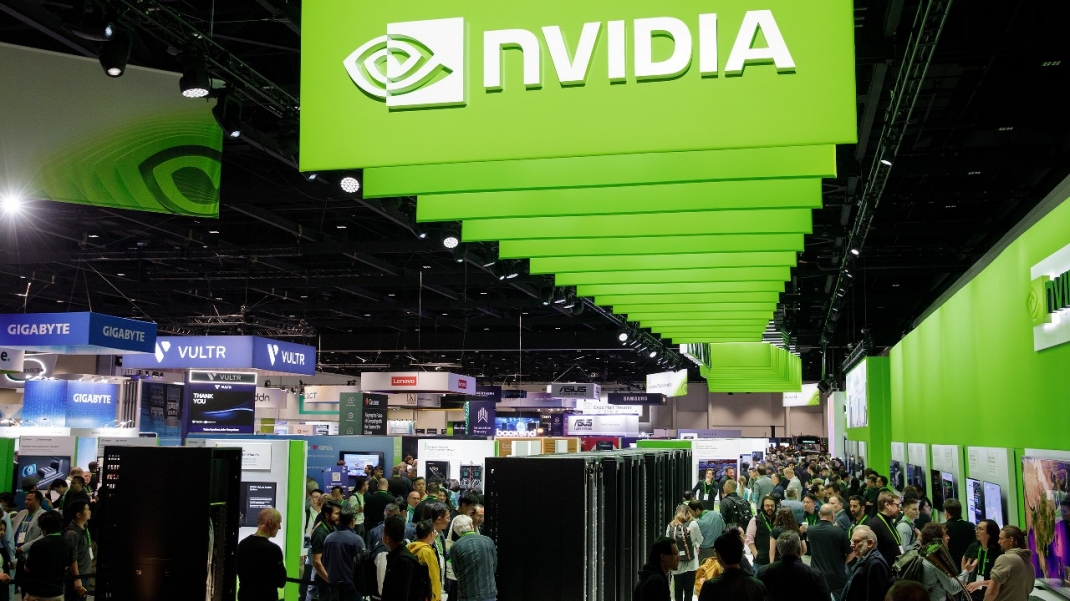
In the modern tech landscape, security is not an afterthought; it is integrated into the silicon. GTC dedicated significant floor space and session time to the security of AI models and the infrastructure they reside on.
Securing the AI Pipeline
As enterprises move their proprietary data into AI models, the risk of data leakage or adversarial attacks increases. GTC sessions highlight the importance of BlueField-3 DPUs (Data Processing Units), which offload, accelerate, and isolate data center infrastructure tasks. By moving security protocols to the DPU, organizations can create a “Zero Trust” environment where the AI traffic is encrypted and monitored without taxing the primary CPU or GPU.
AI at the Edge
“When is NVIDIA GTC?” is also a vital question for those working in edge computing—autonomous vehicles, smart retail, and healthcare devices. The Jetson Orin and Thor platforms are frequently updated during the conference, providing the compute power needed for real-time sensor fusion at the edge. The transition to the DRIVE Thor platform, for example, represents a massive leap in centralized car computing, integrating functional safety and security directly into the SoC (System on a Chip) to handle everything from the digital cockpit to self-driving capabilities.
The Global Impact of GTC on the Tech Landscape
The significance of the NVIDIA GTC timeline extends far beyond the four days of the event. It sets the pace for the entire technology industry, influencing the roadmaps of cloud service providers (CSPs) like AWS, Azure, and Google Cloud, all of whom typically announce new instance types based on the hardware revealed at GTC.
A Hub for Developer Education
For the individual developer or tech lead, GTC is an educational powerhouse. With hundreds of sessions ranging from “Introduction to Generative AI” to “Optimizing CUDA Kernels for Blackwell,” the conference serves as a primary source for professional development. The hands-on labs provided by the NVIDIA Deep Learning Institute (DLI) offer certifications that have become industry standards for those looking to pivot into AI-centric roles.

Shaping the Future of Digital Security and Sovereign AI
A recurring theme in recent conferences is the concept of “Sovereign AI.” This refers to the ability of nations and individual organizations to build and maintain their own AI infrastructure using their own data and cultural nuances. NVIDIA’s role in providing the “AI Foundry”—the combination of hardware, software, and expertise—allows these entities to maintain data sovereignty while benefiting from global technological advancements. This focus on localized, secure AI is a direct response to the global need for digital security and data privacy.
As the industry looks toward the next GTC, the focus remains on the democratization of AI. Whether it is through more efficient hardware like Blackwell, simplified deployment tools like NIM, or immersive simulation platforms like Omniverse, the goal is to make accelerated computing accessible to every industry. Staying informed on the GTC schedule is not just about tracking a corporate event; it is about keeping a pulse on the very engine that is driving the next industrial revolution. When the next keynote begins, the world will be watching to see how the next layer of the global tech stack will be built.
aViewFromTheCave is a participant in the Amazon Services LLC Associates Program, an affiliate advertising program designed to provide a means for sites to earn advertising fees by advertising and linking to Amazon.com. Amazon, the Amazon logo, AmazonSupply, and the AmazonSupply logo are trademarks of Amazon.com, Inc. or its affiliates. As an Amazon Associate we earn affiliate commissions from qualifying purchases.