
In the modern financial landscape, few events carry as much weight as the quarterly earnings release of Nvidia Corporation. For investors, analysts, and institutional fund managers, the question of “when is Nvidia earning” is not merely a matter of checking a calendar; it is a pivotal moment that can redefine market sentiment, shift billions of dollars in market capitalization, and signal the health of the broader technology-driven economy. As Nvidia has ascended to become one of the most valuable companies in the world, its financial reporting dates have become the “Super Bowl” of the investing world.
Understanding the timing, the metrics, and the strategic implications of these earnings calls is essential for any investor looking to navigate the volatility of the semiconductor and AI sectors. This guide provides a comprehensive look at how to track Nvidia’s earnings, what financial indicators matter most, and how to position a portfolio around these high-stakes announcements.
The Mechanics of Nvidia’s Fiscal Calendar
To answer the question of when Nvidia reports its earnings, one must first understand that the company operates on a fiscal year that does not align with the standard calendar year. Nvidia’s fiscal year typically ends on the last Sunday of January. This means their “Fiscal Year 2025,” for example, actually covers the majority of the 2024 calendar year.
Identifying Quarterly Reporting Windows
Nvidia generally releases its quarterly financial results approximately three to four weeks after the close of each fiscal quarter. While the exact date is usually officially announced by the company’s Investor Relations department two weeks in advance, investors can anticipate the timing based on historical patterns:
-
First Quarter (Q1): Typically reported in late May.
-
Second Quarter (Q2): Typically reported in late August.
-
Third Quarter (Q3): Typically reported in late November.
-
Fourth Quarter (Q4) and Full Year: Typically reported in late February.
The announcements are almost always made after the closing bell of the Nasdaq Stock Market, usually around 4:20 PM Eastern Time, followed by a live conference call and Q&A session with executive leadership at 5:00 PM Eastern Time.
Where to Find Real-Time Updates
For the most accurate and up-to-date information, investors should rely on three primary sources. First, the Nvidia Investor Relations website is the definitive source for press releases and webcast links. Second, major financial news terminals provide instant alerts the moment a date is finalized. Third, brokerage platforms often integrate earnings calendars directly into their trading interfaces, allowing users to set alerts for specific tickers like NVDA.
Key Financial Metrics to Monitor During the Call
Knowing the date is only the first step. To derive value from an earnings report, an investor must know which line items will move the needle. In recent years, Nvidia’s reports have transcended simple profit-and-loss statements, becoming a barometer for global AI infrastructure spending.
Revenue Growth and Segment Performance
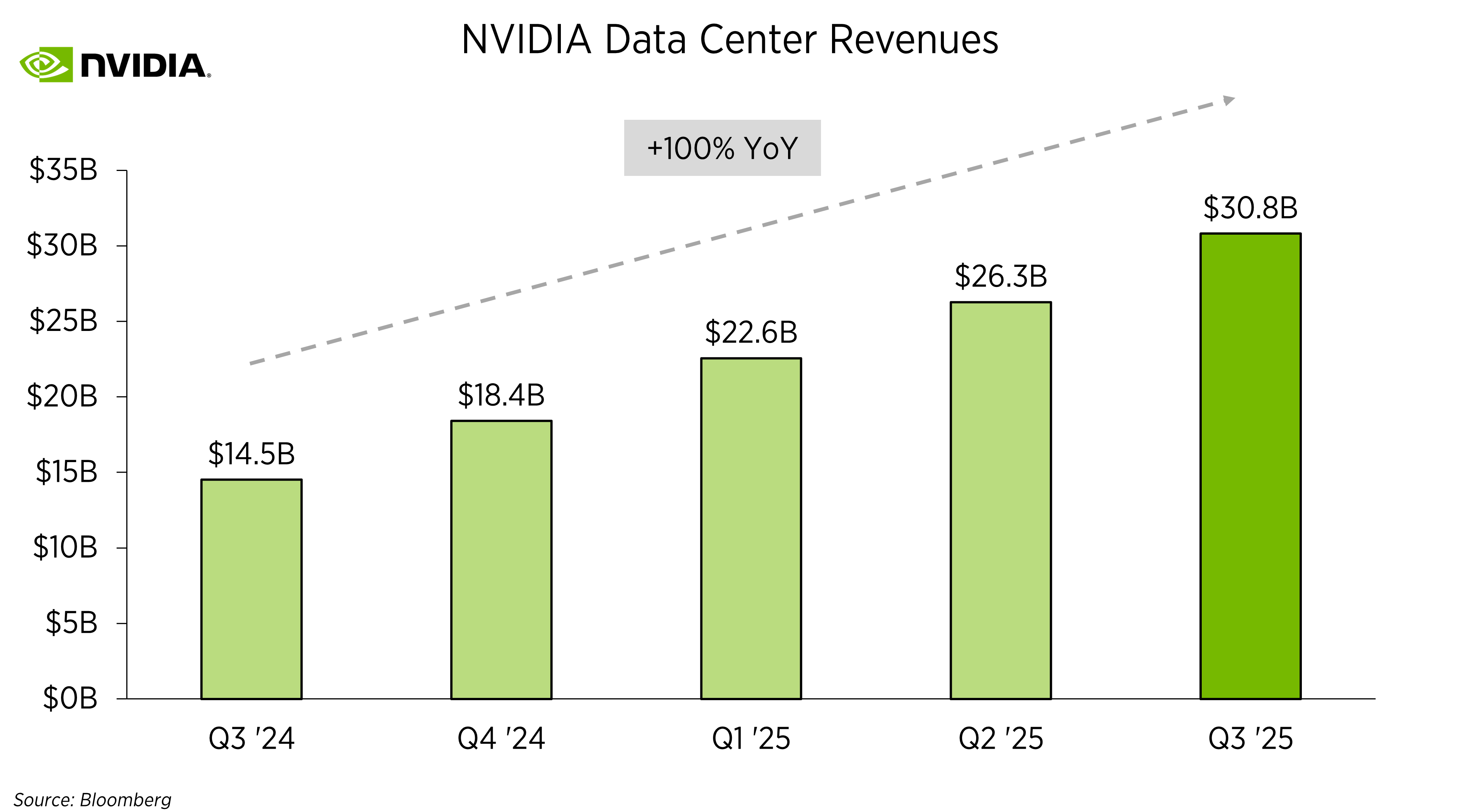
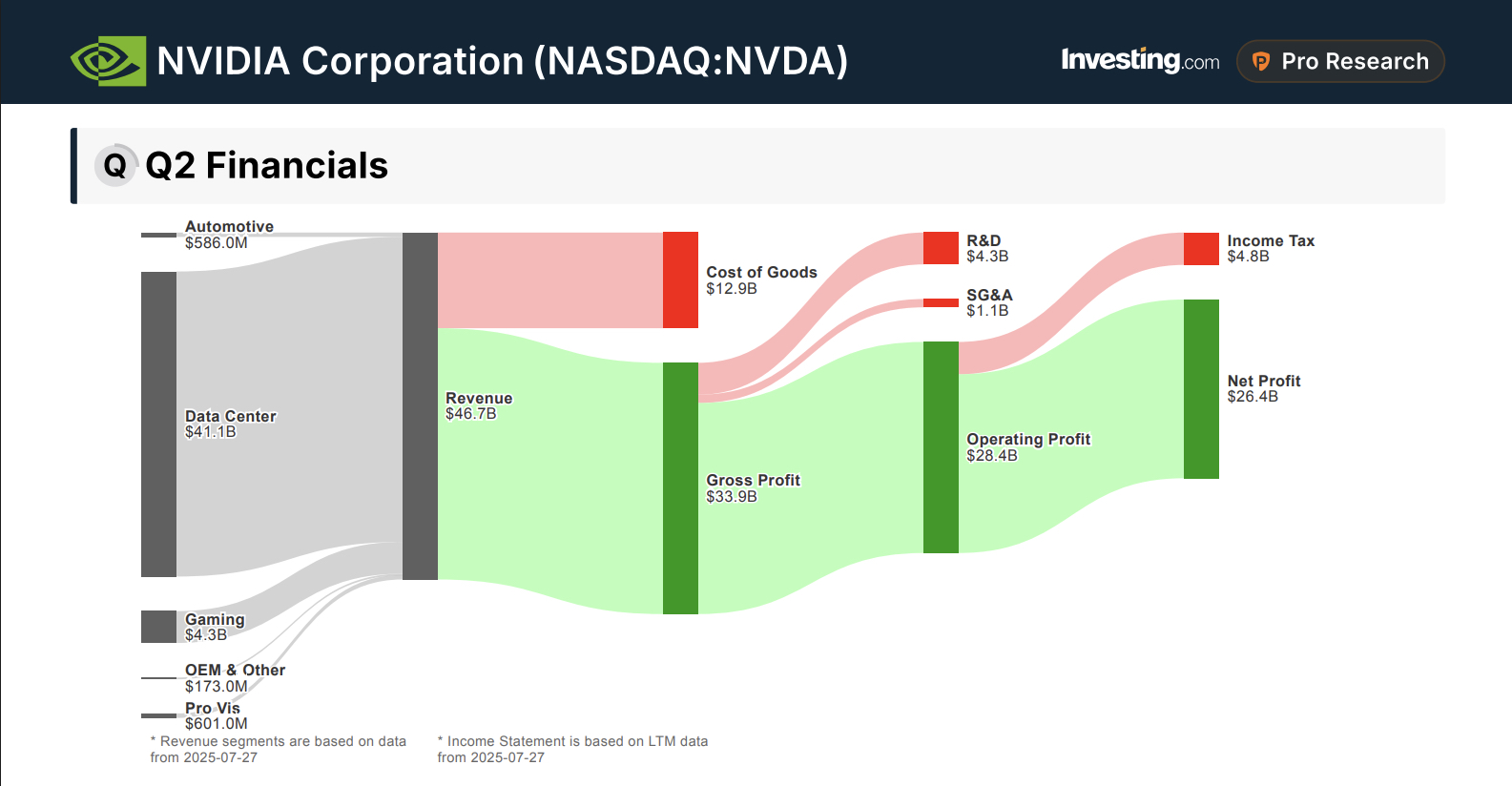
The headline figure is always total revenue, but the devil is in the details of the segment breakdown. Investors primarily focus on the Data Center segment. This division includes sales of the H100 and Blackwell GPU architectures, which power the large language models (LLMs) used by companies like Microsoft, Google, and Meta.
In a healthy report, the Data Center revenue should not only meet analyst estimates but also show sequential growth (growth compared to the previous quarter), indicating that the demand for AI hardware is not yet plateauing. Other segments, such as Gaming, Professional Visualization, and Automotive, provide secondary insights into consumer spending and industrial automation trends.
Gross Margins and Operational Efficiency
For a hardware-centric company, gross margin is a critical indicator of pricing power and manufacturing efficiency. Nvidia has historically maintained exceptionally high gross margins for the semiconductor industry, often exceeding 70%. If margins contract, it may signal rising manufacturing costs from partners like TSMC or increased competition requiring price concessions. Conversely, expanding margins suggest that Nvidia continues to hold a near-monopoly on high-end AI compute, allowing it to command premium pricing.
Forward Guidance: The “Whisper Number”
Often more important than the actual results of the previous quarter is the “guidance”—the company’s internal forecast for the upcoming quarter. Stock prices are forward-looking instruments. If Nvidia reports record-breaking earnings but provides a conservative or “weak” outlook for the next three months, the stock may sell off despite the past success.
The “whisper number” is an unofficial expectation held by traders that is often higher than the official analyst consensus. To see a positive price reaction post-earnings, Nvidia frequently needs to “beat and raise”—exceeding the previous quarter’s expectations and raising the forecast for the future.
Preparing Your Portfolio for Earnings Volatility
The days surrounding an Nvidia earnings announcement are characterized by high “implied volatility.” This is a statistical measure of how much the market expects the stock price to swing in either direction. For the retail investor, this volatility presents both significant risk and potential opportunity.
The Impact of Implied Volatility (IV)
In the options market, the cost of protection (puts) and the cost of speculation (calls) typically rise as the earnings date approaches. This phenomenon, known as “IV Crush,” occurs immediately after the news is released. Once the uncertainty of the earnings report is removed, the volatility drops, and the extrinsic value of options contracts can evaporate quickly. Investors using options to play Nvidia earnings must be aware that even if they predict the direction of the move correctly, they can still lose money if the move isn’t large enough to offset the drop in IV.
Long-Term Positioning vs. Short-Term Speculation
For long-term investors, the “when” of Nvidia earnings is less about timing a trade and more about verifying the long-term investment thesis. A disciplined approach involves:
-
Dollar-Cost Averaging: Avoiding the temptation to “all-in” right before an earnings report, instead building a position over time to average out the cost basis during volatile periods.
-
Risk Management: Ensuring that a single stock, even one as high-performing as Nvidia, does not represent an oversized percentage of the total portfolio.
-
Post-Earnings Analysis: Waiting for the “dust to settle” (usually 48 to 72 hours after the report) before making significant adjustments. This allows the market to fully digest the nuances of the conference call.
Nvidia as a Global Market Bellwether
The significance of Nvidia’s earnings extends far beyond its own ticker symbol. Because of its massive market capitalization and its role as a primary supplier to the tech industry, its financial health dictates the movement of several broader market instruments.
Influence on the S&P 500 and Nasdaq-100
Nvidia is a top constituent in the S&P 500 and the Nasdaq-100. Consequently, when Nvidia reports, it often moves the entire index. A “miss” by Nvidia can drag down the broader market, while a “beat” can spark a rally across the entire tech sector. Investors who hold broad-market ETFs like SPY or QQQ are effectively “trading” Nvidia earnings, whether they realize it or not.
The Halo Effect on the Semiconductor Sector
Nvidia’s earnings serve as a leading indicator for the entire semiconductor supply chain. Strong results often lead to sympathetic rallies in companies like AMD (its primary competitor), Broadcom (custom AI chips), and ASML (the lithography machines used to make the chips). Conversely, if Nvidia mentions a slowdown in China or supply chain bottlenecks, it can send shockwaves through the global chip sector, affecting everything from memory manufacturers to assembly and test providers.
Tools and Resources for the Financial Analyst
To stay ahead of the curve, savvy investors utilize a suite of tools to analyze the data released during Nvidia’s earnings cycle.
Earnings Calendars and Financial Visualization
Websites like Earnings Whispers, Seeking Alpha, and Bloomberg provide detailed breakdowns of analyst expectations versus actual results. Visualization tools that graph revenue growth over several years can help an investor identify if Nvidia’s growth is accelerating, steady, or beginning to decelerate.
Listening to the Conference Call
While the press release provides the numbers, the conference call provides the context. Listening to CEO Jensen Huang and CFO Colette Kress answer questions from institutional analysts can reveal subtle details about product roadmaps, customer concentration, and geographic demand. Pay close attention to the “Q&A” portion, as this is where executives are often forced to move beyond scripted remarks and address potential risks or competitive threats.

SEC Filings: The 10-Q
Within a few days of the earnings announcement, Nvidia files a Form 10-Q with the Securities and Exchange Commission. This document is a goldmine for the fundamental investor. It contains detailed disclosures about legal risks, inventory levels, and debt obligations that are often glossed over in the initial press release. For those practicing deep-dive business finance, the 10-Q is the ultimate source of truth.
In conclusion, knowing “when is Nvidia earning” is the starting point for a complex and rewarding exercise in financial analysis. By understanding the fiscal calendar, focusing on the right metrics, and managing the inherent volatility, investors can turn these high-profile events into opportunities for informed decision-making and long-term wealth building. Whether Nvidia continues its meteoric rise or enters a period of consolidation, its earnings reports will remain the most critical dates on the modern investor’s calendar.
aViewFromTheCave is a participant in the Amazon Services LLC Associates Program, an affiliate advertising program designed to provide a means for sites to earn advertising fees by advertising and linking to Amazon.com. Amazon, the Amazon logo, AmazonSupply, and the AmazonSupply logo are trademarks of Amazon.com, Inc. or its affiliates. As an Amazon Associate we earn affiliate commissions from qualifying purchases.