
The cruise industry in Charleston, South Carolina, represents a unique intersection of historic preservation, local economic development, and high-value consumer spending. For years, the Port of Charleston has served as a boutique hub for maritime travel, offering a localized departure point for millions of travelers. However, the landscape of “what cruises leave from Charleston” is currently undergoing a significant transition that carries profound implications for personal finance, local business revenue, and the broader hospitality market in the Southeast. Understanding the financial mechanics of these departures is essential for both the budget-conscious traveler and the investor looking at the city’s economic trajectory.

The Economic Landscape of Charleston’s Cruise Port
The Port of Charleston, managed by the South Carolina Ports Authority (SCPA), has historically been a significant driver of regional wealth. Unlike the massive hubs in Miami or Fort Lauderdale, Charleston offers a “homeport” experience that prioritizes accessibility for the drive-to market. From a financial perspective, this reduces the “total cost of trip” for travelers located in the Carolinas, Georgia, and Tennessee, as they bypass the inflationary costs of airfare and long-distance logistics.
The Economic Contribution to South Carolina
The cruise industry in Charleston is not merely a leisure sector; it is a multimillion-dollar economic engine. Studies have indicated that the cruise industry supports thousands of jobs in the Charleston metropolitan area, ranging from port operations and logistics to retail and food service. When a ship docks at the Union Pier Terminal, it triggers a chain reaction of financial transactions. Provisioning a ship requires massive contracts with local food and beverage wholesalers, while the maintenance and refueling of vessels contribute to the industrial maritime economy.
For the local government, the cruise industry provides a steady stream of tax revenue. Passenger head taxes and sales taxes from pre-and post-cruise hotel stays contribute to the city’s ability to fund infrastructure projects without placing the entire burden on local property owners. This symbiotic relationship between the maritime industry and municipal finance is a cornerstone of Charleston’s fiscal health.
Passenger Spending Patterns and Local Revenue
The financial impact of a cruise departure begins long before the ship leaves the harbor. Data suggests that cruise passengers are high-value tourists. Many opt for “stay-and-play” packages, spending at least one night in a Charleston hotel before embarkation. With Charleston’s average daily rate (ADR) for hotel rooms being among the highest in the South, this represents a significant influx of capital into the local hospitality sector.
Furthermore, the “walkability” of the Union Pier area encourages passengers to spend money in the historic district’s boutiques and restaurants. For the small business owner in downtown Charleston, the schedule of cruise departures is a primary indicator of projected daily revenue. The influx of 2,000 to 3,000 passengers on a turnaround day provides a predictable spike in liquidity for the local retail ecosystem.
Navigating the Cost of Cruises from Charleston
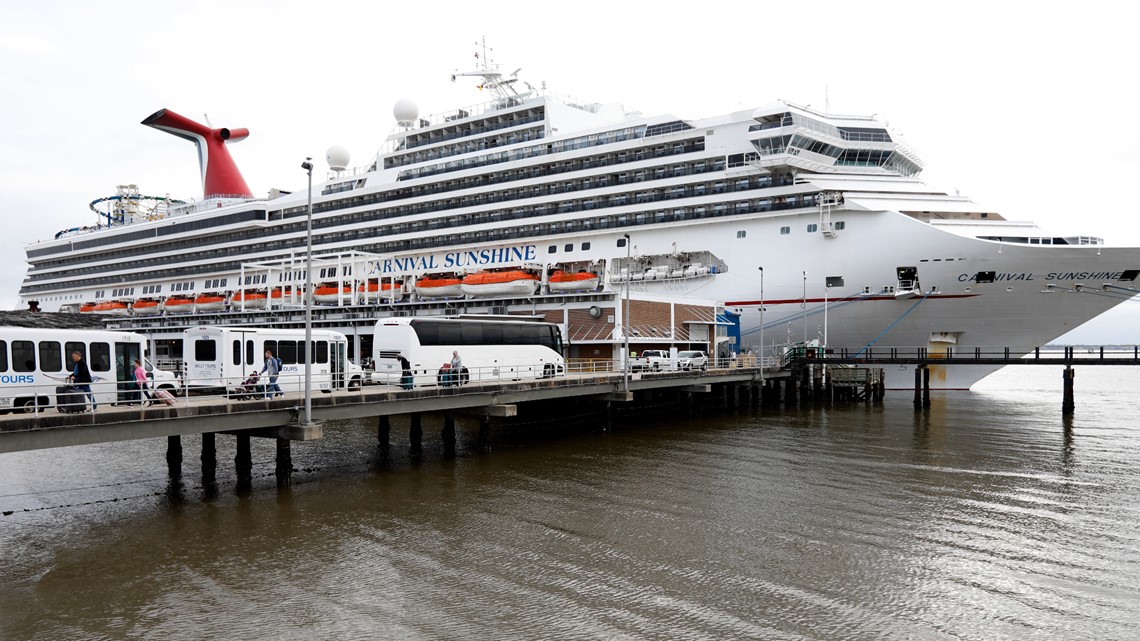
When analyzing which cruises leave from Charleston, the primary operator to consider is Carnival Cruise Line. For years, the Carnival Sunshine has been the mainstay of the port. From a personal finance perspective, Carnival occupies the “value” segment of the market, making it an attractive option for families and first-time cruisers looking for a high return on investment (ROI) for their vacation dollars.
Carnival Cruise Line: Budget-Friendly Entry Points
The Carnival Sunshine typically offers four-to-seven-day itineraries to the Bahamas and the Eastern Caribbean. From a budgetary standpoint, these cruises are often priced lower than those departing from Florida ports when factoring in the cost of travel to the port.
A strategic traveler analyzes these cruises through the lens of “Cost Per Day.” A five-day cruise out of Charleston might carry a base fare of $500, but when you include the port fees, taxes, and the absence of a $400 flight to Miami, the “all-in” cost becomes significantly more competitive. This makes Charleston a premier location for “drive-to” cruising, a segment of the travel industry that has seen increased demand as airfare prices fluctuate due to fuel surcharges and pilot shortages.
Calculating the Total Cost of Ownership (TCO) for a Cruise Vacation
To accurately assess the financial commitment of a cruise from Charleston, one must look beyond the sticker price. A comprehensive financial plan for a cruise includes:
-
Port Parking: Charleston’s port parking is a fixed cost that must be factored into the travel budget. It is often more expensive than off-site airport parking but offers the convenience of proximity.
-
Gratuities and Service Charges: These are often “hidden” costs that can add $15 to $20 per person, per day to the final bill.
-
Onboard Credit (OBC) Strategies: Savory investors in travel often utilize credit card rewards or book during “free OBC” promotions to offset the cost of excursions and specialty dining.
-
Travel Insurance: Given the seasonal hurricane risks in the Atlantic, the ROI on a travel insurance policy is high, protecting the traveler from a total loss of their investment.

Investing in the Future of Charleston’s Waterfront
The most critical financial news regarding cruises from Charleston is the impending shift in port operations. The South Carolina Ports Authority has announced that it will not renew its contract with Carnival Cruise Line past 2024 in its current format. This decision is a strategic move to prioritize the redevelopment of Union Pier—a project that represents one of the most significant real estate investment opportunities in the city’s history.
The Union Pier Redevelopment and Real Estate Implications
The transition away from being a year-round homeport is a calculated financial pivot. By redeveloping the 70-acre Union Pier site, the city aims to create a mixed-use district that could generate billions in long-term property tax revenue and private investment. For real estate investors, this shift signals a move toward higher-density, luxury residential and commercial spaces.
While the loss of year-round cruising may see a temporary dip in certain retail sectors, the long-term appreciation of waterfront property is expected to far outweigh the annual revenue generated by the current cruise terminal. This is a classic example of “opportunity cost” in municipal finance: the city is sacrificing the steady, lower-margin income of mass-market cruising for the high-margin potential of premium urban development.
Supply Chain and Logistics: The Business of Provisioning
Even as the frequency of cruises may change, the business of maritime logistics remains a vital part of the Charleston economy. Port-bound vessels require a sophisticated supply chain. This includes “bunkering” (refueling), which involves multi-million dollar contracts, and the procurement of thousands of pounds of fresh produce and dry goods. Companies that specialize in maritime logistics and “last-mile” delivery to the port represent a niche but profitable sector of the local business economy. Investors looking at the “Money” side of Charleston should focus on these industrial service providers who maintain the infrastructure necessary for any ship—cruise or cargo—to dock and operate.
Maximizing ROI: Smart Planning for the Charleston Traveler
For the individual looking to get the most “bang for their buck” before the current cruise model shifts, timing is everything. The financial principle of “supply and demand” is vividly apparent in cruise pricing.
Off-Peak Booking Strategies for Higher Value
The highest ROI on a Charleston cruise is typically found during the “shoulder seasons”—specifically late August through early November (excluding holiday weeks) and January through early February. During these windows, the Carnival Sunshine and other visiting vessels often drop prices to ensure occupancy. For the remote worker or the retiree, booking during these windows allows for a luxury experience at a fraction of the mid-summer cost.
Hidden Costs and How to Mitigate Them
A savvy financial approach to cruising involves mitigating the “leakage” of capital on unnecessary expenses.
-
Drink Packages vs. A La Carte: Unless a traveler consumes more than six to eight alcoholic beverages a day, the “Cheers!” package is rarely a net-positive investment.
-
Third-Party Excursions: Booking shore excursions through independent, reputable local vendors in the Bahamas or Grand Turk often yields a 20-30% savings over the cruise line’s “official” offerings.
-
Digital Connectivity: Satellite internet on ships is notoriously expensive. For the business-minded traveler, utilizing port-side Wi-Fi or international roaming plans is often a more cost-effective way to remain productive while at sea.
The Cruise Industry as a Macroeconomic Indicator
The health of the cruise industry leaving Charleston serves as a barometer for the broader economy. High booking volumes and rising cabin prices indicate strong consumer confidence and discretionary spending power. Conversely, when cruise lines offer deep discounts and “kids sail free” promotions, it often signals a tightening of the consumer belt.
Market Trends and Portfolio Diversification
For those who invest in the equities of major cruise lines (such as Carnival Corp, Royal Caribbean, or Norwegian), Charleston represents a specific “niche port” strategy. These ports are vital because they tap into a demographic that is resistant to high airfare costs. From a portfolio perspective, the cruise industry has shown remarkable resilience and a capacity for rapid debt deleveraging post-pandemic.
As Charleston pivots its waterfront strategy, the “Money” story of the city’s cruises will shift from high-volume tourism to high-value urban utility. Whether you are a traveler looking to maximize your vacation budget or an observer of urban economic trends, the cruises leaving from Charleston offer a fascinating case study in how a city manages its most valuable asset: its connection to the sea. The transition of Union Pier is not just a change in where ships dock; it is a multi-billion dollar reallocation of capital that will define Charleston’s financial identity for the next century.
aViewFromTheCave is a participant in the Amazon Services LLC Associates Program, an affiliate advertising program designed to provide a means for sites to earn advertising fees by advertising and linking to Amazon.com. Amazon, the Amazon logo, AmazonSupply, and the AmazonSupply logo are trademarks of Amazon.com, Inc. or its affiliates. As an Amazon Associate we earn affiliate commissions from qualifying purchases.