
In the landscape of high-end travel, the term “all-inclusive” is often used loosely, but for the discerning traveler and the financially conscious investor in personal experiences, the nuances of this term carry significant weight. When evaluating the cost-to-value ratio of a luxury cruise, the initial sticker price is rarely the final story. To understand which cruise lines are truly all-inclusive, one must look past the marketing brochures and dissect the underlying financial structure of the voyage. In a world where “nickel and diming” has become a standard revenue model for many service industries, certain cruise lines have doubled down on a comprehensive pricing strategy that prioritizes transparency and budget predictability.

The financial appeal of an all-inclusive cruise lies in the mitigation of “variable cost creep.” On a standard contemporary cruise, the base fare covers little more than a cabin and basic sustenance. By the time a passenger adds gratuities, specialty dining, Wi-Fi, premium beverages, and shore excursions, the total investment can easily double. For those who manage their personal finances with precision, the all-inclusive model offers a fixed-cost environment that allows for better capital allocation and a more relaxed psychological experience.
The Ultra-Luxury Tier: Defining Absolute Inclusion
When we talk about cruise lines that are genuinely all-inclusive, we are primarily looking at the ultra-luxury sector. These companies operate on a business model where the fare paid at the time of booking covers nearly every conceivable expense on board. This is not just about convenience; it is a brand strategy designed to attract high-net-worth individuals who value time and simplicity over transactional interactions.
Regent Seven Seas Cruises: The Gold Standard of Transparency
Regent Seven Seas is frequently cited by financial advisors and luxury consultants as the most inclusive line in the industry. Their “Unrivaled Space at Sea” branding is backed by a financial model that includes round-trip business-class airfare on intercontinental flights, unlimited shore excursions, premium spirits, fine wines, gratuities, and even valet laundry service.
From a personal finance perspective, the Regent model eliminates the “settlement shock” at the end of a voyage. While the entry price is high, often exceeding $1,000 per person per day, the inclusive nature of the shore excursions is where the real value is realized. In destinations like the Mediterranean or the Baltics, where private tours can cost hundreds of dollars per port, the “free” excursions provided by Regent can represent a significant recovery of the initial investment.
Silversea and Seabourn: Refining the Value Proposition
Silversea and Seabourn represent the pinnacle of European-style luxury, but they approach inclusion with a slightly different financial lens. Silversea recently moved toward a more comprehensive “door-to-door” fare, which includes private executive transfers from home to the airport, flights, and all-inclusive amenities on board.
Seabourn, owned by Carnival Corporation, maintains a high level of inclusion—including an open bar policy and tipped-in gratuities—but often leaves shore excursions as an optional add-on. For the traveler who prefers to explore independently or who has visited certain ports multiple times, this can be a more efficient use of capital. It allows the traveler to pay for the high-end hardware and service of the ship without subsidizing activities they may not use.
The Emerging Hybrid: Mainstream Lines and Premium Bundling
As the travel market evolves, many mainstream and premium cruise lines have recognized that consumers are frustrated by the constant upselling found on traditional mass-market ships. This has led to the rise of “bundled” pricing, which mimics the all-inclusive experience without moving the entire brand into the ultra-luxury price bracket.
Virgin Voyages: Disrupting the Pricing Model
Virgin Voyages entered the market with a clear mission to simplify the financial aspects of cruising. Unlike its competitors in the mid-tier market, Virgin includes “Essential Socials” (Wi-Fi), all group fitness classes, and gratuities in the base fare. Perhaps most importantly, they have eliminated the concept of “specialty dining” surcharges. Every restaurant on the ship is included in the fare.
For the modern professional looking for a high ROI on their vacation time, this transparency is a major selling point. While they do not include alcohol in the base fare—preferring a “Bar Tab” system—the inclusion of basic items that other lines charge for creates a much cleaner financial transaction.
Celebrity Cruises and the “All Included” Evolution
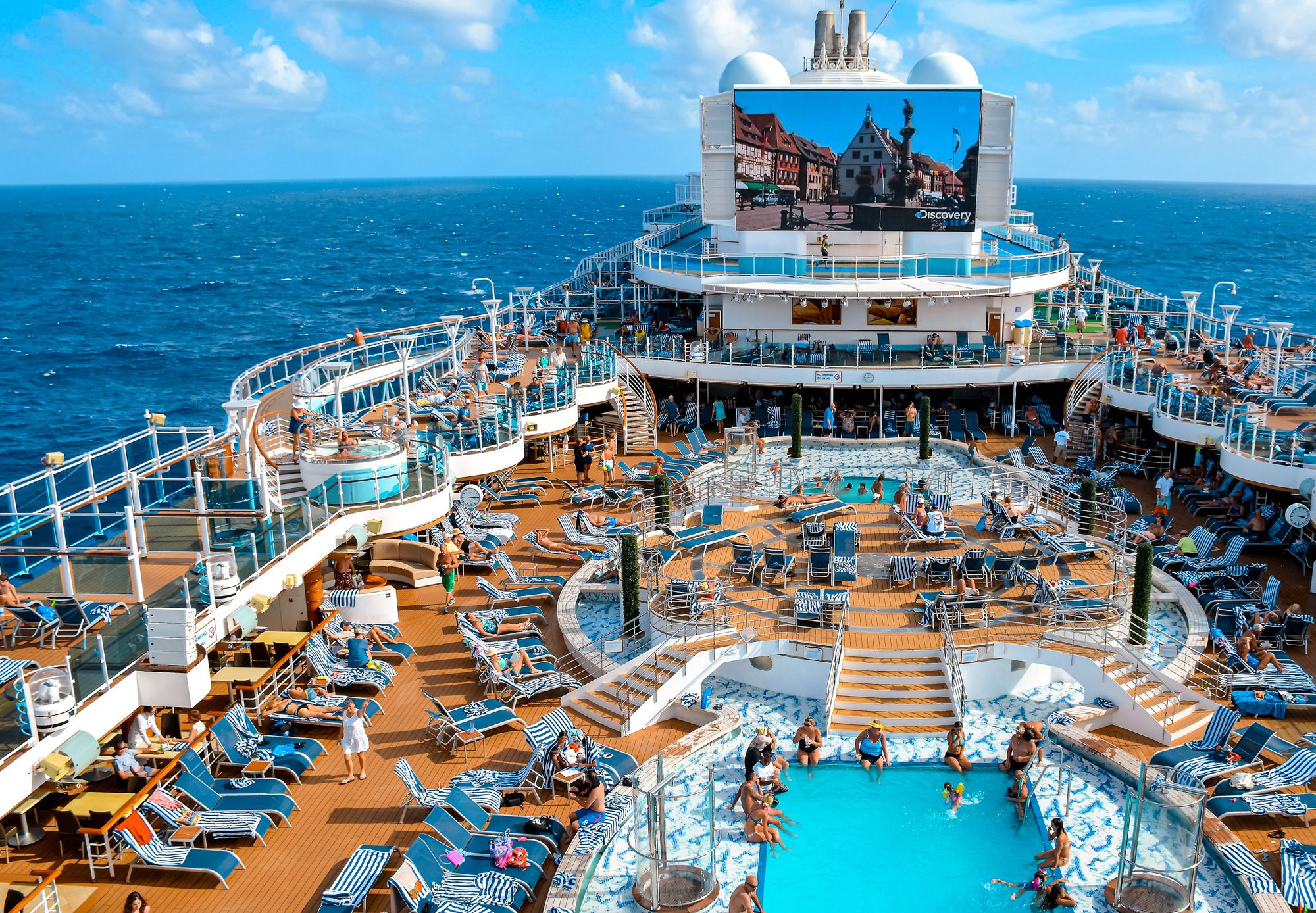
Celebrity Cruises, positioned in the premium segment, has fluctuated with its pricing models, but its “All Included” approach (often covering basic Wi-Fi and a classic drink package) reflects a move toward the inclusive mindset. However, it is important to note that Celebrity often maintains a multi-tiered pricing structure. This allows the consumer to choose their level of inclusion based on their personal budget. For the financially savvy traveler, calculating the “break-even” point on these packages is essential. If you do not consume enough premium beverages or require high-speed satellite internet, the base fare may actually provide better fiscal utility.
The Mathematics of Inclusions: A Cost-Benefit Analysis
To truly understand if an all-inclusive cruise is “worth it” from a financial standpoint, one must conduct a per-diem comparison. This involves taking the total projected cost of a standard cruise and comparing it against the flat rate of an all-inclusive line.
Evaluating the Daily Burn Rate
On a mainstream line, a “cheap” $150 per day fare can quickly escalate. Consider the following daily additions:
-
Gratuities: $16–$20
-
Drink Package: $60–$100
-
Wi-Fi: $20–$30
-
Specialty Dining: $40–$60
-
Shore Excursion (Averaged): $100
Suddenly, the $150 fare has become a $400 per day expense. When you compare this to an all-inclusive boutique line that may charge $600 per day, the gap narrows significantly. Furthermore, the all-inclusive line typically offers a much higher ratio of staff-to-guests and more square footage per passenger. In the world of luxury investments, you are not just paying for the food and drink; you are paying for the lack of crowds and the quality of service, which are intangible assets that contribute to the overall success of the “investment” in your time.
The Opportunity Cost of Time
For many high-earning individuals, the greatest cost of a vacation is the opportunity cost of their time. An all-inclusive cruise line acts as a “turn-key” solution. There is no need to research the best restaurants on board, negotiate prices for local tours, or manage a complex daily budget. The financial value of this “mental offloading” is difficult to quantify but remains a cornerstone of the all-inclusive brand strategy. By removing the friction of transactional decision-making, these lines allow the traveler to focus entirely on rest and professional recalibration.
Strategic Booking: Maximizing Financial Efficiency
Navigating the world of all-inclusive cruising also requires a strategic approach to booking. Because these lines operate with lower inventory (smaller ships) and higher demand, the financial rules are different than those of the mass market.
The Role of Travel Fiduciary and Onboard Credit
Working with a travel advisor who specializes in luxury cruising is often a better financial move than booking direct. These professionals often have access to “consortium rates” or “amenity departures” that include additional onboard credit or private car transfers. In the context of an all-inclusive line, “onboard credit” acts as a form of “found money” that can be applied to ultra-premium experiences, such as spa treatments or vintage wine tastings, which are rarely included in even the most comprehensive fares.
Booking Windows and Value Retention
While mass-market lines often drop prices at the last minute to fill cabins, ultra-luxury, all-inclusive lines tend to reward early bookers. Lines like Explora Journeys or the Ritz-Carlton Yacht Collection often use “dynamic pricing” where the earliest tiers offer the highest value. From an investment perspective, booking early not only secures the preferred suite but also acts as a hedge against the price increases that almost inevitably occur as the ship reaches capacity.

The Future of Inclusion in the Cruise Industry
As we look toward the future of the cruise industry, the trend is moving toward more personalization and deeper levels of inclusion. The entry of hotel brands like Four Seasons and Aman into the cruise space suggests that the “all-inclusive” model is the future of high-end maritime travel. These brands understand that their clientele views money as a tool for seamlessness.
In conclusion, identifying “what cruise lines are all-inclusive” is less about finding a bargain and more about identifying a superior financial structure for your travel. Whether it is the total immersion of Regent Seven Seas, the refined elegance of Silversea, or the modern bundling of Virgin Voyages, the move toward inclusion is a response to a more sophisticated consumer who values transparency, quality, and the preservation of their most valuable asset: their time. When you strip away the marketing, the all-inclusive model is a sophisticated financial product that offers a predictable, high-quality return on the investment of your leisure capital.
aViewFromTheCave is a participant in the Amazon Services LLC Associates Program, an affiliate advertising program designed to provide a means for sites to earn advertising fees by advertising and linking to Amazon.com. Amazon, the Amazon logo, AmazonSupply, and the AmazonSupply logo are trademarks of Amazon.com, Inc. or its affiliates. As an Amazon Associate we earn affiliate commissions from qualifying purchases.