
To understand the trajectory of modern computing, one must look toward the Pacific Northwest of the United States. Specifically, Microsoft headquarters is located in Redmond, Washington, a city situated about 15 miles east of Seattle. Often referred to as the “Redmond Campus,” this sprawling corporate environment is far more than a collection of office buildings; it is a massive technological ecosystem that serves as the primary nerve center for the world’s most influential software, cloud, and AI developments.
Since moving to Redmond in 1986, Microsoft has transformed this corner of the “Silicon Forest” into a global epicenter for digital innovation. The location was chosen for its proximity to talent and its ability to offer a campus-like atmosphere that fosters creativity and long-term research. Today, the headquarters spans over 500 acres and comprises over 100 buildings, housing tens of thousands of engineers, developers, designers, and researchers dedicated to pushing the boundaries of what is possible in the digital age.
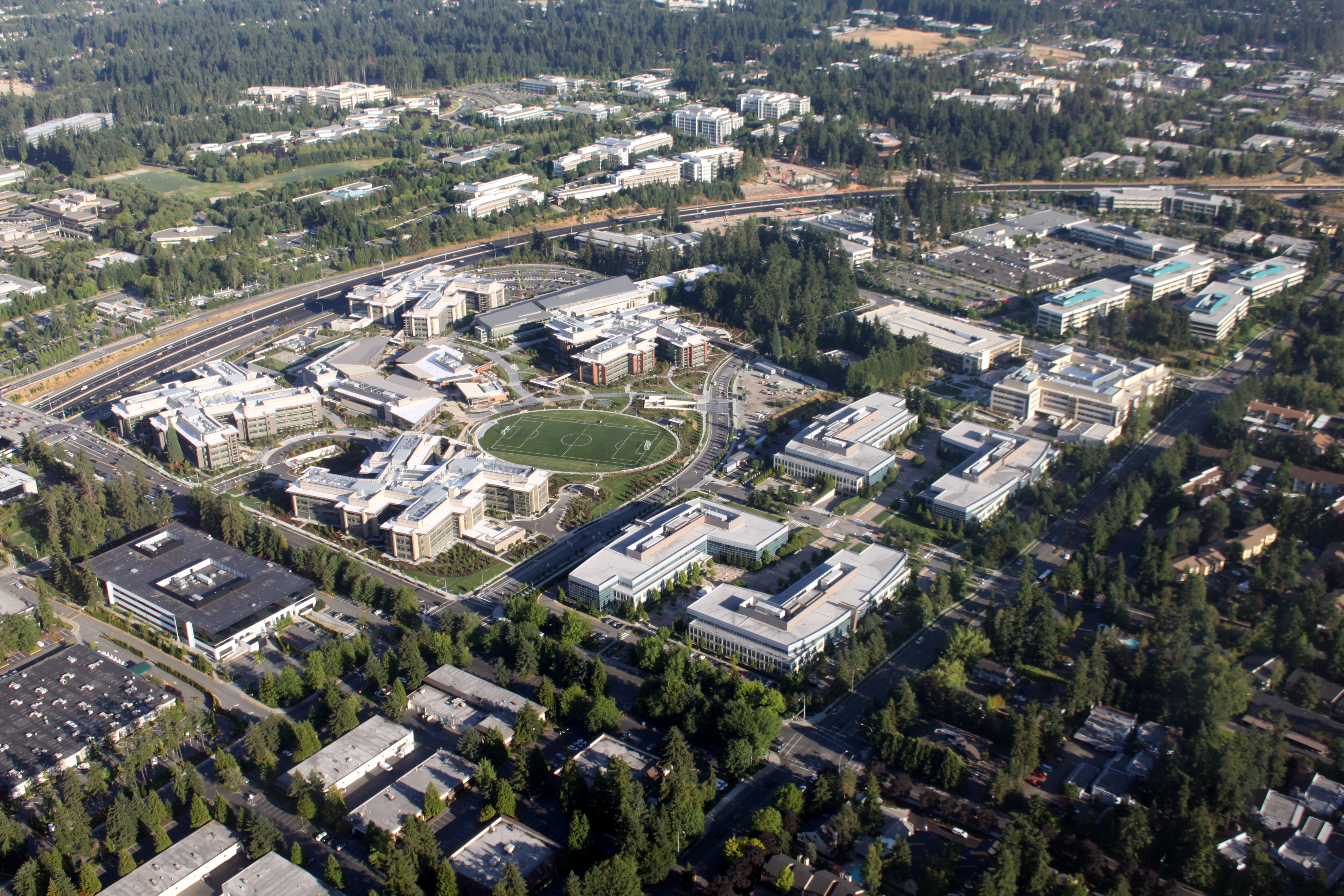
The Heart of the Silicon Forest: Microsoft’s Redmond Campus
The Redmond campus is the anchor of the Pacific Northwest tech corridor. While Silicon Valley often dominates the conversation regarding hardware and social media, Redmond is the historic and functional home of the operating systems and productivity tools that power the global economy.
Geographic Context and the Silicon Forest
The choice of Redmond was strategic. Nestled between Lake Sammamish and the Cascade Mountains, the region offers a high quality of life that has historically attracted top-tier engineering talent. This area, alongside Seattle and Bellevue, forms the “Silicon Forest,” a tech-heavy region characterized by a blend of natural beauty and high-density innovation. Microsoft’s presence in Redmond has acted as a gravitational force, drawing in thousands of secondary tech firms, startups, and data centers that support the Microsoft ecosystem.
A Campus Designed for Deep Work
Unlike high-rise urban corporate offices, the Redmond headquarters is designed with horizontal integration in mind. The campus layout encourages movement between specialized labs and collaborative spaces. Over the decades, the architecture has evolved from functional 1980s office clusters to cutting-edge, sustainable structures that integrate the surrounding environment. The campus features its own transit system, retail corridors, and even “treehouse” meeting spaces equipped with high-speed Wi-Fi and power, allowing developers to step away from traditional screens and engage with technology in a natural setting.
A Technopolis of Innovation: Inside the Infrastructure
The Redmond headquarters is where Microsoft’s most ambitious hardware and software projects move from concept to reality. It is home to some of the most advanced technical facilities on the planet, designed to support everything from quantum computing research to the fine-tuning of artificial intelligence models.
Building 87 and the Hardware Labs
One of the most secretive and technologically significant areas on campus is Building 87. This facility houses the specialized hardware labs where the Surface line of products and Xbox consoles are engineered. Within these walls lies the “Anechoic Chamber,” officially recognized by the Guinness World Records as the quietest place on Earth. Engineers use this ultra-silent environment to test audio components and microphone arrays, ensuring that devices can isolate human voices from background noise—a critical component of modern AI communication tools.
The Microsoft Garage
The Microsoft Garage is a unique hub within the headquarters dedicated to grassroots innovation and prototyping. It is a space where employees from any department can use high-tech tools—including 3D printers, laser cutters, and advanced soldering stations—to work on “moonshot” projects. Many features that eventually find their way into Windows, Office 365, and Azure began as experimental prototypes within the Garage. This facility exemplifies the “hacker culture” that Microsoft has worked to maintain even as it has grown into one of the world’s largest corporations.
The Cyber Defense Operations Center (CDOC)
As digital security becomes a global priority, the Redmond campus serves as the frontline for Microsoft’s security efforts. The Cyber Defense Operations Center (CDOC) is a state-of-the-art facility where security experts, data scientists, and forensic researchers monitor global threats 24/7. This center utilizes massive AI-driven dashboards to analyze trillions of signals from across the Microsoft ecosystem, protecting billions of users from malware, phishing, and state-sponsored cyberattacks. The CDOC is a testament to the headquarters’ role as a defender of global digital infrastructure.

The Modernization Project: Building the Campus of Tomorrow
In recent years, Microsoft has embarked on a massive multi-billion-dollar redevelopment of its Redmond headquarters. This project is not just about adding more square footage; it is a fundamental reimagining of how a physical space can interact with digital workflows and environmental responsibility.
Smart Buildings and IoT Integration
The new Redmond campus is a living laboratory for the Internet of Things (IoT). Thousands of sensors are integrated into the building infrastructure to monitor everything from occupancy patterns to air quality and light levels. This data is fed into Azure-based analytical tools that optimize energy consumption in real-time. By treating the headquarters as a “smart city,” Microsoft can test the same enterprise IoT solutions it sells to global clients, using its own employees as the ultimate beta testers.
Sustainable Technology and Zero-Carbon Goals
A core focus of the Redmond modernization is Microsoft’s commitment to becoming carbon negative by 2030. The headquarters features a massive thermal energy center that utilizes hundreds of geo-exchange wells drilled deep into the ground. These wells harness the constant temperature of the earth to heat and cool buildings without the use of traditional fossil fuel-burning boilers. Furthermore, the campus is designed to be a “Zero Waste” facility, utilizing advanced composting and recycling technologies to divert materials from landfills.
Connectivity and 5G Testing Grounds
The Redmond campus acts as a private testing ground for 5G and next-generation connectivity. Within the campus boundaries, Microsoft deploys private 5G networks to explore how high-bandwidth, low-latency communication can revolutionize industrial automation, remote collaboration, and edge computing. This infrastructure allows engineers to develop software that is optimized for the future of mobile and cloud-integrated devices.
The Global Reach: Redmond as the Central Brain
While Microsoft has significant regional hubs in places like Silicon Valley, Israel, Cambridge, and Beijing, the Redmond headquarters remains the central brain of the operation. All major strategic pivots—such as the massive shift toward Generative AI and the integration of OpenAI’s models into the Microsoft stack—are orchestrated from this location.
The Executive Briefing Center (EBC)
The Executive Briefing Center at the Redmond HQ is where the world’s business and political leaders go to see the future of technology. Through immersive demonstrations and high-tech galleries, the EBC showcases how cloud computing, mixed reality (HoloLens), and AI-driven analytics can solve complex organizational challenges. It is a vital node where the technical capabilities developed in Redmond are translated into real-world business value.
Research and the Envisioning Center
Microsoft Research (MSR) has a massive presence in Redmond. This wing of the headquarters is focused on long-term computer science problems that may not yield products for another decade. Adjacent to this is the Envisioning Center, a high-tech facility used to prototype “future life” scenarios. Here, researchers use the Redmond campus as a canvas to project how technology will integrate into homes, schools, and workplaces of the future, utilizing ambient computing and predictive AI to create seamless user experiences.

Conclusion
The question of “where is Microsoft headquarters located” finds its answer in Redmond, Washington, but the physical coordinates are only the beginning of the story. The Redmond campus is a specialized technical environment where the digital future is engineered, tested, and deployed. From the silent chambers of Building 87 to the thermal wells of the modernized East Campus, the headquarters represents the pinnacle of corporate tech infrastructure.
As Microsoft continues to lead the charge in artificial intelligence and cloud-scale computing, its headquarters remains the essential foundation for its global operations. It is a place where the physical and digital worlds converge, ensuring that the software and services used by billions of people remain rooted in a culture of relentless innovation and technical excellence. Whether through the development of more efficient data processing techniques or the creation of more intuitive user interfaces, the work done at the Redmond headquarters continues to define the landscape of 21st-century technology.
aViewFromTheCave is a participant in the Amazon Services LLC Associates Program, an affiliate advertising program designed to provide a means for sites to earn advertising fees by advertising and linking to Amazon.com. Amazon, the Amazon logo, AmazonSupply, and the AmazonSupply logo are trademarks of Amazon.com, Inc. or its affiliates. As an Amazon Associate we earn affiliate commissions from qualifying purchases.