
Microsoft is often categorized simply as a software company, but to understand its true function in the modern economy, one must look through the lens of corporate strategy and brand identity. At its core, Microsoft is a platform-centric organization that provides the foundational infrastructure for global productivity, digital transformation, and professional connectivity. Since its inception in 1975, the company’s identity has shifted from a narrow focus on the personal computer to a broad, mission-driven mandate: “to empower every person and every organization on the planet to achieve more.”
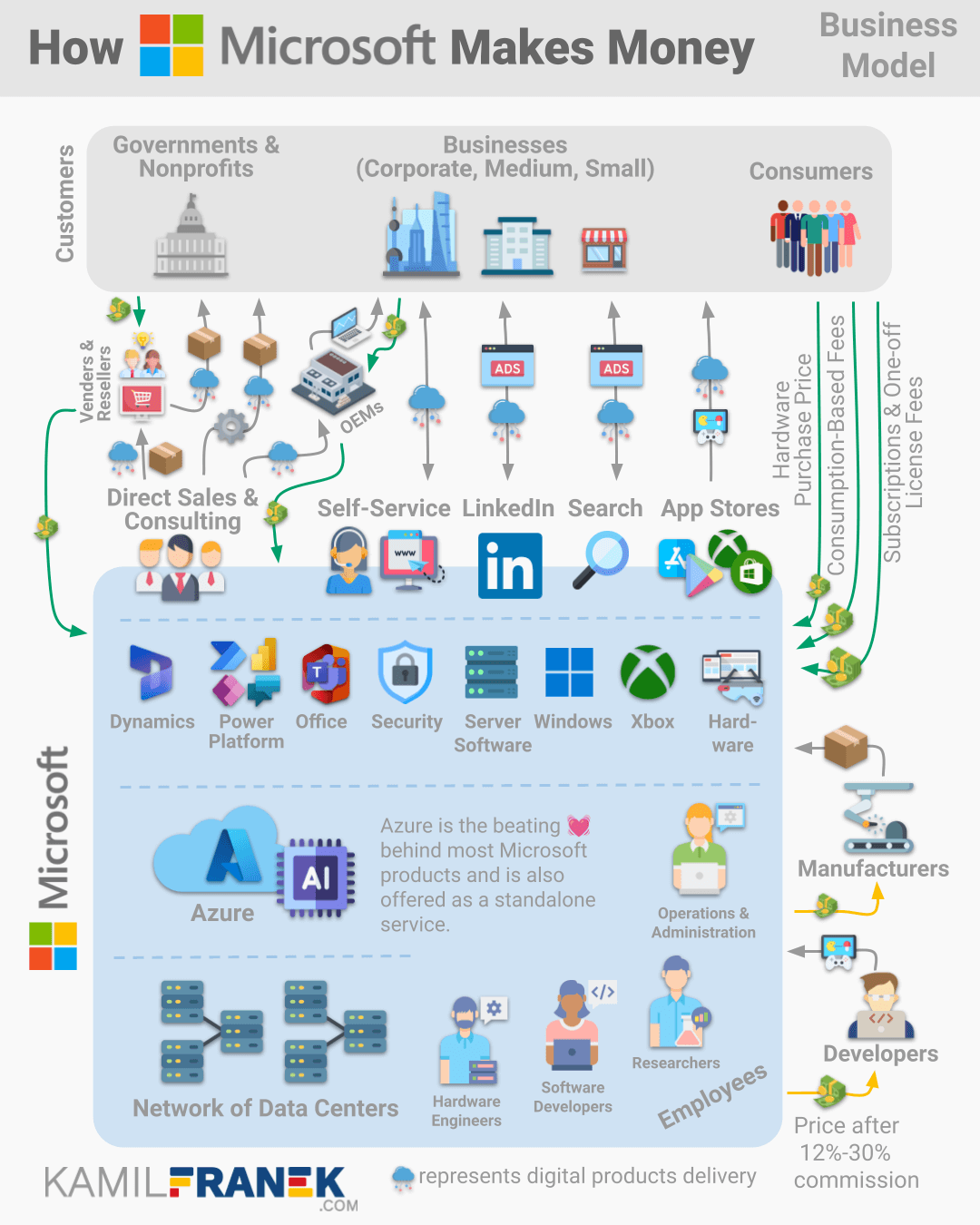
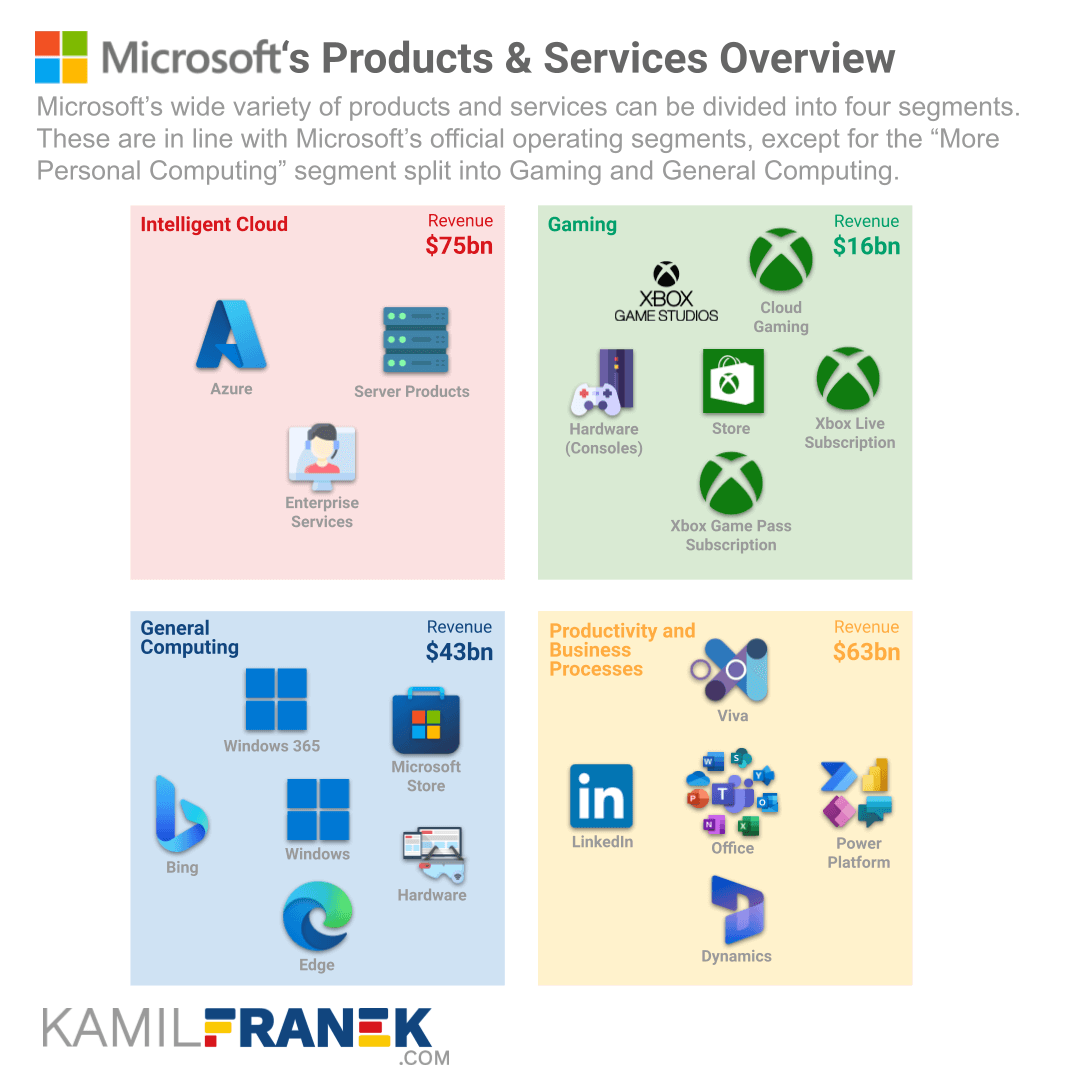
This mission statement is more than marketing jargon; it is the blueprint for how Microsoft manages its vast portfolio. By moving away from the “PC on every desk” mantra of the Bill Gates era, the company has successfully rebranded itself as an indispensable utility for the digital age. Today, Microsoft’s brand strategy revolves around three core pillars: Productivity and Business Processes, the Intelligent Cloud, and More Personal Computing. Together, these segments create a cohesive ecosystem that defines what the company does as a global corporate entity.
The Architecture of a Multi-Faceted Brand Identity
One of Microsoft’s greatest strategic strengths is its ability to manage a “House of Brands” while maintaining a singular corporate identity. Unlike companies that rely on one flagship product, Microsoft has built several billion-dollar sub-brands—such as Windows, Office, Azure, and Xbox—that each occupy a distinct market niche while contributing to the overall brand equity of the parent company.
Productivity and Business Processes: The Operating System of Work
Microsoft’s most recognizable contribution to the corporate world is its suite of productivity tools. By transitioning the traditional Office software into the Microsoft 365 subscription model, the company fundamentally changed its relationship with its customers. It moved from being a vendor of one-time purchases to a long-term partner in business operations. This segment is not just about word processing or spreadsheets; it is about the “modern workplace.” Through tools like Microsoft Teams and SharePoint, the company provides the digital “real estate” where collaboration happens. The brand identity here is one of reliability, efficiency, and professional standard.
The Intelligent Cloud: Providing Digital Infrastructure
Perhaps the most significant shift in Microsoft’s corporate identity over the last decade has been its pivot to the cloud. Microsoft Azure is the engine behind much of the modern internet, providing the computing power, storage, and networking capabilities that other businesses need to function. As a brand, Azure positions Microsoft as a facilitator of innovation. Instead of just selling products to consumers, Microsoft sells the building blocks that allow other companies to build their own products. This “B2B first” mentality has solidified Microsoft’s status as a foundational pillar of the global economy.
More Personal Computing: Engaging the End User
While much of Microsoft’s revenue comes from corporate contracts, its brand remains visible in the consumer space through Windows, Surface hardware, and gaming. The Windows operating system remains the gateway through which billions of people interact with technology. Meanwhile, the Xbox brand allows Microsoft to explore a different facet of its identity: entertainment and community. This segment serves as a vital touchpoint for consumer sentiment, ensuring the brand remains relevant in the daily lives of individuals, not just organizations.
Strategic Cultural Transformation: From Control to Empowerment
To understand what Microsoft does today, one must examine the profound cultural shift initiated under the leadership of Satya Nadella. For much of the 1990s and early 2000s, Microsoft’s brand was synonymous with market dominance and a “closed” ecosystem. The company was often viewed as a defensive incumbent, protecting its Windows monopoly at all costs.
The Move Toward Openness and Collaboration
Under its current strategy, Microsoft has rebranded itself as an “open” company. This was a radical departure from its historical corporate identity. Microsoft began embracing open-source software, famously joining the Linux Foundation and acquiring GitHub. From a brand strategy perspective, this was a masterstroke. It transformed Microsoft from a perceived “bully” into a “benefactor” of the developer community. By providing the tools that developers use to build the future, Microsoft ensures its relevance in every new technological wave, regardless of the operating system.
Empathy and the Growth Mindset
Central to Microsoft’s modern identity is the concept of the “growth mindset.” This internal corporate philosophy, popularized by Carol Dweck and championed by Nadella, has been projected outward as a core brand value. Microsoft positions itself as a company that listens, learns, and iterates. This is a far cry from the “know-it-all” culture of its past. By centering empathy in its design and marketing, Microsoft has humanized a massive technical conglomerate, making it more appealing to a younger, more socially conscious workforce and customer base.

Ecosystem Integration and Strategic Acquisitions
A significant part of what Microsoft does as a company involves the strategic acquisition and integration of other major brands. Microsoft does not just buy companies for their revenue; it buys them to expand the boundaries of its ecosystem and to reinforce its brand as the “operating system of professional life.”
LinkedIn and the Professional Network
The acquisition of LinkedIn was a pivotal moment in Microsoft’s brand evolution. By owning the world’s largest professional network, Microsoft gained deep insights into how people work, hire, and learn. This allows the company to integrate professional identity directly into its productivity tools. From a brand perspective, LinkedIn helps Microsoft move beyond the “software” label and into the “human capital” space.
GitHub and the Developer Ecosystem
By acquiring GitHub, Microsoft secured its place at the heart of the global developer community. This move was essential for its cloud strategy. If the world’s code lives on a Microsoft-owned platform, the transition to hosting that code on Microsoft’s Azure cloud becomes a natural progression. This is a classic example of using a brand acquisition to create a seamless vertical integration of services.
Gaming and the Metaverse
The acquisitions of Mojang (Minecraft), Bethesda, and Activision Blizzard represent a massive bet on the future of digital interaction. Microsoft’s strategy here is to own the platforms where the next generation of consumers will spend their time. By positioning itself as a leader in “Game Pass” and cloud gaming, Microsoft is applying its successful subscription-based business model to the world of entertainment, further diversifying its corporate identity.
Visual Identity and the “Fluent Design” Philosophy
A brand is not just a strategy; it is also an aesthetic and an experience. Microsoft’s visual identity has undergone a significant modernization to reflect its shift toward agility and cross-platform compatibility. The introduction of the “Fluent Design System” represents a move toward a more intuitive, harmonious, and empathetic user experience.
Consistency Across Platforms
For years, Microsoft’s various products felt like they were made by different companies. Windows looked different from Office, which looked different from Xbox. The modern Microsoft brand focuses on “one experience.” Whether a user is on an iPhone, an Android tablet, or a Windows PC, the Microsoft apps look and feel consistent. This design-led approach is crucial for maintaining brand loyalty in a multi-device world. It signals that Microsoft is no longer tied to a specific piece of hardware but is instead a “service” that follows the user wherever they go.
Sustainability and Social Responsibility as Brand Pillars
In the current corporate landscape, what a company “does” is also defined by its impact on the world. Microsoft has made sustainability a central part of its corporate identity, pledging to be carbon negative by 2030 and to remove all the carbon the company has emitted since its founding by 2050. By tying its brand to environmental stewardship and the “democratization of AI,” Microsoft is positioning itself as a responsible steward of the future. This is a critical component of its brand strategy, as it helps attract top talent and secures favor with regulators and ESG-focused investors.
Future Outlook: The AI-Driven Identity
As we look toward the future, Microsoft is once again redefining what it does by positioning itself as the leader in the “AI Era.” Through its multi-billion dollar partnership with OpenAI and the rapid integration of “Copilot” across its entire product line, Microsoft is rebranding itself as an AI-first company.
The “Copilot” branding is particularly significant. It reinforces the company’s core mission of “empowerment.” The AI is not marketed as a replacement for human effort, but as an assistant that helps people work faster and more creatively. This subtle shift in branding is designed to alleviate fears about AI while positioning Microsoft’s tools as essential for the future of productivity.
In conclusion, what Microsoft does as a company is far more complex than selling software. It builds the digital infrastructure of the modern world, facilitates global professional connections, and provides the platforms for future innovation. Through a combination of strategic pivots, cultural transformation, and a sophisticated “House of Brands” architecture, Microsoft has successfully transitioned from a 20th-century software giant into a 21st-century essential utility. Its brand identity is now defined not by the products it sells, but by the capabilities it provides to its users—truly embodying its mission to empower every person and organization on the planet.
aViewFromTheCave is a participant in the Amazon Services LLC Associates Program, an affiliate advertising program designed to provide a means for sites to earn advertising fees by advertising and linking to Amazon.com. Amazon, the Amazon logo, AmazonSupply, and the AmazonSupply logo are trademarks of Amazon.com, Inc. or its affiliates. As an Amazon Associate we earn affiliate commissions from qualifying purchases.