
The question of how much a share in Microsoft costs is often the first step in a larger journey toward financial literacy and wealth building. While the ticker symbol MSFT is a staple of the Nasdaq, the “price” of a share is a dynamic figure that reflects more than just a number on a screen. For the modern investor, understanding the cost of entry into one of the world’s most valuable companies requires a deep dive into market valuation, financial metrics, and the strategic drivers that move the needle in the global economy.
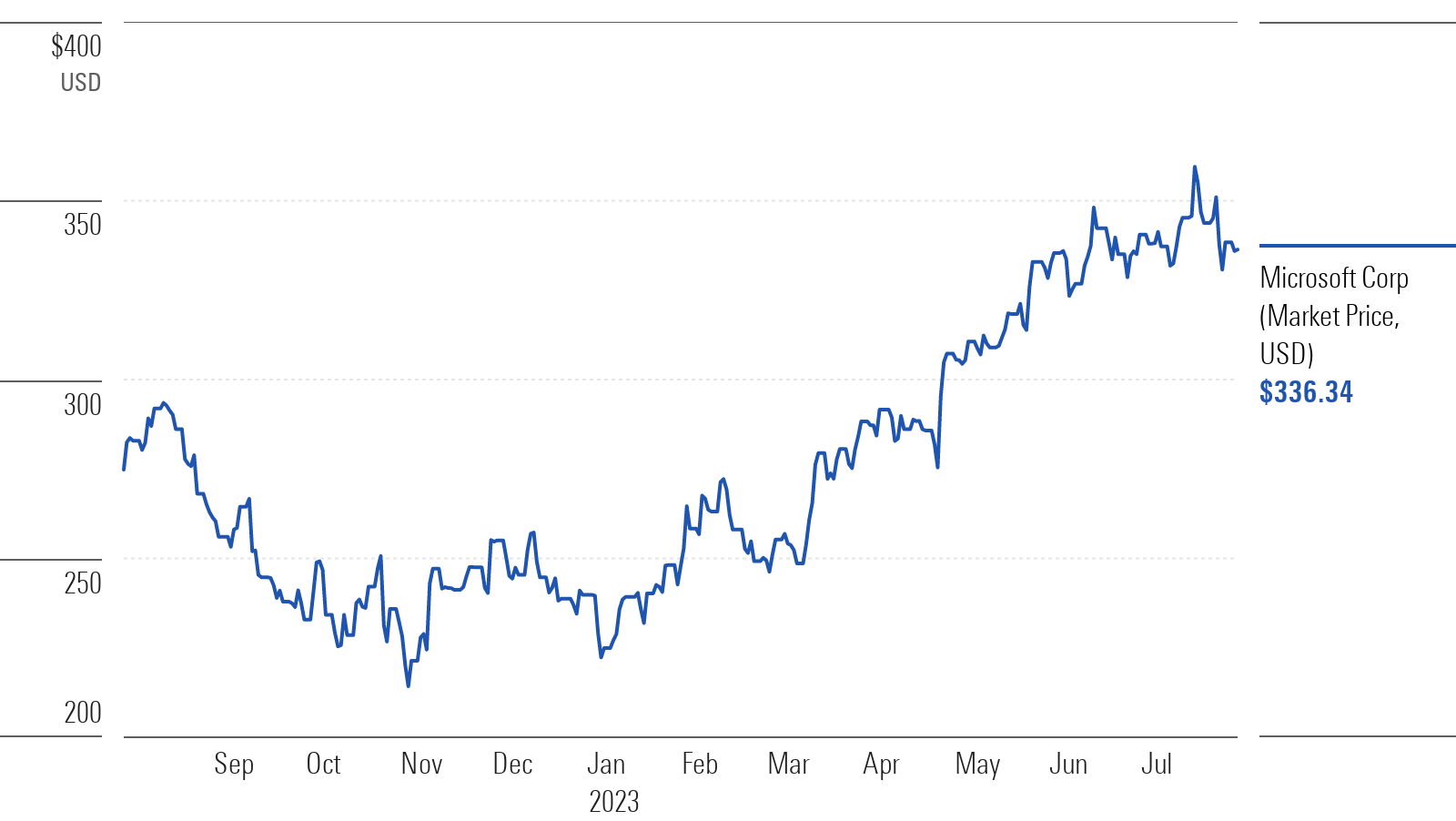
Microsoft has evolved from a software-focused enterprise into a diversified behemoth with its hands in cloud computing, artificial intelligence, gaming, and professional networking. Consequently, the price of a single share represents a fractional ownership in a massive ecosystem. Whether you are a seasoned portfolio manager or a novice investor looking to buy your first fractional share, understanding the nuances of Microsoft’s stock price is essential for making informed financial decisions.
The Financial Metrics Behind a Single Share of MSFT
To understand what you are paying for when you purchase a share of Microsoft, you must look beyond the nominal price. The stock market prices companies based on a combination of current earnings, future growth potential, and broader economic conditions.
Market Capitalization and Share Volume
Microsoft is consistently one of the few companies in the “Trillion Dollar Club.” Its market capitalization—the total value of all its outstanding shares—is a primary indicator of its dominance. When you look at the price of a single share, you are seeing the result of the total market cap divided by the billions of shares available. For investors, this means that even a small percentage move in the stock price equates to billions of dollars in value created or lost. This scale provides a level of stability that is rare in the technology sector, as the sheer volume of shares traded daily ensures high liquidity.
The Price-to-Earnings (P/E) Ratio
The P/E ratio is perhaps the most critical metric for determining if a share is “expensive” or “cheap” relative to its earnings. Traditionally, Microsoft has commanded a premium P/E ratio compared to the broader S&P 500. This is because investors are willing to pay more for each dollar of Microsoft’s profit, betting on the company’s ability to grow those profits through innovation. If the P/E ratio expands, the share price rises even if earnings stay flat; if it contracts, the share price can drop even during profitable quarters. Monitoring this ratio helps investors understand if the current share price is driven by fundamental value or speculative hype.
Dividend Yield and Total Return
Unlike many of its high-growth peers in the tech industry, Microsoft pays a regular dividend. While the dividend yield might appear modest—often hovering around 1%—it represents a commitment to returning value to shareholders. For long-term investors, the cost of a share is offset by these quarterly payments, which can be reinvested to purchase more shares through a Dividend Reinvestment Plan (DRIP). This compounding effect significantly increases the total return on investment over decades, making the initial share price less relevant than the duration of the holding.
What Drives the Price of Microsoft Shares?
The price of MSFT does not move in a vacuum. It is influenced by specific business segments that have become the engines of the company’s financial growth. Understanding these drivers allows investors to predict how future quarterly earnings might impact the share price.
The Azure Cloud Revolution
In the modern era, Microsoft’s valuation is inextricably linked to its cloud computing platform, Azure. As businesses migrate their infrastructure to the cloud, Azure’s growth rates have become the primary focus for Wall Street analysts. High growth in Azure often leads to a surge in share price, as it signifies recurring, high-margin revenue. Conversely, any slowdown in cloud adoption can lead to a cooling of the stock price, regardless of how well the Windows or Office divisions are performing.
Artificial Intelligence and the OpenAI Partnership
Microsoft’s strategic investment in OpenAI and the integration of “Copilot” across its software suite has added a significant “AI premium” to the share price. Investors view Microsoft as a primary beneficiary of the AI revolution, as it provides the infrastructure (Azure) and the applications (Office 365) to monetize generative AI. The market often bakes future expectations into the current share price; therefore, much of the current cost of a share reflects the anticipated profits from AI integration over the next five to ten years.
Diversified Revenue Streams
Microsoft’s resilience comes from its diversification. From LinkedIn’s advertising revenue to the Xbox gaming ecosystem and the subscription-based Microsoft 365 model, the company has multiple levers to pull. This diversification acts as a hedge; if the consumer gaming market is soft, the enterprise software segment might overperform. This stability often leads to a lower volatility profile for MSFT shares compared to more specialized tech companies, which can justify a higher entry price for risk-averse investors.
Practical Ways to Purchase Microsoft Stock
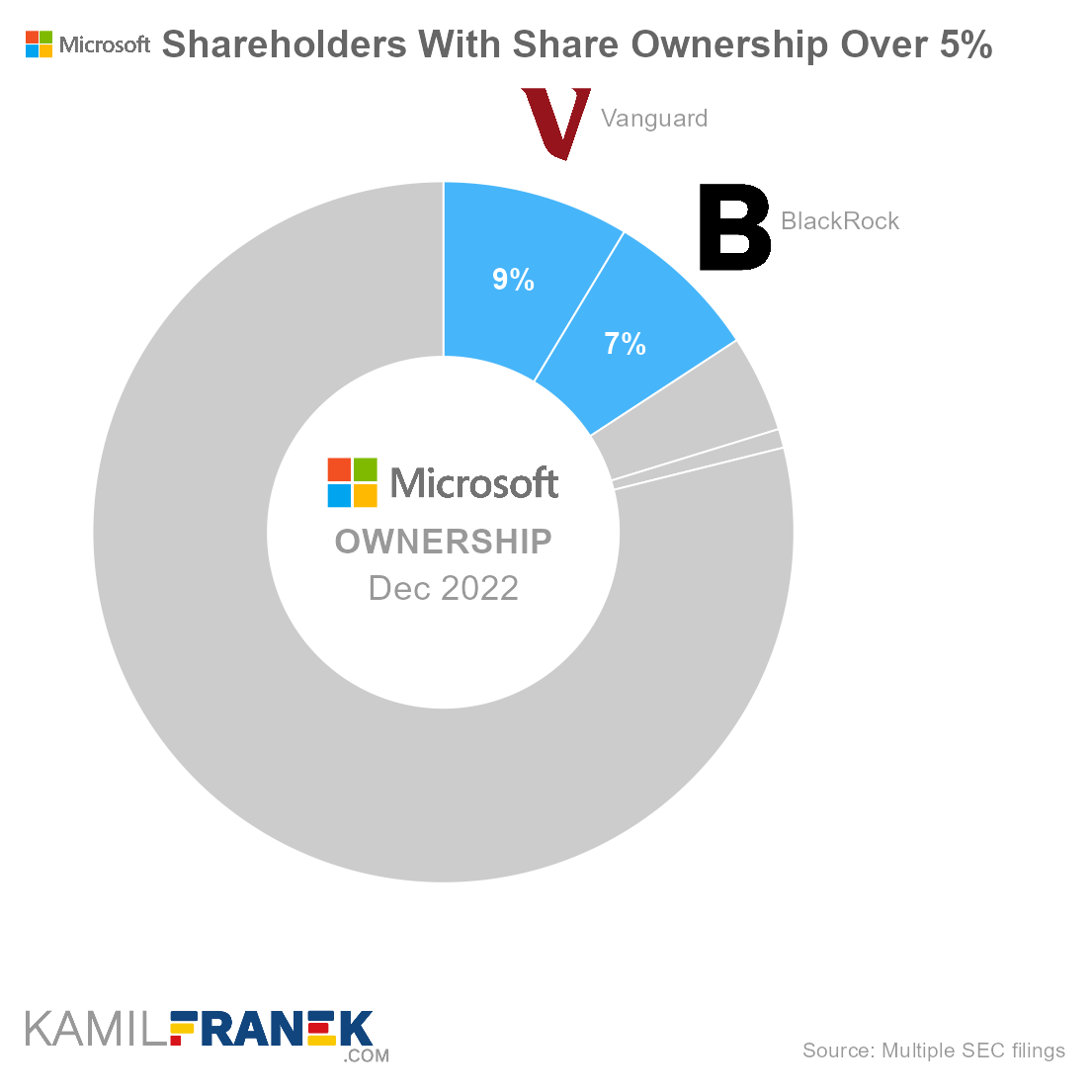
Once an investor decides that the price of a share aligns with their financial goals, the next step is execution. The barriers to entry for owning a piece of Microsoft have never been lower, thanks to technological advancements in the financial services industry.
Full Shares vs. Fractional Shares
Historically, if a share of Microsoft was trading at $400, an investor needed exactly $400 to get started. Today, many modern brokerage platforms offer fractional shares. This allows an individual to invest as little as $1 or $5 into Microsoft, receiving a proportional fraction of a share. This has democratized investing, allowing those with limited capital to build a position in a high-priced stock over time through dollar-cost averaging.
Exchange-Traded Funds (ETFs) for Broad Exposure
For those who find the price of a single share too concentrated for their risk tolerance, ETFs offer an alternative. Funds like the Invesco QQQ (which tracks the Nasdaq-100) or the SPDR S&P 500 ETF Trust (SPY) hold significant weights of Microsoft. By buying an ETF, you are essentially buying a “basket” of stocks that includes Microsoft. This reduces the risk of being tied to the performance of a single company while still benefiting from Microsoft’s growth.
Choosing the Right Brokerage Platform
The “cost” of a share also includes any transaction fees or commissions. In the current competitive landscape, most major brokerages have moved to zero-commission trading for stocks. However, investors should still consider the quality of the platform’s research tools, the speed of execution, and the availability of tax-advantaged accounts like IRAs or 401(k)s. Minimizing the frictional costs of buying and selling is a key component of maximizing long-term gains.
Risk Assessment and Market Volatility
Investing in Microsoft is not without risk. While the company is a global leader, several factors can cause the share price to fluctuate or even decline over significant periods.
Regulatory Scrutiny and Antitrust Concerns
As a “Big Tech” entity, Microsoft is constantly under the microscope of global regulators. Antitrust investigations in the European Union or the United States regarding its dominance in cloud or its acquisition of gaming giants like Activision Blizzard can create uncertainty. Regulatory headwinds often lead to short-term price volatility as investors weigh the potential for fines or forced divestitures.
The Impact of Macroeconomics and Interest Rates
Technology stocks are particularly sensitive to interest rate changes. When the Federal Reserve raises rates to combat inflation, the “discount rate” applied to future earnings increases, which can lower the current valuation of growth-oriented companies like Microsoft. Additionally, as a global company, Microsoft is exposed to currency fluctuations. A strong U.S. dollar can eat into international profits, leading to lower-than-expected earnings reports and subsequent pressure on the share price.
Competitive Pressure
Microsoft operates in highly competitive arenas. In cloud computing, it battles Amazon Web Services (AWS) and Google Cloud. In AI, it faces competition from Meta and specialized startups. Any perception that Microsoft is losing its competitive edge or falling behind in innovation can lead to a re-rating of the stock, causing the share price to lag behind the broader market.
The Long-Term Value Proposition
Despite the fluctuations in day-to-day pricing, Microsoft’s value proposition is built on its “economic moat”—a term popularized by Warren Buffett to describe a company’s competitive advantage.
Share Buyback Programs
Microsoft frequently engages in massive share buyback programs. By using its significant cash reserves to buy back its own shares, the company reduces the total number of shares outstanding. This increases the “earnings per share” (EPS) and often provides a steady upward pressure on the stock price. For the individual shareholder, this means their “piece of the pie” becomes larger over time without them having to invest additional capital.
Future Outlook: The Next Decade of MSFT
When evaluating how much a share is worth, one must look toward the horizon. Microsoft is positioning itself to be the backbone of the next industrial revolution, driven by cloud-scale AI. Its integration of hardware (Surface, Xbox) with software (Windows, Office) and infrastructure (Azure) creates a “sticky” ecosystem that is difficult for customers to leave. This high switching cost is a primary driver of long-term share price appreciation.
In conclusion, the price of a share in Microsoft is more than a ticker update; it is a reflection of the company’s past successes and its future ambitions. While the nominal price tells you what you must pay today, the underlying financial health, market position, and growth catalysts tell you what that share might be worth tomorrow. By focusing on fundamental metrics and maintaining a long-term perspective, investors can navigate the complexities of the market and potentially benefit from the continued growth of one of the world’s most influential corporations.
aViewFromTheCave is a participant in the Amazon Services LLC Associates Program, an affiliate advertising program designed to provide a means for sites to earn advertising fees by advertising and linking to Amazon.com. Amazon, the Amazon logo, AmazonSupply, and the AmazonSupply logo are trademarks of Amazon.com, Inc. or its affiliates. As an Amazon Associate we earn affiliate commissions from qualifying purchases.