
Navigating the landscape of higher education financing requires a clear understanding of the Free Application for Federal Student Aid (FAFSA). While most students and parents view the FAFSA as a mere gateway to grants, work-study programs, and loans, the machinery operating behind the scenes is vast and multi-layered. Understanding who manages the FAFSA is not just a matter of administrative curiosity; it is a vital component of financial literacy for anyone seeking to optimize their educational investment. The management of this system involves a complex interplay between federal agencies, private contractors, and legislative bodies, all working to distribute over $100 billion in federal aid annually.

The Federal Student Aid (FSA) Office: The Primary Administrative Engine
The most direct answer to who manages the FAFSA is the Office of Federal Student Aid (FSA). Operating as a massive branch within the U.S. Department of Education, the FSA is the largest provider of student financial aid in the United States. It is unique in that it is designated as a Performance-Based Organization (PBO), a specific governmental structure designed to allow the agency to operate more like a private business than a traditional bureaucracy.
The Mandate of the Performance-Based Organization
As a PBO, the FSA is tasked with specific performance goals related to customer service, cost reduction, and technological integration. This management structure was established to ensure that the delivery of federal aid remains efficient despite the massive volume of applications—approximately 18 million every year. The FSA is led by a Chief Operating Officer (COO) who oversees the entire lifecycle of the FAFSA, from the design of the application interface to the disbursement of funds to thousands of participating institutions.
Operational Oversight and Financial Responsibility
The FSA does not act in a vacuum. It is responsible for managing a portfolio that exceeds $1.6 trillion in outstanding student loans. In the context of the FAFSA, their management duties include establishing the formulas used to calculate a student’s eligibility for aid, maintaining the digital infrastructure for application submission, and providing support services for applicants through their call centers and digital help desks. Their primary goal is to ensure that Title IV of the Higher Education Act is executed faithfully, providing equitable access to funding for all eligible citizens.
The U.S. Department of Education and Legislative Control
While the FSA handles the day-to-day operations, the broader management of the FAFSA is dictated by the U.S. Department of Education (ED) under the leadership of the Secretary of Education. This level of management is more concerned with policy, legal compliance, and overarching strategy rather than the technical nuances of the web portal.
The Secretary’s Influence on Policy and Regulation
The Secretary of Education provides the vision for how federal aid should be prioritized. Through a process known as negotiated rulemaking, the Department of Education manages how laws passed by Congress are translated into actual administrative procedures. For instance, when Congress passes legislation that changes the criteria for aid eligibility—such as the transition from the Expected Family Contribution (EFC) to the Student Aid Index (SAI)—it is the Department’s leadership that manages the implementation of these changes within the FAFSA framework.
Congressional Oversight and Funding
Ultimately, the FAFSA is governed by federal law. The U.S. Congress plays a critical management role by authorizing the funding that the FSA distributes and setting the statutes that define who is eligible for aid. The House Committee on Education and the Workforce and the Senate Committee on Health, Education, Labor, and Pensions are the primary bodies that oversee the Department of Education’s management of the FAFSA. These committees hold hearings to ensure the FSA is meeting its performance metrics and to address systemic failures, such as the delays experienced during the recent “Better FAFSA” rollout.
Private Sector Partnerships and Technical Infrastructure
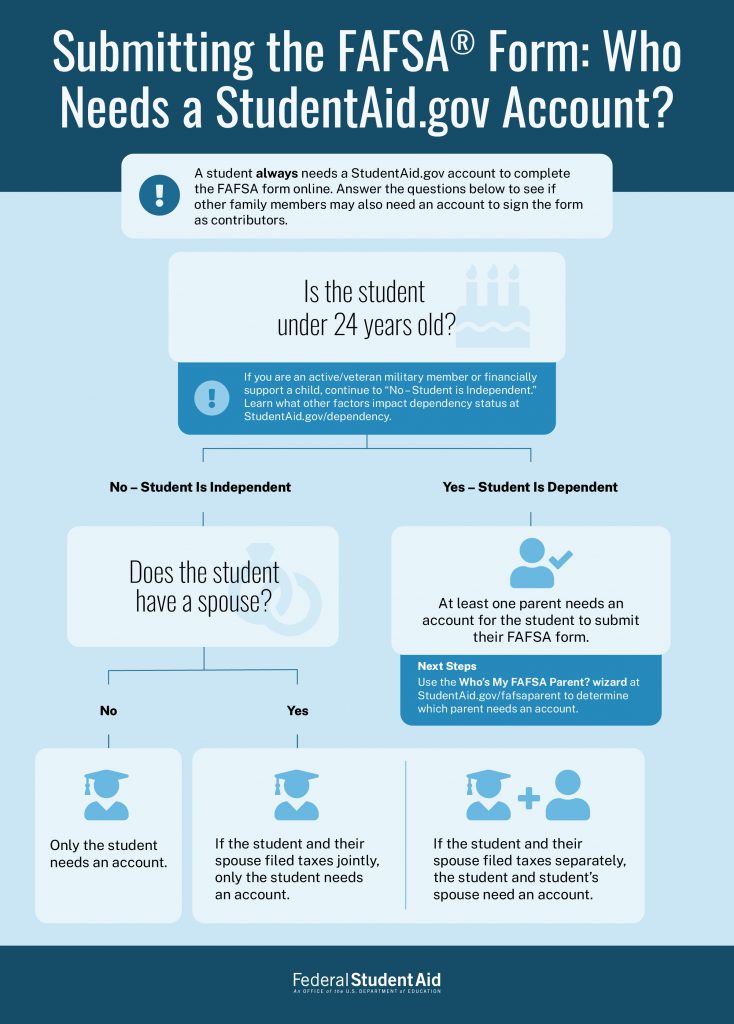
A significant portion of the FAFSA’s operational management is outsourced to private technology and financial services firms. This public-private partnership is essential for maintaining a system that must handle millions of concurrent users and secure sensitive financial data.
The Central Processing System (CPS) and Modernization
For decades, the technical “brain” of the FAFSA was the Central Processing System. However, as part of the FAFSA Simplification Act, the FSA has been transitioning to a more modern cloud-based architecture. This transition involves partnerships with major IT contractors who build and maintain the FAFSA website, the mobile-responsive interfaces, and the database systems that store student information. These private entities are managed by the FSA through strict federal contracts that mandate high levels of cybersecurity and data encryption.
Integration with the Internal Revenue Service (IRS)
One of the most significant shifts in the management of FAFSA data is the partnership with the Internal Revenue Service (IRS). Under the Fostering Undergraduate Talent by Unlocking Resources for Education (FUTURE) Act, the management of financial data has become more automated. The IRS now manages the Direct Data Exchange (FA-DDX), which allows for the secure, encrypted transfer of tax information directly into the FAFSA form. This reduces the manual entry burden on families and minimizes the potential for management errors or fraudulent filings. By integrating these two federal powerhouses, the government has streamlined the financial verification process that was once a major bottleneck for aid applicants.
Navigating Management Challenges: The FAFSA Simplification Act
In recent years, the management of the FAFSA has undergone its most significant transformation since the form’s inception. The FAFSA Simplification Act, passed by Congress in late 2020, mandated a complete overhaul of the application process and the underlying formulas for aid calculation. This period has highlighted the challenges inherent in managing such a massive financial tool.
The Shift from EFC to SAI
A core component of the new management strategy was the replacement of the Expected Family Contribution (EFC) with the Student Aid Index (SAI). This was not just a name change; it was a fundamental shift in the methodology used to determine financial need. Managing this change required the FSA to reprogram its entire processing system and retrain financial aid officers at thousands of colleges. The goal was to expand eligibility for the Federal Pell Grant and simplify the user experience, but the technical execution of this shift proved to be a significant hurdle for the agency’s management teams.
Implementation Hurdles and Accountability
The rollout of the redesigned FAFSA for the 2024-2025 academic year faced substantial delays and technical glitches. This period of instability brought the management of the FSA under intense scrutiny. It underscored the difficulty of upgrading legacy IT systems while simultaneously implementing new legislative mandates. For the user, this meant that the management of the form became a source of anxiety rather than a source of support. However, these challenges have led to increased calls for transparency and better resource allocation within the FSA, ensuring that future management cycles are more resilient and user-friendly.
Strategic Implications for the Financial Aid Applicant
Understanding who manages the FAFSA is more than an academic exercise; it allows applicants to interact with the system more strategically. When you know that the FSA manages the rules and the IRS manages the data, you can better prepare for the financial documentation required.
Communication with Financial Aid Offices
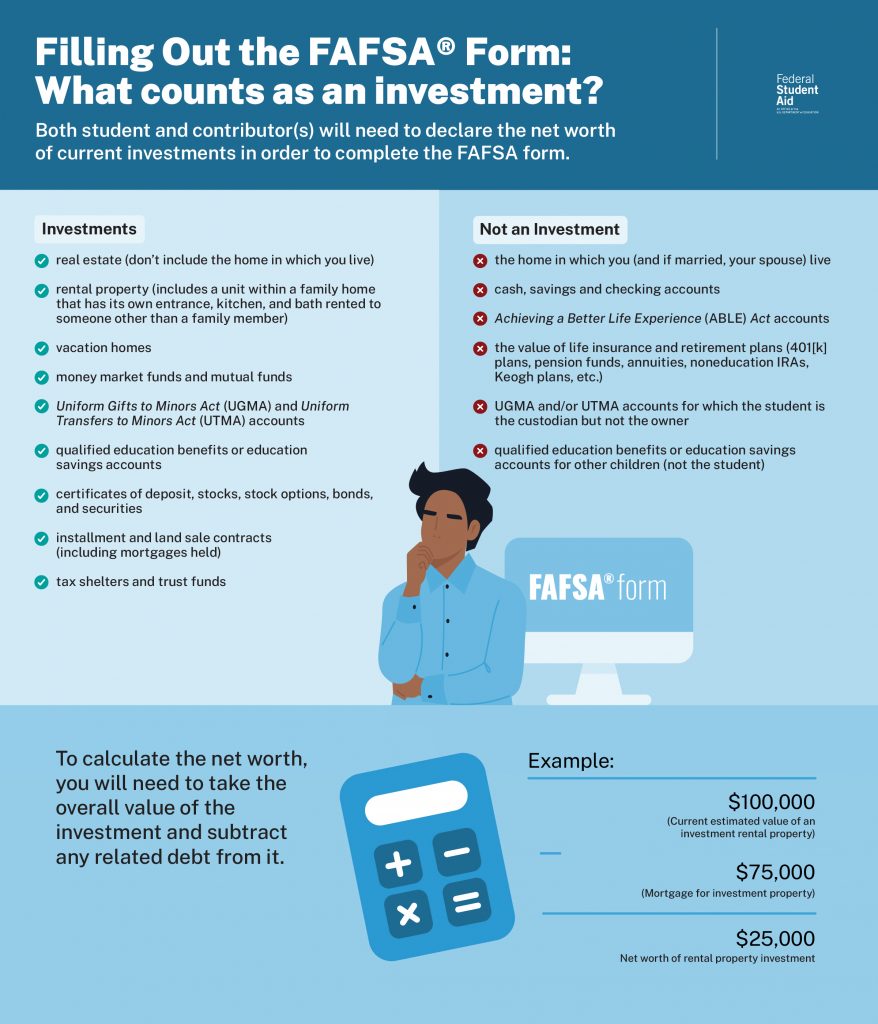
While the federal government manages the application and the initial eligibility calculation, the actual “management” of your specific financial aid package happens at the institutional level. Each college or university has a financial aid office that takes the data provided by the FAFSA and applies it to their specific institutional funds. Therefore, if a student encounters issues that the federal management cannot resolve—such as a sudden change in family income or a specialized financial hardship—the management of that situation shifts to the college’s financial aid administrators through a process known as Professional Judgment.
Long-Term Financial Planning
Because the FAFSA is managed according to federal laws that can change with each new legislative session, staying informed about who is in charge of these policies is crucial for long-term financial planning. Changes in political leadership or economic policy can lead to shifts in interest rates for federal loans, the availability of certain grants, or the criteria for loan forgiveness. By keeping an eye on the Department of Education’s regulatory updates and Congressional activity, families can anticipate changes in the financial aid landscape years before a student even applies for college.
The FAFSA is a monumental financial instrument managed by a network of federal officials, private technologists, and legislative overseers. At its heart is the Office of Federal Student Aid, tasked with the Herculean feat of making higher education accessible to millions. While the system is complex and occasionally prone to the friction of large-scale bureaucracy, it remains the most critical tool in the American student’s financial toolkit. Navigating it successfully requires recognizing that while you fill out the form, a vast infrastructure of management is working to determine the trajectory of your educational and financial future.
aViewFromTheCave is a participant in the Amazon Services LLC Associates Program, an affiliate advertising program designed to provide a means for sites to earn advertising fees by advertising and linking to Amazon.com. Amazon, the Amazon logo, AmazonSupply, and the AmazonSupply logo are trademarks of Amazon.com, Inc. or its affiliates. As an Amazon Associate we earn affiliate commissions from qualifying purchases.