
Managing your student debt effectively requires a high degree of organization and attention to detail. At the center of this management process is your student loan account number. This unique identifier is more than just a string of digits; it is the primary key that links your financial identity to your specific debt obligations. Whether you are setting up automatic payments, applying for loan forgiveness, consolidating multiple balances, or simply inquiring about your interest rates, having your account number readily available is essential for smooth communication with your loan servicer.
Finding this number can sometimes feel like a bureaucratic hurdle, especially if your loans have been sold or transferred between different servicing companies. However, locating your account details is a straightforward process once you know where to look and which digital tools are at your disposal. In the landscape of personal finance, maintaining control over these details is the first step toward achieving debt freedom.
Locating Your Federal Student Loan Account Number
The majority of student loan debt in the United States is held by the federal government. Because federal loans are managed by third-party servicers, the process of finding your account number involves two primary layers: the central government database and the specific portal of your assigned servicer.
Using the Federal Student Aid (FSA) Dashboard
The first and most reliable starting point for any federal borrower is the official Federal Student Aid website, StudentAid.gov. This site serves as the central hub for all federal borrowing history. To find your account information here, you must log in using your FSA ID—the same credentials used to sign your FAFSA.
Once logged in, navigate to the “My Aid” dashboard. This section provides a comprehensive overview of your total balance, the types of loans you hold (Subsidized, Unsubsidized, or PLUS), and, crucially, the name of your loan servicer. While the FSA dashboard might not display the full account number for every individual loan on the main landing page, it will direct you to the exact institution that holds that information.
Accessing Your Loan Servicer’s Online Portal
Once you have identified your servicer—common names include Nelnet, MOHELA, Aidvantage, and Edfinancial—you must visit their specific website. Because your account number is specific to the servicer’s internal system, you will need to create or log in to a separate account on their platform.
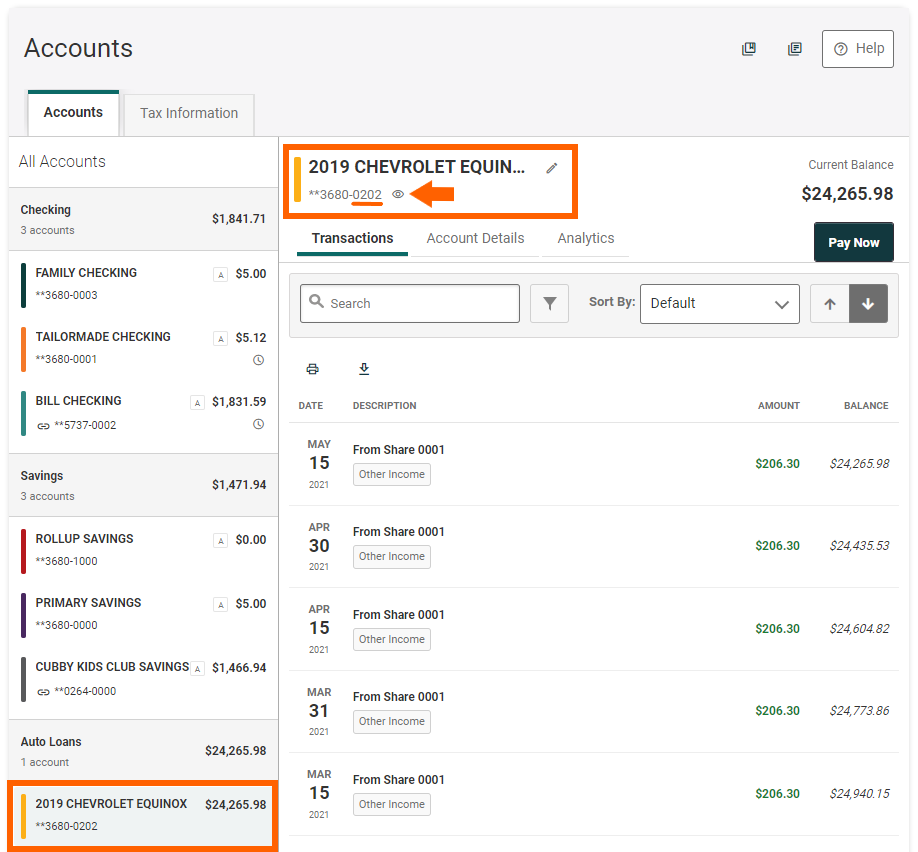
In most cases, the account number is prominently displayed on the main account summary page after login. It is often located near your name at the top of the screen or within the “Account Details” or “Loan Details” tab. If you have multiple federal loans (for example, separate loans for each year of undergraduate and graduate study), you may have a master account number for the servicer and individual sequence numbers for each loan. Understanding this distinction is vital when making extra payments directed toward a specific high-interest balance.
Reviewing the National Student Loan Data System (NSLDS)
For borrowers who have been out of school for many years or who have lost track of their loan history, the National Student Loan Data System (NSLDS) acts as the gold standard for tracking federal debt. By accessing your detailed loan information via the “Download My Data” feature on the StudentAid.gov site, you can view a text file containing the granular history of every federal loan you have ever taken. This file includes the original loan identifiers and the contact information for the current holder of the debt, which allows you to track down an account number even if you haven’t received a statement in years.
Finding Your Private Student Loan Account Number
Private student loans function differently than federal loans. They are issued by banks, credit unions, or specialized online lenders like SoFi, Earnest, or Sallie Mae. Because these loans do not appear in the federal database, you must look toward your private financial records to locate your account identifiers.
Checking Billing Statements and Correspondence
The most direct way to find a private student loan account number is to look at a physical or digital billing statement. Lenders are required to provide periodic statements, and the account number is almost always located in the upper right-hand corner or within the “Payment Remittance” section of the document.
If you have opted for paperless billing, check your email inbox for keywords such as “Statement Ready,” “Payment Confirmation,” or the name of your lender. While the full account number is often redacted in emails for security purposes, the email will typically provide a link to the secure portal where the full number is visible.
Utilizing Online Portals and Mobile Apps
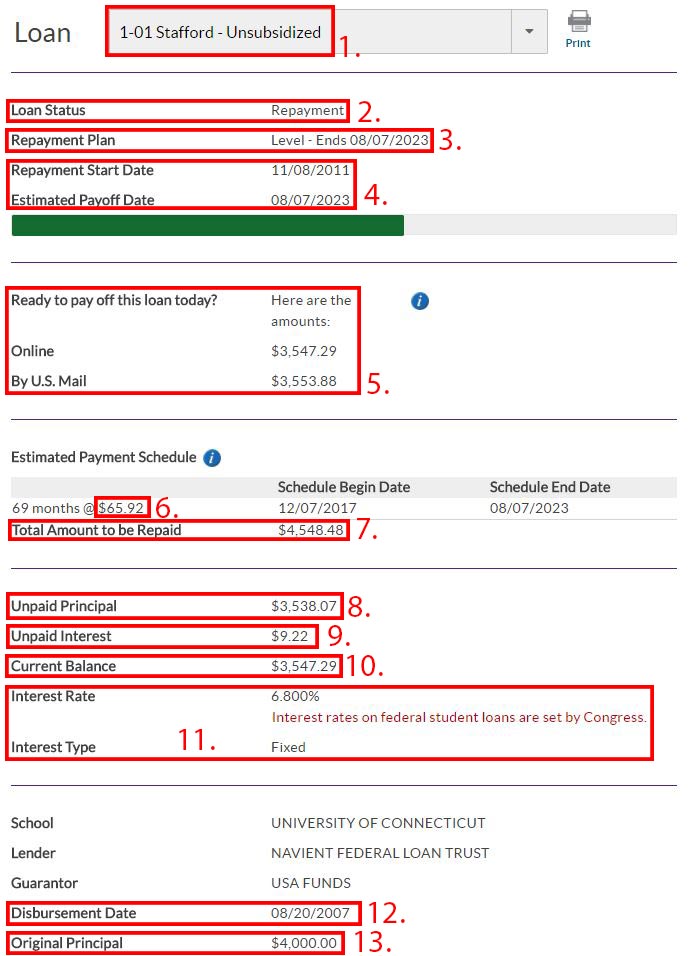
Most modern private lenders offer robust mobile applications and web interfaces. Once you log in to your lender’s app, look for a “Settings,” “Profile,” or “Loan Details” section. Because private lenders often cross-sell other products—such as personal loans or savings accounts—ensure you are looking at the specific account number for the student loan, rather than a general customer ID number.
Examining Your Credit Report
If you cannot remember the name of your private lender and have no records of your statements, your credit report is an invaluable financial tool. Federal law allows you to request a free credit report from each of the three major bureaus (Equifax, Experian, and TransUnion) via AnnualCreditReport.com.
Your credit report will list every active credit account in your name. Under the “Installment Loans” or “Student Loans” section, you will find the name of the lender and a partial or full account number. While credit reports sometimes truncate the number for privacy, they provide the exact company name and a contact phone number, allowing you to call their customer service department and verify your identity to retrieve the full account details.
Troubleshooting Common Obstacles in Finding Account Details
Finding an account number is not always a linear process. The student loan industry is characterized by frequent transfers, mergers, and shifts in government contracts, which can leave borrowers confused about who currently owns their debt.
What to Do When Your Loan Is Transferred
Federal loan servicing contracts are frequently reassigned. For example, if your loans were previously handled by FedLoan Servicing or Navient, they were likely transferred to a new servicer like MOHELA or Aidvantage in recent years.
When a transfer occurs, your old account number typically becomes obsolete, and the new servicer assigns you a new one. To find this new number, look for a “Welcome” notice in your mail or email. If you missed this communication, log in to StudentAid.gov; the “My Aid” section is updated to reflect the new servicer. You will then need to register a new account on the new servicer’s website to view your new account number.
Handling Lost Access to Online Portals
If you cannot log in to your servicer’s portal because you have forgotten your username or password, do not attempt to create a new account. Instead, use the “Forgot Password” or “Forgot Username” tools. These tools usually require your Social Security Number (SSN), date of birth, and the email address on file. Once you regain access, your account number will be visible on the dashboard. If you no longer have access to the email address on file, you must call the servicer’s customer support line. After a series of identity verification questions, the representative can provide your account number over the phone or via a secure message.
Using Tax Documents (Form 1098-E)
Every year, if you paid $600 or more in student loan interest, your lender or servicer will issue a Form 1098-E for tax purposes. This document is a goldmine for account information. It lists the lender’s name, their Federal Identification Number (FIN), and your specific account number. Even if you aren’t currently paying your loans (due to a grace period or deferment), checking your previous year’s tax records can be a quick way to find historical account data.
Managing Your Student Loan Information for Long-Term Success
Once you have successfully located your account number, it is vital to integrate it into a broader strategy for financial organization. Being proactive with your data prevents late payments and simplifies complex processes like applying for the Public Service Loan Forgiveness (PSLF) program or refinancing for a lower interest rate.
Organizing a Financial Master File
Digital organization is key to long-term financial health. Create a secure folder—either on an encrypted hard drive or a password-protected cloud service—specifically for your student loan documents. Store a digital copy of your most recent statement from each lender. Keeping a “Financial Cheat Sheet” that lists the lender name, account number, current interest rate, and login credentials (using a password manager) ensures that you are never more than a few clicks away from your data.
Monitoring Changes and Updates
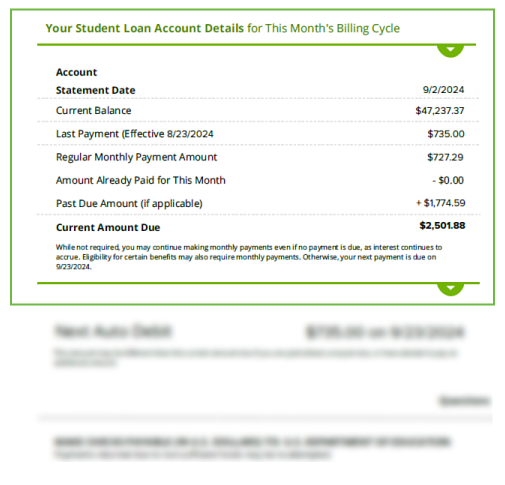
The student loan landscape is currently subject to significant policy shifts and administrative changes. Make it a habit to log in to your accounts at least once a quarter, even if you are on autopay. This allows you to check for messages regarding servicing transfers, changes in terms, or updates to repayment plans.
Whenever you communicate with a loan servicer, keep a log of the date, the name of the representative you spoke with, and the account number you referenced. If a payment is ever misapplied—a common issue when borrowers have multiple loans under one servicer—referencing the specific loan sequence or account number in your records will be the fastest way to rectify the error.
By mastering the process of locating and managing your student loan account number, you move from a passive borrower to an active manager of your financial future. This small piece of information is the foundation upon which your entire debt repayment strategy is built. Whether you are navigating the complexities of federal oversight or the private banking sector, staying informed and organized ensures that you remain in control of your journey toward financial independence.
aViewFromTheCave is a participant in the Amazon Services LLC Associates Program, an affiliate advertising program designed to provide a means for sites to earn advertising fees by advertising and linking to Amazon.com. Amazon, the Amazon logo, AmazonSupply, and the AmazonSupply logo are trademarks of Amazon.com, Inc. or its affiliates. As an Amazon Associate we earn affiliate commissions from qualifying purchases.