
Navigating the landscape of higher education requires more than just academic rigor; it demands astute financial management. For many students and their families, financial aid is the cornerstone of their educational funding strategy. However, the process does not end once the application is submitted. Monitoring your financial aid status is a critical, ongoing task that ensures your funding remains secure, your tuition is covered, and your personal budget remains intact. In the realm of personal finance, understanding the flow of educational capital—from federal grants to institutional scholarships—is essential for maintaining long-term fiscal health.
Navigating the Federal Student Aid (FSA) Portal
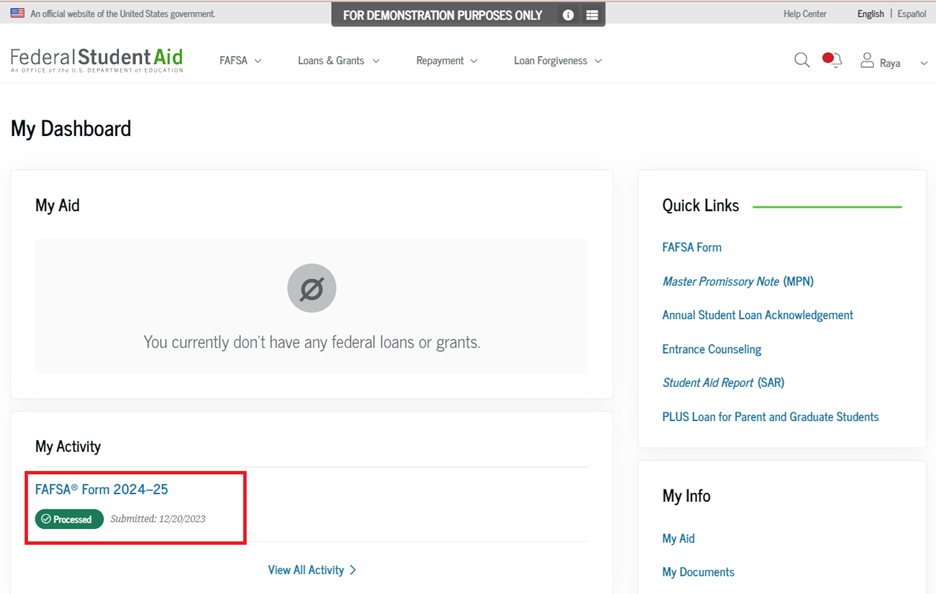
The first and most vital step in tracking your financial aid is mastering the Federal Student Aid (FSA) ecosystem. Since the majority of aid in the United States is tethered to the Free Application for Federal Student Aid (FAFSA), the federal dashboard serves as your primary command center.
Understanding the FAFSA Submission Summary
Once you submit your FAFSA, the Department of Education processes your data to determine your eligibility. Historically known as the Student Aid Report (SAR), this has evolved into the FAFSA Submission Summary. To check this status, you must log into your account at studentaid.gov using your FSA ID.
The status will typically transition through several stages: “Submitted,” “In Review,” “Processed,” and occasionally “Action Required.” If your status indicates “Action Required,” it often means there is a mismatch in Social Security numbers, a missing signature, or a need for further tax verification. From a financial planning perspective, resolving these discrepancies immediately is paramount. Any delay in federal processing trickles down to your institution, potentially delaying the disbursement of funds and creating unnecessary short-term debt if you are forced to pay out-of-pocket for initial expenses.
Monitoring Your Student Aid Index (SAI)
A key component of your status check is identifying your Student Aid Index (SAI), which replaced the Expected Family Contribution (EFC). This number is not the amount of money your family will pay, but rather an index used by colleges to determine your financial need. When checking your status, confirm that the SAI reflects your current financial reality. If your family has experienced a significant financial downturn since the tax year used for the FAFSA—such as a job loss or major medical expenses—your status check is the perfect time to identify the need for a “Professional Judgment” appeal with your school’s financial aid office.
Engaging with Your Institution’s Financial Aid Office
While the federal government determines your eligibility for Pell Grants and federal loans, the actual distribution of funds is managed by your college or university. Therefore, your school’s internal portal is the most accurate reflection of your real-time financial standing.
Utilizing Student Information Systems (SIS)
Most modern universities utilize comprehensive Student Information Systems (SIS) such as Banner, PeopleSoft, or Workday. Within these portals, there is a dedicated “Financial Aid” tab. This is where you will see the most granular details of your status.
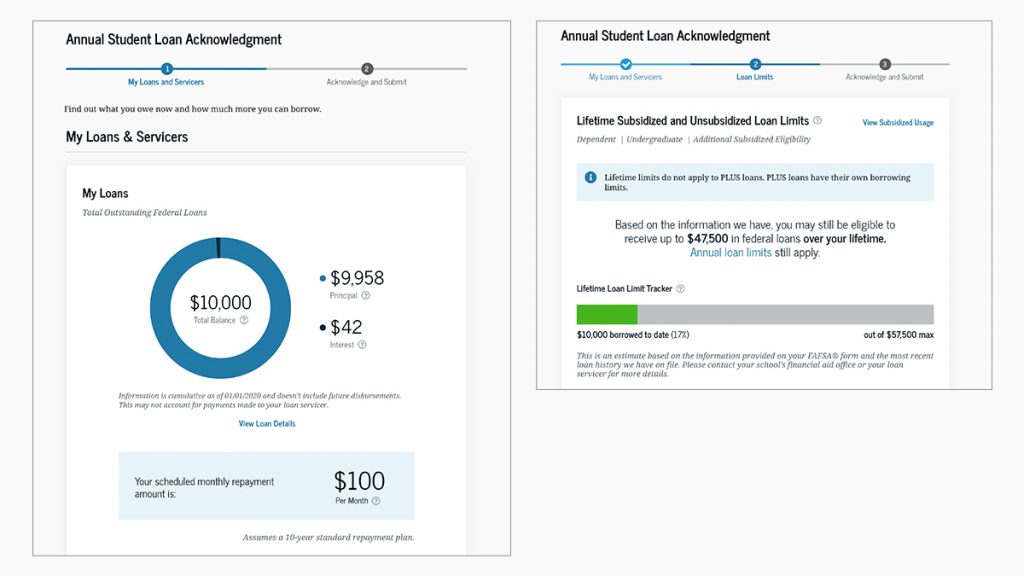
When you log in, look for the “Award Offer” or “Financial Aid Summary.” This section outlines exactly what has been offered to you for the upcoming academic year. It is important to distinguish between “Offered” and “Accepted” status. Many students mistakenly assume that because aid appears on their portal, it is ready for disbursement. In reality, federal subsidized and unsubsidized loans usually require the student to manually “Accept” the funds and complete Entrance Counseling and a Master Promissory Note (MPN). Failing to move your status from “Offered” to “Accepted” is a common financial pitfall that can lead to late fees on your tuition bill.
Decoding the Disbursement Schedule
Checking your status also involves understanding the timing of capital flow. Your portal should list “Disbursement Dates.” This is the date the school expects to receive the funds and apply them to your account. In the context of personal finance, knowing these dates is crucial for cash flow management. If your aid exceeds your institutional charges, the school will issue a “refund.” Monitoring your status allows you to predict when these surplus funds will hit your bank account, enabling you to budget for off-campus housing, books, and other living expenses without relying on high-interest credit cards.
Proactive Steps to Prevent Processing Delays
A “Pending” status can be the bane of a student’s financial stability. Understanding why aid might be stalled is essential for maintaining your financial aid eligibility throughout your degree.
Navigating the Verification Process
Approximately one-third of FAFSA applicants are selected for a process called “Verification.” This is essentially a financial audit conducted by the university to ensure the data provided on the FAFSA is accurate. If your status is listed as “Pending Verification,” you must act swiftly. You may be required to provide IRS Tax Return Transcripts, W-2 forms, or statements of non-filing.
From a strategic standpoint, the verification process should be handled with the same precision as a tax filing. Discrepancies found during verification can lead to a recalculation of your SAI, which could increase or decrease your aid package. Regularly checking your student email and your portal’s “To-Do List” or “Action Items” section is the only way to ensure that verification does not stall your funding.
Satisfactory Academic Progress (SAP) Requirements
Financial aid is not just based on financial need; it is also contingent upon academic performance. To keep your financial aid status as “Eligible,” you must meet Satisfactory Academic Progress (SAP) standards. These generally include maintaining a minimum GPA (usually 2.0) and completing a certain percentage of the credits you attempt.
At the end of each semester, it is wise to check your “SAP Status” within the financial aid portal. If you fall below the requirements, your status may change to “Financial Aid Warning” or “Ineligible.” Being proactive here allows you to file an appeal based on extenuating circumstances before the next tuition bill is due, protecting your educational investment from sudden interruption.
Troubleshooting and Optimizing Your Financial Package
Checking your status is not merely a passive activity; it is an opportunity to optimize your financial position. If the status or the amount offered does not align with your financial needs, there are several avenues for adjustment.
Addressing Conflicting Information
Sometimes, a status check reveals “Conflicting Information,” which occurs when data on your FAFSA contradicts data held by the university (e.g., citizenship status, marital status, or veteran status). Resolving these issues often requires submitting legal documentation to the financial aid office. Until these conflicts are cleared, no aid can be disbursed. This highlights the importance of consistency in your financial record-keeping.
The Power of the Financial Aid Appeal
If your status check reveals an award package that is insufficient to cover the Cost of Attendance (COA), you should consider a “Financial Aid Appeal” or “Re-evaluation Request.” This is a formal process where you ask the financial aid office to reconsider your package based on new information. In the world of finance, this is essentially a negotiation.
By providing documentation of unexpected financial burdens, you can often move your status from a standard package to a more robust one that includes additional institutional grants. Always check the status of your appeal through the same institutional portals to ensure the committee has all the necessary documents to make a favorable decision.

Integrating Financial Aid Tracking into Your Wealth Strategy
Viewing financial aid status checks as a routine financial chore rather than an academic one can shift your perspective on debt management. Your financial aid status is, in effect, a snapshot of your educational liabilities and assets.
By staying informed on your status, you avoid the “hidden costs” of higher education—interest on emergency loans, late fees from the bursar, and the stress of financial uncertainty. A student who monitors their aid status is a student who is in control of their financial future. They know when to expect refunds, they understand the terms of the capital they are borrowing, and they ensure that every dollar allocated for their education is utilized efficiently.
In conclusion, checking your financial aid status is a multi-layered process involving federal portals, institutional systems, and a keen eye for detail. By mastering the FSA dashboard, staying on top of school-specific requirements, and navigating verification with professional diligence, you can secure the funding necessary to achieve your academic and professional goals. Treat your financial aid with the same rigor you would treat an investment portfolio, for it is exactly that: an investment in your most valuable asset—yourself.
aViewFromTheCave is a participant in the Amazon Services LLC Associates Program, an affiliate advertising program designed to provide a means for sites to earn advertising fees by advertising and linking to Amazon.com. Amazon, the Amazon logo, AmazonSupply, and the AmazonSupply logo are trademarks of Amazon.com, Inc. or its affiliates. As an Amazon Associate we earn affiliate commissions from qualifying purchases.