
Navigating the landscape of higher education financing is often as complex as the degree programs themselves. For many graduates, the transition from the classroom to the workforce is accompanied by the daunting reality of student debt. Understanding exactly what you owe is the foundational step in any successful personal finance strategy. Without a clear picture of your total balance, interest rates, and loan types, it is impossible to create an effective repayment plan, optimize your monthly budget, or take advantage of forgiveness programs.
Checking your student loan balance is more than just looking at a single number; it requires a systematic approach to identifying every creditor and servicer involved in your financial history. Whether you hold federal loans, private loans, or a combination of both, this guide provides a comprehensive roadmap to uncovering your current balance and organizing your debt for long-term financial health.
Accessing Federal Student Loan Information
The vast majority of student debt in the United States is held by the federal government. Because these loans are funded by taxpayers and managed by the Department of Education, there is a centralized system designed to help borrowers track their obligations.
The Role of StudentAid.gov and the FSA ID
The primary resource for any federal borrower is the Federal Student Aid (FSA) website. This portal acts as a central clearinghouse for all federal loan data, including Direct Subsidized and Unsubsidized Loans, PLUS Loans, and Perkins Loans.
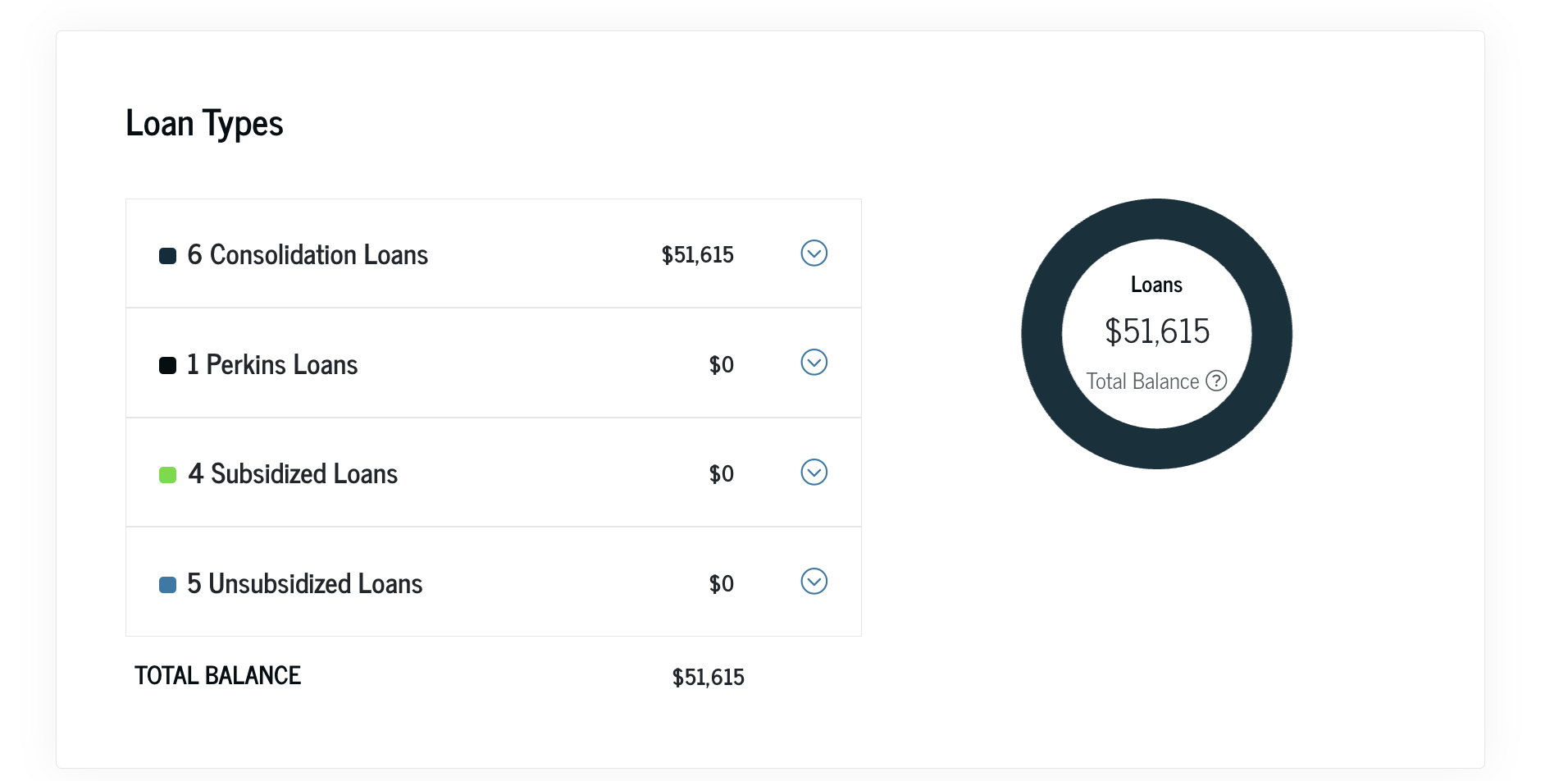
To check your balance, you must first log in using your FSA ID—a username and password combination that serves as your legal signature. If you have not accessed your account since graduation, you may need to recover your credentials or create a new ID. Once logged in, the dashboard provides a “My Aid” summary. This snapshot displays your total remaining principal, the total amount of interest accrued to date, and the specific types of loans you have.
Identifying Your Loan Servicer
While the Department of Education owns your federal loans, they do not typically handle the day-to-day billing. Instead, they assign your debt to third-party companies known as loan servicers. Common servicers include companies like Nelnet, MOHELA, and EdFinancial.
Your StudentAid.gov dashboard will list the specific servicer assigned to each of your loans. It is crucial to create an account directly on your servicer’s website. While the federal portal provides a broad overview, your servicer’s site offers real-time data, including:
-
Your exact payoff amount (which includes daily interest accrual).
-
Your current repayment plan (e.g., Standard, Income-Driven, or Extended).
-
A history of your past payments and how they were applied to principal versus interest.
Understanding the Data Lag
It is important to note that the balance shown on StudentAid.gov may not always match the balance shown on your servicer’s website. Federal data systems often experience a reporting lag of 30 to 90 days. For the most accurate, up-to-the-minute balance—especially if you are planning to make a large lump-sum payment—always rely on the figures provided by your individual loan servicer.
Uncovering Private Student Loan Balances
Private student loans are issued by banks, credit unions, and online lenders rather than the federal government. Because there is no centralized federal database for private debt, tracking these balances requires a more proactive approach.
Utilizing Your Credit Report
If you are unsure who holds your private student loans, the most effective tool at your disposal is your credit report. By law, every consumer is entitled to a free credit report from each of the three major credit bureaus—Equifax, Experian, and TransUnion—via AnnualCreditReport.com.
When you review your credit report, look for the “Account Information” or “Tradelines” section. This will list every open credit account in your name. Private student loans will appear here, listing the name of the original lender (such as Sallie Mae, SoFi, or Discover) and the current balance reported to the bureau. This report will also indicate if any loans have fallen into delinquency or have been sold to a collection agency, which is vital information for repairing your financial standing.
Reviewing the Original Promissory Note
If your credit report is unclear, refer back to your personal records. Every student loan is governed by a promissory note—the legal contract you signed when you accepted the funds. These documents contain the original loan amount, the interest rate terms (fixed or variable), and the contact information for the lender. If you do not have physical copies, check your email archives for digital signatures or “Welcome” letters from the time you were in school.
Contacting Your School’s Financial Aid Office
If you are still struggling to locate a specific loan, contact the financial aid office of the institution you attended. They maintain records of all financial aid packages processed during your enrollment. While they may not have your current balance, they can provide a list of the lenders who disbursed funds to your student account, giving you a starting point for your search.
Interpreting Your Balance: Principal vs. Interest
Once you have identified your total balance, it is essential to understand what those numbers represent. A student loan balance is a dynamic figure that changes daily due to the way interest is calculated.

The Impact of Daily Interest Accrual
Most student loans use a simple interest formula, but interest is typically calculated on a daily basis. To understand how your balance grows, you can use the following formula:
(Outstanding Principal × Interest Rate) / 365 = Daily Interest Amount.
Because interest accrues every day, the balance you see on Monday will be slightly lower than the balance you see on Friday. When you request a “payoff amount” from a lender, they calculate the interest that will accrue between the day of the request and the day they expect to receive your payment.
Capitalized Interest and Its Consequences
One of the most significant factors in a ballooning student loan balance is interest capitalization. This occurs when unpaid interest is added to the principal balance of the loan. Once capitalized, you begin paying interest on top of interest, effectively compounding your debt.
Capitalization typically happens at the end of a grace period, at the end of a deferment or forbearance, or when you switch repayment plans. By checking your balance regularly, you can identify when interest is accruing and choose to pay it off before it capitalizes, potentially saving thousands of dollars over the life of the loan.
Fixed vs. Variable Interest Rates
As you check your balance, take note of whether your interest rates are fixed or variable. Federal loans issued after 2006 generally have fixed rates, meaning your balance grows at a predictable pace. Private loans, however, often feature variable rates tied to market benchmarks like the SOFR (Secured Overnight Financing Rate). In a rising interest rate environment, a variable-rate loan balance can become significantly more expensive to manage, necessitating a more aggressive repayment strategy or a refinance into a fixed-rate product.
Financial Tools for Managing and Tracking Debt
Once you have gathered your balance information from various sources, the next step in professional financial management is consolidation of that data into a single, actionable view.
Debt Management Apps and Spreadsheets
Relying on multiple logins for different servicers is inefficient and can lead to missed payments. Many personal finance tools, such as Empower, Mint (or its successors), and YNAB (You Need A Budget), allow you to link your loan accounts directly. These apps aggregate your balances in real-time, providing a “Net Worth” view that accounts for your debt.
For those who prefer a more manual approach, creating a debt “Master Spreadsheet” is a best practice. This sheet should include:
-
The name of the lender/servicer.
-
The total balance.
-
The interest rate.
-
The minimum monthly payment.
-
The loan status (e.g., in-repayment, grace, or deferment).
The Debt-to-Income Ratio (DTI)
Knowing your student loan balance is critical for understanding your Debt-to-Income (DTI) ratio. This is a metric used by mortgage lenders and other financial institutions to determine your creditworthiness. By dividing your total monthly debt payments by your gross monthly income, you can see how much of your earnings are “tethered” to your past education. Keeping a close eye on your balance helps you manage this ratio, ensuring you remain eligible for future financial milestones like buying a home or starting a business.
Strategic Next Steps After Checking Your Balance
After successfully identifying your student loan balance, you are positioned to make informed decisions about your financial future. Knowledge is the precursor to action.
Evaluating Forgiveness and Discharge Programs
If your federal balance is higher than anticipated, investigate whether you qualify for Public Service Loan Forgiveness (PSLF) or Income-Driven Repayment (IDR) forgiveness. These programs can potentially eliminate the remaining balance after a set number of qualifying payments. However, they require meticulous record-keeping and annual certification, making it even more important to monitor your balance and payment count regularly.
Consolidation vs. Refinancing
If you are managing multiple loans with varying interest rates, you may consider consolidation or refinancing. Federal Loan Consolidation combines multiple federal loans into one, simplifying your monthly payment but not necessarily lowering your interest rate. Private Refinancing involves taking out a new loan with a private lender to pay off your existing loans, ideally at a lower interest rate.
Before pursuing these options, you must have a firm grasp of your current balances. Refinancing federal loans into private ones means losing access to federal protections like income-driven repayment and COVID-19-style payment pauses. Therefore, checking your balance and loan types is the only way to weigh the risks against the potential interest savings.

Developing a Repayment Philosophy
Finally, knowing your balance allows you to choose between popular repayment methods like the “Debt Snowball” (paying off the smallest balances first for psychological wins) or the “Debt Avalanche” (targeting the highest interest rates first to save the most money).
Monitoring your student loan balance is not a one-time task; it is a recurring financial ritual. By staying engaged with your debt, you move from a position of financial uncertainty to one of strategic control, ensuring that your education remains an investment in your future rather than a permanent weight on your finances.
aViewFromTheCave is a participant in the Amazon Services LLC Associates Program, an affiliate advertising program designed to provide a means for sites to earn advertising fees by advertising and linking to Amazon.com. Amazon, the Amazon logo, AmazonSupply, and the AmazonSupply logo are trademarks of Amazon.com, Inc. or its affiliates. As an Amazon Associate we earn affiliate commissions from qualifying purchases.