
Navigating the landscape of higher education often involves a complex web of financial obligations. For many graduates, the transition from the classroom to the workforce is accompanied by the realization that their student debt is spread across multiple platforms, lenders, and servicers. Understanding exactly how much you owe, who you owe it to, and what the terms of those loans are is the foundational step toward achieving financial independence.
Ignoring student debt does not make it disappear; in fact, lack of visibility is often the primary driver of financial stress and missed opportunities for forgiveness or lower interest rates. Whether you are preparing to make your first payment or looking to consolidate your debt, here is the definitive guide on how to see your student loans and organize your personal finances.
Locating Your Federal Student Loans
The vast majority of student loans in the United States are issued by the federal government. Because these loans are funded by taxpayers and managed by the Department of Education, they are tracked in a centralized database. This makes federal loans significantly easier to locate than their private counterparts.
Utilizing StudentAid.gov
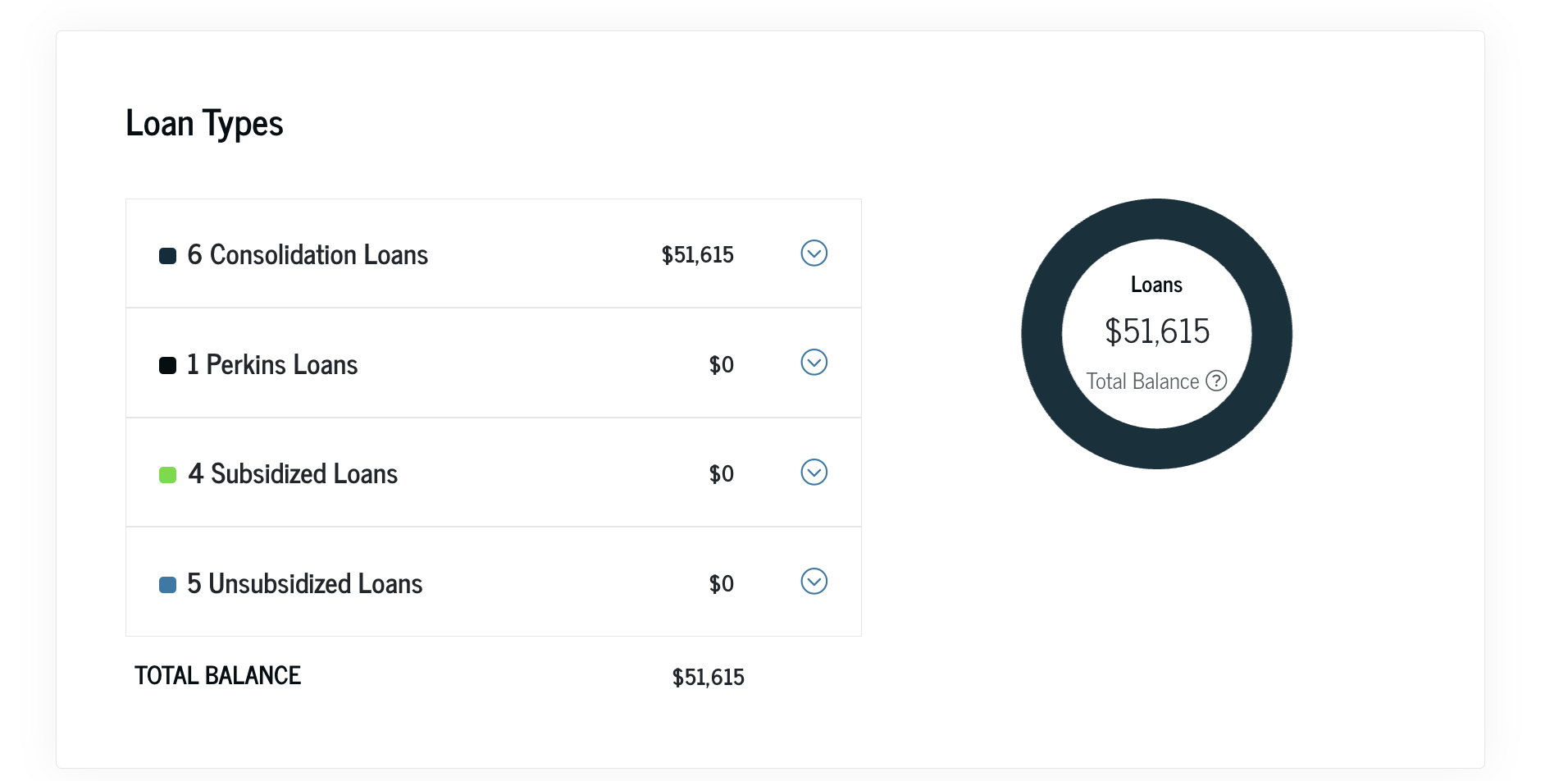
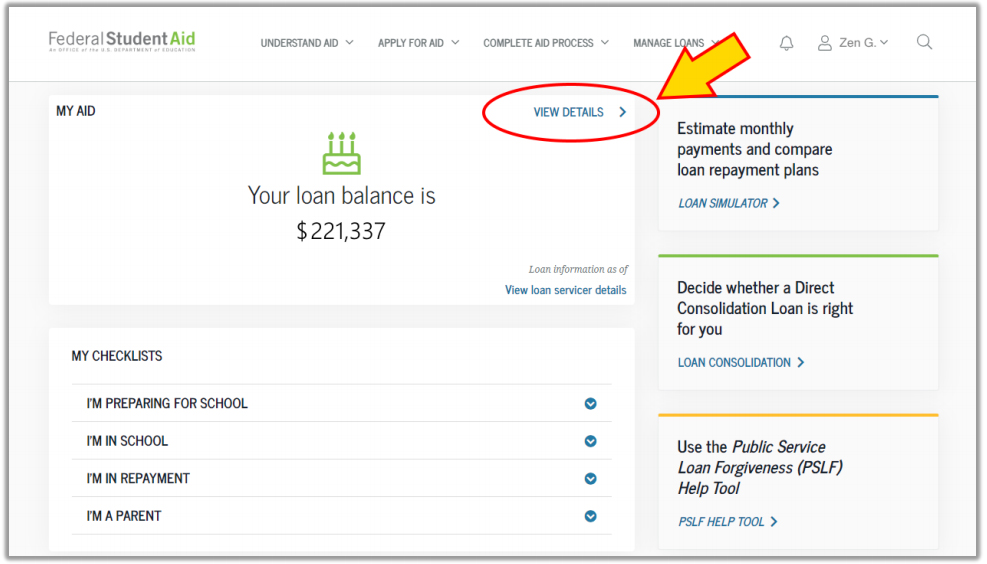
The most reliable way to see your federal student loans is through the official Federal Student Aid (FSA) website. This portal acts as a central repository for every federal loan you have ever taken out, including Direct Subsidized and Unsubsidized Loans, PLUS Loans, and even older Perkins Loans.
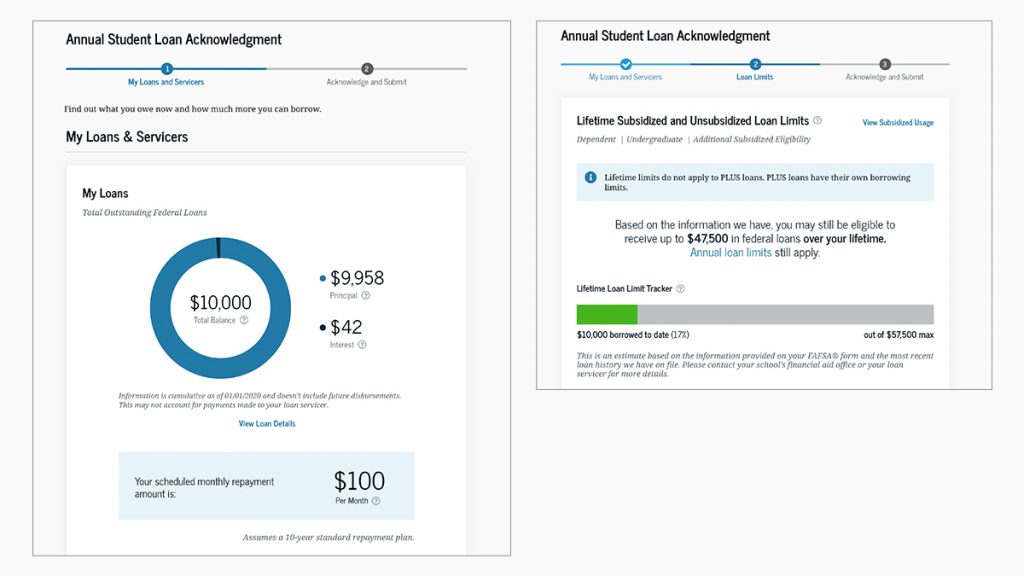
To access your information, you will need your FSA ID—a username and password combination used to sign all legal documents related to your financial aid. If you have forgotten your credentials, the site offers recovery options via email or mobile phone. Once logged in, your “Dashboard” provides a high-level summary of your total outstanding balance, including both principal and accrued interest.
Identifying Your Loan Servicer
While the federal government provides the funds for your loans, they do not typically manage the day-to-day billing. Instead, they assign your debt to a third-party organization known as a loan servicer. Common servicers include companies like Nelnet, MOHELA, and EdFinancial.
Within the StudentAid.gov dashboard, you can view the specific servicer assigned to each loan. This is crucial because your servicer is the entity you will actually pay. You should create an account on the servicer’s specific website to view your monthly statements, change your repayment plan, or apply for deferment. Keeping your contact information updated with your servicer ensures you never miss a critical notice regarding interest rate changes or payment deadlines.
Understanding Loan Types and Status
When viewing your federal debt, it is important to distinguish between loan types. Subsidized loans do not accrue interest while you are in school at least half-time, whereas unsubsidized loans begin accruing interest the moment the funds are disbursed. Your dashboard will also indicate your loan status, such as “In School,” “Grace Period,” “Repayment,” or “Forbearance.” Understanding these statuses helps you anticipate when your first bill will arrive.
Tracking Down Private Student Loans
Unlike federal loans, private student loans are not tracked in a single government database. These loans are issued by banks, credit unions, and online lenders like SoFi, Sallie Mae, or Discover. If you took out private loans years ago and have lost track of the paperwork, finding them requires a more investigative approach.
Reviewing Your Credit Report
The most effective way to see all your private student loans is to pull a copy of your credit report. Lenders almost always report student loan accounts to the three major credit bureaus: Equifax, Experian, and TransUnion. By law, you are entitled to a free credit report from each of these bureaus once a year via AnnualCreditReport.com.
When you review your report, look for the “Account History” or “Trade Lines” section. You will see the names of the lending institutions, the original loan amounts, the current balances, and your payment history. This is often the only way to discover old loans that may have been sold from one bank to another.
Searching Financial Records and Communications
If your credit report shows a lender name you don’t recognize, or if you want to verify the details, search your email archives for keywords like “promissory note,” “disbursement,” or “student loan.” Most private lenders transition to digital communication early in the process.
Additionally, check your bank statements from your time in college. Look for recurring deposits that coincide with the start of a semester. These “refund checks” (the remaining balance of a loan after tuition is paid) can often lead you back to the source of the funding. If all else fails, contact the financial aid office of the college you attended. They maintain records of every loan certified by the school and can provide a list of lenders that sent funds on your behalf.
Analyzing Your Loan Details for Financial Planning
Once you have a complete list of your federal and private loans, the next step is to organize the data into a usable format. Seeing the balance is only half the battle; understanding the mechanics of the debt is what allows for strategic repayment.
The Impact of Interest Rates
Not all debt is created equal. When viewing your loans, pay close attention to whether the interest rates are fixed or variable. Federal loans typically have fixed rates, meaning your payment remains predictable. Private loans, however, often feature variable rates that fluctuate based on market conditions.
List your loans in order of interest rate, from highest to lowest. This is the foundation of the “Debt Avalanche” method, where you focus on paying off the most expensive debt first to save money over the long term. Even a 1% difference in an interest rate can result in thousands of dollars of extra cost over the life of a ten-year loan.
Total Balance vs. Payoff Amount
It is a common mistake to assume that the “current balance” shown on your statement is the exact amount needed to close the account. Because interest accrues daily, your “payoff amount” is usually slightly higher than the balance you see on the screen. If you are planning to pay a loan in full, always request an official payoff quote from the lender, which calculates the interest through a specific future date.
Evaluating Repayment Term Lengths
Check the maturity date of each loan. Standard federal repayment plans are 10 years, but extended or income-driven plans can stretch to 20 or 25 years. Knowing your timeline is essential for long-term budgeting. If you find that your total monthly obligation across all loans exceeds your current income, seeing these details clearly allows you to investigate consolidation or refinancing options before you fall into delinquency.
Tools for Ongoing Management and Visibility
Checking your student loans once is not enough. To maintain financial health, you need a system that provides ongoing visibility into your debt-to-income ratio and your progress toward zero.
Financial Consolidation Apps
Modern personal finance tools allow you to sync your student loan accounts directly into an interface alongside your checking, savings, and investment accounts. Apps like Empower (formerly Personal Capital) or specialized debt-tracking software can pull real-time data from your loan servicers. This provides a holistic view of your net worth, allowing you to see how each loan payment increases your overall financial standing.
Creating a Custom Debt Dashboard
For those who prefer a hands-on approach, a customized spreadsheet is often the best tool. Create columns for the lender name, account number, current balance, interest rate, minimum payment, and loan type. Update this spreadsheet on the first of every month. This manual process forces you to confront the numbers, making you more mindful of your spending and more motivated to make extra payments when possible.
The Role of Credit Monitoring Services
Services like Credit Karma or those offered by your credit card provider offer “soft pull” updates on your credit profile. While these are not as detailed as a full credit report, they are excellent for monitoring your private student loan balances. If a loan is sold to a new servicer, these services will often alert you to a “new account” or a “closed account,” serving as an early warning system to help you keep your records current.
Strategic Next Steps After Gaining Visibility
Gaining visibility into your student loans is a psychological victory, but it must be followed by action. Once you can see the full scope of your debt, you can begin to leverage the financial tools available to you.
Exploring Income-Driven Repayment (IDR)
If your federal loan balances are high relative to your salary, visibility allows you to accurately calculate your eligibility for IDR plans. Plans like SAVE (Saving on a Valuable Education) can significantly lower your monthly payments and, in some cases, prevent interest from growing if your payment doesn’t cover it. You cannot effectively apply for these programs without first knowing your exact loan types and servicers.
Assessing Refinancing Opportunities
For private loans, seeing your interest rates in black and white may reveal that you are paying far too much. If your credit score has improved since graduation, you may be able to refinance those private loans into a single loan with a lower interest rate. However, be cautious: refinancing federal loans into private ones means losing government protections like Public Service Loan Forgiveness (PSLF) and deferment options. Visibility ensures you don’t make this trade-off blindly.
Setting Milestones
Finally, use your newfound visibility to set emotional and financial milestones. Seeing a loan balance drop below the five-figure mark or watching the total interest paid decrease over time provides the positive reinforcement necessary to stay the course. By knowing exactly where you stand, you transform a source of anxiety into a manageable financial project, moving one step closer to a debt-free future.
aViewFromTheCave is a participant in the Amazon Services LLC Associates Program, an affiliate advertising program designed to provide a means for sites to earn advertising fees by advertising and linking to Amazon.com. Amazon, the Amazon logo, AmazonSupply, and the AmazonSupply logo are trademarks of Amazon.com, Inc. or its affiliates. As an Amazon Associate we earn affiliate commissions from qualifying purchases.