
Navigating the landscape of higher education financing can be as complex as the coursework itself. For many graduates, the period following commencement is filled with a mixture of excitement for the future and the sober reality of debt management. Central to this management is a single, vital entity: your loan servicer. Knowing who handles your debt is the first and most critical step in maintaining financial health, protecting your credit score, and ensuring you are on the path toward total debt elimination.
A student loan servicer is a private company contracted by the Department of Education or a private lender to handle the billing and other services on your student loan. They are the middlemen between you and the entity that provided the funds. Because these contracts can change and loans can be sold or transferred, many borrowers find themselves unsure of where to send their payments or whom to contact for assistance. This guide provides a comprehensive roadmap for identifying your servicer, whether your loans are federal or private.
Understanding the Role of the Student Loan Servicer
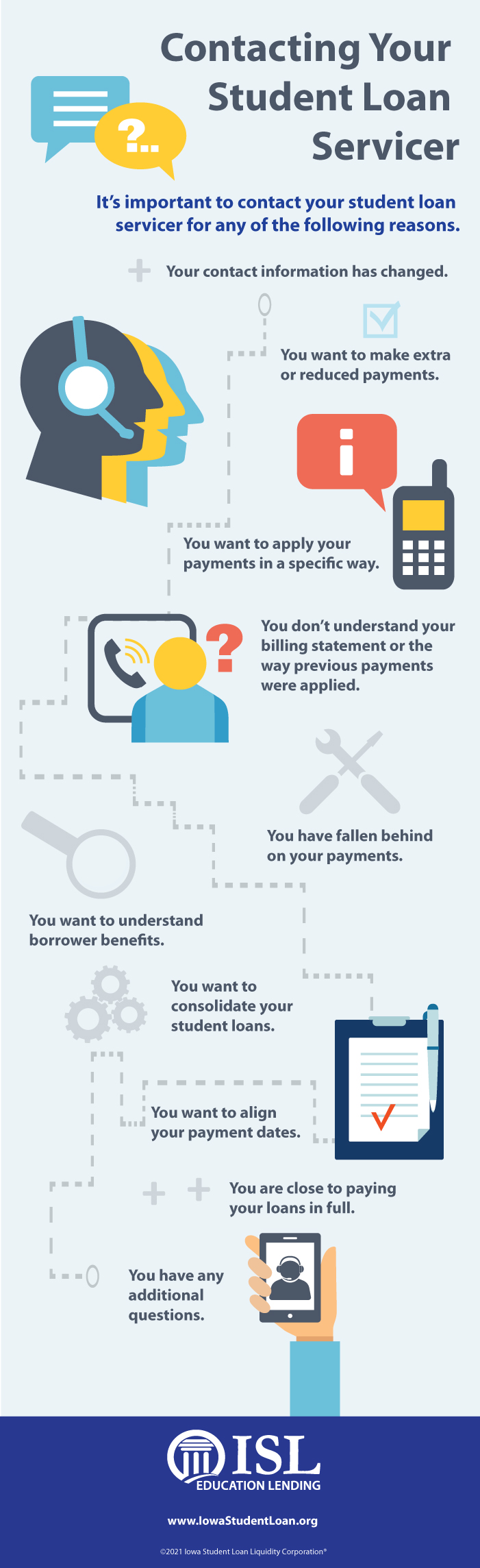
Before diving into the “how” of finding your servicer, it is essential to understand the “what” and “why.” A loan servicer is not your lender; rather, they are the administrative arm of your debt. Their responsibilities include processing your monthly payments, managing your repayment plan, and assisting you with applications for deferment, forbearance, or loan forgiveness programs.
The Difference Between Lenders and Servicers
In the world of federal student loans, the lender is almost always the U.S. Department of Education. However, the Department does not have the infrastructure to manage millions of individual accounts. Therefore, they outsource this task to specialized companies. In the private sector, the lender might be a bank like Chase or a specialized firm like Sallie Mae, and they may either service the loan themselves or hire a third party.
Distinguishing between the two is vital for effective personal finance. If you have a question about the terms of your loan, you look to the lender. If you have a question about how to make a payment or change your due date, you contact the servicer.
Why Your Servicer Might Change
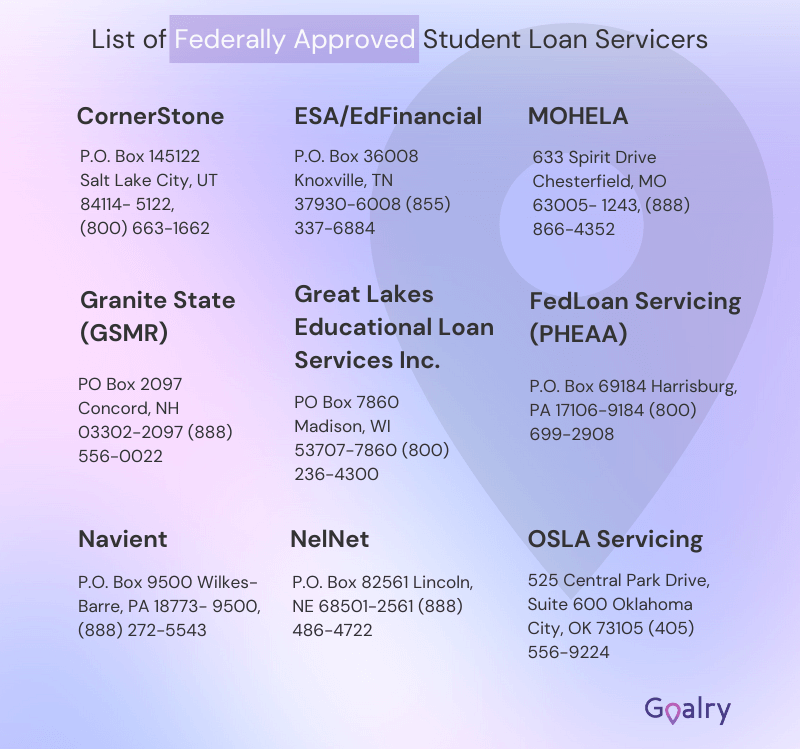
One of the most confusing aspects of student loan management is that your servicer can change without your direct consent. The Department of Education frequently updates its contracts with servicing companies. For example, in recent years, major shifts have occurred as companies like Navient and FedLoan Servicing exited the federal marketplace, transferring millions of accounts to providers like MOHELA, EdFinancial, and Nelnet.
When these transfers happen, your loan terms do not change, but your login credentials and the address for your payments do. Being proactive in identifying your servicer ensures that you do not miss a payment during such a transition, which could negatively impact your credit history.
Step-by-Step Guide to Locating Your Federal Loan Servicer
The vast majority of student loans in the United States are federal. If you took out a Direct Loan, a Stafford Loan, or a PLUS Loan, your debt is managed by the federal government. Fortunately, the government maintains a centralized database that makes finding your servicer relatively straightforward.
Using the Federal Student Aid (FSA) Dashboard
The most reliable way to find your federal loan servicer is through the official Federal Student Aid website. Follow these steps:
-
Visit StudentAid.gov: This is the central hub for all federal student aid information.
-
Log In with Your FSA ID: You will need the username and password you created when you first applied for FAFSA. If you have forgotten your credentials, there are prompts to recover them via email or phone.
-
Navigate to “My Aid”: Once logged in, you will see a dashboard that summarizes your total loan balance and grant totals.
-
View Loan Details: Click on the “View Details” button. This section provides a breakdown of every individual loan you have taken out.
-
Identify the Servicer: Scroll down to the “Loan Servicers” section. This will list the name and contact information of the company assigned to your account.
This dashboard is updated regularly and serves as the “single source of truth” for federal debt. If you see multiple servicers listed, it means your loans have been split, and you will need to manage accounts with each of them.
Contacting the Federal Student Aid Information Center (FSAIC)
If you encounter technical issues with the website or cannot access your FSA ID, you can use the traditional method of calling the Federal Student Aid Information Center. By calling 1-800-4-FED-AID (1-800-433-3243), you can speak with a representative who can verify your identity and provide you with the name of your servicer over the phone. This is particularly useful for older loans that may not have been fully integrated into the modern digital dashboard.
How to Find Your Private Student Loan Servicer
Private student loans operate differently than federal ones. They are not tracked by the Department of Education, meaning StudentAid.gov will not have any record of them. If you took out a loan through a bank, credit union, or online lender, you must use a different set of tools to track them down.
Reviewing Your Credit Report
Since private student loans are a form of consumer credit, they are reported to the three major credit bureaus: Equifax, Experian, and TransUnion. Your credit report is the most effective tool for finding private debt.
Under the Fair Credit Reporting Act, you are entitled to a free credit report from each bureau every year via AnnualCreditReport.com. Once you obtain your report, look for the “Accounts” or “Tradelines” section. You will see a list of all open credit accounts. Look for names that sound like financial institutions or student loan companies. The report will list the name of the company reporting the debt, their contact information, and your current balance.
Checking Bank Statements and Email History
If you have been making payments but simply forgot the name of the company, your financial paper trail is your best friend. Search your bank account history for keywords like “Student Loan,” “Payment,” or names of common servicers like SoFi, Earnest, or Laurel Road.
Additionally, search your email archives. Use search terms such as “promissory note,” “loan disclosure,” or “repayment schedule.” Private lenders are required by law to send you disclosures and annual statements. Even if the loan is currently in a grace period or deferment, there should be an introductory email from when the funds were first disbursed.
Common Challenges and Solutions in Servicer Identification
Even with a clear plan, identifying a servicer can sometimes lead to roadblocks. Mergers, acquisitions, and the sheer volume of paperwork can create confusion.
Managing Multiple Servicers
It is common for a borrower to have some loans serviced by one company and others by another. This often happens when a student attends undergraduate and graduate school at different times or when they mix federal and private loans.
The danger of multiple servicers is the increased risk of a missed payment. Each servicer has its own due date and its own web portal. If you find yourself in this situation, you might consider “Loan Consolidation.” For federal loans, a Direct Consolidation Loan allows you to combine all your federal debts into a single loan with a single servicer. For private loans, “Refinancing” serves a similar purpose, though it requires a credit check and may change your interest rates.
Dealing with Recent Servicer Transfers
As mentioned previously, servicer transfers are common. If your loan was recently moved, you might receive mail from a company you don’t recognize. Do not ignore this mail, assuming it is a solicitation.
When a transfer occurs, the “Old” servicer is required to notify you at least 15 days before the transfer, and the “New” servicer must notify you within 15 days after the transfer. These notices will include the date the old servicer will stop accepting payments and the date the new one begins. During this transition, there is usually a 60-day “grace period” where you cannot be charged a late fee if you accidentally send a payment to the old servicer. However, it is best to update your records immediately to avoid complications.
Next Steps After Locating Your Servicer
Finding your servicer is only the beginning. Once you have identified who they are, you must take active steps to establish a relationship with them to ensure your financial security.
Setting Up Your Online Account
As soon as you know your servicer, visit their website and create an online account. Do not wait for the first bill to arrive. Within the portal, you should:
-
Verify Contact Information: Ensure your email, physical address, and phone number are correct.
-
Review Loan Terms: Check your interest rates, the type of loans you have (subsidized vs. unsubsidized), and your projected payoff date.
-
Enroll in Auto-Pay: Most federal and private servicers offer a 0.25% interest rate reduction if you sign up for automatic debit. Over the life of a loan, this can save you thousands of dollars.
Selecting the Right Repayment Plan
Your servicer is your primary resource for choosing a repayment plan. If you have federal loans, you are automatically placed on the Standard Repayment Plan (10 years of fixed payments). However, if that payment is too high, your servicer can help you switch to an Income-Driven Repayment (IDR) plan, such as the SAVE plan. These plans cap your monthly payment at a percentage of your discretionary income and can even lead to loan forgiveness after 20 or 25 years of qualifying payments.
For private loans, options are more limited, but your servicer may offer temporary interest-only payments or hardship deferments if you are struggling. The key is to communicate with the servicer before you miss a payment. Once a payment is missed, your options become significantly more restricted, and the damage to your credit score begins.

Document Everything
In the world of personal finance, documentation is your greatest defense. Keep a digital or physical folder of every communication you have with your servicer. If you call them, write down the date, the time, the name of the representative you spoke with, and a summary of the conversation. If you apply for a program like Public Service Loan Forgiveness (PSLF), keep copies of your certification forms. Servicers are large corporations that make mistakes; having a paper trail ensures that you can hold them accountable and protect your financial interests.
By taking the time to identify your loan servicer and engage with them proactively, you transform from a passive debtor into an active manager of your financial future. Whether you are just starting your career or are well into your professional journey, clarity regarding your student debt is a cornerstone of long-term wealth building.
aViewFromTheCave is a participant in the Amazon Services LLC Associates Program, an affiliate advertising program designed to provide a means for sites to earn advertising fees by advertising and linking to Amazon.com. Amazon, the Amazon logo, AmazonSupply, and the AmazonSupply logo are trademarks of Amazon.com, Inc. or its affiliates. As an Amazon Associate we earn affiliate commissions from qualifying purchases.