
The term “array” might initially conjure images of complex lines of code, a concept confined to the realm of software developers and computer scientists. However, the underlying principle of an array – a structured collection of similar items – is a fundamental building block that permeates various aspects of our digital and even physical world. This article will explore the concept of an array, delving into its definition, its significance across technology, branding, and even personal finance, and how understanding this core idea can unlock new levels of productivity and strategic thinking.

The Core Concept: A Structured Collection
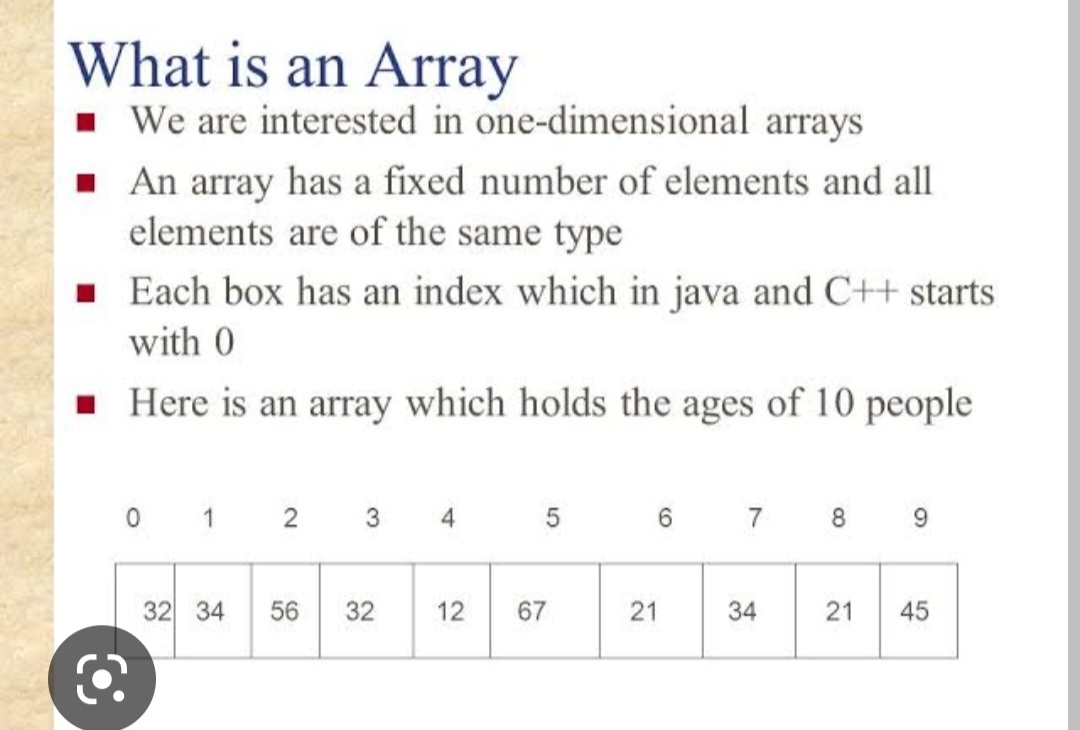
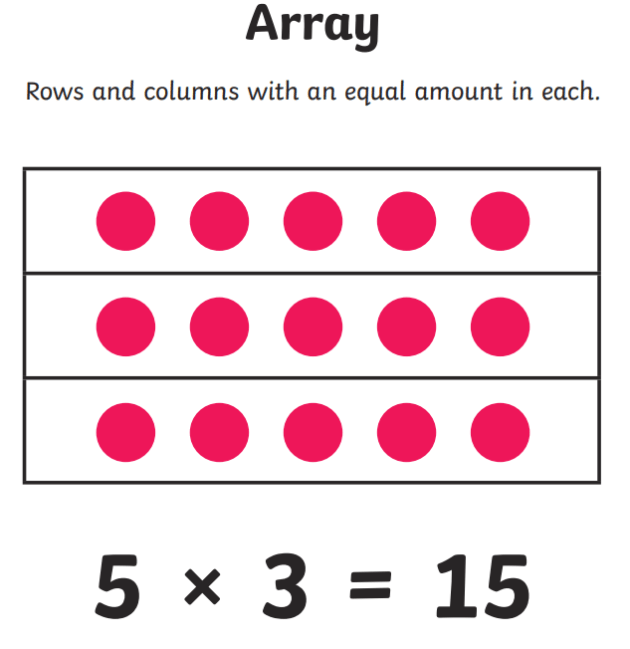
At its heart, an array is simply an ordered collection of elements, where each element shares a common characteristic or type. Think of it like a row of mailboxes, each numbered sequentially, holding letters. Or a set of identical shelves in a library, each holding books. The key is that the elements are organized, accessible, and often of the same kind.
In the Digital Realm: The Foundation of Data
Within the Tech landscape, arrays are ubiquitous. They are fundamental data structures used to store and manipulate information efficiently.
-
In Programming: When developers write software, they frequently use arrays to hold lists of data. For example, a list of user names, a series of sensor readings from a smart device, or the pixels that make up an image are all likely stored in arrays. This organization allows for rapid access to individual pieces of information. Imagine needing to find the 100th customer in a database; if the customer data is stored in an array, accessing that specific customer is a swift, direct operation.
-
In Databases: Databases, the backbone of most digital applications, often use array-like structures to organize records. Think of a table in a spreadsheet; each row represents an item (like a product or an employee), and each column represents an attribute (like price or name). While not always explicitly called an “array” in the database context, the underlying principle of organized, indexed data is very similar.
-
In AI and Machine Learning: Artificial intelligence and machine learning algorithms rely heavily on arrays to process vast amounts of data. Images, text, audio – all are broken down into numerical representations, often stored and manipulated as arrays. A machine learning model trained to recognize faces, for instance, will process an image as a multi-dimensional array of pixel values.
Beyond the Code: Analogies in the Real World
While the term “array” is most formally defined in computer science, its conceptual essence can be found in many real-world scenarios, helping to solidify its understanding.
-
A Deck of Cards: A standard deck of cards is an array of 52 unique items, ordered by suit and rank. You can easily access the third card from the top, or the Ace of Spades.
-
A Grocery List: When you write a grocery list, you’re creating an array of items you need to purchase. While not indexed numerically in the same way as a digital array, the order and the list itself represent an organized collection.
-
A Calendar: A calendar is a chronological array of days, weeks, and months. Each day is a distinct element with its own associated events or appointments.
These everyday examples highlight how the concept of organizing and accessing related items is intuitive and widely applicable.
The Power of Arrays in Technology
In the Tech sphere, understanding arrays unlocks a deeper appreciation for how software functions, how data is managed, and how complex systems are built.
2.1. Software Development and Data Management
-
Efficiency and Performance: Arrays are incredibly efficient for tasks like searching, sorting, and accessing data. When you need to perform operations on a large dataset, using an array can significantly improve the speed and responsiveness of an application. For example, a website displaying a list of products will likely use an array to store product information, allowing for quick retrieval and display of each item.
-
Memory Management: In programming, arrays typically occupy contiguous blocks of memory, which makes them easier for the computer to manage. This contiguity contributes to their speed and efficiency.
-
Data Structures and Algorithms: Arrays are the building blocks for more complex data structures like linked lists, stacks, and queues. Mastery of arrays is a prerequisite for understanding and implementing these more advanced structures, which are crucial for solving complex computational problems.
2.2. Artificial Intelligence and Machine Learning
-
Feature Representation: In AI, raw data is often transformed into numerical features that can be processed by algorithms. These features are frequently organized into arrays. For example, in natural language processing, words can be converted into numerical vectors, which are then arranged into arrays to represent sentences or documents.
-
Training Models: Machine learning models are “trained” by feeding them large datasets. These datasets are almost always structured as arrays, allowing the algorithms to learn patterns and relationships within the data. The ability to efficiently manipulate and analyze these large arrays is critical for the development of effective AI.
-
Image and Signal Processing: Images are essentially grids of pixels, which can be represented as multi-dimensional arrays. Audio signals and other time-series data are also often processed as arrays. This allows for sophisticated operations like image filtering, noise reduction, and pattern recognition.
2.3. Productivity and Digital Tools
-
Spreadsheets: Even a simple spreadsheet is an excellent example of an array in action. Each cell can be thought of as an element, and the rows and columns provide a structured way to organize and access data. Formulas in spreadsheets leverage array operations to perform calculations across ranges of data.
-
Task Management Apps: Your to-do list within a productivity app is essentially an array of tasks. You can add new tasks, mark them as complete, or reorder them – all operations that are conceptually similar to manipulating an array.
-
Data Visualization: When you see charts and graphs, they are often generated from underlying data that is organized in arrays. The visualization tools then interpret and present this arrayed data in a visually understandable format.
Arrays in Branding and Marketing: Strategic Organization
While not as direct as in technology, the concept of an array offers valuable insights into Brand strategy and marketing efforts. Think of a brand’s assets, messages, and customer touchpoints as elements that need to be organized for maximum impact.
3.1. Brand Identity and Messaging
-
Brand Pillars: A strong brand is built on core pillars or values. These pillars can be viewed as an array of foundational concepts that guide all brand communication. For example, a technology company might have pillars like “Innovation,” “User-Friendliness,” and “Reliability.” Each pillar is an element that informs every aspect of their marketing.
-
Messaging Framework: Effective marketing requires a consistent message. This can be organized as an array of key messages tailored to different audience segments or stages of the customer journey. This ensures that the brand’s core story is delivered coherently across all platforms.
-
Visual Assets: A brand’s visual identity – logos, color palettes, typography, imagery – can be seen as an array of assets that must be consistently applied. Having a well-organized library of these assets (an “asset array”) ensures brand recognition and professionalism.
3.2. Marketing Campaigns and Customer Journeys
-
Campaign Elements: A marketing campaign is a coordinated effort with various components: social media posts, email newsletters, advertisements, landing pages. These can be conceptualized as an array of campaign elements, each with a specific purpose and timing.
-
Customer Touchpoints: Understanding the customer journey involves mapping out all the points where a customer interacts with a brand. This can be visualized as an array of touchpoints, from initial awareness to post-purchase support. By analyzing and optimizing each touchpoint, a brand can create a seamless and positive experience.
-
Content Strategy: A brand’s content strategy is an array of articles, videos, podcasts, and other resources designed to engage and inform the target audience. Organizing this content effectively, based on themes and audience needs, is crucial for its success.
Arrays in Personal Finance and Online Income: Managing Your Resources
The principles of organized collection and accessibility are equally relevant when it comes to managing Money, whether it’s personal finances or building online income streams.
4.1. Personal Finance Management
-
Budgeting Categories: A personal budget is essentially an array of spending categories (e.g., housing, food, entertainment, transportation). By systematically allocating funds to each category, you gain control over your finances.
-
Investment Portfolios: Your investment portfolio is an array of assets – stocks, bonds, mutual funds, real estate. Each asset is an element with its own risk and return profile. Diversifying your portfolio involves thoughtfully selecting and arranging these elements.
-
Financial Goals: Setting financial goals, whether it’s saving for a down payment or planning for retirement, involves creating an array of actionable steps and timelines. Each goal is an element that contributes to your overall financial well-being.
4.2. Online Income and Side Hustles
-
Revenue Streams: For those building multiple income streams, each stream can be considered an element in a broader “online income array.” This might include freelance work, affiliate marketing, selling digital products, or ad revenue. Understanding and managing each stream is vital for financial growth.
-
Skill Sets for Freelancing: If you’re a freelancer, your various skills can be viewed as an array of services you offer. Marketing yourself effectively involves showcasing this array of capabilities to potential clients.
-
Digital Assets for Sale: E-commerce entrepreneurs often build an array of digital products. This could be e-books, online courses, templates, or software. Efficiently managing and marketing this “product array” is key to online sales success.
Conclusion: Embracing the Array Principle for Success
The term “array” might originate in the technical lexicon, but its core concept – a structured, ordered collection of related items – is a powerful framework for understanding and optimizing various aspects of our lives. From the intricate workings of software and AI to the strategic execution of brand campaigns and the meticulous management of personal finances, the ability to organize, access, and manipulate these collections is paramount.
By recognizing the underlying principles of arrays, we can approach complex challenges with greater clarity and efficiency. Whether you’re a developer building the next great app, a marketer crafting a compelling brand narrative, or an individual striving for financial freedom, embracing the “array principle” can unlock new levels of productivity, strategic thinking, and ultimately, success. The next time you encounter a list, a collection, or a structured set of information, pause to consider the “array” at play – you might be surprised at how fundamental and pervasive this concept truly is.
aViewFromTheCave is a participant in the Amazon Services LLC Associates Program, an affiliate advertising program designed to provide a means for sites to earn advertising fees by advertising and linking to Amazon.com. Amazon, the Amazon logo, AmazonSupply, and the AmazonSupply logo are trademarks of Amazon.com, Inc. or its affiliates. As an Amazon Associate we earn affiliate commissions from qualifying purchases.