
The stock market today is a complex tapestry of macroeconomic data, corporate earnings reports, and shifting investor sentiment. To understand the current movement of indices like the S&P 500, the Dow Jones Industrial Average, and the Nasdaq Composite, one must look beyond the flashing red and green numbers on a screen. Today’s market environment is defined by a delicate balancing act: the cooling of historic inflation versus the resilience of the labor market, and the aggressive posturing of central banks versus the speculative fervor surrounding emerging technologies.
For the modern investor, “what is going on” is rarely a simple answer. It is a convergence of several high-stakes narratives that dictate capital flows and determine whether the market is in a phase of accumulation or distribution.
The Dominance of Monetary Policy and the Federal Reserve
At the heart of today’s market volatility is the Federal Reserve and its ongoing battle with inflation. For the better part of the last two years, the “higher for longer” interest rate mantra has been the primary driver of equity valuations. When interest rates rise, the present value of future cash flows diminishes, which particularly impacts high-growth sectors like technology.
The Pivot Narrative and Market Expectations
Investors are currently hyper-focused on the “pivot”—the moment when the Federal Reserve shifts from a restrictive monetary policy to a neutral or accommodative one. The market’s daily fluctuations are often a direct reaction to Consumer Price Index (CPI) releases or Producer Price Index (PPI) data. If inflation prints lower than expected, the market rallies on the hope of imminent rate cuts. Conversely, “sticky” inflation numbers often lead to sell-offs as traders brace for prolonged high borrowing costs.
The Yield Curve and Bond Market Signals
What is happening in the stock market is inextricably linked to the bond market. The yield on the 10-year Treasury note serves as a benchmark for various consumer loans and corporate debt. When bond yields spike, equities often struggle as the “risk-free” rate of return becomes more attractive compared to the volatile stock market. Furthermore, the phenomenon of the inverted yield curve—where short-term debt yields more than long-term debt—continues to be a point of contention among analysts, serving as a traditional, albeit currently debated, recession warning.
Corporate Earnings and the AI Revolution
While macroeconomics sets the stage, corporate earnings are the individual performers. Today’s market is increasingly bifurcated between companies that can demonstrate consistent growth and those struggling under the weight of higher operational costs.
The “Magnificent Seven” and Market Breadth
A significant portion of today’s market movement is driven by a handful of mega-cap technology stocks. These companies, often referred to as the “Magnificent Seven,” have seen their valuations soar due to their perceived dominance in the Artificial Intelligence (AI) space. The market’s overall health is often questioned when these few giants carry the indices while the “average” stock in the S&P 500 remains flat. Investors are currently looking for “market breadth”—a scenario where a wider variety of sectors, including small-caps and industrials, participate in the rally.
Guidance Over Results
In the current earnings season, a “beat” on top-line revenue and bottom-line earnings is no longer enough to guarantee a stock price increase. The market is looking forward, not backward. Today’s investors are scrutinizing corporate guidance with an intensity rarely seen before. Companies that signal caution regarding consumer spending or suggest that AI investments will take years to monetize are being punished, while those showing immediate efficiency gains through automation are being rewarded.
The Role of Consumer Discretionary Spending
The “retail” side of the economy is providing mixed signals. While high-end luxury brands and travel-related stocks have shown resilience, discount retailers and mid-tier consumer staples are reporting a “stretched” consumer. This divergence tells us a lot about the current state of the economy: wealth gaps are influencing market performance, as those with assets benefit from high interest rates on savings, while those with debt struggle with high credit card and mortgage rates.
Investor Sentiment and Technical Indicators
The stock market is not just a reflection of math; it is a reflection of human psychology. Understanding what is going on today requires an analysis of sentiment indicators and technical levels that guide institutional trading algorithms.
The Fear and Greed Index
Sentiment today sits in a tug-of-war between “Fear of Missing Out” (FOMO) and the fear of a looming recession. Tools like the VIX (Volatility Index) act as the market’s “fear gauge.” When the VIX is low, it suggests complacency, which often precedes a sudden correction. When it spikes, it indicates panic. Today’s traders use these tools to gauge whether the market is overbought or oversold in the short term.
Support and Resistance Levels
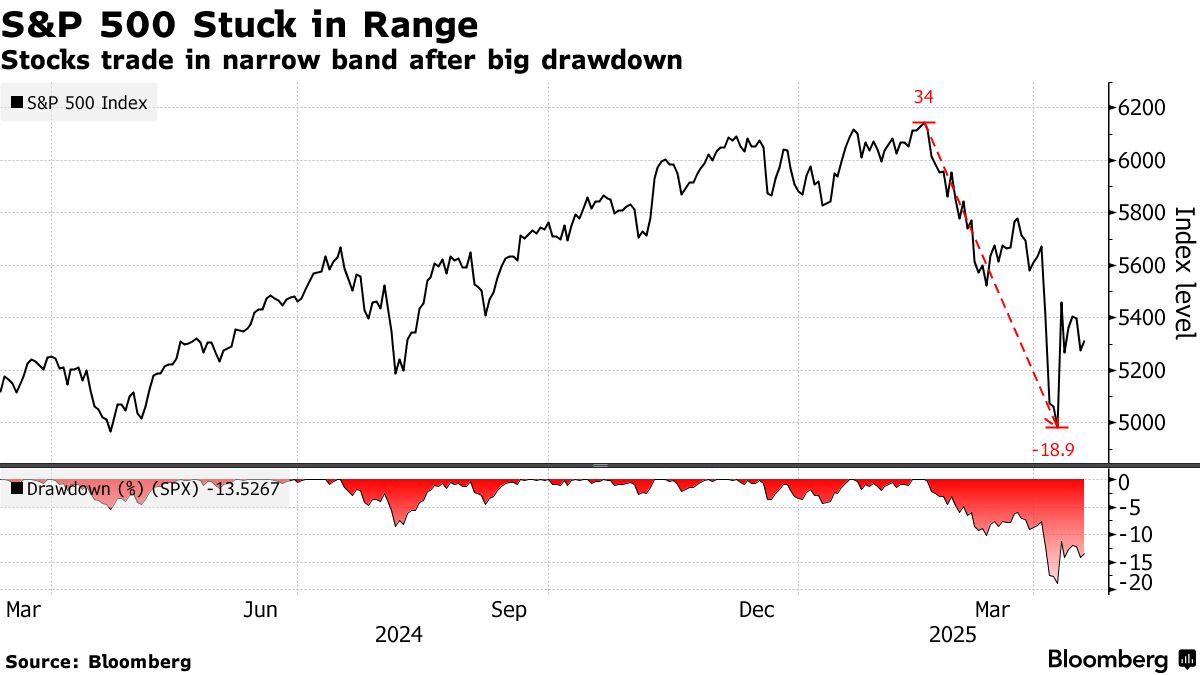
Technical analysis plays a massive role in daily price action. High-frequency trading (HFT) systems and algorithms are often programmed to buy or sell at specific moving averages, such as the 50-day or 200-day simple moving average. When a major index like the S&P 500 breaks through a psychological barrier (like 5,000 or 5,500), it can trigger a cascade of automated buying. Understanding these “invisible” floors and ceilings is essential to understanding why the market might suddenly reverse course without a clear news catalyst.
The Rise of the Retail Option Trader
Since 2020, the influence of retail investors using zero-days-to-expiration (0DTE) options has exploded. This has introduced a new level of “gamma” volatility to the market. On any given day, the massive volume of options expiring can force market makers to hedge their positions by buying or selling the underlying stocks, leading to dramatic price swings in the final hours of trading. This “tail wagging the dog” effect is a staple of what is going on in the market today.
Global Geopolitics and Commodity Pressures
We live in a globalized financial ecosystem, and today’s stock market is highly sensitive to events occurring far beyond Wall Street. Geopolitical instability is a “black swan” risk that investors constantly monitor.
Energy Prices and Inflationary Pressures
The price of crude oil and natural gas remains a critical variable. Tensions in the Middle East or shifts in OPEC+ production quotas have a direct impact on energy stocks and an indirect impact on the broader market through transportation costs. If energy prices spike, it reignites inflation fears, which in turn pressures the Federal Reserve to keep rates high. This feedback loop is a primary concern for institutional investors today.
Supply Chain Reshoring and Trade Policy
The trend of “deglobalization” or “friend-shoring” is reshaping the industrial sector. Companies are moving manufacturing away from volatile regions and back to North America or allied nations. While this increases long-term stability, it often comes with higher initial capital expenditures. Investors are currently weighing these long-term strategic moves against short-term margin pressures.
Navigating the Market: Strategies for the Current Climate
Given the multifaceted nature of today’s market, how should an individual approach their portfolio? The current environment favors those with a disciplined framework rather than those chasing the latest trend.
Asset Allocation and Diversification
The era of “easy money” and the 60/40 portfolio’s guaranteed success has faced challenges. Today, diversification includes looking beyond domestic equities. Many investors are re-evaluating international markets, particularly emerging markets with younger demographics, or looking at “real assets” like gold and real estate as hedges against currency debasement and persistent inflation.
The Importance of Liquidity and Cash Reserves
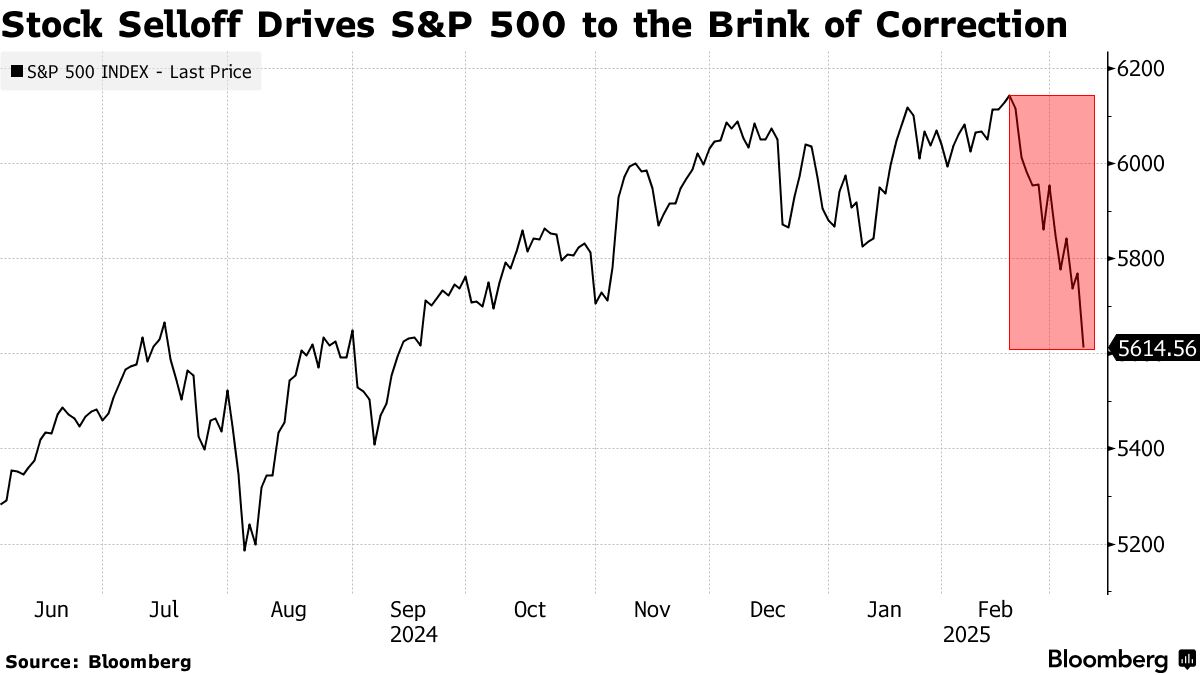
With high-yield savings accounts and money market funds offering yields not seen in over a decade, “cash is no longer trash.” Holding a portion of a portfolio in liquid, interest-bearing accounts provides a dual benefit: it generates a steady return and provides the “dry powder” necessary to buy quality stocks during market pullbacks. Today’s savvy investor views a market dip not as a crisis, but as a sale on long-term assets.
Long-Term Vision vs. Short-Term Noise
Ultimately, what is going on in the stock market today is a reminder that the market is a “voting machine” in the short term and a “weighing machine” in the long term. Daily fluctuations are driven by headlines and emotions, but long-term wealth is built by participating in the productive capacity of the world’s best companies. Staying the course, maintaining a consistent contribution schedule (such as dollar-cost averaging), and focusing on fundamental business health remains the most proven path to financial success, regardless of today’s specific market drama.
aViewFromTheCave is a participant in the Amazon Services LLC Associates Program, an affiliate advertising program designed to provide a means for sites to earn advertising fees by advertising and linking to Amazon.com. Amazon, the Amazon logo, AmazonSupply, and the AmazonSupply logo are trademarks of Amazon.com, Inc. or its affiliates. As an Amazon Associate we earn affiliate commissions from qualifying purchases.