
The world around us is a symphony of sounds, from the gentle rustle of leaves to the thunderous roar of an engine. Within this auditory landscape, one fundamental characteristic distinguishes different sounds: their pitch. Often described as how “high” or “low” a sound is, pitch is a crucial element that impacts our perception and appreciation of music, speech, and the overall soundscape. But what exactly determines the pitch of a sound, and how does it relate to the technologies we use, the brands we encounter, and even the financial aspects of our lives?
While the initial question might seem straightforward, delving into the physics and perception of pitch reveals a fascinating interplay of science and our sensory experience. Understanding pitch isn’t just an academic exercise; it has practical implications that resonate across various domains, from the precision required in audio engineering to the emotive impact of sonic branding.
The Physics Behind Pitch: Frequency and Vibrations
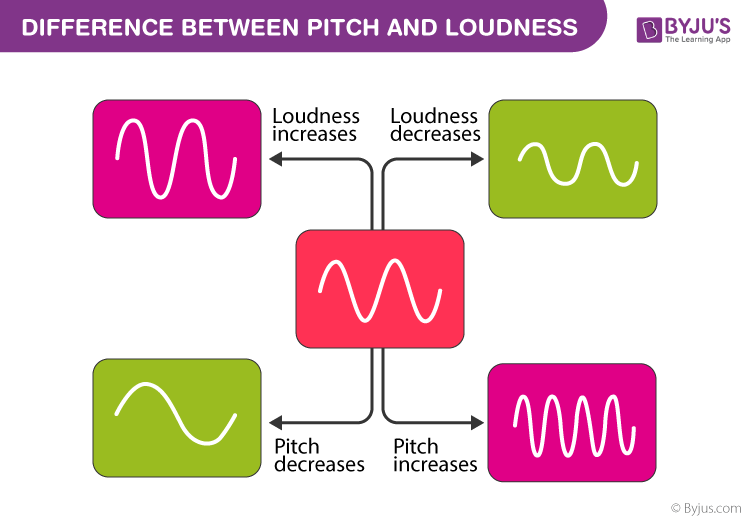
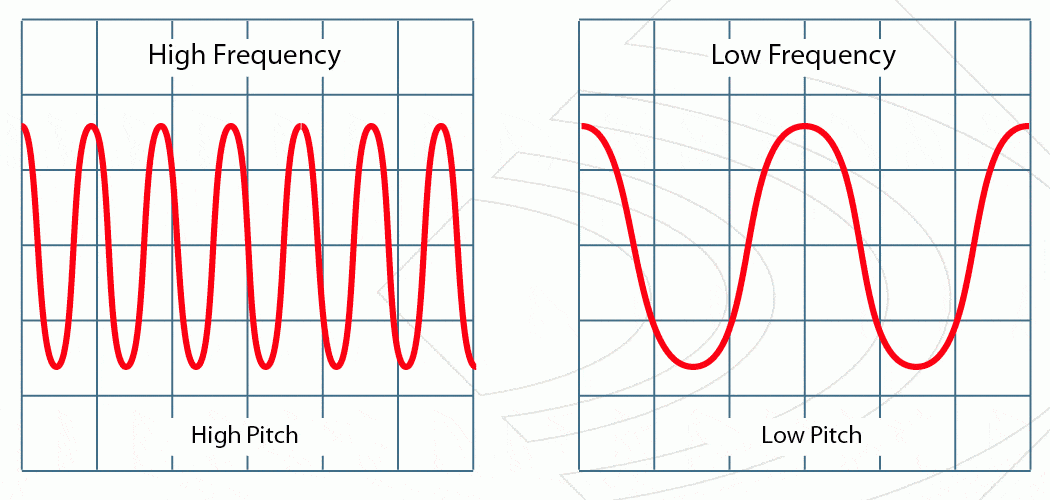
At its core, the pitch of a sound is directly linked to its frequency. Frequency refers to the rate at which a sound source vibrates, measured in Hertz (Hz). One Hertz represents one vibration per second. Imagine plucking a guitar string: the faster it vibrates, the higher the frequency, and consequently, the higher the pitch of the sound produced. Conversely, a slower vibration results in a lower frequency and a lower pitch.
This relationship between vibration and pitch is a fundamental principle of acoustics. Sound waves are essentially disturbances that travel through a medium, such as air, in the form of compressions and rarefactions. The frequency of these waves dictates how many compressions and rarefactions pass a given point per second. Our ears are exquisitely designed to detect these pressure variations, and our brains interpret the rate of these variations as pitch.
The Audible Spectrum: From Infrasound to Ultrasound
The range of frequencies that humans can typically hear is known as the audible spectrum. For most young, healthy individuals, this range extends from approximately 20 Hz to 20,000 Hz (or 20 kHz).
- Low-frequency sounds (infrasound), below 20 Hz, are generally too low for us to perceive as distinct pitches. While we might feel them as vibrations or a rumbling sensation, they don’t register as musical notes. Elephants, for example, can communicate using infrasound over vast distances.
- High-frequency sounds (ultrasound), above 20 kHz, are also inaudible to humans. Dogs, bats, and dolphins, however, can perceive these higher frequencies, enabling them to communicate and navigate using ultrasonic calls.
The ability to hear different frequencies can change with age and exposure to loud noises, often leading to a gradual loss of high-frequency hearing. This is a crucial consideration in fields like audiology and the design of audio equipment.
Factors Influencing Pitch
While frequency is the primary determinant of pitch, several other factors can subtly influence our perception:
- Amplitude (Loudness): Although distinct from pitch, very loud sounds can sometimes be perceived as slightly higher in pitch than quieter sounds of the same frequency, particularly at very high frequencies. This phenomenon is known as the Stevens’ power law.
- Timbre (Tone Color): Timbre refers to the unique quality of a sound that distinguishes different instruments or voices playing the same note at the same loudness. It’s determined by the complex combination of fundamental frequency and its overtones (harmonics). While timbre doesn’t change the fundamental pitch, it affects the overall richness and character of the sound.
- Duration: Very short sounds can be more difficult to identify their pitch accurately. Our brains need a certain amount of auditory information to process and categorize pitch.
Pitch in the Realm of Technology
The understanding of pitch is foundational to numerous technological advancements, particularly in the fields of audio, communication, and data processing.
Audio Engineering and Music Production
In music production and audio engineering, precise control over pitch is paramount.
- Digital Audio Workstations (DAWs): Software like Ableton Live, Logic Pro, and Pro Tools allow producers to manipulate the pitch of individual notes, entire tracks, and even vocal recordings. This includes:
- Pitch Correction: Tools like Auto-Tune and Melodyne are widely used to correct inaccuracies in vocal performances, ensuring that singers hit the intended notes. While sometimes used subtly, they can also be employed for stylistic effects.
- Pitch Shifting: This process alters the pitch of a sound without affecting its tempo, or vice-versa (time stretching). It’s essential for creating harmonies, transposing music, and achieving unique sound design.
- Sampling and Synthesis: When creating electronic music, synthesizers and samplers generate sounds with specific frequencies. Understanding pitch allows for the creation of melodies, chords, and complex sonic textures.
- Equalization (EQ): While EQ primarily adjusts the amplitude of different frequency bands, it indirectly influences our perception of pitch by boosting or cutting certain tonal characteristics. For instance, boosting high frequencies can make a sound seem brighter and potentially more “present,” while cutting low frequencies can make it sound thinner.
- Acoustic Design: The pitch of sounds within a space significantly impacts its acoustics. Architects and acousticians use their understanding of frequency to design concert halls, recording studios, and lecture theaters that optimize sound quality, minimize echoes, and ensure clear audibility. This involves selecting appropriate materials with specific sound-absorbing or reflecting properties at different frequencies.
Telecommunications and Speech Processing
Pitch plays a vital role in how we communicate over distances and how our devices understand our speech.
- Voice Recognition Software: AI-powered voice assistants like Siri, Alexa, and Google Assistant rely heavily on analyzing the pitch of our voices, along with other vocal characteristics, to decipher commands and convert spoken language into text. Subtle variations in pitch can convey different emotions or even distinguish between different users.
- Speech Synthesis: When computers “speak,” they generate artificial voices. The pitch of these synthesized voices is a key parameter that determines whether the voice sounds natural, masculine, feminine, or even robotic.
- Modulation Techniques: In telecommunications, information is often encoded by modulating a carrier wave. While not directly about the pitch of sound in the traditional sense, the concept of altering a signal’s frequency (a form of pitch manipulation) is fundamental to radio transmission and many digital communication systems.
Gadgets and Consumer Electronics
From your smartphone to your smart speaker, pitch detection and manipulation are embedded in many of the gadgets we use daily.
- Audio Playback Devices: The quality of audio produced by headphones, speakers, and soundbars is directly related to their ability to accurately reproduce a wide range of frequencies and maintain their intended pitch.
- Musical Instruments and Toys: Many electronic musical instruments and toys for children are designed to produce sounds with specific pitches, offering interactive musical experiences.
- Ultrasonic Devices: Devices like ultrasonic pest repellers or cleaning machines leverage frequencies outside the human audible range, demonstrating the practical application of understanding frequency beyond our direct perception.
Pitch and the Power of Brand Identity
In the competitive landscape of business, a strong brand is essential. While visual elements like logos and colors are crucial, sound also plays an increasingly significant role in shaping brand perception and recall. This is where sonic branding and the strategic use of pitch come into play.
Sonic Branding: Creating an Auditory Signature
Sonic branding involves using sound – including melodies, sound effects, and voiceovers – to create a consistent and memorable brand experience. The pitch of these auditory elements is a powerful tool for evoking specific emotions and associations.
- Brand Jingles and Themes: Many well-known brands have recognizable jingles or musical themes. The pitch of the notes in these melodies contributes significantly to their memorability and the overall feeling they convey. For instance, a jingle with a high, upbeat pitch might evoke excitement and dynamism, while a lower, more resonant pitch could suggest trustworthiness and stability.
- Sound Logos (Sonic Logos): These are short, distinctive audio elements that serve as an audible signature for a brand, similar to a visual logo. Think of the iconic Intel inside chime or the Netflix “ta-dum.” The specific pitches used are carefully chosen to be distinctive, memorable, and aligned with the brand’s personality.
- Voiceovers and Brand Narratives: The pitch of a voiceover artist can significantly influence how a brand’s message is received. A higher-pitched, energetic voice might be used for a youthful, playful brand, while a deeper, more authoritative voice could be employed for a luxury or financial institution.
Emotional Resonance and Pitch
Our emotional responses to sound are deeply intertwined with pitch. Certain pitches tend to evoke specific emotions:
- High Pitches: Often associated with excitement, joy, urgency, and sometimes even anxiety or alarm. Think of a child’s excited squeal or a siren.
- Low Pitches: Tend to evoke feelings of calmness, seriousness, authority, and solemnity. The deep tones of a cello or the rumble of thunder can create a sense of gravitas.
Brands leverage these emotional associations by strategically employing pitches that align with their desired brand perception. A tech company aiming for innovation might use a bright, uplifting sonic identity, while a financial advisor might opt for a more grounded, reassuring sonic palette.
Case Studies in Sonic Branding
- Apple: Apple’s sonic branding is often characterized by clean, sophisticated sounds with a moderate pitch range. Their notification sounds are designed to be unobtrusive yet distinct, contributing to the overall user experience and perception of elegance and simplicity.
- Mastercard: The Mastercard “sound logo” is a prime example of a memorable sonic identity. Its carefully crafted pitches and melodic structure make it instantly recognizable, reinforcing the brand’s presence across various touchpoints.
Pitch in the World of Money and Finance
While the connection between the pitch of sound and the world of money might not be immediately obvious, there are fascinating intersections, particularly in the realm of technology and consumer behavior.
Financial Tools and User Experience
- Alerts and Notifications: Many financial apps and platforms use auditory cues to alert users to important events, such as low balances, successful transactions, or market changes. The pitch and timbre of these alerts are designed to be noticeable without being jarring. A gentle, moderate-pitched chime might signify a successful deposit, while a slightly more urgent, higher-pitched sound could indicate a potential overdraft.
- Trading Platforms: In high-frequency trading environments, auditory cues can provide real-time feedback on market movements. While often subtle, the pitches and rhythms of these alerts can help traders quickly identify opportunities or risks.
- Interactive Voice Response (IVR) Systems: Banks and financial institutions often use IVR systems for customer service. The clarity and pitch of the synthesized voices used in these systems directly impact the user experience. A clear, well-modulated voice can make navigating financial services easier, while a garbled or poorly pitched voice can lead to frustration.
The Economics of Sound and Data
- Audio Compression and Bandwidth: In the digital economy, efficient data transmission is crucial. Audio compression technologies, which reduce the file size of audio data, work by discarding less perceptually important information, including certain frequency ranges. Understanding which frequencies are most important for intelligibility and perceived quality allows for more efficient storage and streaming of audio, impacting the economics of online content delivery.
- The “Sound” of Value: While not a direct application of pitch, the general perception of quality in many products and services, including financial ones, can be influenced by subtle auditory cues. A well-produced advertisement for an investment product, with carefully chosen music and voiceovers, can contribute to a perception of professionalism and trustworthiness.
Future Implications: AI and Personalized Financial Experiences
As AI continues to evolve, the integration of pitch analysis in financial technology could lead to more personalized and intuitive user experiences. Imagine an AI assistant that can detect subtle changes in your voice pitch, indicating stress or uncertainty, and then proactively offer relevant financial advice or support. The nuanced understanding of pitch, combined with other biometric data, could unlock new levels of personalized financial management.

Conclusion
The pitch of sound, far from being a mere academic concept, is a fundamental element that shapes our auditory perception and has far-reaching implications across technology, branding, and even finance. From the intricate physics of vibrations to the sophisticated algorithms of AI, understanding and manipulating pitch allows us to create richer musical experiences, build stronger brands, and develop more intuitive technologies.
As we continue to innovate in areas like artificial intelligence, virtual reality, and personalized digital experiences, our understanding and application of sound, including its pitch, will undoubtedly become even more critical. The next time you listen to your favorite song, interact with a voice assistant, or notice a brand’s sonic signature, take a moment to appreciate the intricate role that pitch plays in crafting that experience. It’s a testament to the profound impact of something as simple, yet as complex, as how high or low a sound can be.
aViewFromTheCave is a participant in the Amazon Services LLC Associates Program, an affiliate advertising program designed to provide a means for sites to earn advertising fees by advertising and linking to Amazon.com. Amazon, the Amazon logo, AmazonSupply, and the AmazonSupply logo are trademarks of Amazon.com, Inc. or its affiliates. As an Amazon Associate we earn affiliate commissions from qualifying purchases.