
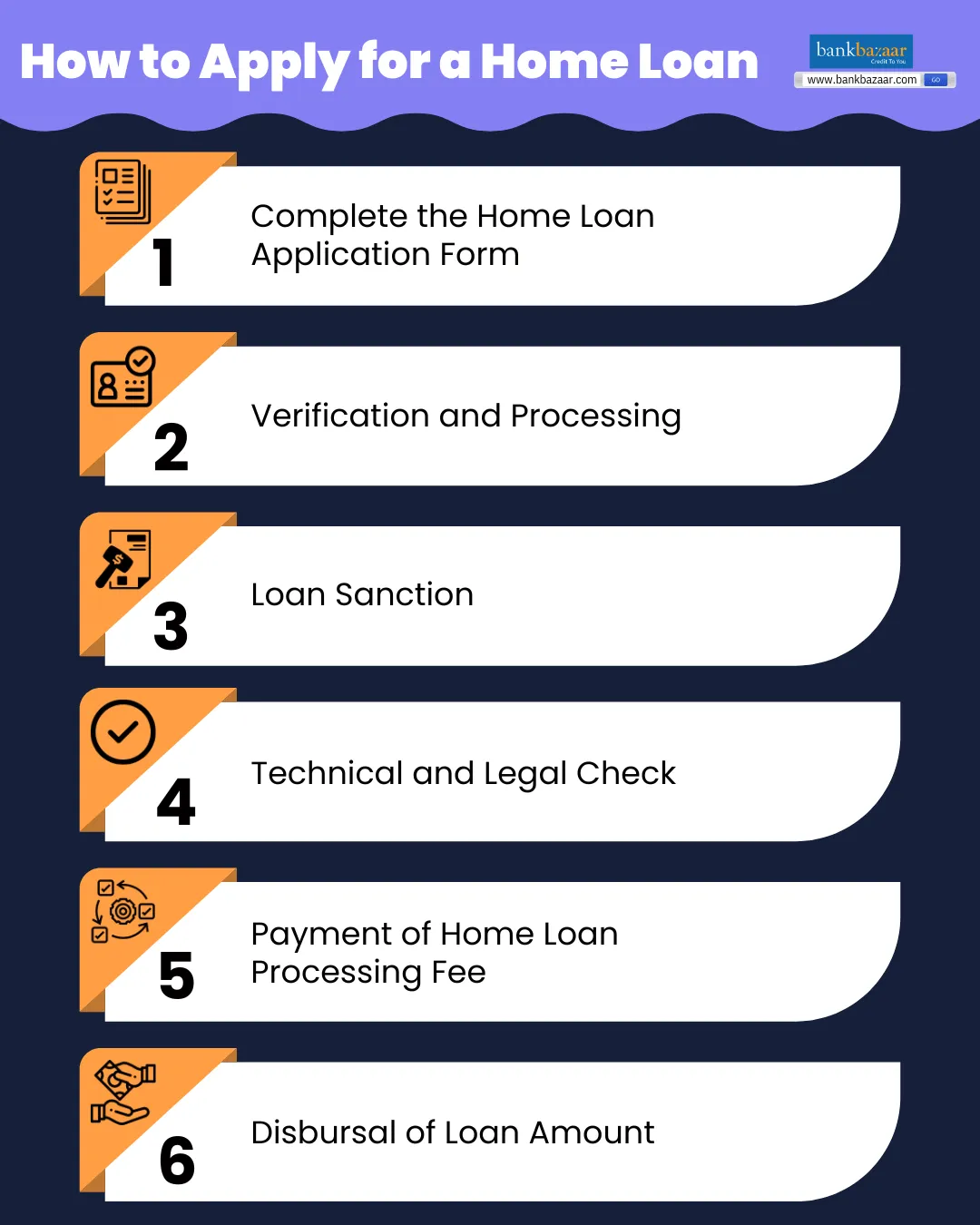
Securing a home loan is one of the most significant financial milestones in an individual’s life. It is the bridge between a long-term savings goal and the reality of property ownership. However, the modern financial landscape has evolved far beyond the days when a borrower simply walked into their local neighborhood bank and shook hands with a loan officer. Today, the marketplace is a sophisticated ecosystem of traditional institutions, digital disruptors, and specialized government programs. Understanding where to apply for a home loan requires a deep dive into the various channels available, each offering unique advantages, fee structures, and qualification criteria.
Traditional Banking Institutions: The Foundation of Mortgage Lending
For many, the first instinct when seeking a mortgage is to turn to a traditional bank. These institutions remain the bedrock of the residential lending market, offering a sense of security and a wide array of financial products that can be bundled together for the consumer’s benefit.
National Banks and Commercial Lenders
Large national banks—such as Chase, Bank of America, and Wells Fargo—operate extensive networks that provide standardized mortgage products across the country. One of the primary advantages of applying through a national bank is the potential for “relationship pricing.” If you already hold checking, savings, or investment accounts with a specific bank, they may offer a reduction in interest rates or a waiver of certain origination fees.
Furthermore, these institutions possess massive capital reserves, allowing them to handle complex jumbo loans that exceed conforming loan limits. However, the downside often lies in the bureaucracy. Because they are highly regulated and process high volumes of applications, the underwriting process can sometimes be slower and more rigid than smaller competitors.
Community Banks and Local Credit Unions
Community banks and credit unions offer a more localized approach to lending. Credit unions, in particular, are member-owned cooperatives. Because they are not beholden to shareholders looking for maximum profit, they often return value to their members in the form of lower interest rates and reduced closing costs.
Applying for a home loan at a credit union can be especially beneficial for those with unique financial profiles. Local lenders often have a better understanding of the local real estate market and may be more flexible in their underwriting standards if they intend to keep the loan in their own portfolio rather than selling it on the secondary market. The “portfolio loan” is a powerful tool for borrowers who might not fit the “cookie-cutter” mold required by larger institutions.
Non-Bank Lenders and Digital Mortgage Platforms
The last decade has seen a meteoric rise in non-bank lenders. These entities do not offer traditional banking services like checking or savings accounts; their sole focus is on originating and servicing loans. This specialization often translates to a more streamlined, tech-driven experience.
The Rise of Direct Lenders
Direct lenders like Rocket Mortgage or Pennymac have transformed the industry by prioritizing speed and accessibility. These institutions typically operate online or through centralized call centers. Because they do not maintain expensive physical branch networks, they can often pass those overhead savings on to the borrower.
The application process with a direct lender is usually highly automated. Borrowers can upload tax returns, pay stubs, and bank statements directly to a secure portal, with algorithms providing a preliminary approval in minutes rather than days. For a borrower who values efficiency and a digital-first interface, these lenders are often the top choice.
Fintech and Online-Only Mortgage Platforms
A newer category of lending involves fintech companies that act as digital marketplaces or tech-heavy lenders. Companies like Better.com or SoFi utilize advanced AI to assess risk and automate the document verification process. These platforms are designed to eliminate the “middleman” commissions often associated with traditional lending.
One significant draw of these digital-native platforms is transparency. They frequently display real-time rates and fees without requiring a hard credit pull in the initial stages. This allows savvy borrowers to shop and compare multiple scenarios with ease. However, borrowers should be aware that because these processes are highly automated, if a problem arises that requires human nuance—such as a complex self-employment income structure—the digital system may struggle to adapt as quickly as a human loan officer would.
Mortgage Brokers: Navigating Multiple Channels
If you are unsure which specific lender to choose, a mortgage broker can serve as a professional intermediary. Unlike a loan officer who works for a single bank, a broker works for the borrower.
The Role of the Intermediary
A mortgage broker has access to a vast network of wholesale lenders, many of whom do not work directly with the public. When you apply through a broker, you fill out a single application, and the broker “shops” that application across dozens of different institutions to find the best rate and terms for your specific situation.
Brokers are particularly valuable for borrowers with “bruised” credit or those who are self-employed. They understand which lenders have an appetite for specific types of risk. For example, some lenders specialize in “no-doc” or “bank statement” loans for entrepreneurs, and a broker will know exactly where to send that application to ensure the highest probability of approval.
Wholesale vs. Retail Rates
One of the most misunderstood aspects of the mortgage industry is the difference between wholesale and retail rates. Banks offer retail rates to the general public. Brokers, however, access wholesale rates. Even after the broker adds their commission (which is often paid by the lender), the final interest rate provided to the borrower is frequently lower than what the borrower could have obtained by walking into a bank branch themselves. This makes brokers a powerful option for those looking to optimize their long-term interest costs.
Government-Backed Lending Programs and Specialized Agencies
For many first-time homebuyers or individuals with lower down payments, the best place to apply for a home loan is through a lender that specializes in government-backed products. These loans are insured by the federal government, which reduces the risk for the lender and allows for more favorable terms for the borrower.
FHA, VA, and USDA Loans
-
FHA Loans: Insured by the Federal Housing Administration, these are popular among first-time buyers because they allow for down payments as low as 3.5% and are more forgiving of lower credit scores.
-
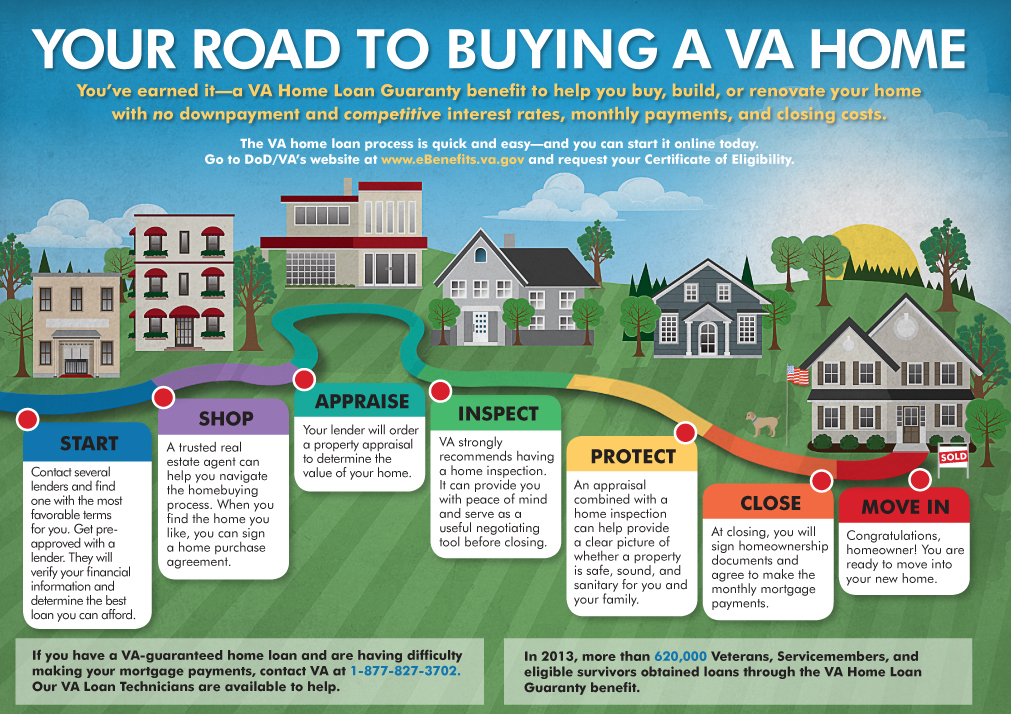
VA Loans: Available to veterans, active-duty service members, and eligible surviving spouses, VA loans are backed by the Department of Veterans Affairs. They often require $0 down payment and have no private mortgage insurance (PMI) requirements.
-
USDA Loans: The U.S. Department of Agriculture offers these loans to encourage homeownership in rural and some suburban areas. Like VA loans, they often offer 100% financing (no down payment) for income-eligible borrowers.
Most traditional banks and online lenders are authorized to process these loans, but some specialized lenders focus exclusively on these products, offering deep expertise in the specific documentation required by the government.
State and Local Housing Finance Agencies
Beyond federal programs, many states and municipalities have Housing Finance Agencies (HFAs). These agencies offer “Down Payment Assistance” (DPA) programs and competitive fixed-rate mortgages. To access these, you typically must apply through a “participating lender” approved by the state. These programs can be a game-changer for middle-to-low-income earners who have the income to support a monthly payment but lack the upfront capital for a substantial down payment.
Choosing the Right Path: Factors to Consider Before Applying
Deciding where to apply is not just about finding the lowest interest rate; it is about finding a financial partner that aligns with your long-term goals and your current financial health.
Comparing Interest Rates and Fees
The “headline” interest rate is only one part of the equation. When comparing lenders, you must look at the Annual Percentage Rate (APR), which includes the interest rate plus other costs like origination fees, points, and administrative charges. A lender might offer a 6.5% rate but charge $5,000 in upfront fees, while another offers 6.7% with zero fees. Depending on how long you plan to stay in the home, the higher rate with lower fees might actually be the more economical choice.

Assessing Customer Service and Technology
The mortgage process is notoriously stressful and document-intensive. When choosing where to apply, consider the communication style of the institution. Do you want a dedicated point of contact you can call on a Saturday morning, or are you comfortable interacting with a chatbot and a centralized dashboard?
Reviewing a lender’s “Time to Close” is also vital. In a competitive real estate market, a lender that can guarantee a 21-day closing is often more attractive to a seller than a lender that takes 45 to 60 days. This operational efficiency is a key differentiator between modern digital lenders and legacy banking systems.
In conclusion, the question of “where to apply” depends heavily on your financial profile, your comfort with technology, and your specific property goals. Whether you choose the stability of a national bank, the personalized service of a credit union, the speed of a fintech lender, or the wide-ranging options of a broker, the key is to shop around. By comparing at least three different lending sources, you can ensure that you are securing the most competitive terms possible for your journey into homeownership.
aViewFromTheCave is a participant in the Amazon Services LLC Associates Program, an affiliate advertising program designed to provide a means for sites to earn advertising fees by advertising and linking to Amazon.com. Amazon, the Amazon logo, AmazonSupply, and the AmazonSupply logo are trademarks of Amazon.com, Inc. or its affiliates. As an Amazon Associate we earn affiliate commissions from qualifying purchases.