
The housing market has undergone a seismic shift over the last few years, leaving prospective homebuyers and current homeowners alike asking the same pivotal question: when will mortgage rates go down again? After a decade of historically low borrowing costs, punctuated by the sub-3% rates of the pandemic era, the rapid ascent to 7% and beyond has created a significant barrier to entry for many. Understanding when a reprieve might arrive requires a deep dive into the mechanics of central banking, inflation cycles, and the complex relationship between government bonds and consumer lending.
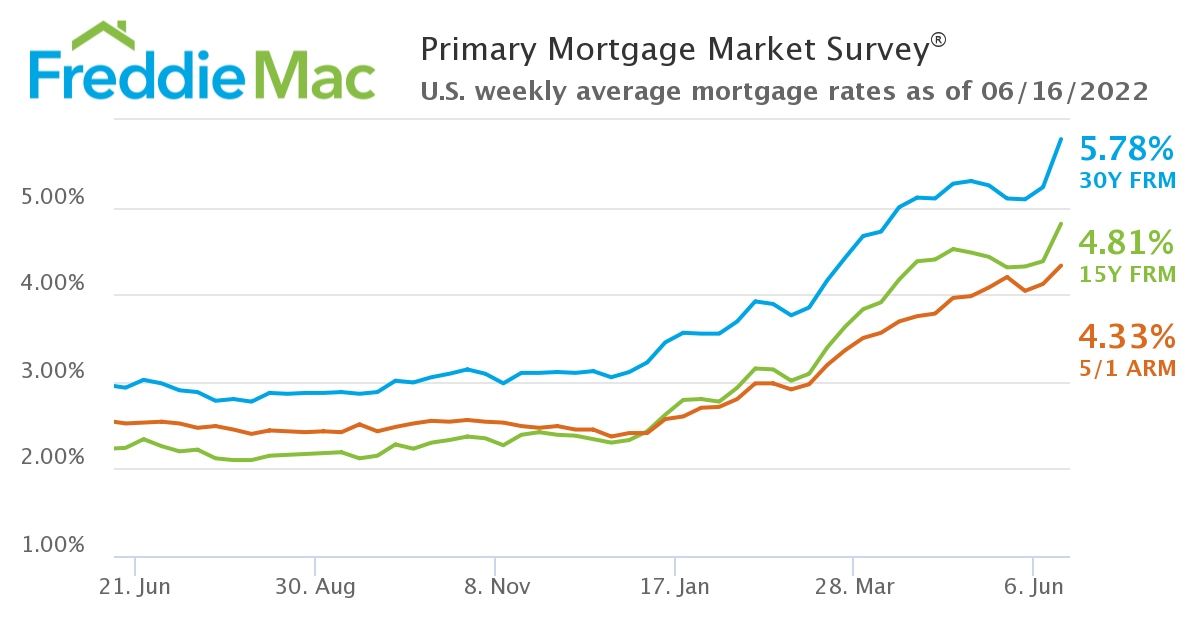
While no one possesses a crystal ball, financial indicators and macroeconomic trends provide a roadmap for where rates are likely headed. For those looking to navigate the current financial landscape, the answer is not found in a specific date, but in a series of economic benchmarks that must be met before the lending environment softens.
Understanding the Drivers of Current Mortgage Rates
To predict when mortgage rates will decline, one must first understand what pushed them up. Mortgage rates are not set by a single entity; rather, they are the result of a complex interplay between government policy, investor sentiment, and global economic health.
The Role of the Federal Reserve
While the Federal Reserve does not directly set mortgage rates, its influence is paramount. The Fed controls the federal funds rate—the interest rate at which commercial banks borrow and lend to each other overnight. When the Fed raises this rate to combat inflation, it becomes more expensive for banks to operate, and these costs are passed down to consumers in the form of higher interest rates on credit cards, auto loans, and mortgages.
The aggressive rate-hiking cycle that began in early 2022 was a direct response to soaring inflation. The “pivot”—the moment the Fed stops raising rates and begins cutting them—is the primary signal the market is waiting for. Until the Fed feels confident that inflation is sustainably moving toward its 2% target, they are unlikely to lower the benchmark rate, keeping upward pressure on mortgage products.
The 10-Year Treasury Yield Connection
Mortgage rates most closely track the yield on the 10-year U.S. Treasury note. Investors view mortgages as a similar risk profile to government bonds, though slightly riskier. Consequently, when Treasury yields rise, mortgage rates typically follow suit.
In a stable economy, the “spread” between the 10-year Treasury yield and a 30-year fixed mortgage is usually around 1.7 to 2 percentage points. However, in recent years, this spread has widened significantly due to market volatility and decreased demand for mortgage-backed securities (MBS). For mortgage rates to drop significantly, we need to see not only a drop in Treasury yields but also a “normalization” of this spread.
Inflation and the Consumer Price Index (CPI)
Inflation is the ultimate enemy of mortgage rates. When the purchasing power of the dollar erodes, investors demand higher yields on long-term investments like mortgages to compensate for the loss. The Consumer Price Index (CPI) is the most watched metric in this regard. As long as CPI data remains “sticky” or higher than anticipated, the bond market will remain jittery, keeping mortgage rates elevated. A consistent string of lower-than-expected inflation reports is the most likely catalyst for a sustained downward trend in rates.
The Current Economic Landscape and Forecasts for 2024–2025
As we analyze the current financial trajectory, the consensus among major financial institutions like the Mortgage Bankers Association (MBA), Fannie Mae, and Freddie Mac suggests a gradual cooling rather than a sharp drop.
Why Rates Have Remained Elevated
Despite early predictions that rates would fall by mid-2024, the economy has proven remarkably resilient. Low unemployment and steady consumer spending have forced the Federal Reserve to keep interest rates “higher for longer.” This resilience is a double-edged sword: while it prevents a severe recession, it also prevents the rapid rate cuts that many homebuyers are hoping for.
Furthermore, the housing market suffers from a “lock-in effect.” Millions of homeowners are currently holding mortgages with rates between 2% and 4%. These individuals are reluctant to sell and move into a new home with a 7% rate, leading to a shortage of inventory. This lack of supply keeps home prices high even as borrowing costs rise, complicating the affordability equation.
Projecting the “Pivot”
Most institutional forecasts suggest that mortgage rates will begin to settle into a more manageable range—likely between 6.0% and 6.5%—by the end of 2024, with further potential declines in 2025. This projection is contingent on the labor market showing signs of cooling and the Fed initiating its first series of rate cuts.
If the economy experiences a “soft landing”—where inflation reaches 2% without a massive spike in unemployment—we can expect a slow, orderly descent in mortgage rates. However, if a recession occurs, the Fed may be forced to cut rates more aggressively, which could lead to a faster drop in mortgage costs, albeit at the expense of broader economic stability.
What Homebuyers Can Expect in the Near Term
For those currently in the market, waiting for a return to 3% or 4% may be a losing strategy. The ultra-low rates seen in 2020 and 2021 were an anomaly, driven by a global crisis and unprecedented monetary intervention.
The Impact on Housing Affordability
Affordability is currently at a multi-decade low. A buyer purchasing a $400,000 home at a 7% interest rate pays significantly more per month than a buyer at 3%, totaling hundreds of thousands of dollars over the life of a 30-year loan. However, as rates begin to dip toward the 6% mark, a significant amount of “sideline” demand is expected to enter the market.
This creates a paradox: as rates go down, competition often goes up. A slight decrease in interest rates could trigger a surge in buyers, potentially driving home prices higher and negating the savings gained from the lower rate.
Will We Ever See 3% Rates Again?
In the world of personal finance, it is rarely wise to say “never,” but it is highly unlikely that we will see sub-3% mortgage rates in the foreseeable future. The historical average for a 30-year fixed mortgage is closer to 7% or 8% when looking at data over the last 50 years. The period following the 2008 financial crisis was a period of extreme stimulus that is not the norm. Investors and homebuyers should adjust their long-term expectations to a “new normal” where 5.5% to 6.5% is considered a good rate.
Financial Strategies While Waiting for Rates to Drop
Waiting for the perfect moment to buy or refinance can be a gamble. Instead of trying to time the market perfectly, savvy consumers are using specific financial tools and strategies to mitigate high interest costs.
Rate Locks and Float-Down Options
When shopping for a mortgage in a volatile environment, a “rate lock” is essential. This protects the borrower from rate increases during the closing process, which can take 30 to 60 days. Some lenders also offer a “float-down” option, which allows the borrower to take advantage of a lower rate if market conditions improve before the loan closes, providing a safety net against market swings.
Exploring Mortgage Points and Buydowns
Discount points allow borrowers to pay an upfront fee to “buy down” their interest rate. This can be a wise move for those planning to stay in their home for a long time (typically 7 to 10 years), as the monthly savings will eventually outweigh the initial cost.
Additionally, many builders and sellers are currently offering “temporary buydowns” (such as a 2-1 buydown). This reduces the interest rate by 2% in the first year and 1% in the second year, with the seller paying the difference. This provides immediate relief for the buyer, with the hope that they can refinance into a lower permanent rate before the buydown period ends.
The Strategy of “Marrying the House, Dating the Rate”
A common refrain in the current real estate market is to “marry the house and date the rate.” The logic is that you should buy the home you want when you can afford the monthly payment, even if the rate is higher than you’d like. If rates drop in the future, you can refinance into a lower-cost loan. If rates continue to rise, you have successfully locked in a lower rate than future buyers. This strategy assumes that the buyer has enough equity and creditworthiness to qualify for a refinance later, which is not always guaranteed.

Long-Term Financial Planning in a High-Rate Environment
The era of “free money” is over, and this requires a shift in how we approach personal finance and debt management. High mortgage rates change the math on everything from home equity lines of credit (HELOCs) to investment properties.
In a high-rate environment, the value of a large down payment increases significantly. Not only does it reduce the total loan amount, but it can also help borrowers avoid Private Mortgage Insurance (PMI) and secure a lower interest rate tier. For investors, the “cap rate” on rental properties must be higher to justify the cost of financing, leading to a more disciplined approach to real estate investing.
Ultimately, mortgage rates will go down when the economy reaches a point of equilibrium where inflation is tamed and growth is sustainable. While the rapid declines of the past are unlikely to repeat, a move toward a more balanced 6% range appears to be on the horizon for late 2024 and 2025. For the disciplined investor and informed homebuyer, the goal is not to wait for the bottom of the market, but to understand the financial mechanics at play and make decisions based on personal affordability and long-term goals.
aViewFromTheCave is a participant in the Amazon Services LLC Associates Program, an affiliate advertising program designed to provide a means for sites to earn advertising fees by advertising and linking to Amazon.com. Amazon, the Amazon logo, AmazonSupply, and the AmazonSupply logo are trademarks of Amazon.com, Inc. or its affiliates. As an Amazon Associate we earn affiliate commissions from qualifying purchases.